Part 2: Strengthening Community Capacities and Building a Collective Mandate for 2026
November 28, 2025 · Diocesan Pastoral Center, Impalambong, Malaybalay, Bukidnon, Mindanao, Philippines
Click here to read Part 1: Grounding in Faith, Struggle, and Frontline Realities
Day 2: Solidarity, Reflection, and the Work Ahead
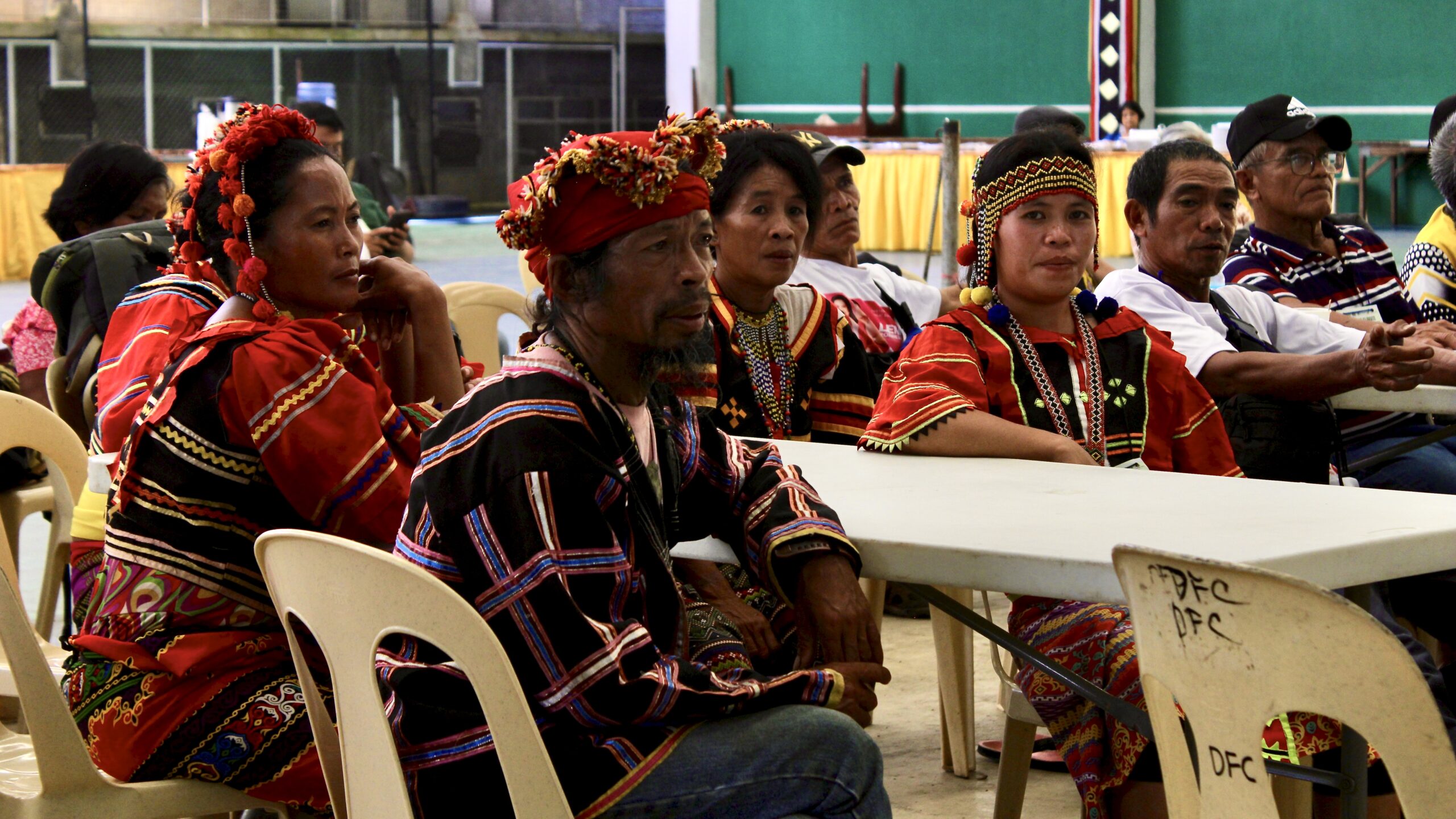
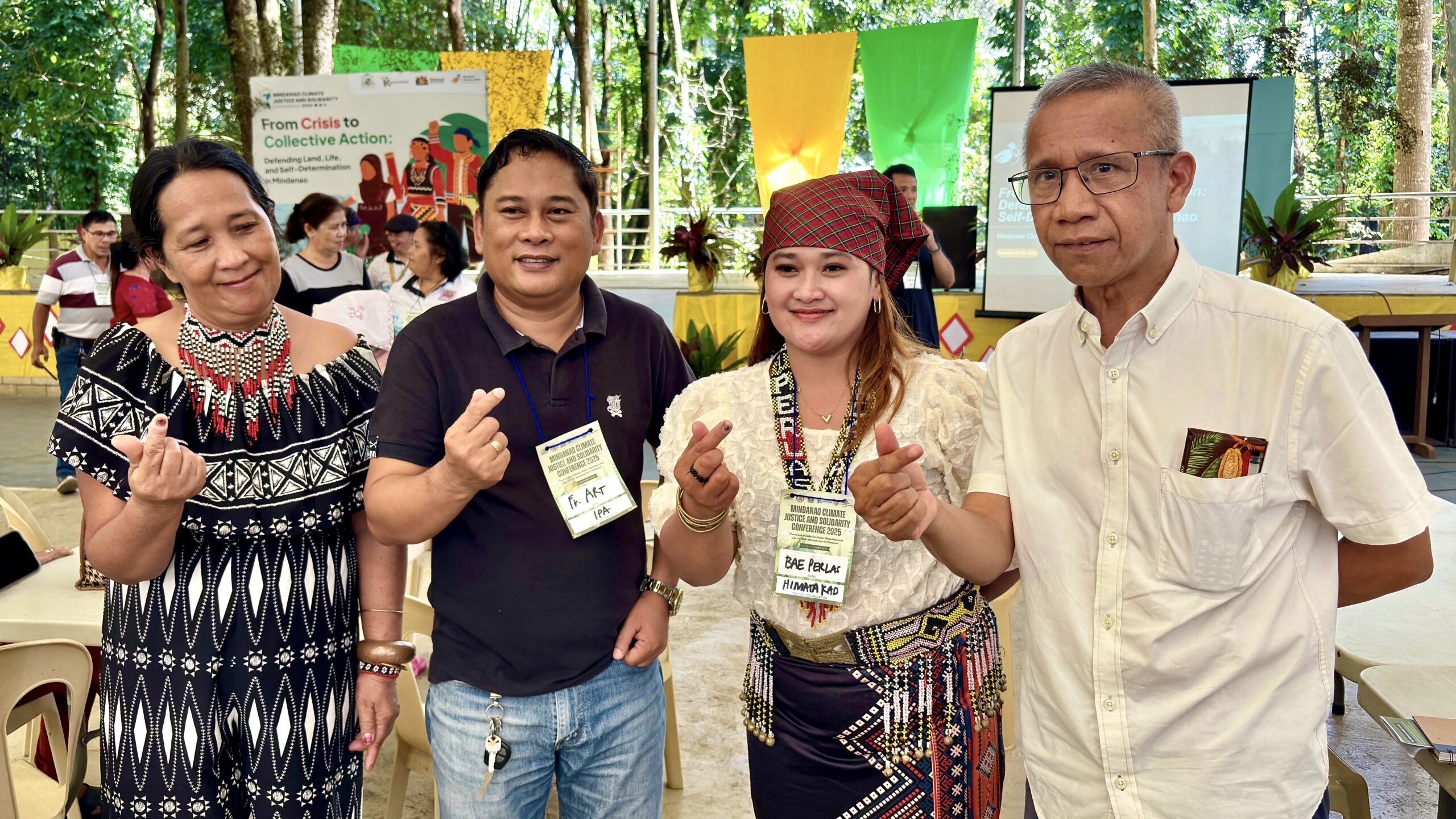
The second day opened with voices from faith institutions, global networks, and frontline communities—reminding participants that the struggle for climate justice is both deeply local and undeniably global.
Solidarity Messages from Faith and Sectoral Leaders
A video message from Archbishop Jose “Joe” Cabantan of the Archdiocese of Cagayan de Oro and MCJ BOT member set the tone for the morning. He spoke with clarity and conviction:
“We are not just facing an ecological crisis but a moral one. In moments of crisis, faith must lead us toward courage.”
He called on the Church to stand with communities facing displacement, militarization, and ecological destruction—insisting that accompaniment, not silence, must define the Church’s role.
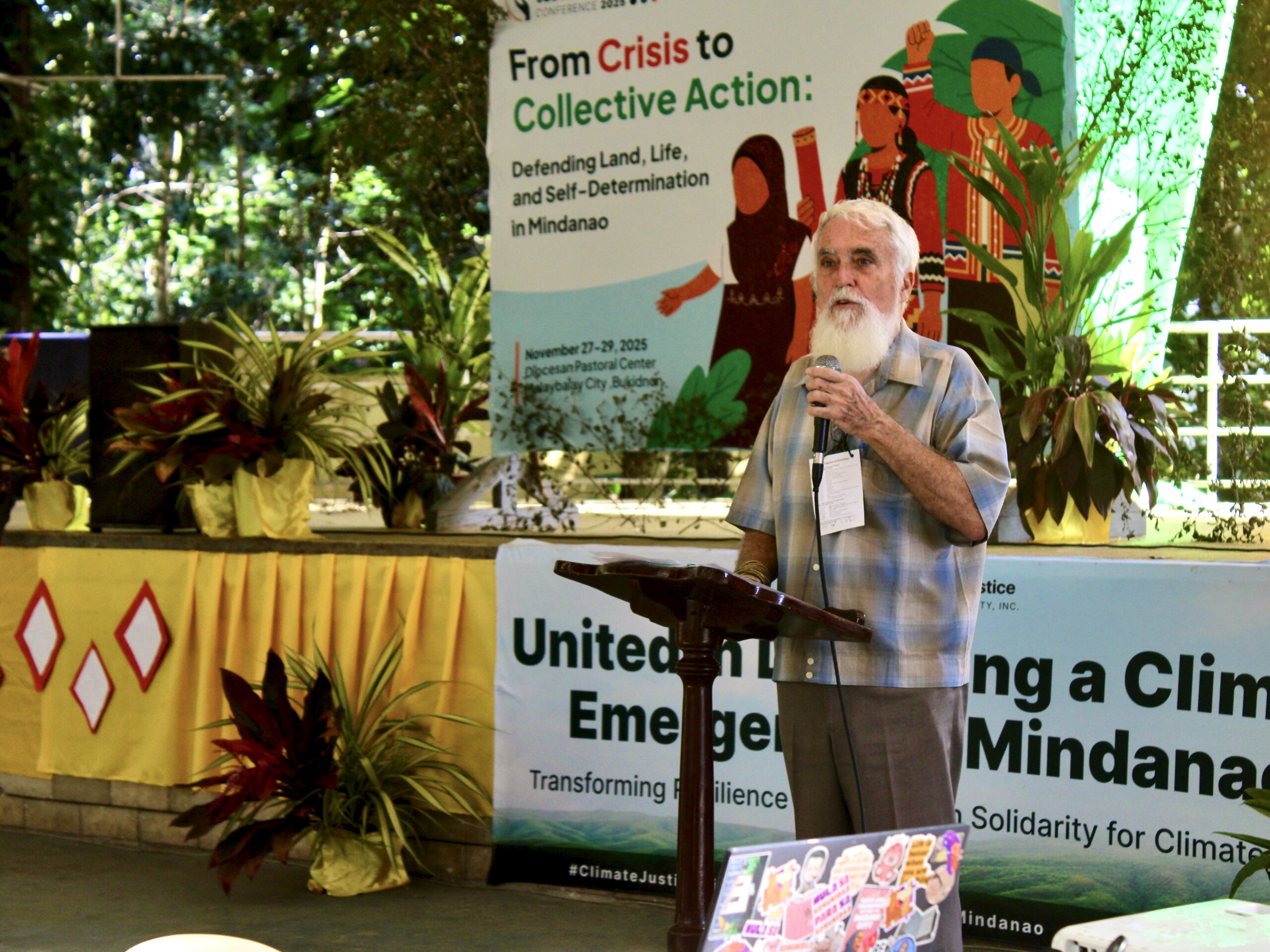
Fresh from COP30 in Belém, Brazil, Fr. Pedro Walpole, SJ offered a sobering reflection:
“The biggest polluters came to COP30 without the political will to change. They made promises without commitments. This is why communities must lead.”
He urged Mindanao’s Church, civil society, and youth movements to expand community-led ecological solutions grounded in Indigenous knowledge and watershed protection. Click here to read Fr. Walpole’s reflections Returning to local realities post-COP Belém
Parallel Workshops: Building Skills for a Transformative 2026
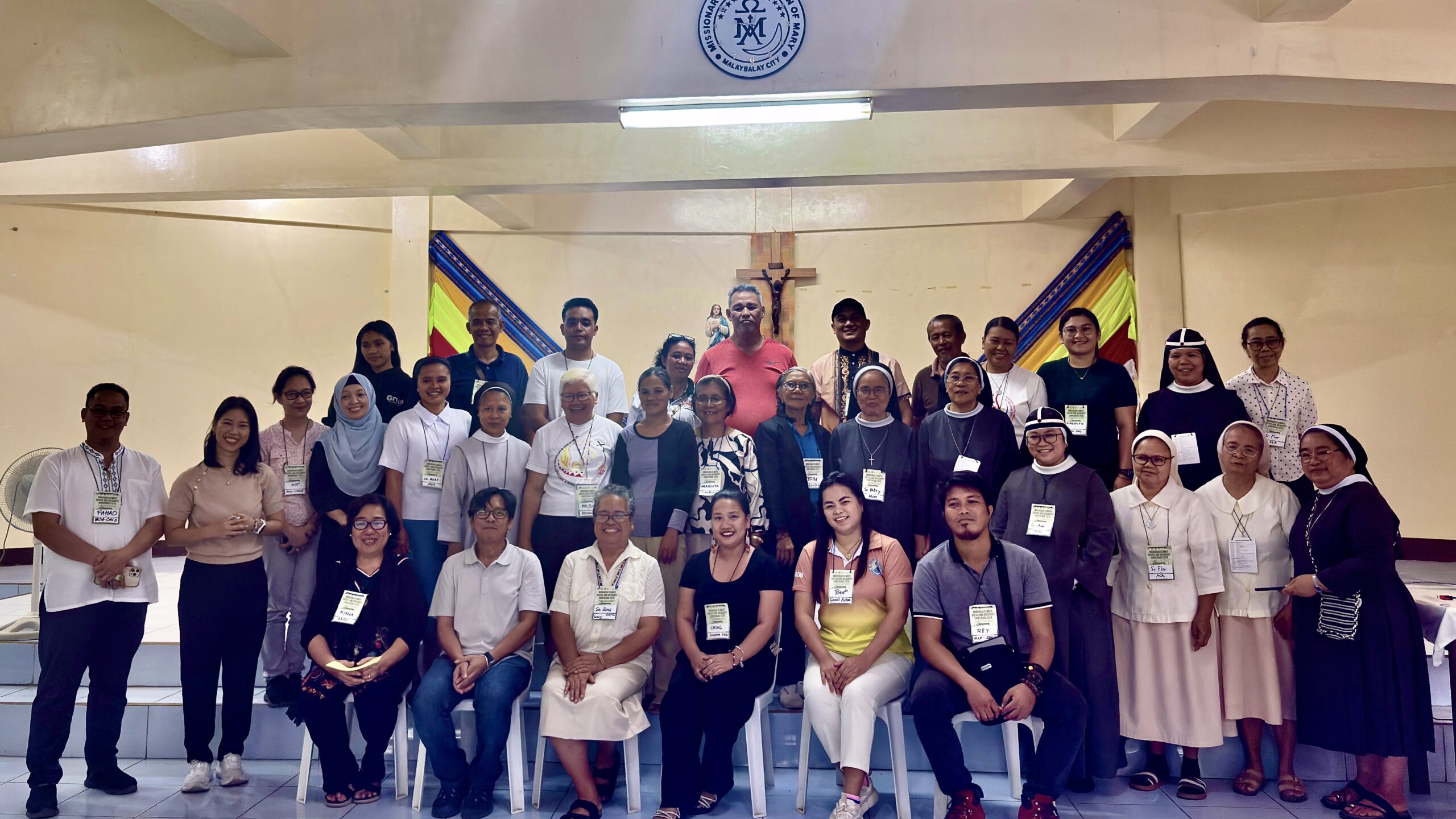
Participants then divided into three workshop tracks designed to deepen shared capacities for the struggles ahead.
1. Mental Health & Collective Care
Led by Dr. Reggie Pamugas, a human rights psychiatrist and mental-health practitioner, the workshop explored how displacement, militarization, poverty, and ecological loss generate layered traumas across generations.
Participants practiced:
- trauma-informed accompaniment
- Psychological First Aid
- collective stress mapping
- creating culturally rooted, faith-informed community care circles.
The group committed to sustaining cross-community care circles beyond the conference—recognizing that solidarity requires not only activism, but also healing.
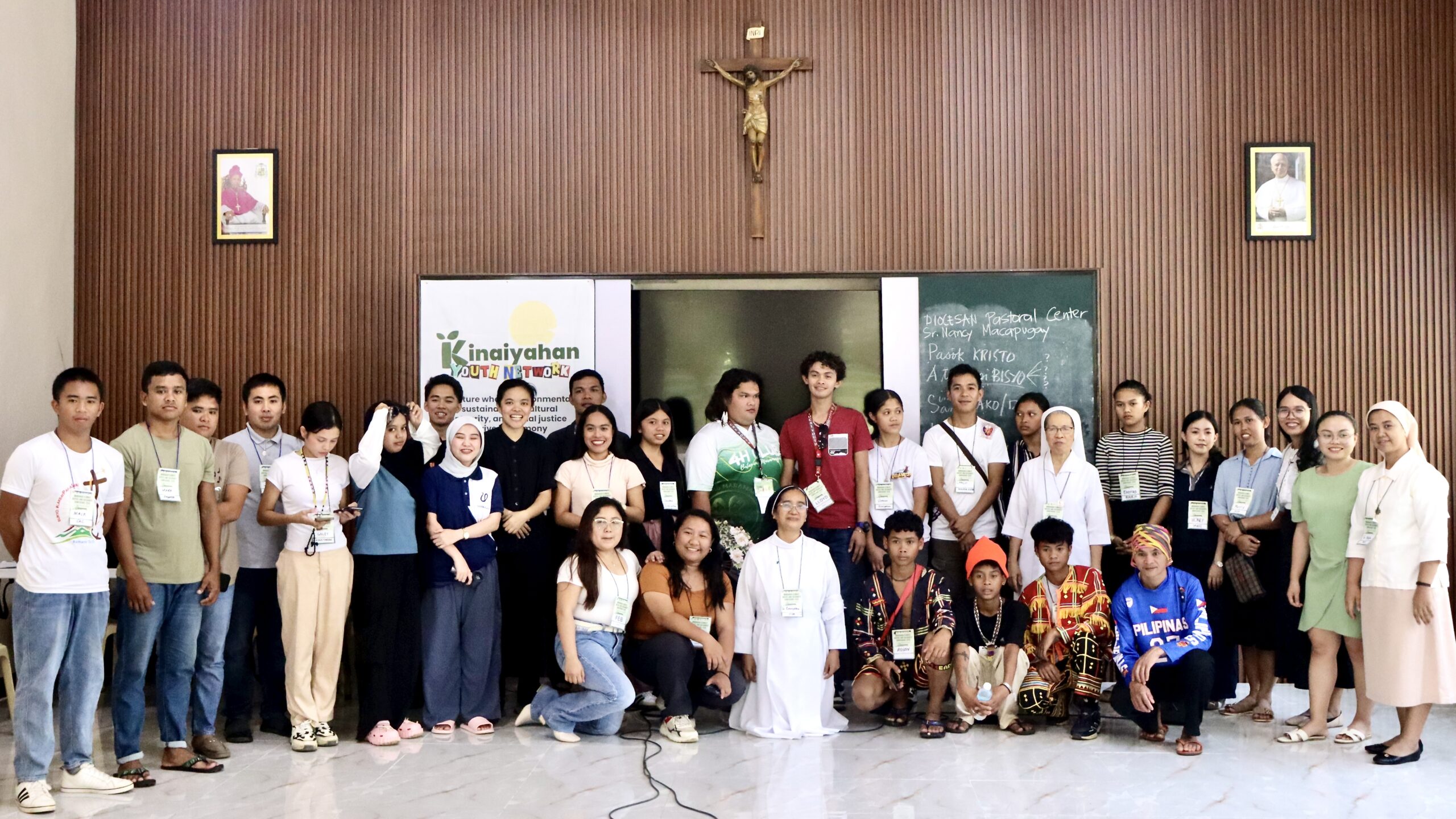
2. Kinaiyahan Youth Assembly
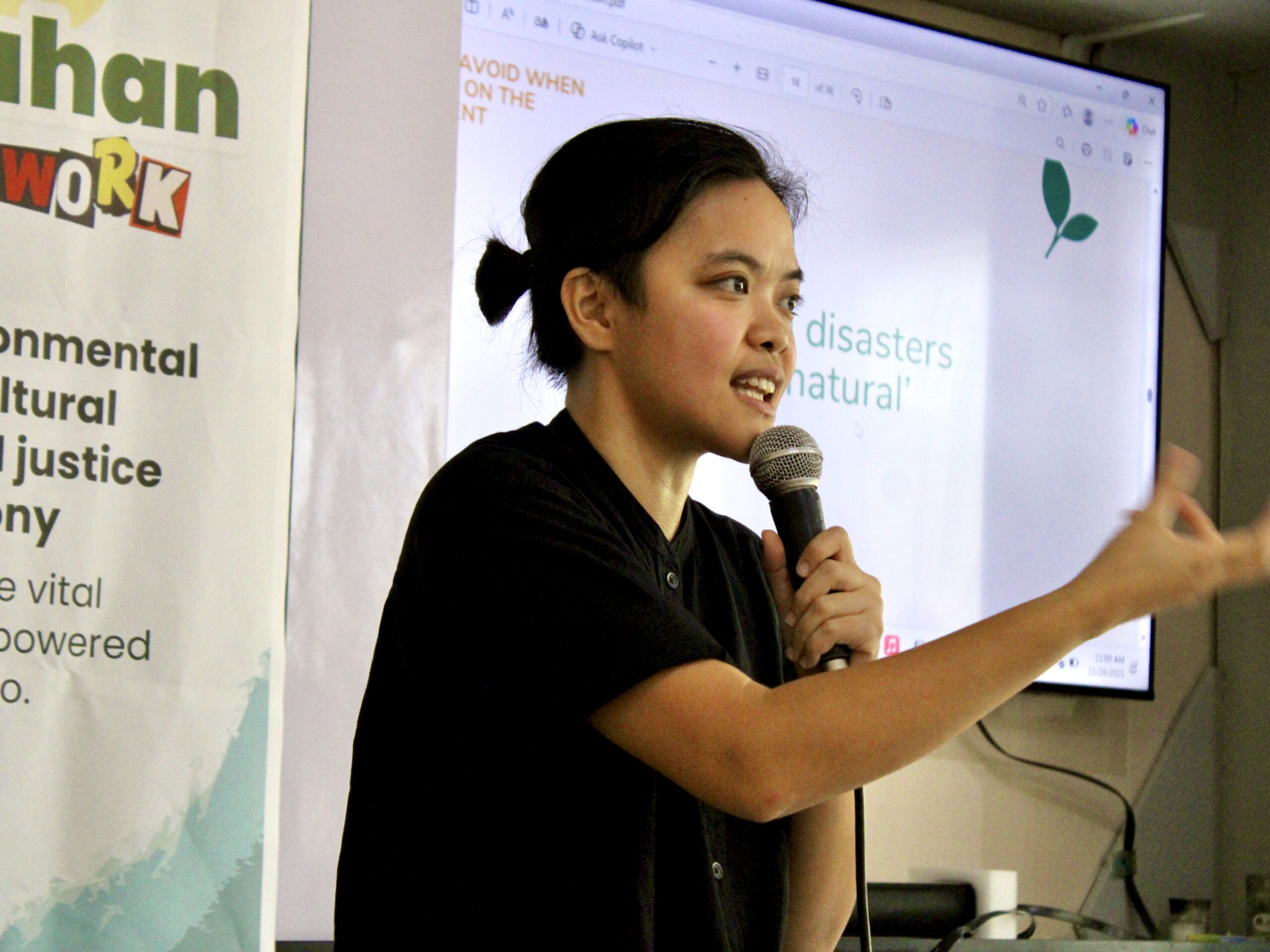
The youth assembly opened with an MCJ-led module on Citizen Journalism & Combating Disinformation, equipping young organizers to:
- document community realities
- confront false narratives
- reclaim digital spaces for truth and justice
They reviewed the Kinaiyahan Orientation, updated their Constitution & By-Laws, and elected Mindanao-wide officers. The Bukidnon and Marawi chapters consolidated plans and committed to quarterly convenings and coordinated actions for 2026.
The assembly closed with a shared affirmation:
Youth are not future leaders—they are leaders now.
3. Legal & Advocacy Workshop
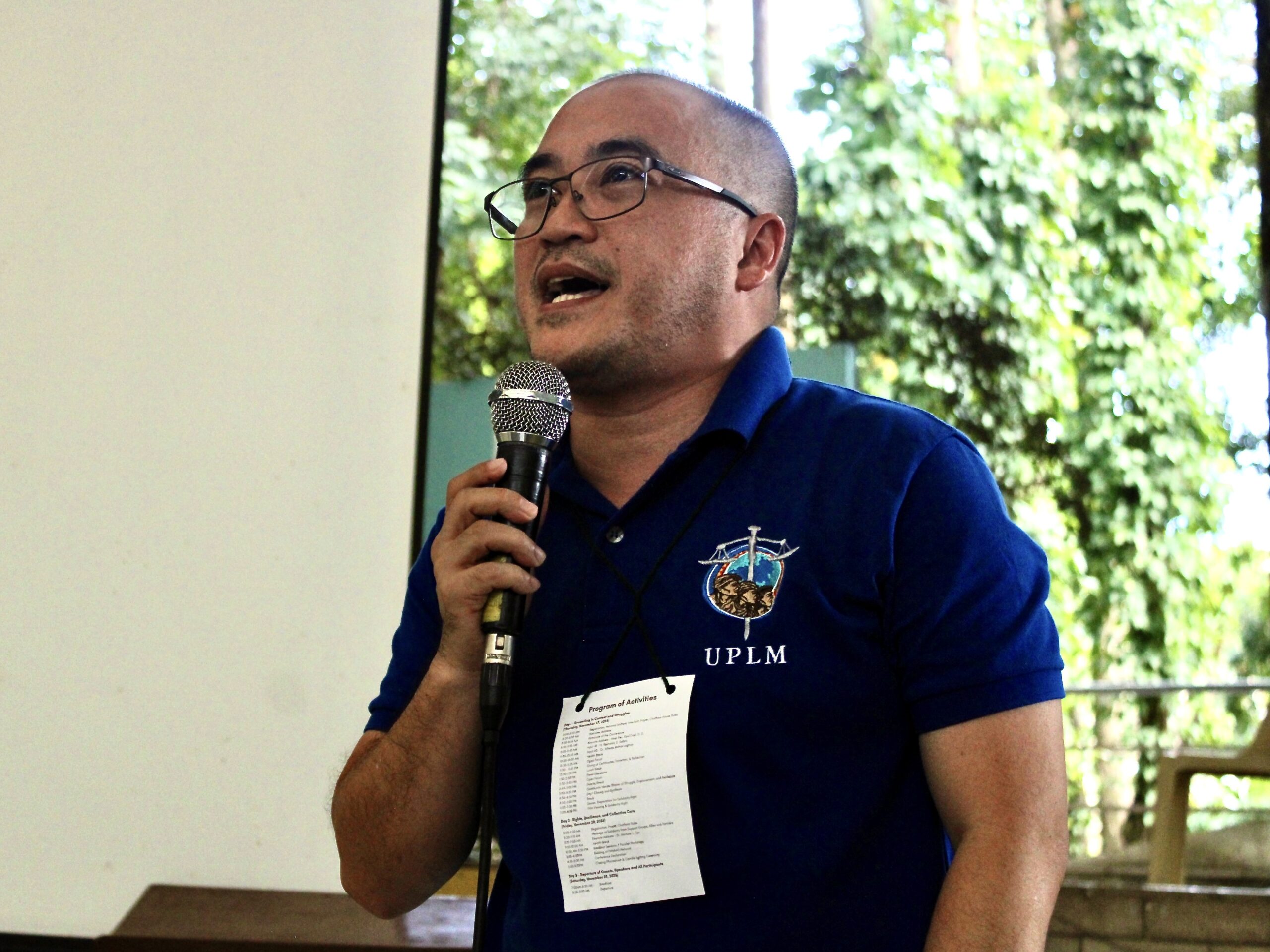
Grounded in an MCJ overview of the relationship between legal action and community mobilization, the session emphasized that cases alone cannot protect communities—they must be paired with organized people’s power.
Atty. Thaddeus Tuburan (UPLM) facilitated the intake of community case profiles, identifying patterns of:
- land grabbing
- harassment
- militarization
- criminalization of defenders
The intake produced a preliminary map of cases for coordinated follow-up by PANAAD, signaling stronger legal accompaniment in the coming months.
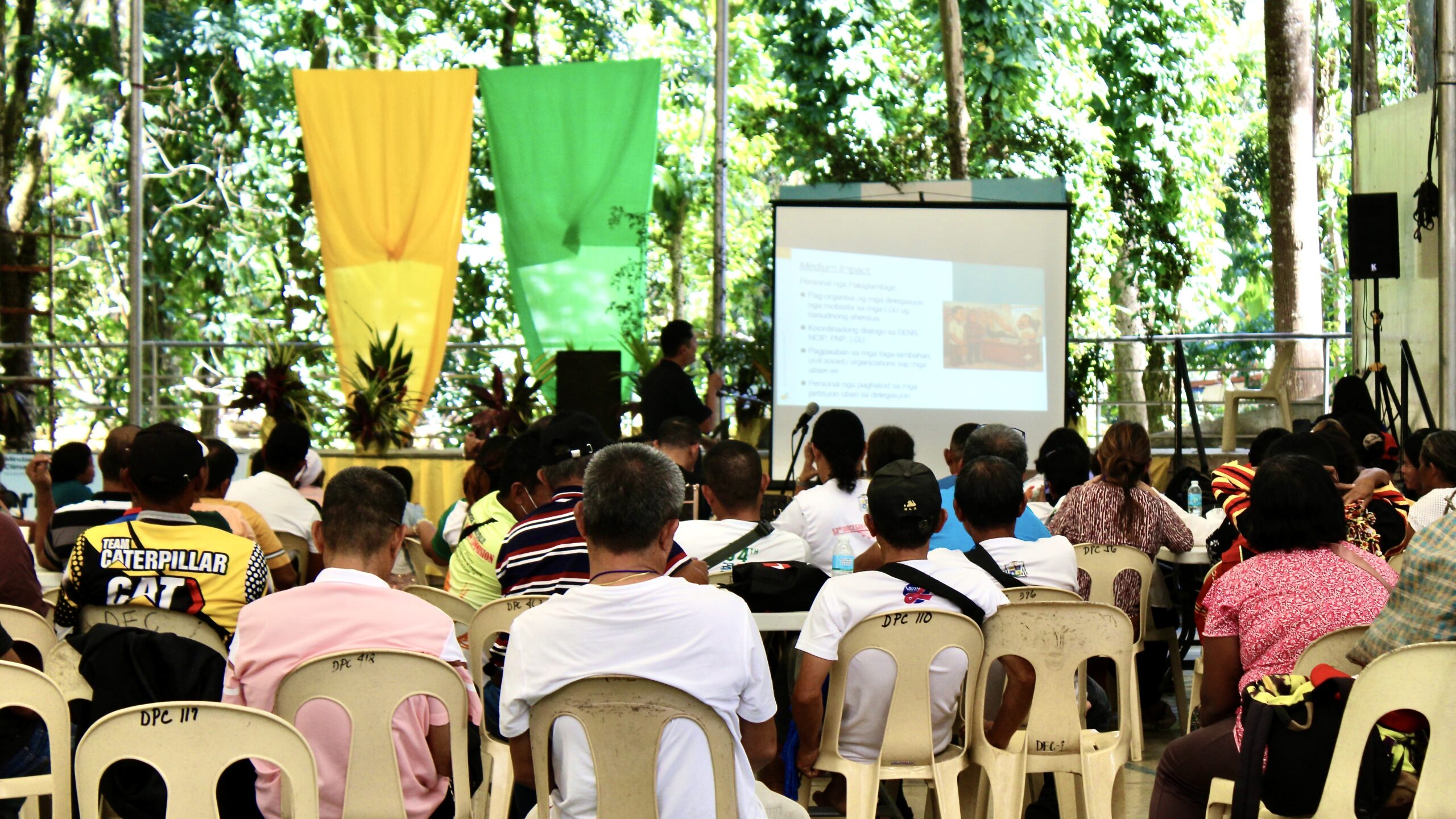
Launching the PANAAD Network & Reading of the Bukidnon Declaration
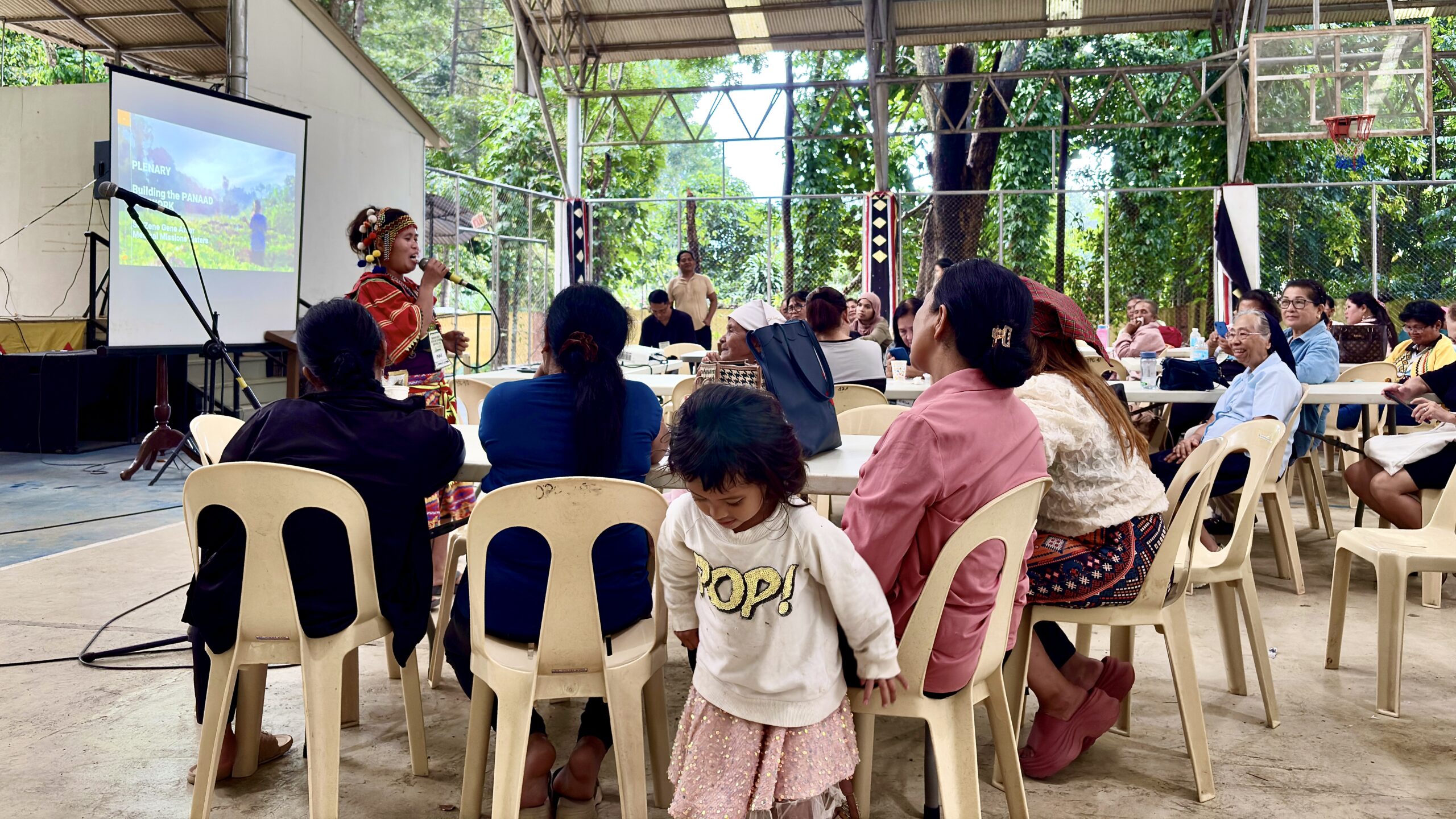
After the workshops, participants reconvened for a pivotal collective step: the formal launching of the PANAAD Network—a multisectoral formation offering:
- rapid response
- legal support
- psychosocial care
- interfaith accompaniment
- coordinated advocacy
Sr. Zeny Jean Amar opened the launch, grounding it with a clear call:
“If yesterday we heard their cries, today we must live out our responsibility.”
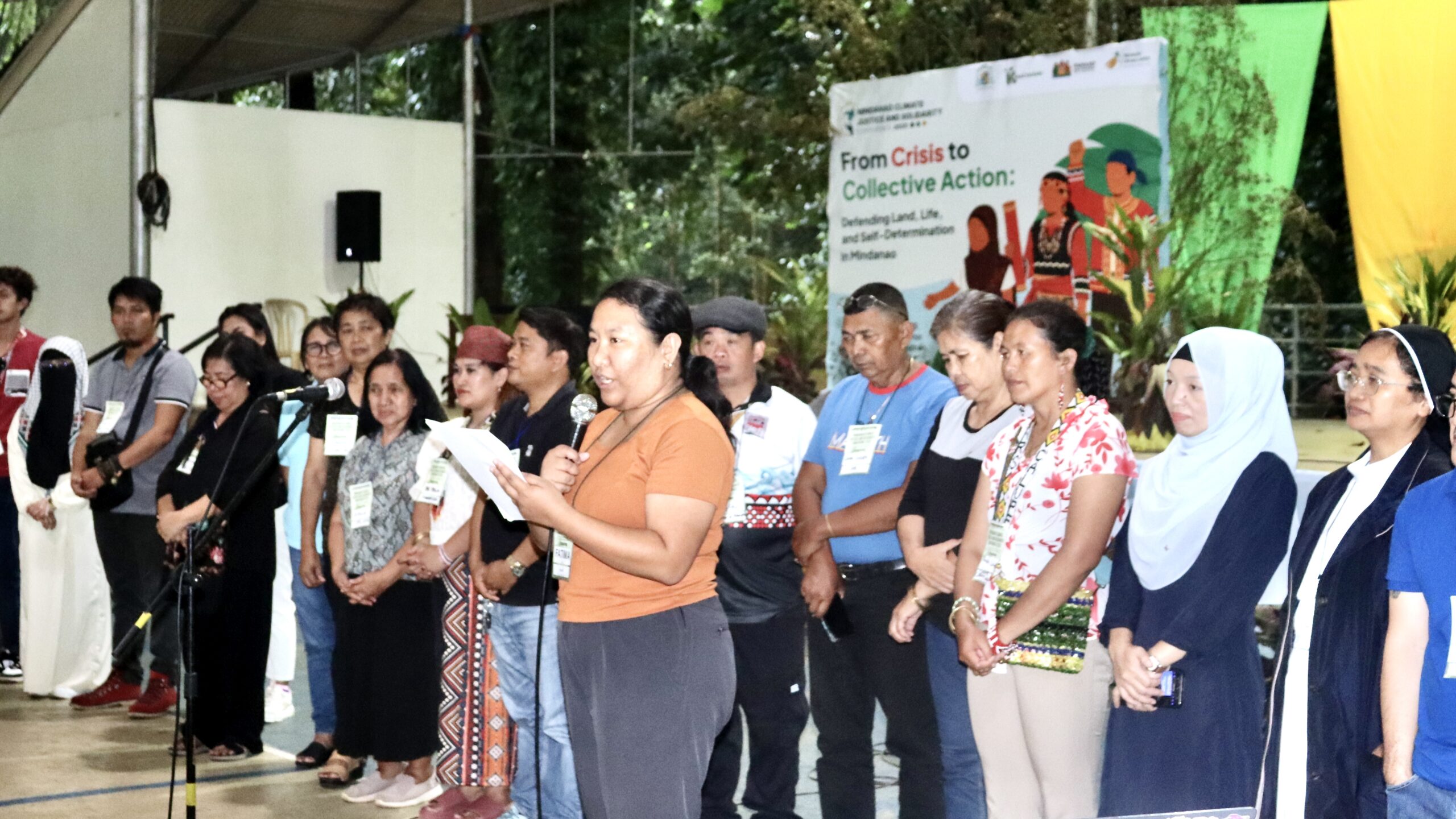
The plenary then listened to the Bukidnon Declaration, a product of testimonies, research, prayer, and dialogue.
The Declaration affirms that:
- climate change intensifies historic injustices in Mindanao
- Indigenous governance holds ecological wisdom essential for resilience
- women, youth, and elders are central to the struggle
- memory, ritual, and faith are sources of collective strength
It commits participants to:
- defend land, life, and self-determination
- strengthen the PANAAD Network
- expand youth organizing and truth-telling
- deepen community-based mental health and care
- resist red-tagging and harassment
- demand dignified return for displaced families
- uphold Lumad and Bansamoro rights
- ground climate action in science and Indigenous knowledge
Its final line rang across the hall:
“No community should face these converging crises alone.”
The Symbolic Action
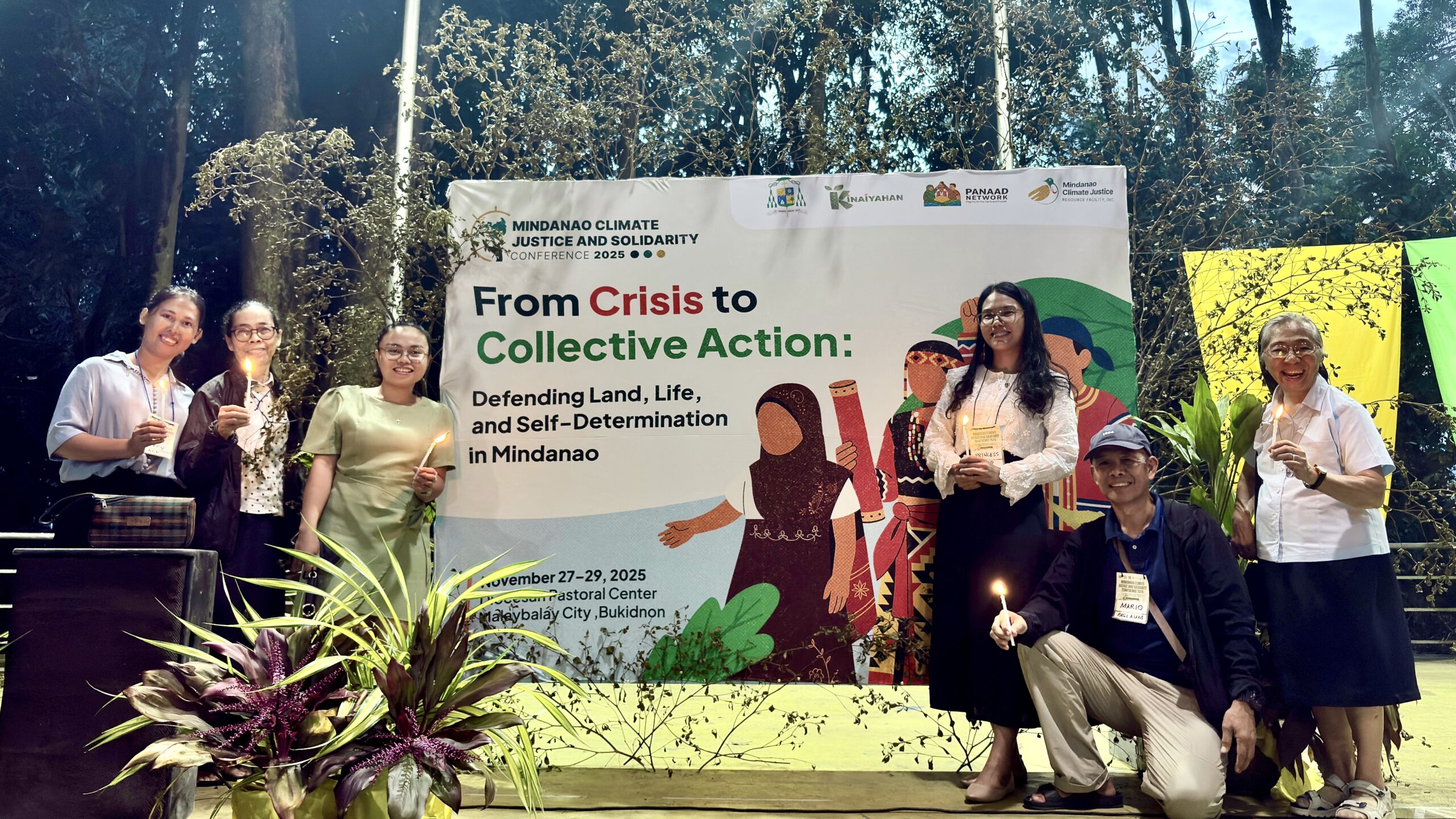
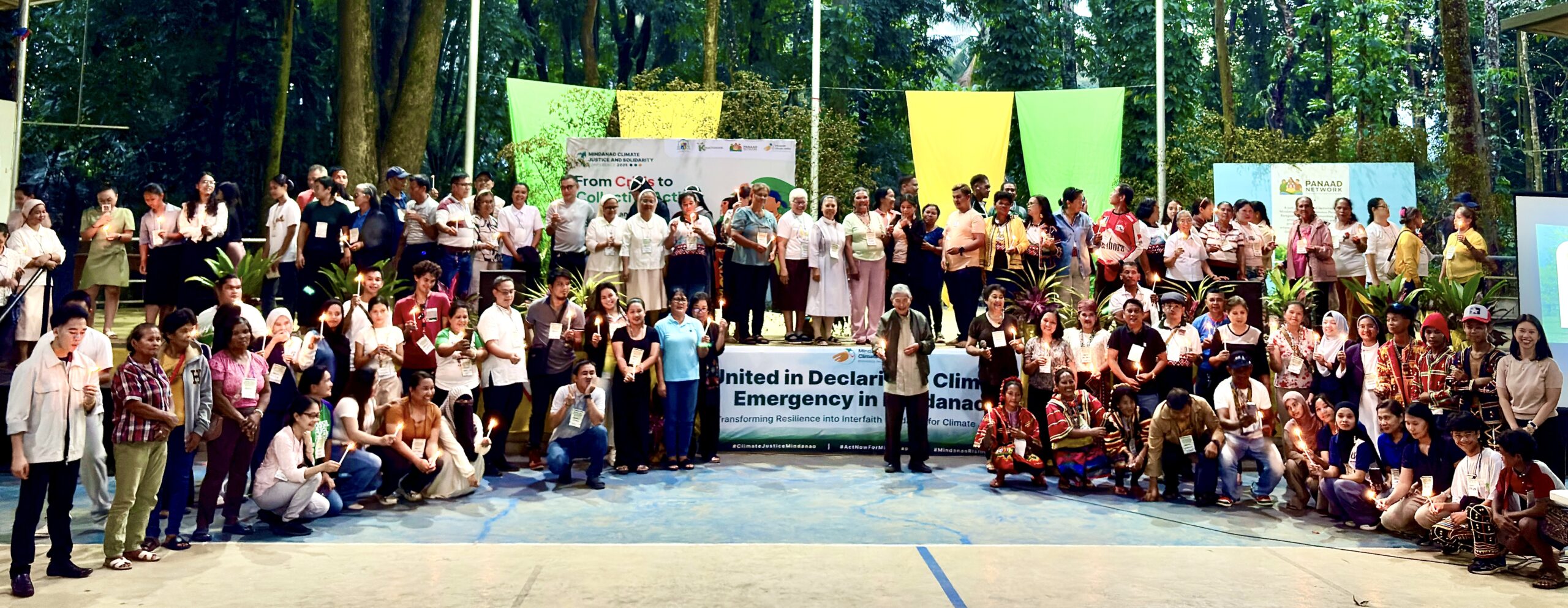
The declaration culminated in a candle-lighting rite. Delegates raised their candles and spoke in unison:
“Panaad ko, Panaad nato — magkahiusa ta.”
My vow, our vow — let us stand united.
In that moment, a shared covenant took shape—rooted in responsibility, hope, and collective commitment.
Day 3: Departing With Renewed Commitment
The final morning offered space for pastoral accompaniment, reflection, and informal planning circles among lay workers, youth organizers, and community representatives.
Delegates discussed next steps and deepened emerging alliances, recognizing that real climate justice work begins when the conference ends.
Participants left Malaybalay carrying:
- shared clarity,
- strengthened networks, and
- a renewed determination to uphold land, life, and self-determination.
They departed knowing that while the crises are immense, collective action makes the path forward possible.
A Movement Renewed
The Mindanao Climate Justice & Solidarity Conference 2025 stands as a testament to what communities, Church workers, and civil society can build when they act together.
As participants prepared for their journeys home, one line echoed again and again:
“Padayon is not just to continue— it is to continue together.”