Defend Pulangi and Lake Lanao: Stop Dams and Privatization
Statement of Mindanao Climate Justice (MCJ)
International Day of Action for Rivers — 14 March 2026
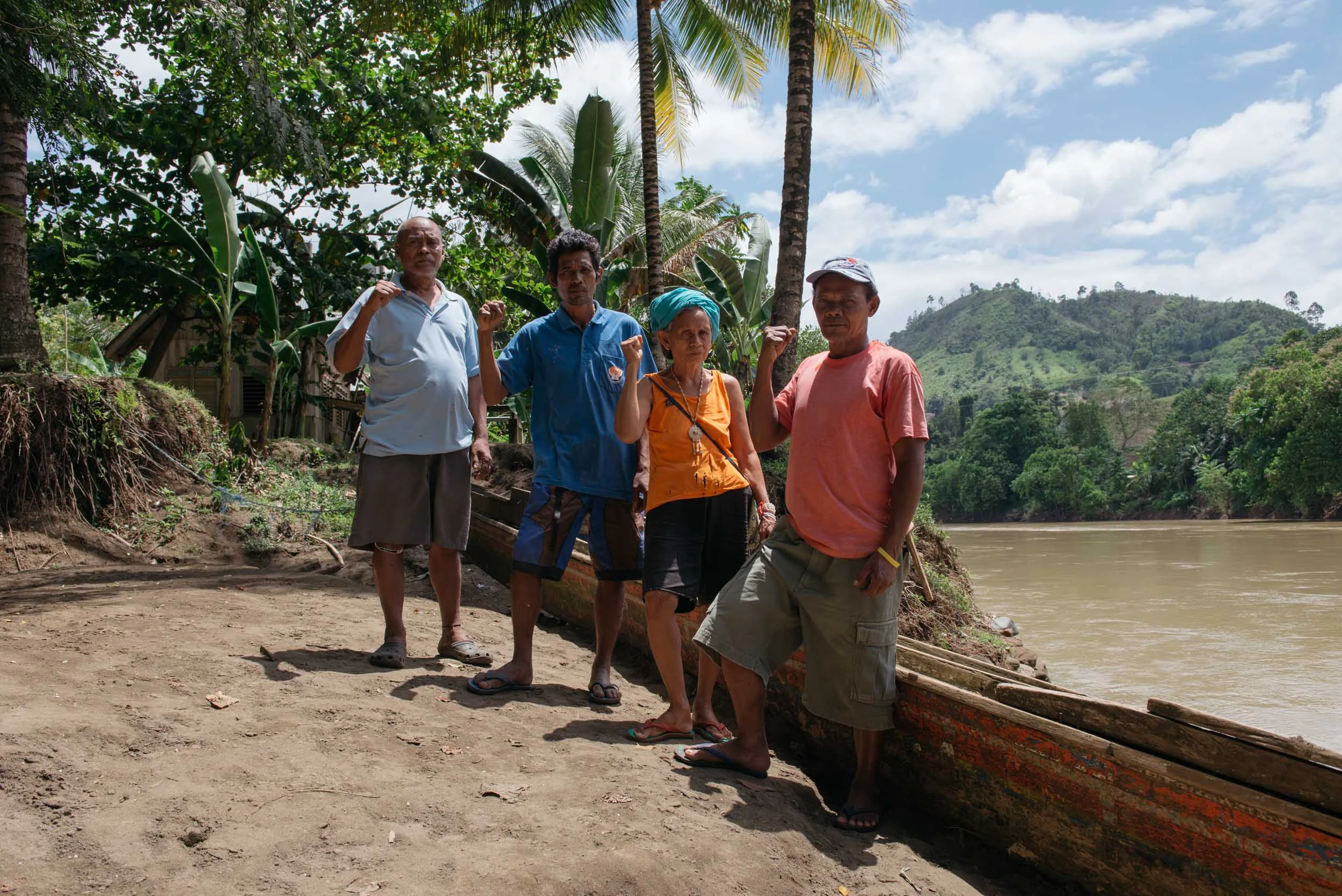
Photo: Pau Villanueva
Across Mindanao, many communities are already feeling the consequences of damaged rivers and forests — stronger floods, polluted water sources, and growing threats to land and livelihoods. Rivers that once sustained farms, fisheries, and forests are increasingly under pressure from dam expansion, plantation-driven deforestation, pollution, and the privatization of public hydropower systems under the Electric Power Industry Reform Act of 2001 (EPIRA).
On the International Day of Action for Rivers, Mindanao Climate Justice (MCJ) calls attention to how these pressures are reshaping the island’s river systems. What is happening to Mindanao’s rivers is not simply the result of natural forces. It is the outcome of policies and projects that open forests, rivers, and energy systems to corporate control while communities carry the environmental and social costs.
Bukidnon — often called the headwater province of Mindanao — shows how serious the situation has become. Six of the island’s major river systems originate in its mountains, and roughly 94 percent of the province functions as watershed, supporting ecosystems and communities across Mindanao. Environmental assessments by the Environmental Science for Social Change (ESSC) indicate that around 65 percent of Bukidnon’s uplands have already been denuded.
When forests disappear, rivers change. Water flows faster from the mountains, soil erodes into rivers, and floods become more destructive downstream. With climate change bringing stronger rainfall and more extreme weather, damaged watersheds leave many communities increasingly vulnerable.
At the center of this struggle is the Pulangi River, whose name comes from the Manobo word Empamulangi — “the river at the heart of Mindanao.” Rising in the Pantaron Mountain Range, the river flows through ancestral territories of Lumad communities who have long defended their forests and watersheds.
The river already hosts the Pulangi IV Hydroelectric Power Plant, a 255-megawatt facility. Yet new hydropower projects continue to be pushed in the watershed, including the proposed Pulangi Hydropower Project V, a megadam long opposed by Lumad communities because it threatens to submerge villages, ancestral lands, and farming areas.
Further downstream, the Agus hydropower system draws water from Lake Lanao, the heart of the Maranao ancestral homeland and a source of livelihood, culture, and identity for the Maranao people. Together, Agus and Pulangi form the Agus–Pulangi hydroelectric complex, capable of producing around 1,000 megawatts of electricity for the Mindanao grid.
Under EPIRA, these public power facilities are subject to privatization through the Power Sector Assets and Liabilities Management Corporation (PSALM). Many communities and advocates warn that transferring Agus–Pulangi to private operators would place control over one of Mindanao’s most important river systems — and the electricity it produces — in corporate hands.
At the same time, pollution is worsening the crisis. According to the Department of Environment and Natural Resources (DENR), 180 of the country’s 421 major rivers are heavily polluted, while about 50 are already biologically dead. In Bukidnon, Environmental Management Bureau (EMB) tests in the Dila River have detected unsafe levels of fecal coliform and phosphates linked to livestock waste and agricultural runoff from large plantations.
“Mindanao’s rivers are increasingly treated as sources of energy and profit,” MCJ said. “But for Lumad and Bangsamoro communities, farmers, fishers, and downstream towns, they are sources of life. When rivers are dammed, polluted, or privatized, it is the people who carry the costs.”
Communities across Mindanao have long defended their forests, rivers, and ancestral lands. MCJ calls on citizens, churches, civil society groups, and policymakers to stand with them in protecting watersheds, upholding Indigenous Peoples’ rights to ancestral domains, opposing destructive dam projects, and ensuring that water and energy systems serve the public good.