Women Across Generations Defending Land, Life, and Climate Justice in Mindanao
“Climate justice is impossible without women’s leadership.”
Along a stretch of highway in Bukidnon, rows of makeshift shelters stand beside the road. Tarpaulins and scrap wood form fragile homes for families who once lived deep within the forests of their ancestral land.
For nearly eight years, displaced Manobo-Pulangiyon families have lived here—beside speeding trucks and exposed to the elements. They were forced out of their ancestral territory in Sitio Kiantig, Quezon, Bukidnon. Today nearly 1,500 families remain in roadside encampments along the Damulog–Kibawe highway, separated from the farms, forests, and rivers that once sustained their livelihoods.
Inside these temporary shelters, women sustain their communities.
They cook meals over small fires, care for children and elders, organize community meetings, and continue the long struggle to reclaim the land from which they were forcibly displaced. For them, the fight for justice is not an abstract political issue—it is woven into everyday survival.
Across Mindanao, women—from community elders to young leaders—are confronting overlapping crises: land dispossession, armed conflict, environmental degradation, and the growing impacts of climate change.
Yet they are also building movements that defend land, protect ecosystems, and sustain hope.
On International Women’s Day 2026, Mindanao Climate Justice highlights the leadership of women across generations within Mindanao’s tri-people society—Lumad Indigenous peoples, Moro communities, and Christian communities—whose struggles continue to shape the fight for climate justice across the island.
Lumad Women Defending Ancestral Lands
In Sitio Kiantig, Quezon, Bukidnon, the struggle for climate justice begins with the defense of ancestral land and forests that have sustained Indigenous communities for generations.
Among the leaders of this struggle is Bae Cheryl Anglao, a Manobo-Pulangiyon woman whose community has been displaced since 2017, when guards of a private agribusiness plantation forced families out of their ancestral domain.
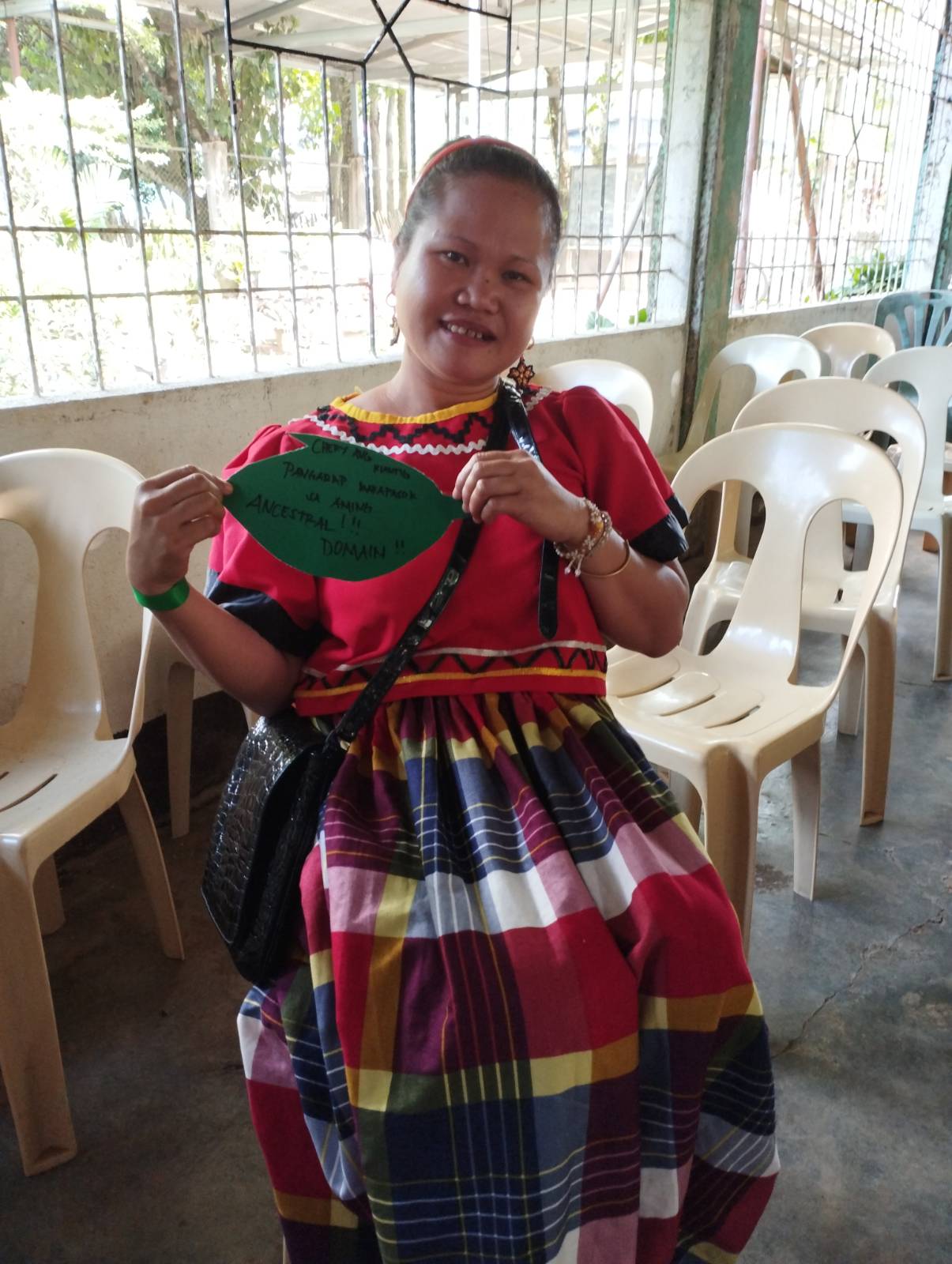
Today nearly 1,500 Manobo-Pulangiyon families remain stranded along the Damulog–Kibawe highway, where life beside the road is dangerous and uncertain. Children sleep only meters away from speeding trucks, and several residents—including elders and young people—have already been injured or killed in road accidents since the community was forced to live beside the highway.
For Bae Cheryl and other Lumad women leaders, the struggle is not only about returning to their land—it is also about protecting ecosystems that sustain life across Mindanao.
The ancestral territory of the Manobo-Pulangiyon lies within the Pulangi River watershed, a vital ecological system that supports agriculture, water systems, and livelihoods across large parts of central Mindanao. When forests within this watershed are cleared or converted, the environmental consequences extend far beyond Indigenous communities.
Across Mindanao, Indigenous territories face increasing pressure from large-scale plantations, mining projects, and infrastructure expansion, many of which overlap with ancestral domains and threaten forests, rivers, and biodiversity.
For Lumad communities, defending ancestral land also means protecting the forests, watersheds, and ecosystems that sustain life—not only for their own communities, but for the wider region.
Moro Women Rebuilding Communities After Conflict
In Marawi City, Moro women continue the long and difficult work of rebuilding their communities after the devastation of the 2017 Marawi Siege.
Among them is Hanifah Macaayao Pangcoga, a community leader and member of the Council of Leaders of the Reclaiming Marawi Movement, which represents families displaced by the conflict that destroyed much of the city.
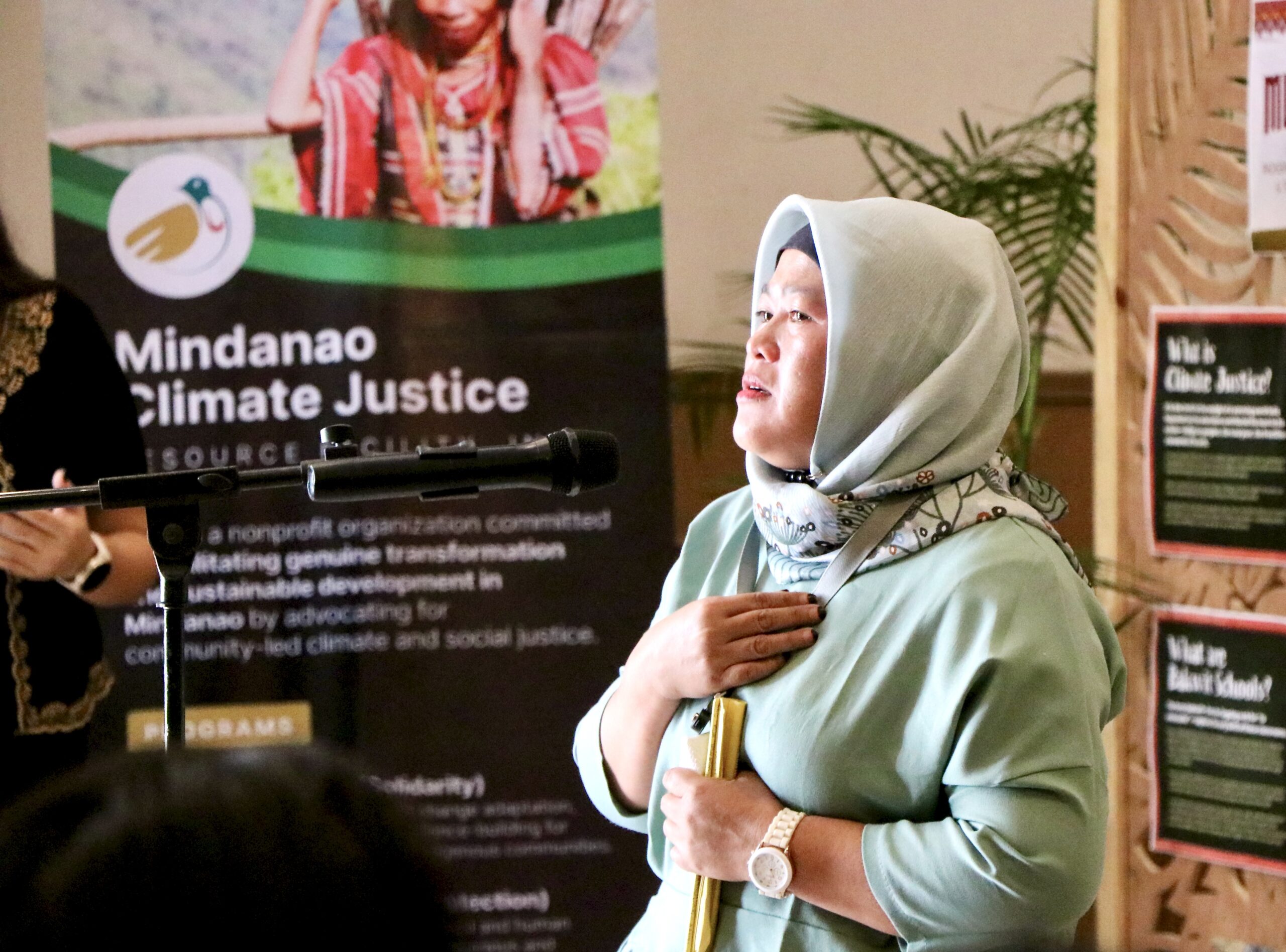
At the height of the siege, the fighting displaced more than 350,000 residents, making it one of the largest urban displacements in recent Philippine history.
Years later, many families still live in temporary shelters or relocation sites while waiting for a rehabilitation process that is just, inclusive, and responsive to the needs of those who lost their homes and livelihoods.
Hanifah has consistently raised the voices of internally displaced persons in public forums and policy discussions. She emphasizes that families who lost their homes must be at the center of decisions about Marawi’s reconstruction.
She has also advocated for the effective implementation of the Marawi Compensation Law, which seeks to provide financial support to residents whose homes and livelihoods were destroyed during the conflict.
Within her community, Hanifah serves as the environment and social safeguards focal person under UN-Habitat. She also works with SINDAW, a women’s organization supporting displaced women and their children.
Her leadership reflects the vital role of Moro women not only in rebuilding communities, but also in continuing the struggle for justice, accountability, and an inclusive recovery for Marawi’s displaced families.
Young Indigenous Women Carrying the Struggle Forward
The defense of land, culture, and education is now being carried forward by a new generation of Indigenous women leaders.
Among them is Angelika L. Moral, a young Blaan woman who serves as Indigenous Youth Coordinator of the Save Our Schools Network – Mindanao.
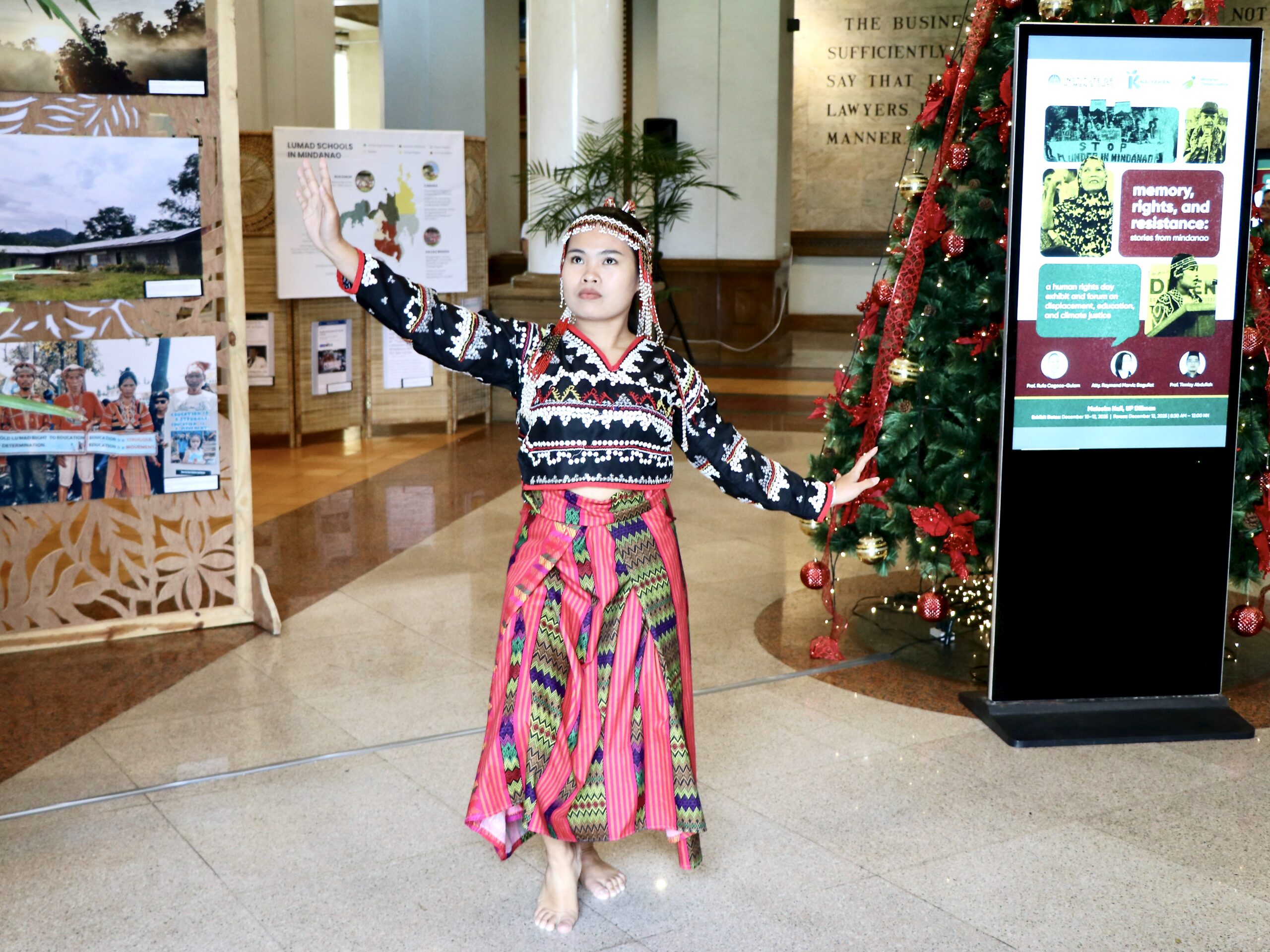
As a former student of a Lumad community school, Angelika experienced firsthand how education rooted in Indigenous knowledge strengthens community resilience, cultural identity, and environmental stewardship.
Lumad schools emerged in response to the lack of accessible education in remote Indigenous communities. Yet many of these schools have faced closures amid militarization, red-tagging, and political repression.
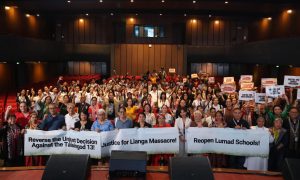
Angelika later became a key witness in the Talaingod 13 case, courageously testifying that teachers accused of “child abuse” had in fact protected and supported students like her when Lumad families fled militarization in their communities.
Despite harassment and threats, she continues organizing youth learning circles, cultural programs, and advocacy initiatives that reach hundreds of Indigenous young people.
For Angelika and many Lumad youth, defending education is inseparable from defending their land, culture, and the future of their communities.
Young Women Leading Climate Justice Movements
Across Mindanao, a new generation of young women is helping carry forward the struggle for climate justice.
The Kinaiyahan Youth Network brings together youth advocates working to defend the environment through community organizing, environmental education, and grassroots campaigns.
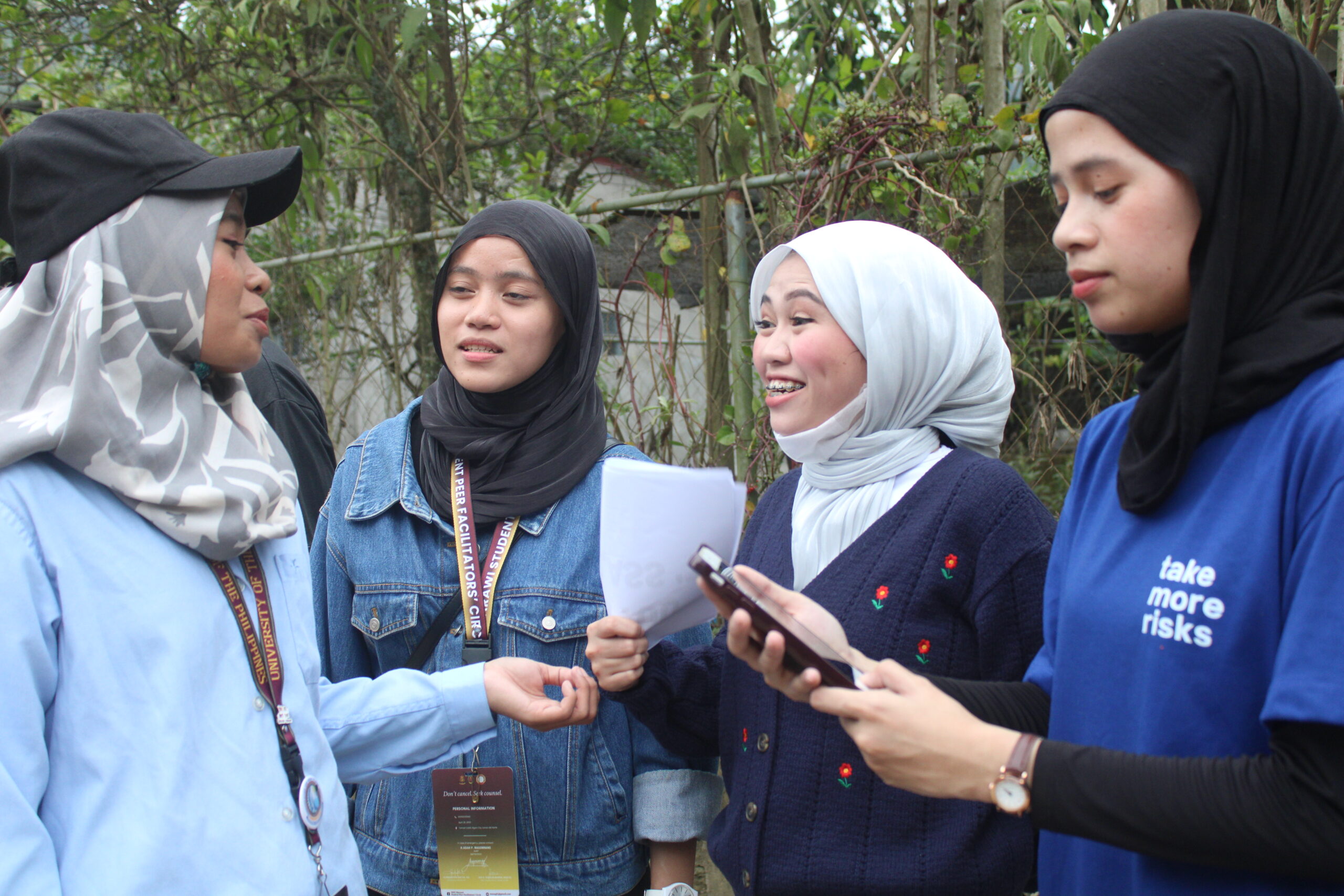
Young organizers facilitate learning circles, climate awareness discussions, citizen journalism trainings, and environmental advocacy initiatives in both rural communities and urban spaces.
Many of its organizers are young women who connect climate action with broader struggles for Indigenous rights, social justice, and sustainable livelihoods.
The urgency of their work is clear. The Philippines consistently ranks among the countries most vulnerable to climate-related disasters, and Mindanao has experienced stronger typhoons, floods, and droughts that threaten agriculture, water systems, and food security.
Through organizing, education, and advocacy, youth networks like Kinaiyahan are mobilizing a new generation to protect ecosystems and advance climate justice across Mindanao.
Women Leading Climate Justice Initiatives
Women leaders are also helping strengthen climate justice movements that connect community struggles, research, and advocacy across Mindanao.
One of them is Victoria Nolasco, Executive Director of Mindanao Climate Justice, who has long supported Indigenous education, environmental protection, and the safety of environmental and human rights defenders.
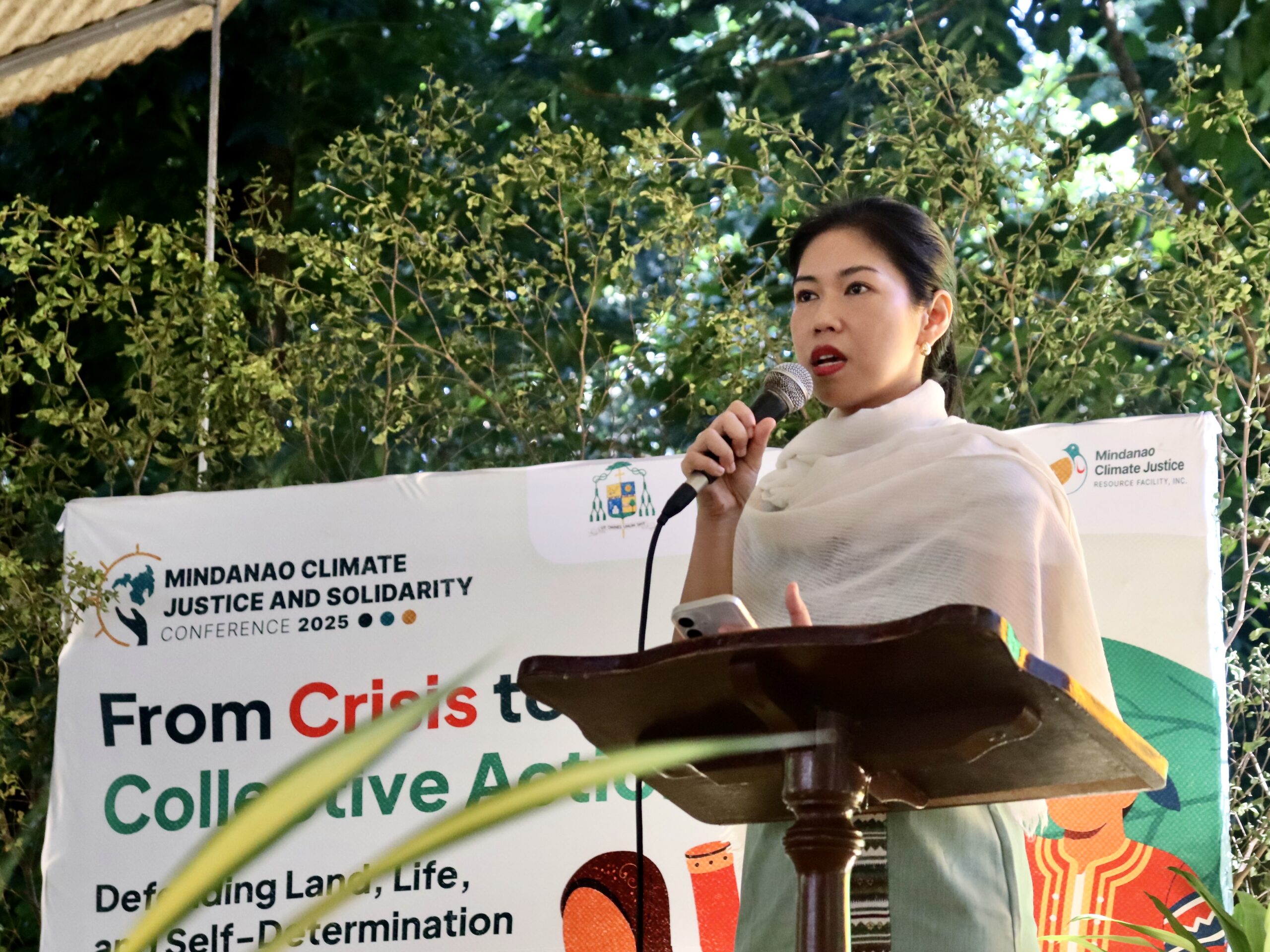
An educator and environmental advocate who has worked closely with Indigenous communities, Nolasco has helped advance grassroots initiatives that strengthen community-based education, climate advocacy, and the protection of human rights defenders.
In 2023, she served as a Protective Fellow at the University of York’s Centre for Applied Human Rights, a program that provides temporary sanctuary for human rights defenders facing threats in their home countries.
Her work reflects a broader effort to build networks of solidarity connecting communities, advocates, and organizations working to defend land, ecosystems, and human rights.
As she has emphasized in public discussions on environmental justice:
“The climate crisis does not arrive in an empty space—it strikes communities already displaced, encroached upon, or militarized.”
For Nolasco, meaningful climate action must begin with the voices of those most affected—particularly Indigenous peoples, women, and displaced communities whose lives remain deeply tied to the land.
A Feminist Climate Justice Perspective
Understanding these struggles also requires looking at how environmental crises deepen existing social inequalities.
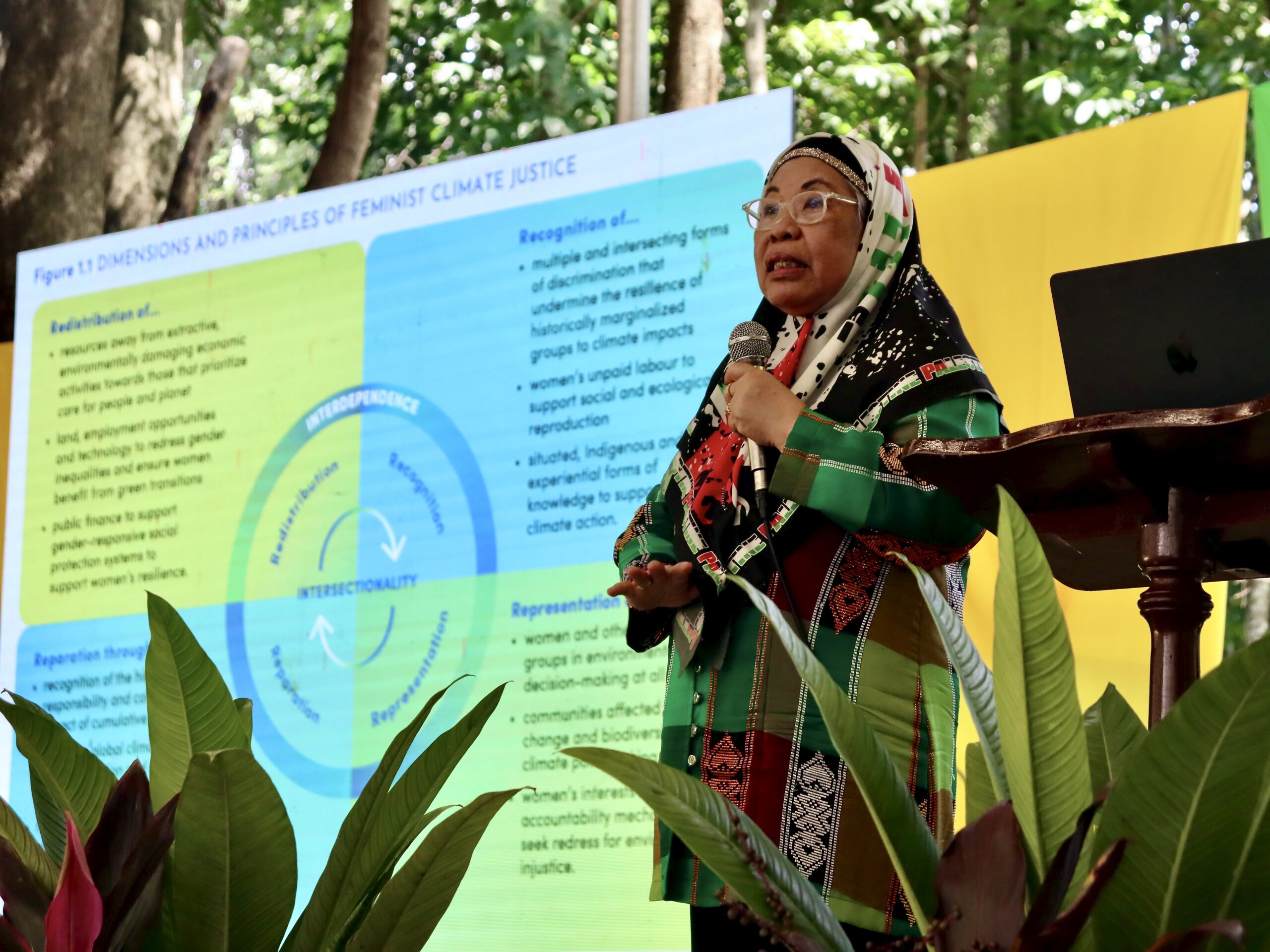
According to Prof. Rufa Cagoco-Guiam, a cultural anthropologist and former professor at Mindanao State University–General Santos, climate change often intensifies inequalities such as poverty, marginalization, and conflict—especially in regions already facing social and political tensions.
Now serving as a member of the Board of Trustees of Mindanao Climate Justice, Prof. Cagoco-Guiam explains that environmental stress in fragile regions can deepen social tensions and create what scholars describe as climate fragility risks.
A feminist climate justice framework therefore calls for:
- Recognizing the intersecting inequalities faced by marginalized communities
- Redirecting resources toward people and ecosystems rather than extractive industries
- Ensuring the participation of Indigenous peoples, women, and displaced communities in decision-making
- Addressing environmental harm and historical injustices
These principles help explain why women—from Lumad land defenders to Moro community leaders and young climate advocates—play such vital roles in shaping climate justice responses across Mindanao.
Culture as Resistance and Ecological Memory
Climate justice in Mindanao is also expressed through culture, storytelling, and music rooted in Indigenous traditions.
Ms. Bayang Barrios, a Manobo artist from Agusan del Sur, has spent decades bringing Indigenous music and storytelling to audiences across the Philippines and beyond. She also serves as a member of the Board of Trustees of Mindanao Climate Justice.
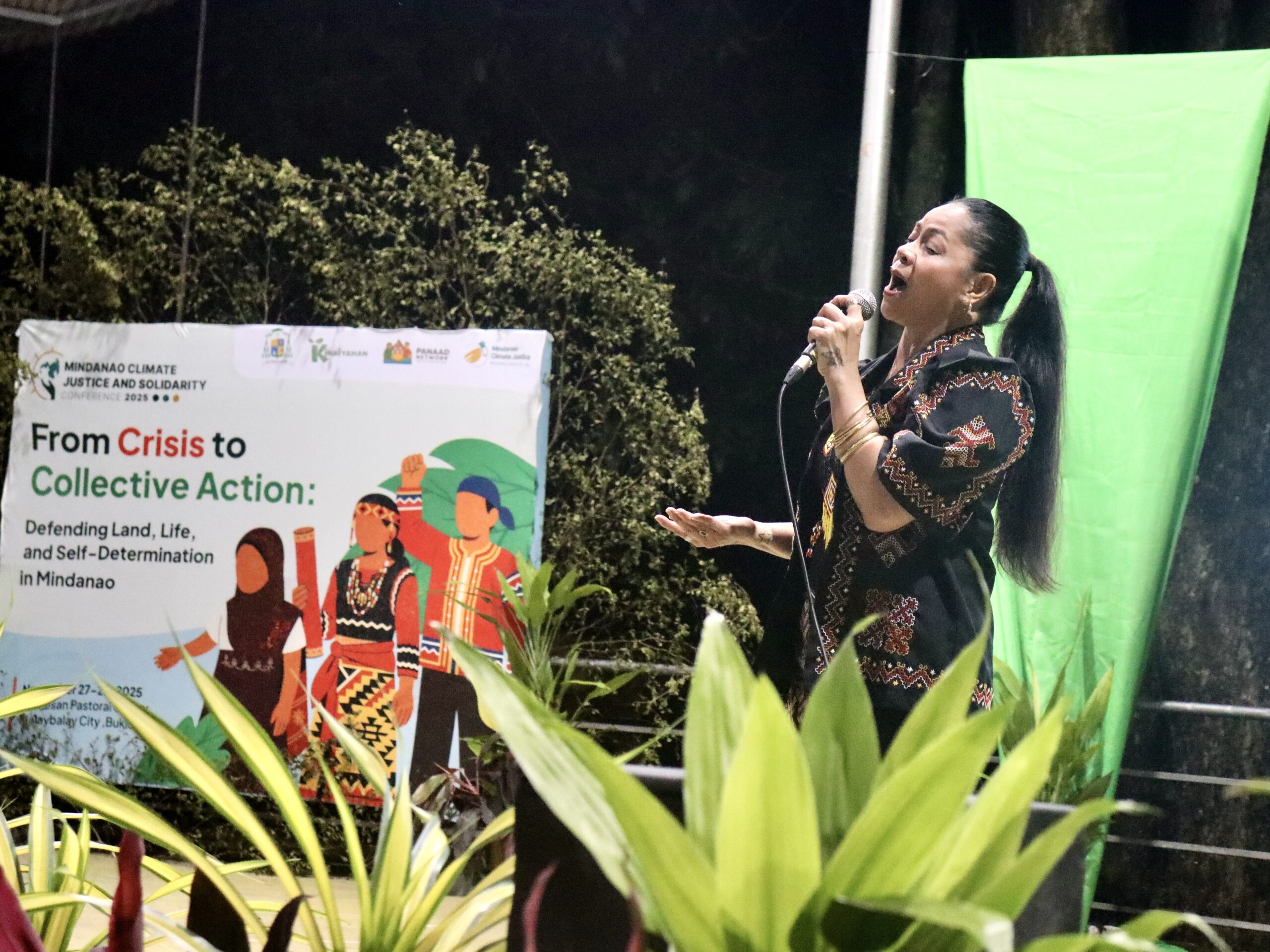
Through chants and rhythms inspired by tribal traditions, she promotes Indigenous rights, peace, and environmental awareness.
Her music carries stories of forests, rivers, and ancestral lands—reminding audiences that Indigenous cultures hold deep ecological knowledge about living in relationship with the land.
In this way, culture becomes both resistance and ecological memory, preserving Indigenous wisdom about caring for the Earth while keeping alive the stories of land, struggle, and community for future generations.
Women of Faith Standing with Communities
Women religious have long stood in solidarity with communities facing displacement, poverty, and environmental injustice across Mindanao.
The Sisters Association of Mindanao (SAMIN) brings together Catholic sisters committed to serving the poor and protecting creation.
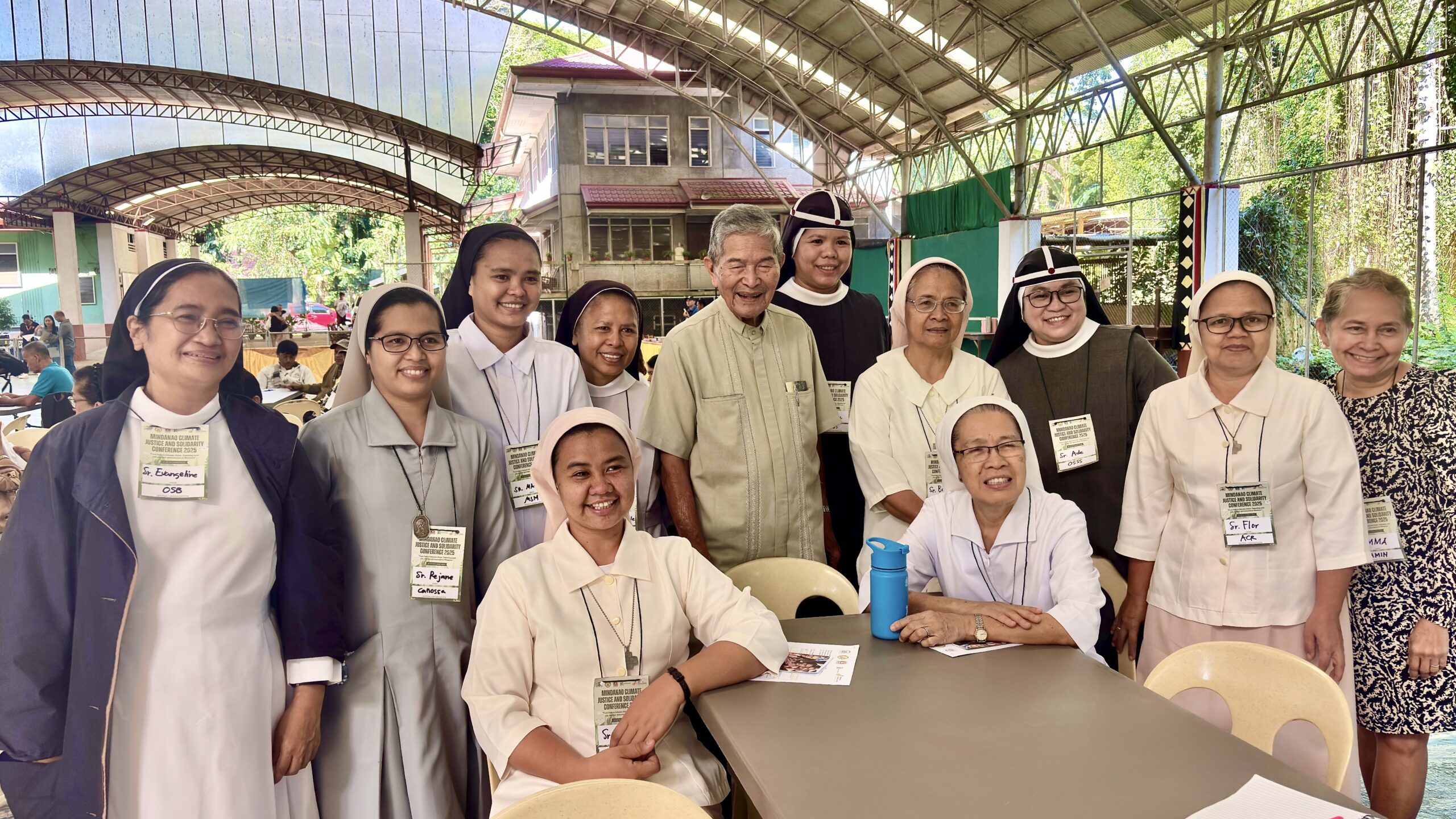
Across the island, the sisters accompany Indigenous peoples, farmers, and displaced families through community engagement, education, humanitarian support, and advocacy for environmental justice. In many communities, they stand alongside those defending their land, supporting families affected by conflict, displacement, and environmental destruction.
Their work reflects a deeply rooted conviction within faith-based movements: that defending human dignity and caring for the Earth are inseparable responsibilities.
Defending the Future Together
The stories of these women—from community elders to young climate advocates—reveal a powerful truth: across Mindanao, women are at the forefront of defending land, life, and the future of their communities.
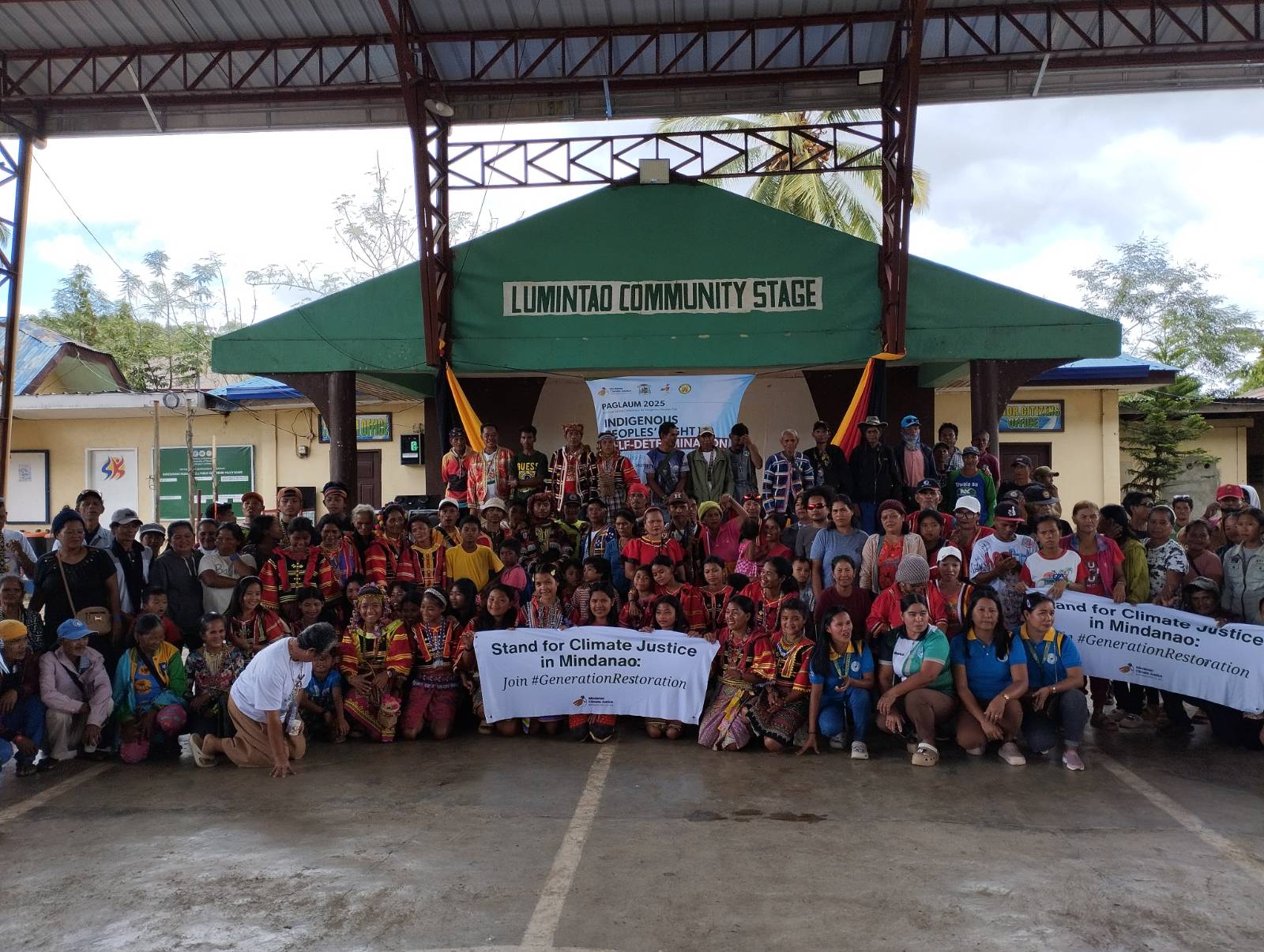
Climate justice is not only about protecting the environment. It is about defending ancestral lands, sustaining cultures, and upholding the dignity of communities whose lives remain deeply connected to the Earth.
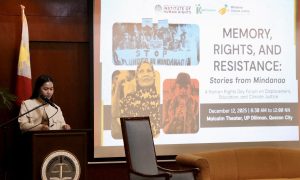
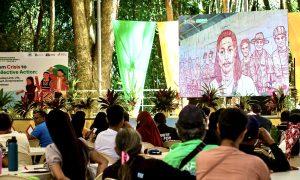
These women and their communities were among those convened during the Mindanao Climate Justice and Solidarity Conference 2025, where Indigenous leaders, community advocates, youth organizers, artists, and faith groups gathered to strengthen collective action for environmental justice across the island.
Their stories reflect a broader movement. Across Mindanao, Lumad defenders protecting ancestral forests, Moro women rebuilding communities after conflict, young women organizing climate movements, artists preserving cultural memory, and women of faith standing in solidarity are shaping a shared vision of justice.
Together, they remind us that meaningful responses to the climate crisis will not come from outside prescriptions alone. They grow from the knowledge, leadership, and resilience of communities who continue to defend their land and their future.
On this International Women’s Day, their voices call on all of us to listen, stand in solidarity, and support the struggles of communities defending their rights, their lands, and the ecosystems that sustain life.
Across the island, women across generations are already defending—and building—the future of Mindanao.