Clean Water, Closer to Home: Supporting Lumad Communities in Bukidnon
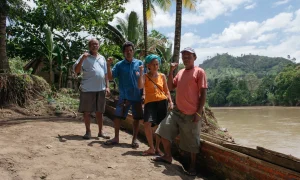
In the upland communities of Bukidnon, water is something people carry home.
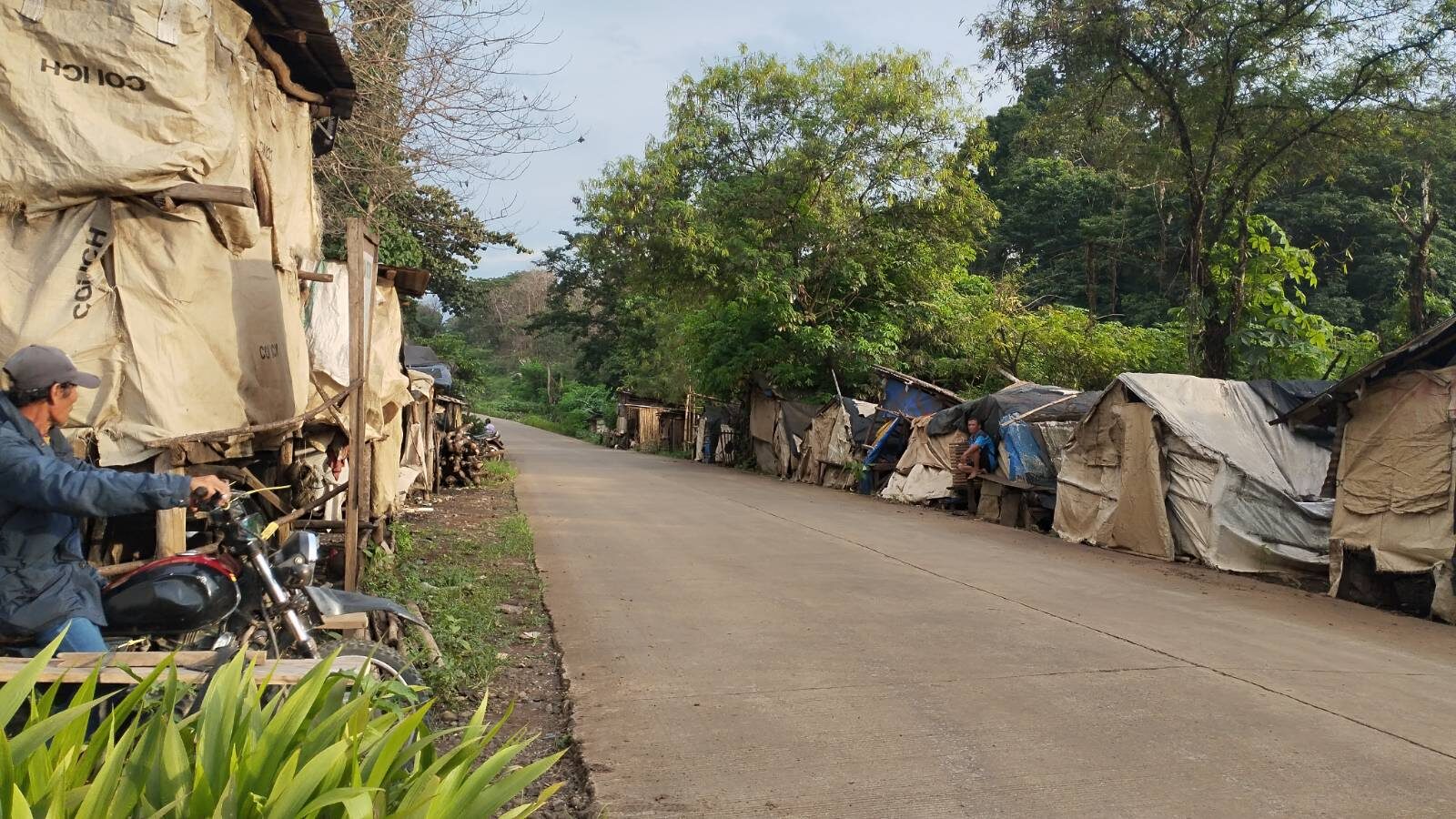
At first light, families set out with containers in hand, walking narrow paths toward rivers and springs. The water they bring back is not always clear. During the rainy season, it turns cloudy—sometimes carrying dirt, sometimes illness. Still, it is what is available.
For many, this has long been part of daily life.
But in the first week of October 2025, something began to shift.
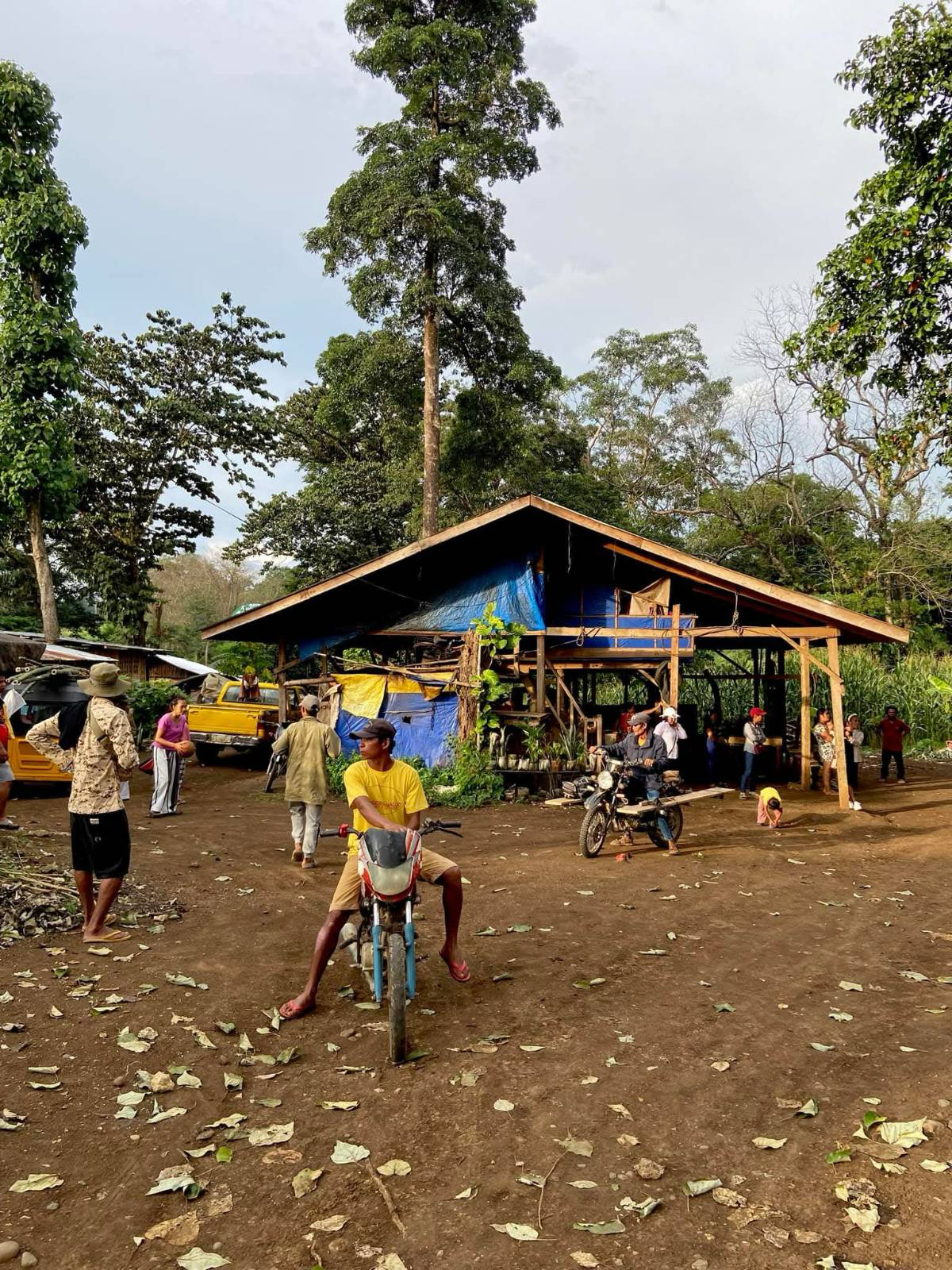
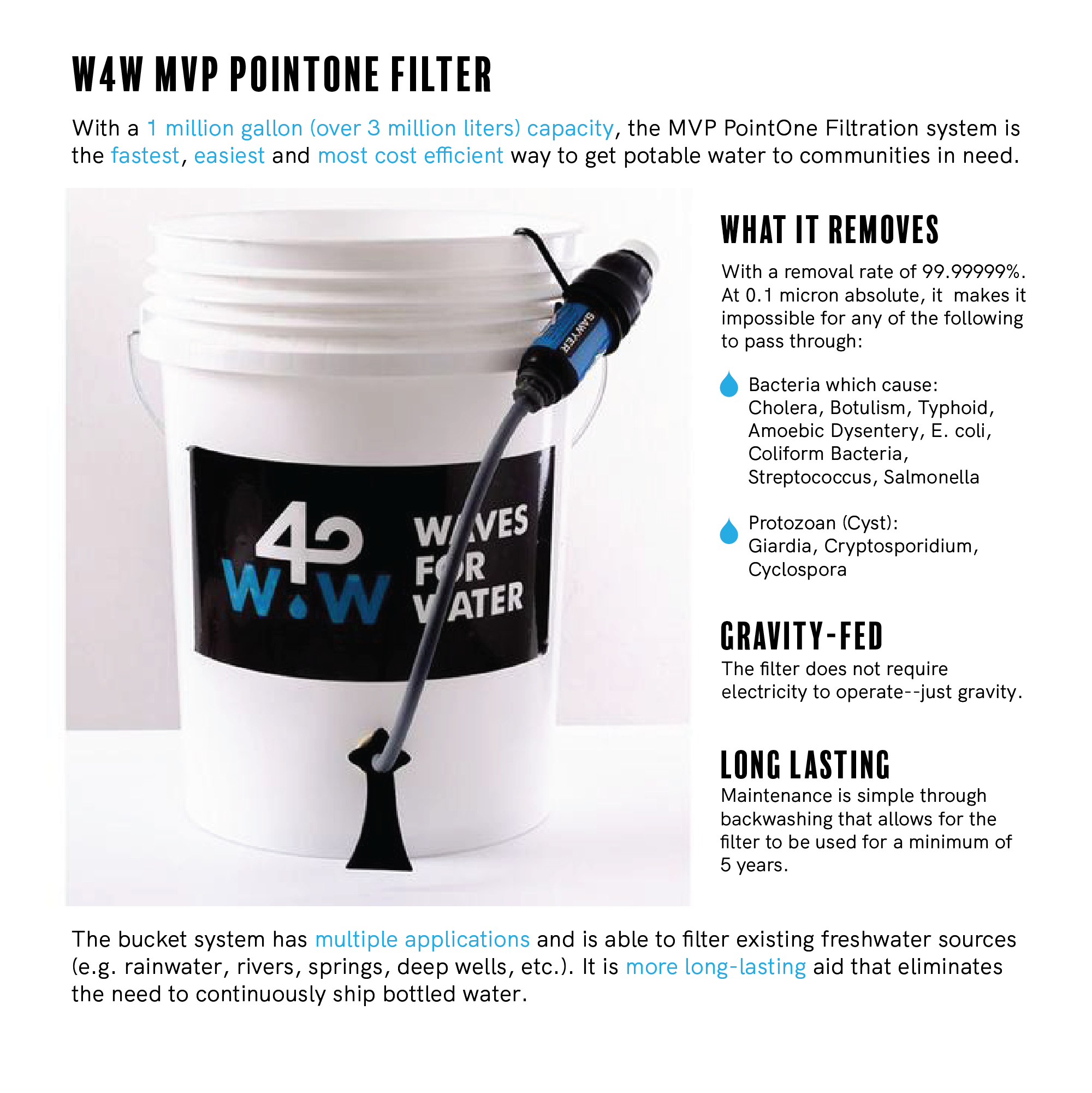
Waves for Water, in collaboration with Mindanao Climate Justice (MCJ), local partners, and community leaders, supported the distribution and setup of water filters, pails, and basins in Lumad communities in Bukidnon.
The effort was part of a broader commitment to improving access to safe and clean drinking water for Indigenous and rural households, and coincided with the commemoration of the International Day of the World’s Indigenous Peoples 2025.
Originally scheduled earlier, the activity was delayed by heavy rains and flooding in the area. When conditions allowed, MCJ and its partners moved forward—working closely with communities to respond to immediate needs while building something that could last.
At the center of the effort was the installation of centralized water filtration systems in shared spaces—places where people gather, talk, and organize. Here, clean water became easier to reach.
The process unfolded collectively.
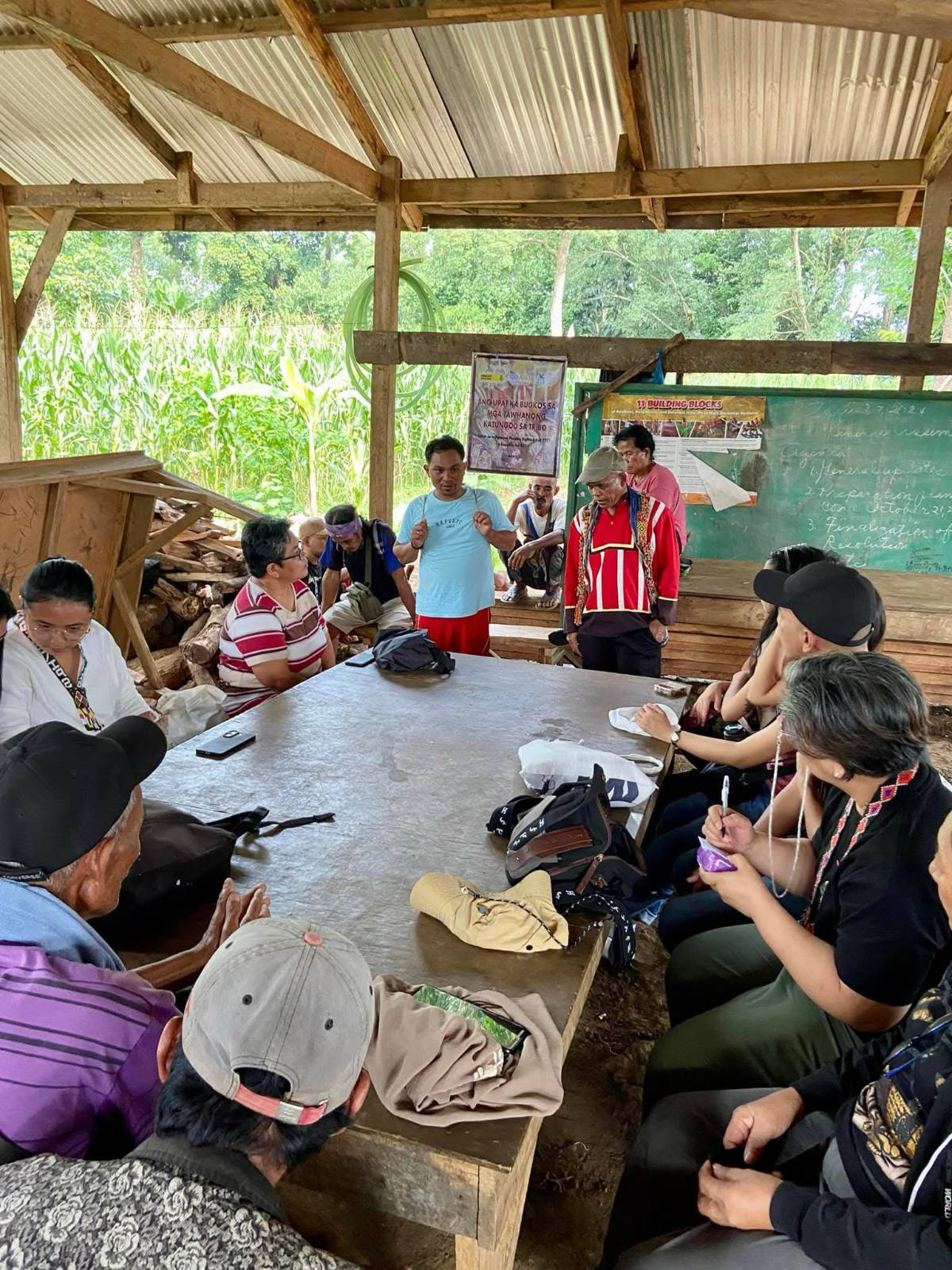
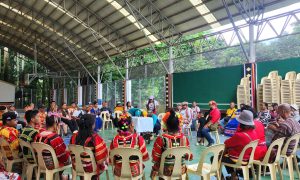
Community members gathered as the systems were set up—some carrying materials, others watching closely, asking questions, learning as they went. Training sessions followed, where residents learned how to use and care for the filters. Local volunteers stepped forward to help maintain the systems, making sure they continue to serve everyone.
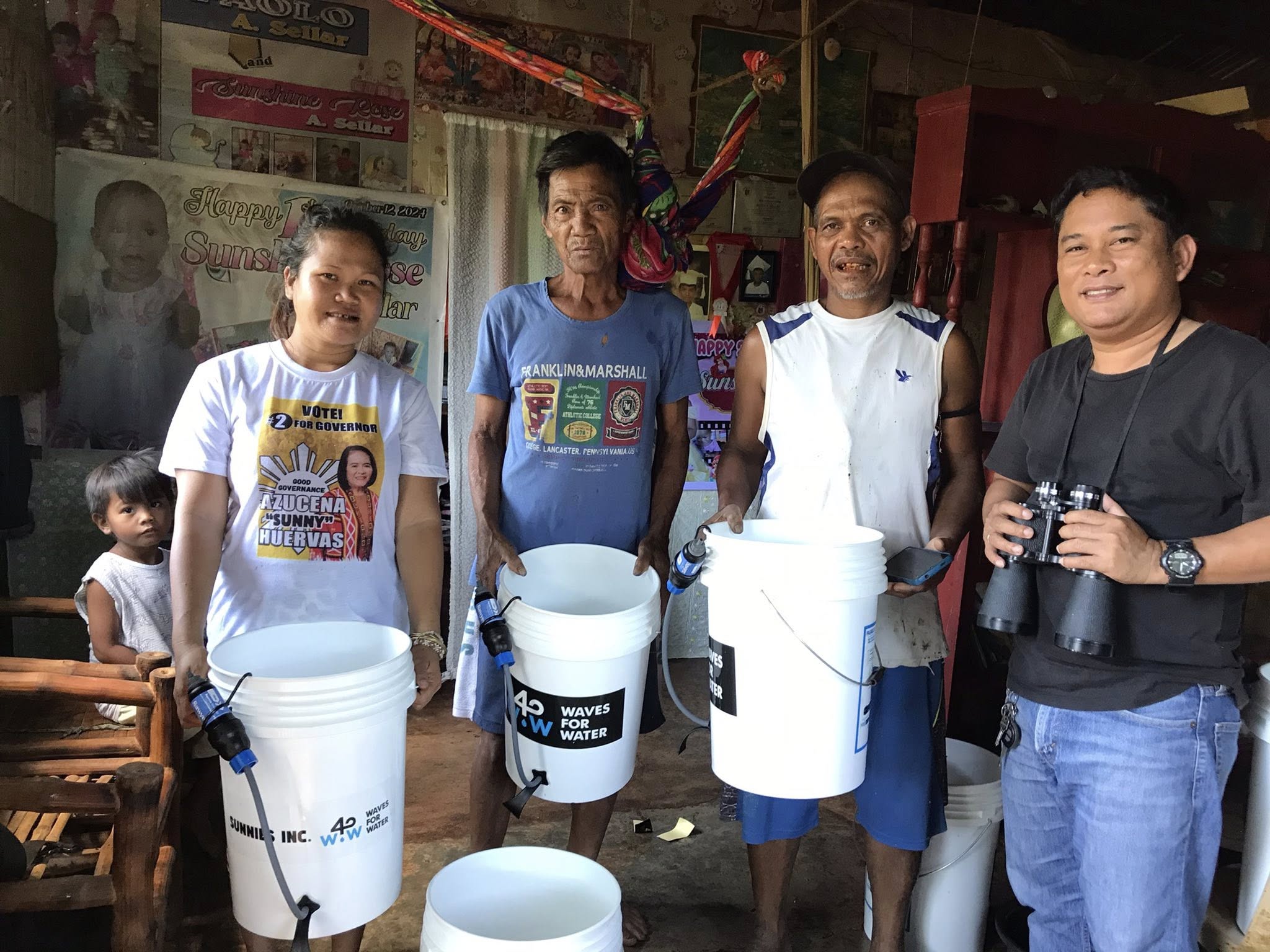
With the support of Waves for Water, the systems were not only provided—they were made usable, shared, and sustained through simple technology, shared knowledge, and trust in the community’s ability to care for what they depend on.
In the days that followed, the changes began to take shape.
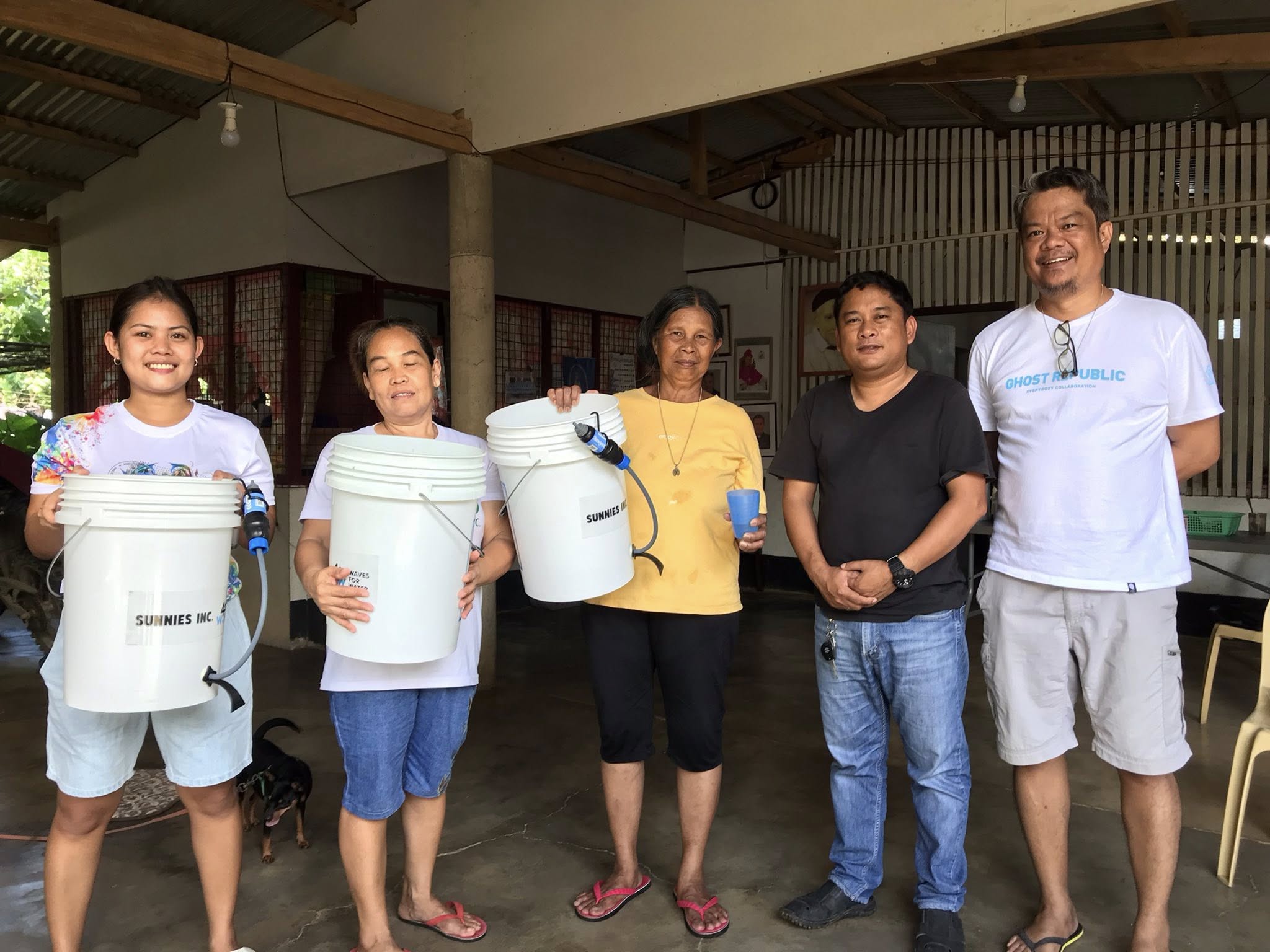
Water used for drinking and cooking became clearer. Parents noticed fewer cases of stomach-related illness among children. There was also a growing awareness of hygiene, alongside a shared effort to keep the systems clean and working.
These are quiet changes—but they matter.
They mean fewer risks for children.
They mean less time spent searching for water.
They mean a little more ease in everyday life.
Across many parts of Mindanao, access to safe water remains a challenge. But moments like this show what is possible when communities and partners work side by side—when solutions are simple, shared, and grounded in everyday realities.
Because in places where water is hard to find, people find ways.
And sometimes, with the right support, those ways become something more—
something that holds,
something that is shared,
and something that makes daily life a little lighter.
MCJ continues to work alongside communities to expand access to safe water across Mindanao. We invite partners, friends, and allies to be part of this shared effort—so that more families can experience the simple but vital difference of clean water, closer to home.