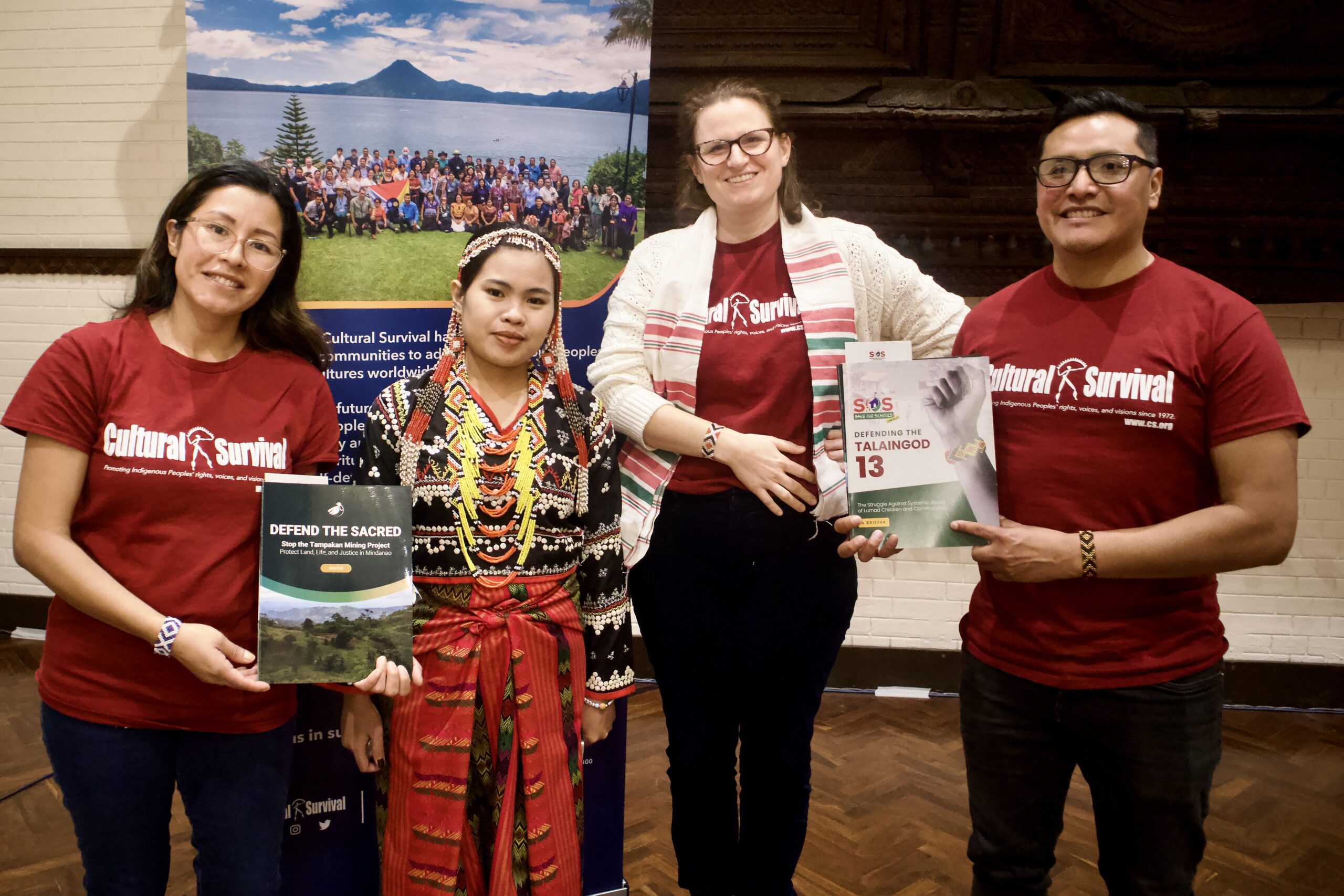
From December 1–3, 2025, the Mindanao Climate Justice Resource Facility (MCJ) participated in a partners’ meeting organized by Cultural Survival in Nepal. The gathering brought together Indigenous Peoples and grassroots media organizations from Asia, Africa, and the Pacific to reflect on shared climate realities and to learn how Cultural Survival supports grassroots efforts through funding, workshops, and critical capacity-building initiatives.
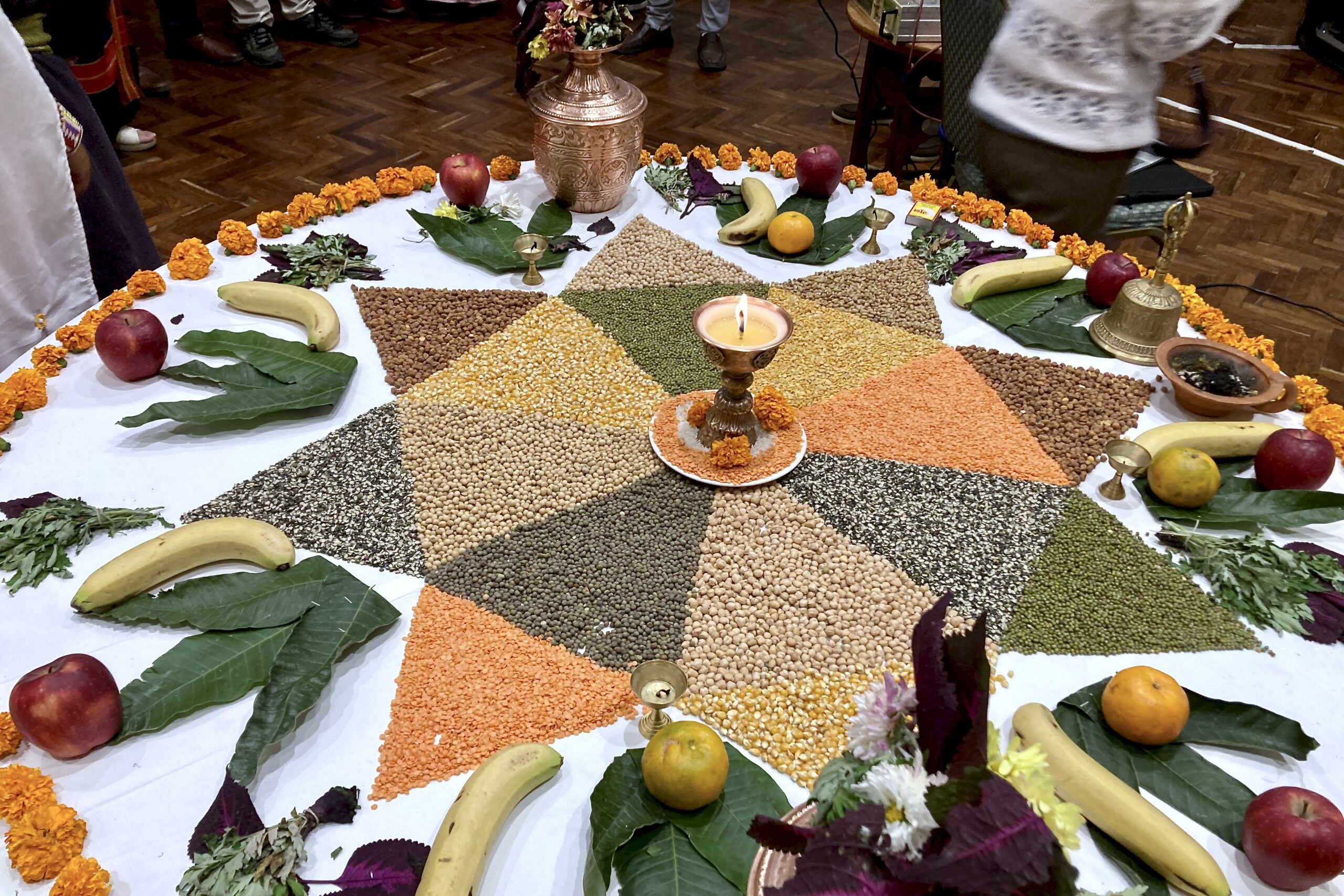
The three-day convening created a space for collective reflection on shared climate risks, community responses, and the role of Indigenous knowledge and community media in advancing climate justice. Rooted in the lived realities of frontline communities, the gathering fostered cross-regional learning, political reflection, and practical skills-building.
The event aimed to (1) surface common climate- and land-related challenges across Indigenous communities; (2) strengthen solidarity and collective strategies; and (3) build practical capacities—particularly in emergency and online radio—as tools for resilience, advocacy, and self-determination.
Day 1 Reflection: Identifying Common Issues and Risk
The first day centered on storytelling, collective listening, and political reflection. Country presentations from India, Bangladesh, Thailand, Cambodia, Indonesia, the Philippines, Tanzania, and Nepal revealed how climate change is deeply intertwined with land dispossession, extractivism, militarization, and the erosion of Indigenous values and socio-political systems.
Despite differences in geography—mountain ranges, river basins, forests, and islands—participants identified shared experiences of increasingly erratic rainfall, intensified floods and storms, prolonged droughts, and the loss of traditional livelihoods. Elders’ knowledge emerged as a vital reference point, revealing how climate and land conditions have dramatically shifted within a single generation.
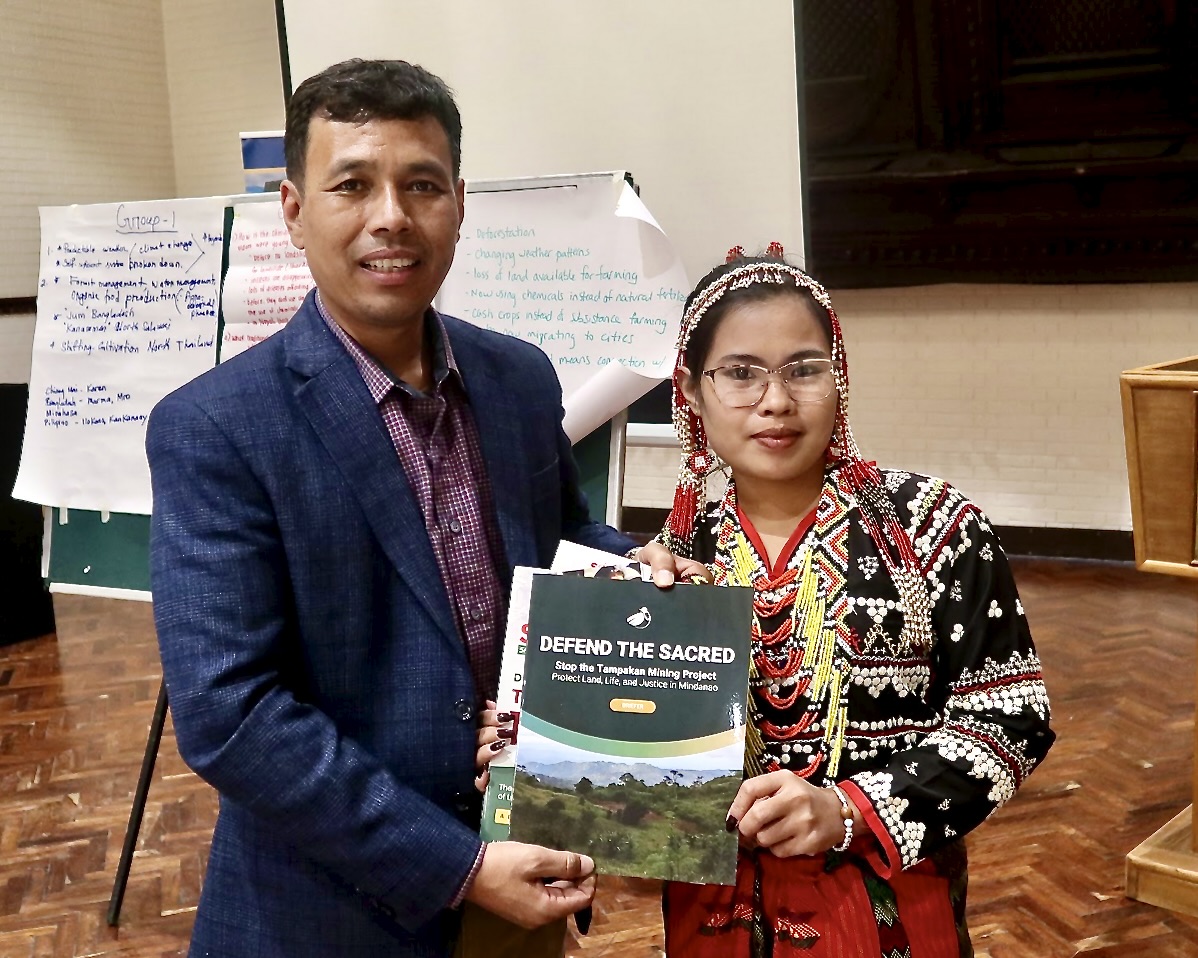
During the Philippines presentation, MCJ highlighted the role of citizen journalism as a frontline response to the climate crisis, particularly in strengthening the capacities of Indigenous and rural youth. MCJ shared how young people are trained to document climate impacts, environmental destruction, and human rights violations linked to extractive industries, land plunder, and militarization.
In contexts where mainstream media often marginalizes Indigenous and rural narratives, citizen journalism enables communities to reclaim narrative power, expose the root causes of the climate crisis, and amplify community-led solutions grounded in Indigenous knowledge.
This approach strongly resonated with participants facing similar challenges of invisibility and misrepresentation. The discussion affirmed that climate justice work is inseparable from the ability of communities—especially youth—to tell their own stories, mobilize collective action, and influence public discourse.
Working group discussions deepened these reflections by linking environmental change to structural injustice. Participants shared how traditional knowledge systems continue to guide adaptation practices, while Cultural Survival’s support has strengthened community media initiatives and grassroots organizing. Across regions, there was a shared emphasis on youth leadership and community-controlled communication.
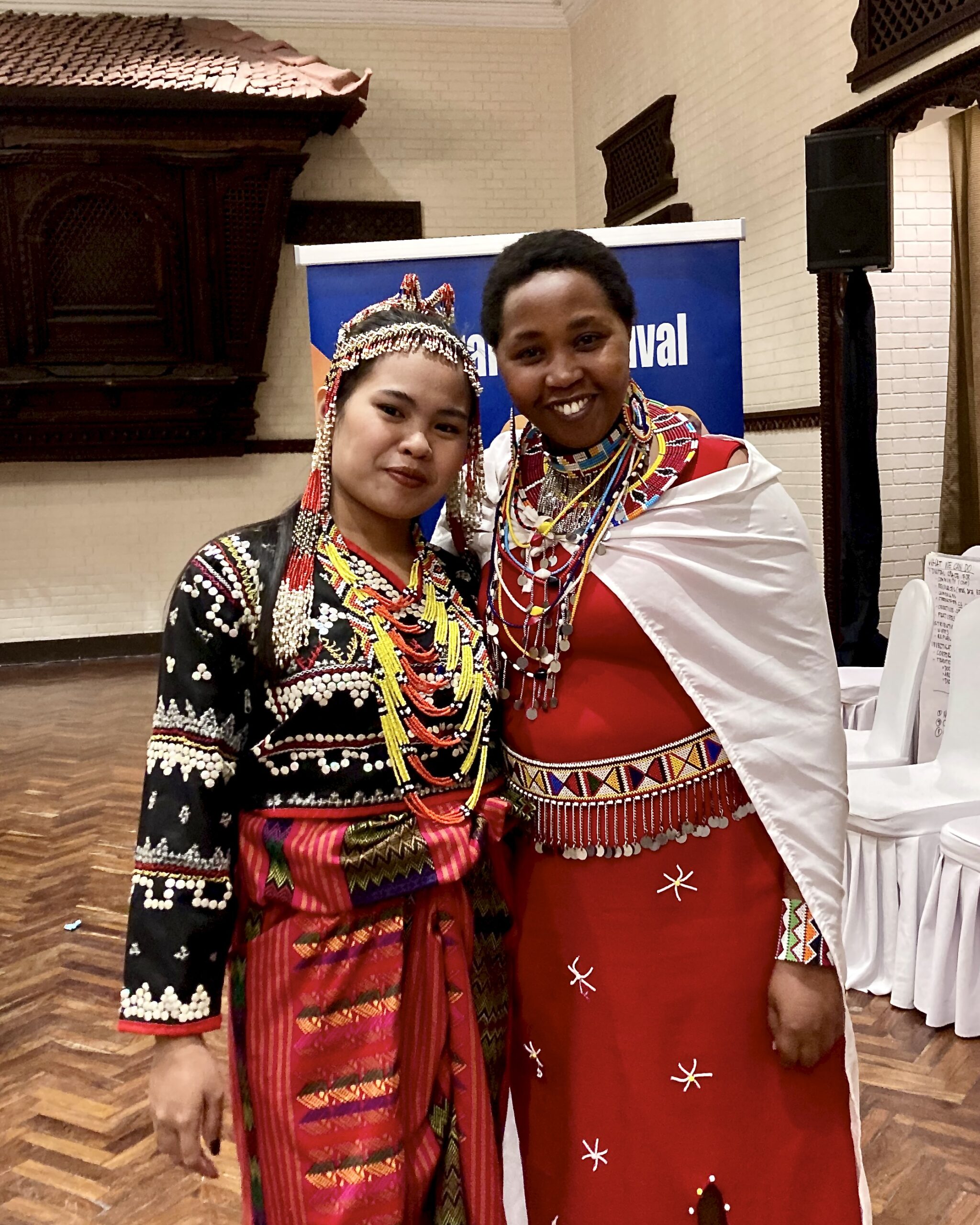
The day concluded with a collective reflection on gaps and needs, including the absence of some of the most impacted communities and the urgent need to improve access to information. Participants underscored the importance of sustaining platforms where Indigenous youth, elders, and women can share knowledge, warnings, and resistance strategies—reinforcing that information, like land, is a site of struggle.
Day 2 Reflection: Building Skills, Collective Commitments, and Solidarity
Shifting from analysis to action, participants explored shared commitments and possibilities for collective work, grounded in the recognition that international solidarity strengthens local struggles. Discussions emphasized coordinated storytelling, shared advocacy platforms, and mutual support.
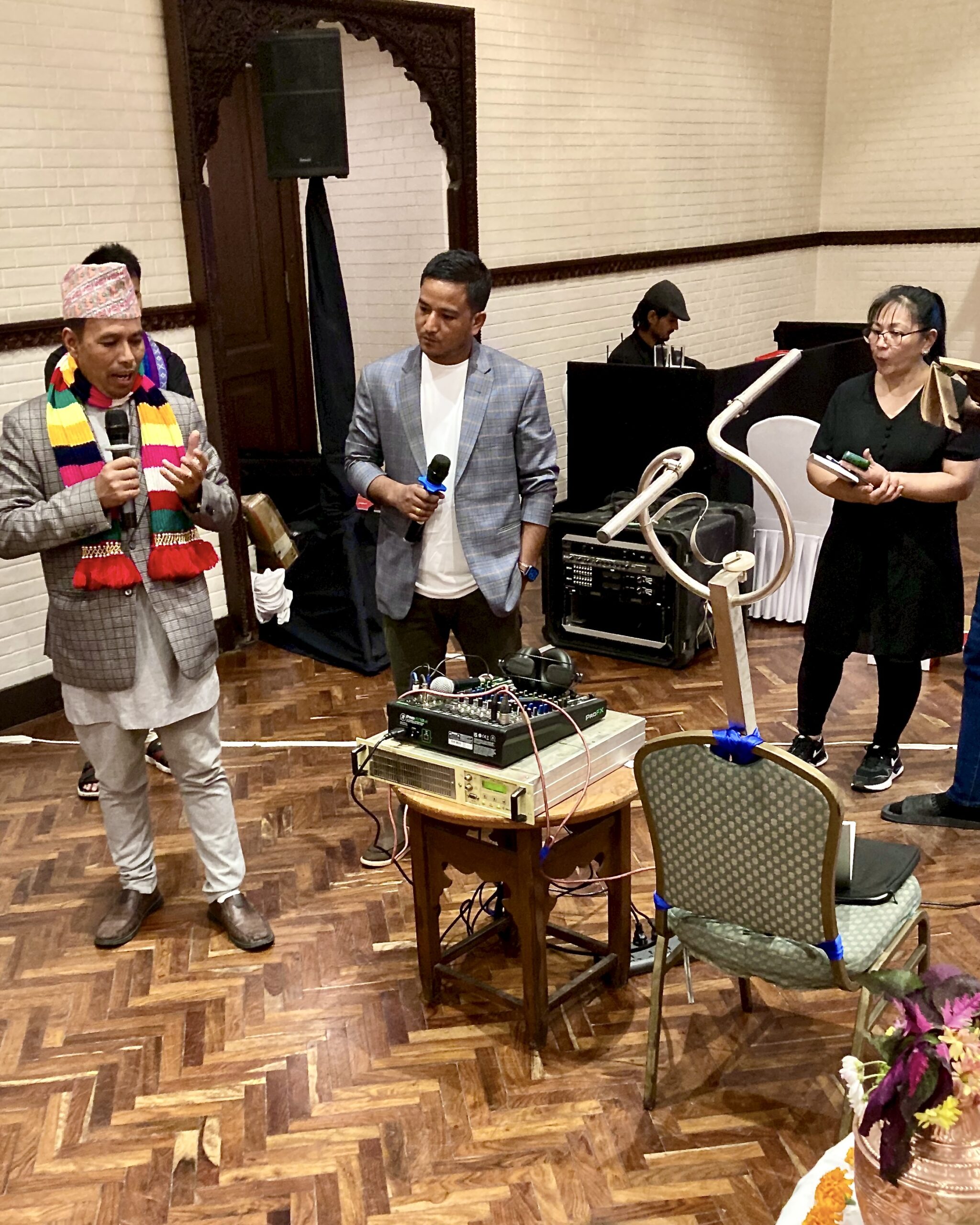
Workshops on Emergency Radio Backpacks and Online Radio were particularly impactful. More than technical tools, radios were understood as lifelines during disasters and as platforms for cultural survival. Community-controlled radio enables Indigenous Peoples to assert their narratives while confronting misinformation and exclusion from dominant media systems.
The sessions reinforced the importance of preparedness, rapid response, and community accountability. Participants reflected on how technical skills, when grounded in political consciousness, can strengthen self-determination and resilience. Many expressed a shared resolve to apply these tools in their own communities and to continue exchanging knowledge across borders.
Day 2 concluded with a Solidarity Night, where participants shared cultural presentations through dances from their respective communities. These performances were acts of resistance and affirmation, embodying ancestral memory, collective struggle, and resilience.
Day 3 Reflection: Field Visit, Commitments, and Continuing Solidarity
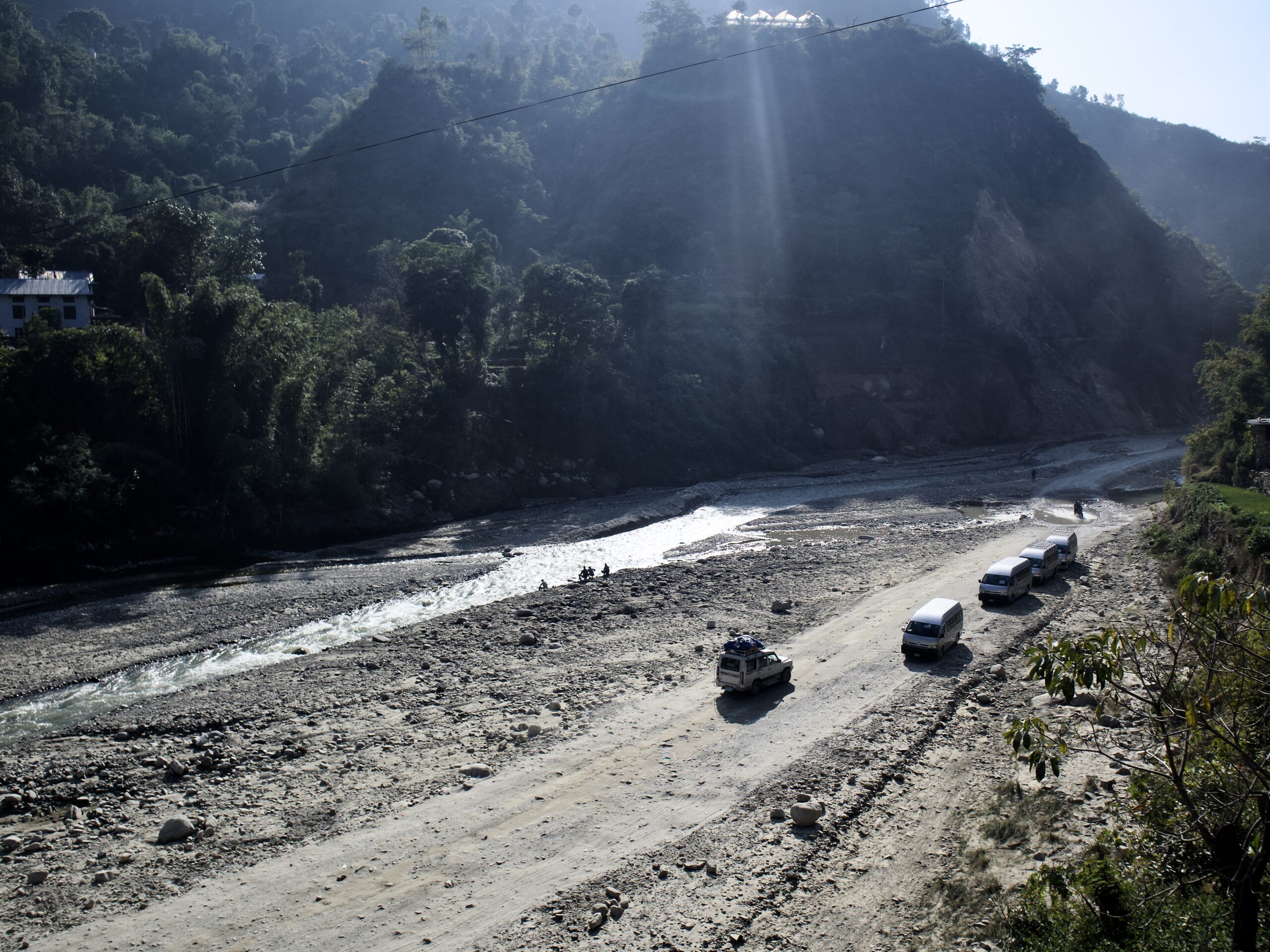
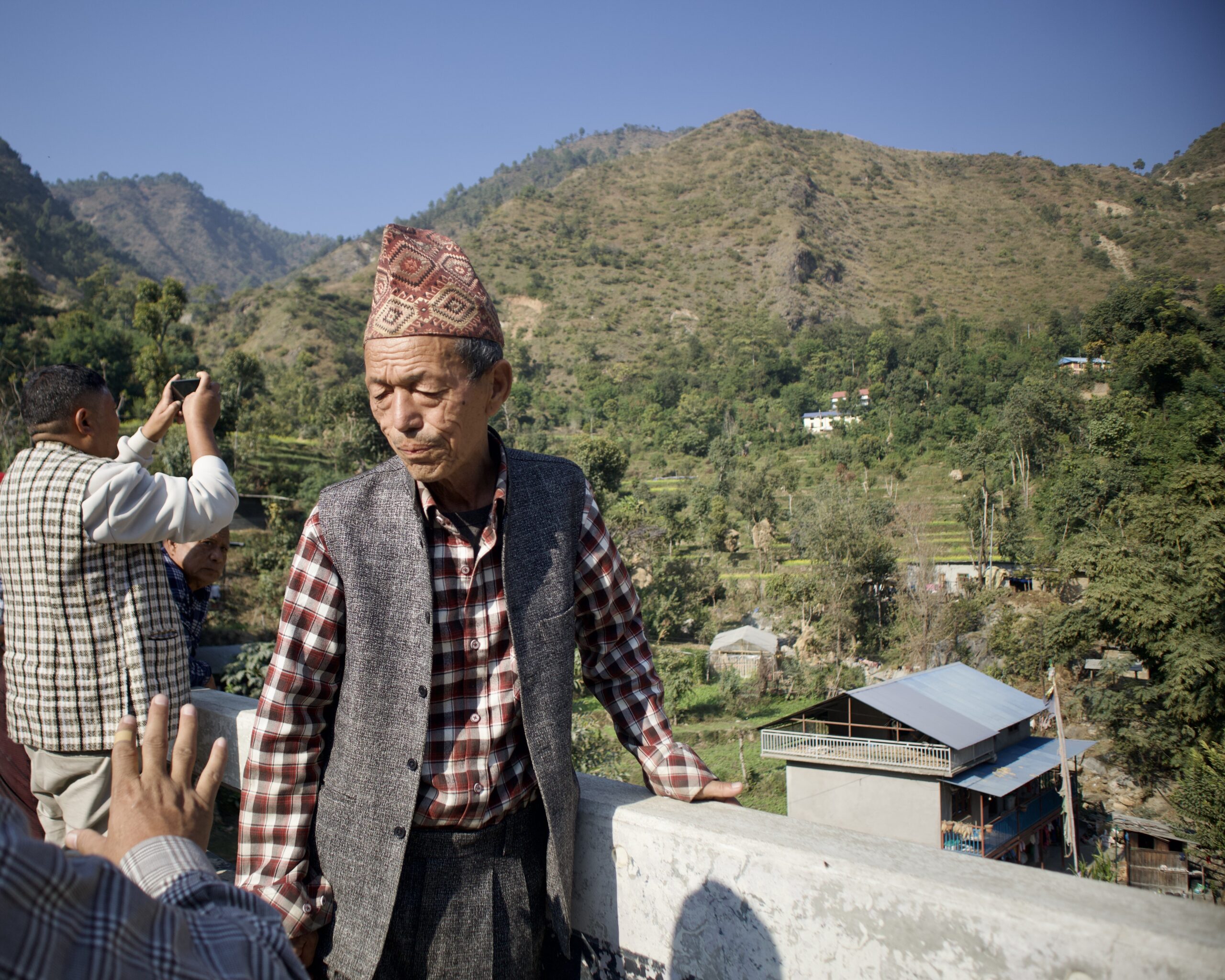
A field visit to the Rosi River Basin and engagement with Tamang Indigenous Peoples grounded discussions in lived realities. Witnessing the impacts of flooding underscored the urgency of collective action and highlighted the disproportionate burden borne by Indigenous communities least responsible for the climate crisis.
Participants articulated a shared responsibility to return to their communities with renewed purpose—to strengthen community media initiatives, deepen grassroots organizing, and advocate for climate justice rooted in Indigenous rights. As a collective, participants committed to sustaining communication, sharing resources, and supporting Cultural Survival’s efforts to expand Indigenous-led climate and media initiatives.
Solidarity, the gathering affirmed, is not symbolic. It is built and practiced through communication, mutual support, and continued collaboration.
Key Insights and Recommendations
Key Insights
- Climate change is experienced by Indigenous Peoples and marginalized sectors as a continuation of structural injustice.
- Traditional Indigenous knowledge remains central to adaptation and resilience.
- Community media—especially radio—is a critical tool for emergency response, education, and political advocacy.
- Cross-regional and international solidarity strengthens local struggles and amplifies Indigenous voices globally.
Recommendations
- Sustain and expand funding for Indigenous-led media and climate initiatives.
- Prioritize the inclusion of women, elders, and highly impacted communities in future convenings.
- Ensure clear follow-through mechanisms for commitments made during gatherings.
- Amplify international solidarity among Indigenous communities.
- Strengthen mechanisms to defend the rights of Indigenous Peoples and environmental defenders.
Conclusion
From Mindanao to Nepal, from river basins to mountain ranges, this gathering affirmed a shared truth: Indigenous Peoples are not passive victims of the climate crisis, but active defenders of land, life, and future generations. Through shared reflection, skill-building, and international solidarity, participants strengthened the foundations of Indigenous-led climate justice—rooted in culture, resistance, and community power.
As 2025 comes to a close, Mindanao Climate Justice Resource Facility reflects on a year marked by intensified struggle and renewed solidarity. From defending land and environmental defenders in Mindanao to building connections with Indigenous communities across regions, our work this year has reaffirmed that climate justice is inseparable from collective resistance, knowledge-sharing, and international solidarity. This gathering in Nepal stands as both a culmination of the year’s efforts and a bridge toward 2026—grounding us in shared purpose as we continue to strengthen Indigenous-led climate justice rooted in land, rights, culture, and collective care.