Grounded in Community, Strengthened in Solidarity: The IPAS Fund Regional Learning Exchange in Sabah, Malaysia
Sabah, Malaysia | April 7–10, 2026

In the beautiful coastal capital of Sabah, on the island of Borneo, Indigenous Peoples and allies from across Asia gathered for four transformative days to share, learn, and commit, not just to a fund, but to a growing movement of Indigenous Peoples towards genuine sustainable development and self-determination.
The IPAS Fund Regional Learning Exchange: Strengthening Indigenous Institutions Across the Asia Region brought together members of Country Steering Committees (CSCs) and Sectoral Committees (SCs), funding partners, collaborators, and self-funded participants from April 7 to 10, 2026. Hosted in partnership with PACOS Trust, a community-based Indigenous Peoples’ rights organization, the exchange served as both a practical working session and a powerful affirmation of Indigenous-led development in action.
Grounded in Tradition: Opening Day
On the morning of April 7, a spiritual leader of the Kadazan Dusun Community opened the gathering with traditional rituals, honoring the land, ancestors and the Indigenous Peoples whose knowledge and struggles the IPAS Fund was built to support.
A welcoming message followed from Anne Lasimbang, Executive Director of PACOS Trust, and a video message from Joan Carling, Chairperson of the IPAS Fund that set the tone for an exchange rooted equally in accountability and collective aspiration towards self-determination.
The first session gave time for participants to introduce themselves and for the IPAS Secretariat to share a brief overview of the IPAS Fund before diving into one of central questions for the regional learning exchange: What is the state of Indigenous-led funding across Asia and how can we contribute to building solidarity and synergy among Indigenous Peoples at the grassroots, subnational and national levels as CSC/SC members?

The second session opened up conversations on the global and national landscape of IP-led funding mechanisms, inviting CSC/SC members to reflect on why Indigenous control over resources is not a preference but a necessity, and how they can deepen solidarity across grassroots, subnational, and national levels.

For Mindanao, this solidarity is expressed through the flexible and direct funding mechanism of IPAS. Through IPAS support, we were able to give urgent relief and response in addressing community needs while strengthening Indigenous self-determination, rights protection, and culture revitalization.
During the breakout session, we’ve shared that unlike traditional funding mechanisms, Indigenous-led funding recognizes Indigenous Peoples as decision-makers rather than just beneficiaries. It strengthens self-determination by allowing Indigenous organizations and communities to design and implement initiatives that respond to their real needs, whether related to land rights, cultural preservation, environmental protection, or community development.
Indigenous-led funding also promotes accountability to the communities themselves, ensuring that projects remain grounded in Indigenous values and collective well-being.
The afternoon brought rich cross-learning as CSC and SC members shared lessons from their grants decision-making processes in small groups: how they meet, how they deliberate, and the collective wisdom that shapes each funding decision. The day closed with a panel on successful cases and community impacts supported by CSCs and SCs across the region.
Into the Work: Challenges, Gaps, and the Way Forward
On the second day, the discussion moved into the operational heart of the exchange. The morning began with a short orientation, by PACOS Trust, for the community visit followed by a presentation on IPAS Fund policies, guidelines, and reporting requirements, creating space for participants to raise questions, seek clarifications, and identify which materials need translation into national languages.
Small groups then gathered by subregion to map out the issues, gaps, and challenges facing their CSCs and SCs — both internally (time commitments, coordination, internal governance) and externally (conflict, political pressures, partner reporting delays). These were not complaints presented into a void, but problems named among people committed to solving them together.
The afternoon’s group work turned those challenges into strategies with concrete recommendations flowing upward to the IPAS Secretariat on how reporting can be improved and how the fund’s structures can better serve the communities it represents.

The day’s final sessions were particularly significant: funding partners and collaborators took the floor to share their observations on the regional exchange, reflect on their original vision for supporting an Indigenous-led funding mechanism, and look ahead to how the partnership can be deepened. It was a rare and valuable inversion with funders listening and accounting to the communities they support.
Learning from the Land: Community Visits
The third day was unlike any conference session. Participants fanned out across three community sites in Sabah, each offering a different window into what Indigenous self-determination looks like in practice.
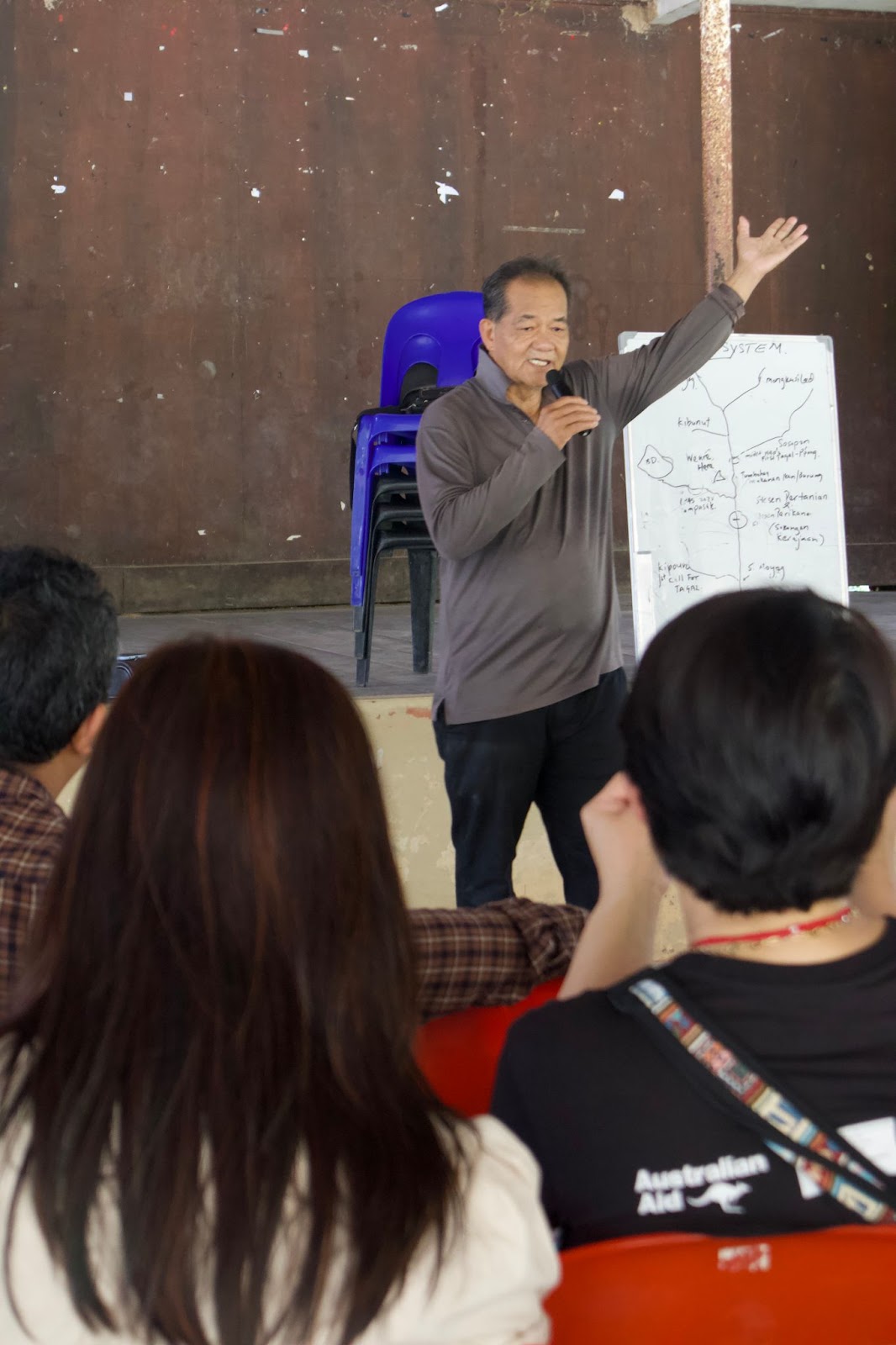
Kampung Babagon introduced participants to the Tagal System — a traditional community-managed approach to protecting rivers and natural resources practiced by Dusun Indigenous Peoples for generations. Here, participants witnessed community-based eco-tourism, environmental conservation, and local livelihoods working in harmony.
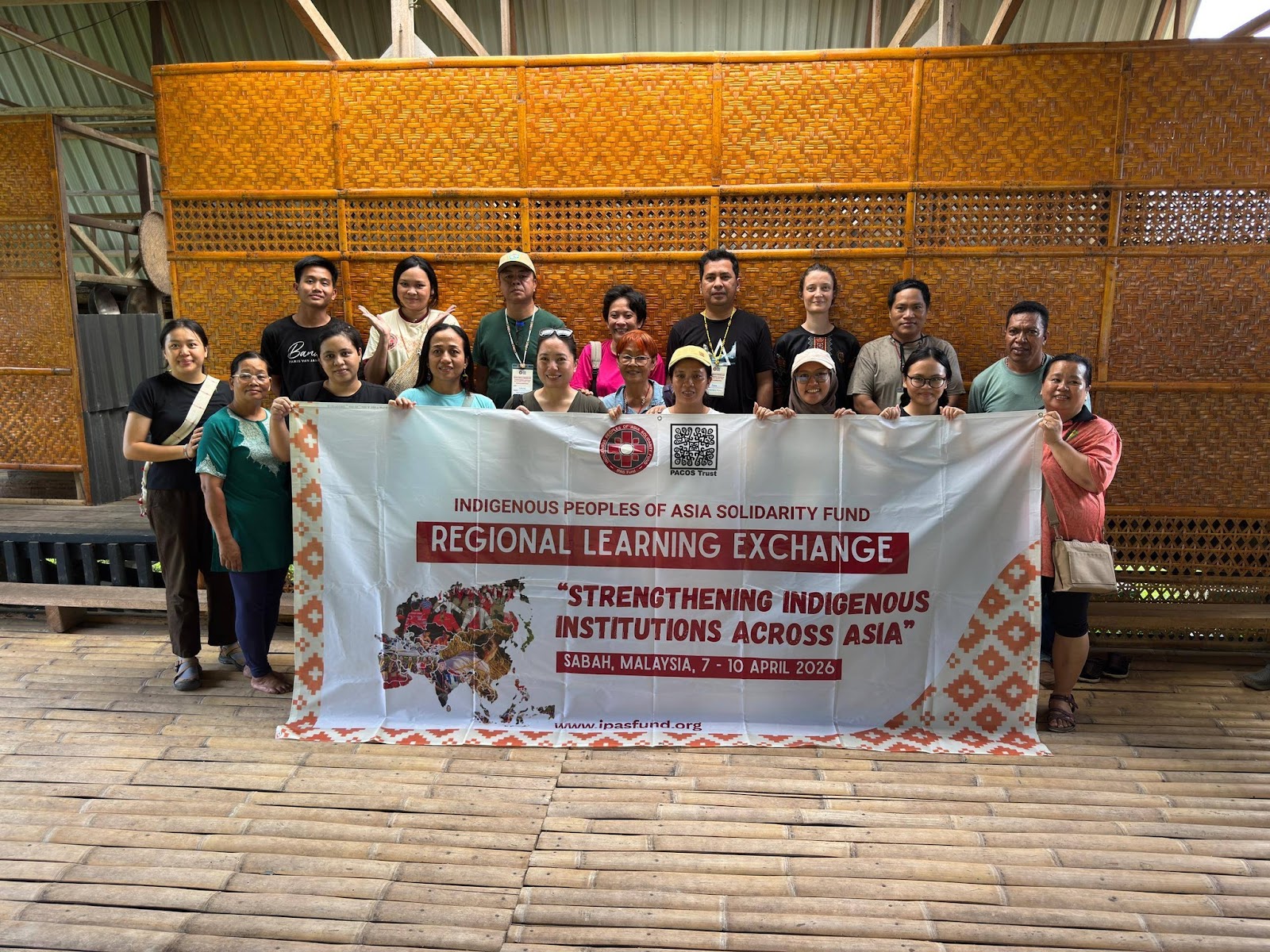
Photo from IPAS Fund Facebook Page
Kampung Buayan offered a lesson in energy sovereignty. A micro-hydro renewable energy system, completed in 2019, now supplies electricity to 45 households by harnessing the flow of a nearby river through a community-managed mini grid. This was not an externally imposed development project. It was the community’s ingenuity meeting its own needs.

Photo from IPAS Fund Facebook Page
MAWASI, Ranau told perhaps the most stirring story. Dusun IP communities here have been fighting for their Native Customary Rights since private companies began encroaching on their ancestral lands in the late 1970s. After decades of struggle, a landmark High Court ruling in April 2021 ordered the cancellation of a company’s lease over approximately 449.6 hectares of the community’s claimed land. Today, MAWASI continues to build community resilience, cultural preservation, and environmental stewardship, with women playing a central role in safeguarding traditional knowledge of farming, seeds, medicine, and culture.
Commitments for the Future: Closing Day
The exchange’s final day, April 10, began with participants processing what they had seen and felt in the field. We shared reflections within subregional groups and connected the communities’ experiences to our own.

Moving from reflection to action, the IPAS Secretariat presented the 2026 annual plan and priorities, inviting CSC/SC members to align their country and sectoral plans, not only around grant-making, but around the broader work of amplifying Indigenous Peoples rights movements across the region. Discussions centered on coordination mechanisms, capacity-strengthening priorities, strategic actions, and the solidarity networks needed to sustain those movements over time.
The exchange closed in the way such gatherings should: with commitments. Participants offered individual and organizational pledges to their communities, to each other, and to the collective project of Indigenous Peoples self-determination that the IPAS Fund represents.
 A Solidarity Dinner at PACOS Trust on both the first and final evenings bookended the exchange with warmth, community, and the reminder that this work will continue beyond the regional learning exchange.
A Fund That Belongs to the People

Photo from IPAS Fund Facebook Page
Across four days of ceremony, dialogue, fieldwork, and planning, is that the IPAS Fund is more than a grant mechanism. It is an institution built on the principle that Indigenous Peoples are not mere objects of development, but its architects.
From the opening ritual to the communities defending their land, the exchange was a living argument for why Indigenous-led funding matters. It is a map of the work still ahead and a testament to the power of Indigenous Peoples in paving the way towards a self-determined future.
The IPAS Fund (Indigenous Peoples Asia Solidarity Fund) supports Indigenous-led institutions across the Asia region. PACOS Trust, a community-based organization in Sabah is a key partner in advancing Indigenous Peoples’ rights, cultures, and development.