Nine Years After the Siege, Marawi’s “Second Siege” Continues | Day 1
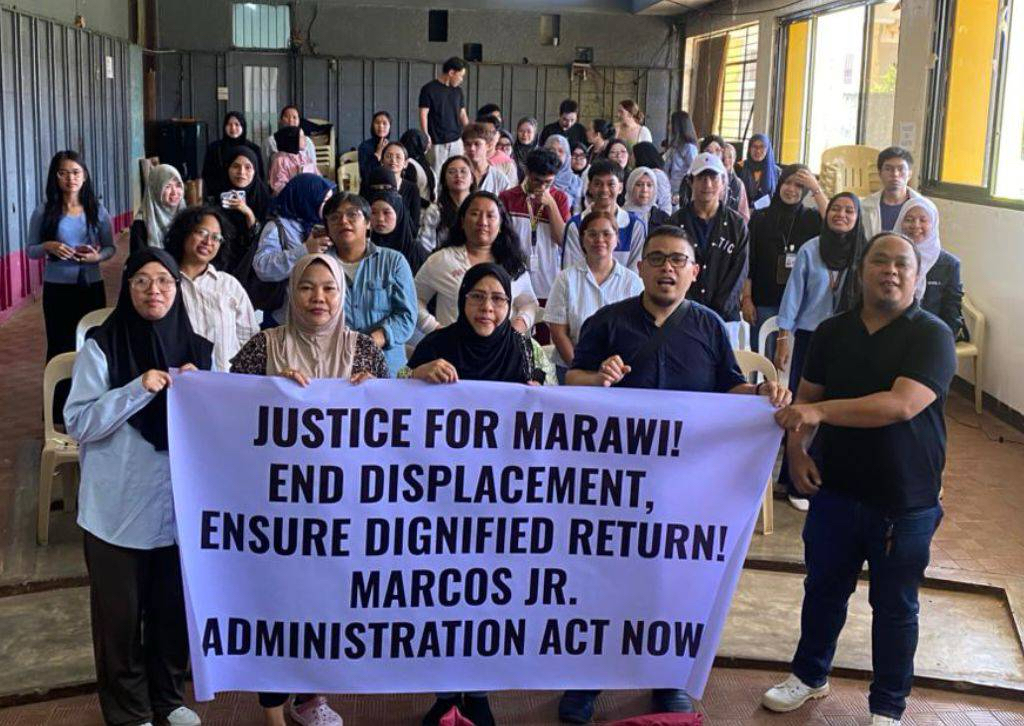
Youth, internally displaced communities, and advocates gather in Marawi to renew calls for justice, collective care, and safe and dignified return
MARAWI CITY — Nearly nine years after the Marawi Siege displaced hundreds of thousands of Meranaw families, students, youth leaders, internally displaced persons (IDPs), and advocates gathered in Marawi City to reflect on a painful truth: for many displaced communities, the crisis did not end in 2017.
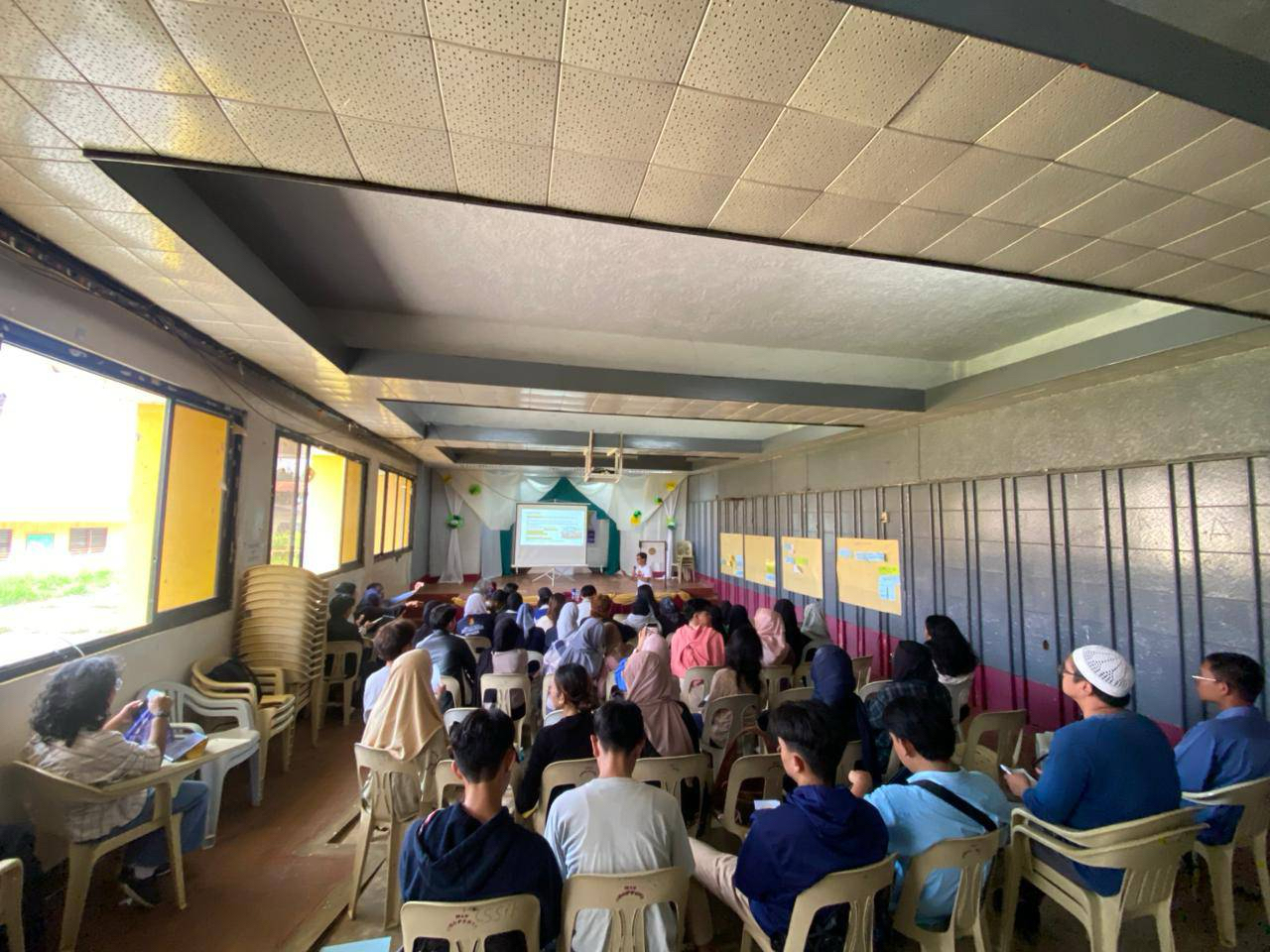
Inside the Engler Hall of the College of Social Sciences and Humanities in MSU Marawi, participants listened quietly as stories of displacement, uncertainty, survival, and loss filled the room. For many students attending the assembly, it was not simply a discussion about history—it was an encounter with realities that displaced families continue to endure nearly a decade after the siege.
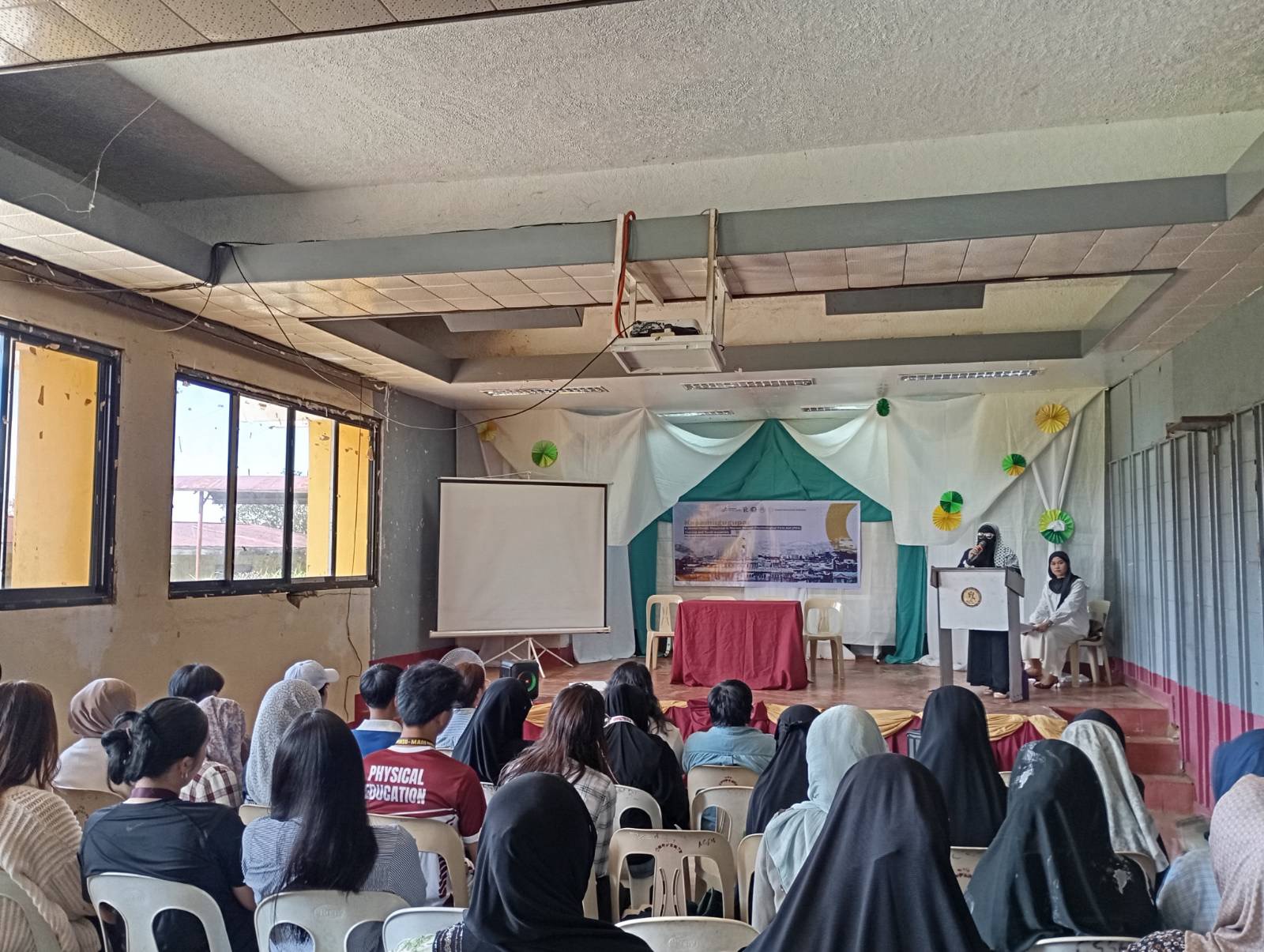
“Maraming mga challenges during and after the Marawi Siege—hanggang ngayon,” shared Prof. Tirmizy E. Abdullah, an internally displaced person (IDP), educator, and advocate from Marawi. “Pero if I summarize it into one issue, it is displacement and the continuing call for safe and dignified return. Mag-sa-sampung taon na, pero marami pa ring displaced.”
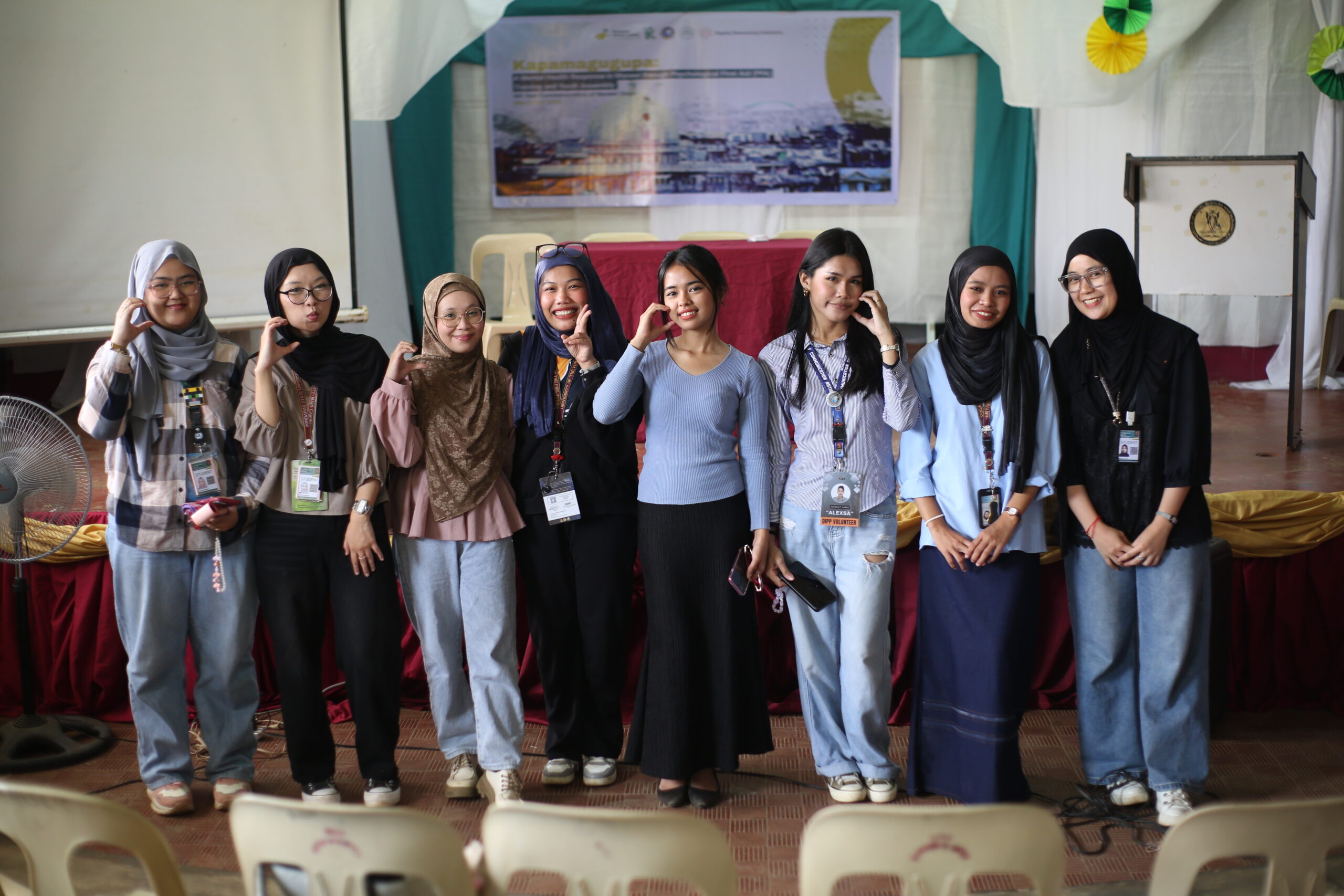
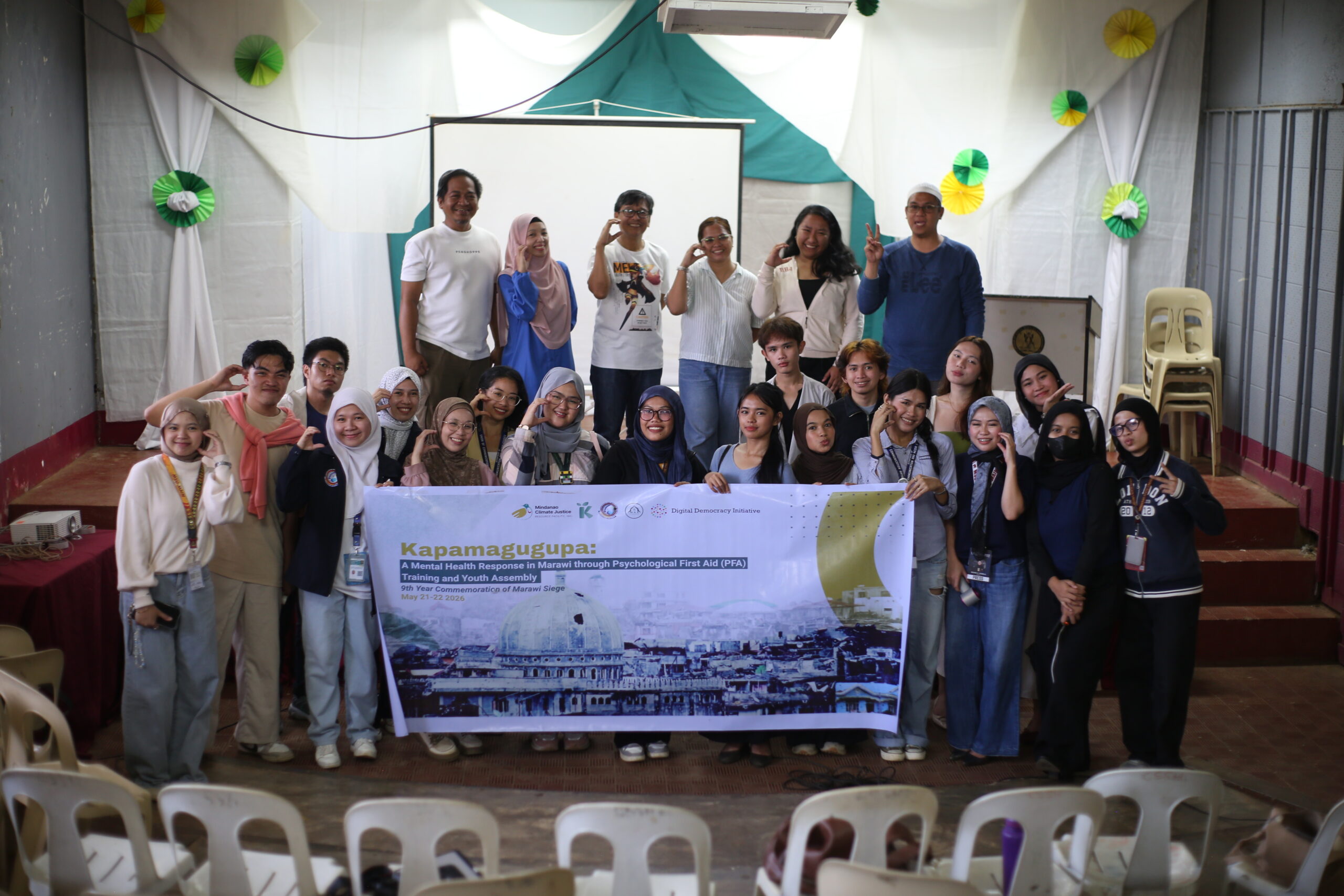
His words became one of the defining reflections of the Kapamagugupa Youth Assembly held on May 21, 2026. Organized by Mindanao Climate Justice (MCJ) and Kinaiyahan Youth – Mindanao Chapter, together with the Department of Communication and Media Studies – MSU Marawi and Marawi-Accompaniment Advocacy, the activity commemorated the 9th year of the Marawi Siege through conversations on displacement, collective care, mental health response, and youth solidarity.
Carrying the theme “Kapamagugupa: A Mental Health Response in Marawi through PFA Training and Youth Assembly,”the event brought together students, community leaders, displaced residents, and advocates to discuss the continuing realities faced by internally displaced communities and the urgent call for safe and dignified return.
The activity also marked the formal establishment of the Kinaiyahan Youth – Marawi Chapter, further strengthening youth-led organizing, solidarity work, and collective action in support of displaced communities and the continuing struggle for justice in Marawi.
The 2017 Marawi Siege lasted for five months and displaced more than 350,000 people, devastating communities across Marawi City and leaving large portions of the city’s main battle area in ruins. Nearly nine years later, thousands of displaced families continue to live in transitory shelters and relocation sites while waiting for permanent housing, compensation, and the opportunity to safely return to their homes and communities.
The “Second Siege”
Throughout the assembly, participants repeatedly emphasized that the people of Marawi experienced what Prof. Abdullah described as “two sieges” — one during the armed conflict itself, and another during the long and difficult rehabilitation process that followed.
“The tragedy of Marawi should never be treated as a minor issue,” Prof. Abdullah stressed, noting that displacement continues to shape the lives of thousands of Meranaw families until today.
For many displaced residents, the “second siege” refers to the continuing burdens of prolonged displacement, delayed rehabilitation, bureaucratic uncertainty, and years of waiting for meaningful solutions and safe return.
Joining the discussion were Sir Mu-ahz P. Omar, Ms. Samerah Mangorinsung from Bakwit Village in Saguiaran, Ms. Nanayaon P. Ala Alango, a women IDP leader, and Janidah Pangadapun from the Reclaiming Marawi Movement. Together, they shared firsthand accounts of prolonged displacement, economic hardship, and the continuing uncertainty faced by displaced families.
“Para po ma-share yung totoong nangyayari—the issues and concerns of every IDP and every shelter,” said Ms. Nanayaon P. Ala Alango. “Para malaman ng buong mundo na hanggang ngayon ay may mga IDPs pa ring nagsu-suffer sa kanilang mga tirahan at sa kanilang buhay.”
The resource speakers described how temporary shelters originally intended only for short-term relocation have gradually turned into long-term communities marked by deteriorating conditions and uncertainty.
Many displaced families continue to struggle with overcrowded shelters, unstable electricity, inadequate water supply, faulty septic systems, and the daily burden of financial insecurity. Despite unstable sources of income, many residents also continue to shoulder monthly rental and utility expenses while waiting for permanent resettlement and safe return.
Participants emphasized that genuine rehabilitation cannot be measured only through infrastructure projects or redevelopment plans, but through whether displaced families are finally able to return home safely and with dignity.
Collective Care Amid Prolonged Displacement
While the morning session focused on displacement and social realities, the afternoon session shifted toward collective care, mental health response, and psychosocial support.
MCJ Board of Trustees member Dr. Reginaldo “Reggie” Pamugas facilitated a training on Psychological First Aid (PFA) and mental health crisis response, emphasizing the importance of community care in situations of prolonged displacement, uncertainty, and trauma.
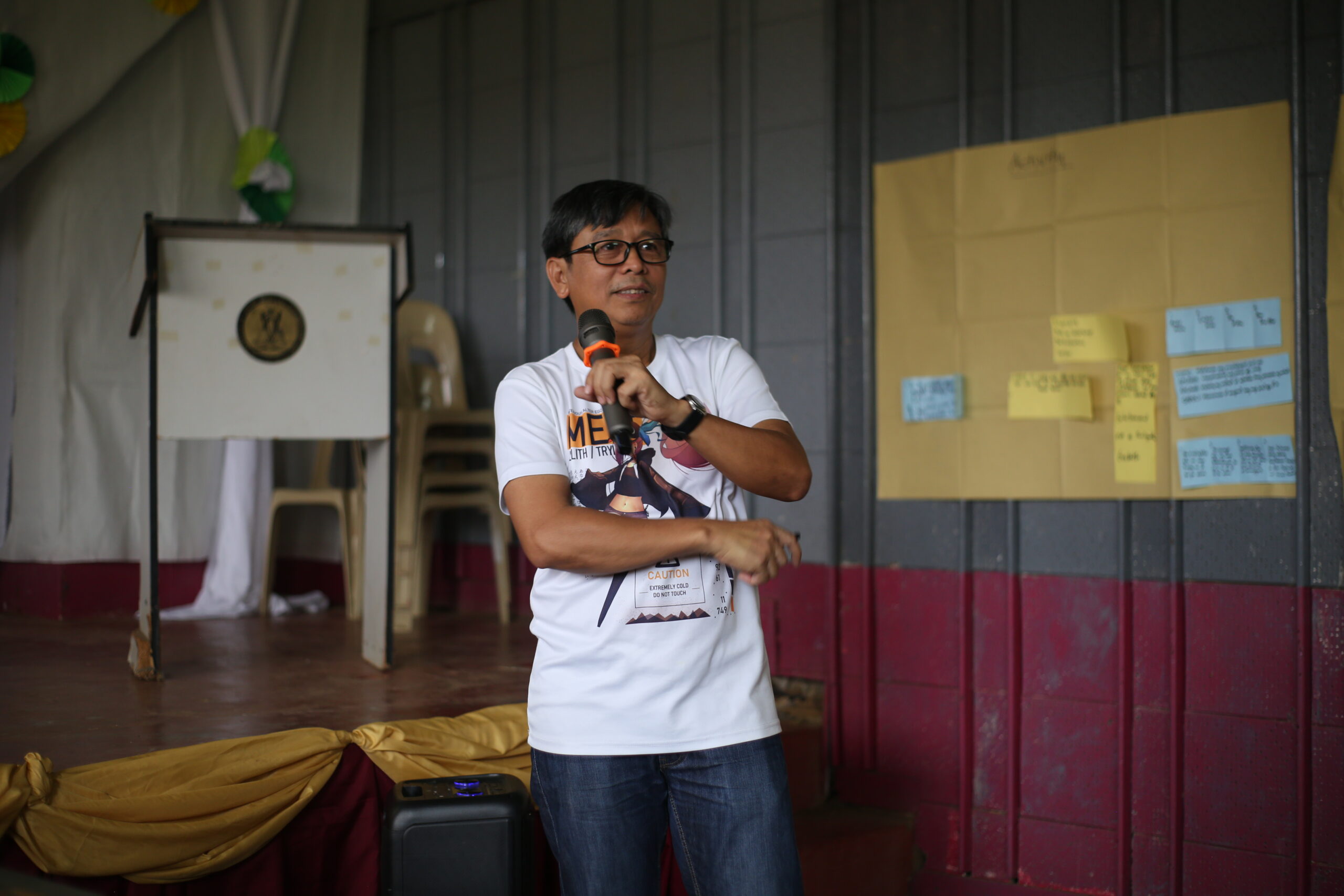
Participants learned practical psychosocial support skills such as breathing exercises, grounding techniques, active listening, and emotional support strategies intended to help individuals experiencing panic attacks, trauma responses, and psychological distress.
Through workshops, discussions, and situational exercises, students developed a deeper understanding of how to respond compassionately and responsibly during moments of crisis.
More than a technical training, the session became a collective space for listening, reflection, and solidarity—recognizing that healing in Marawi remains deeply connected to justice, memory, and the continuing struggle for dignified return.
Throughout the discussions, students and participants reflected on how prolonged displacement continues to affect not only housing and livelihood, but also the emotional and psychological wellbeing of displaced communities.
Youth Voices and Continuing Solidarity
The activity also highlighted the important role of young people in amplifying the voices and realities of displaced communities.
“First and foremost, mas naging aware ako sa kung ano talaga ang nangyayari sa ating society at communities,” shared Hamza D. Mamasarayah, a Grade 12 student from Balindong National High School. “Hindi natin alam na habang namamasyal tayo sa mga lugar na may malungkot na kasaysayan, may mga tao pa ring naghihintay makabalik sa kanilang tahanan.”
For many participants, the assembly became both a learning space and a reminder that remembrance must go beyond commemoration.
Nine years after the siege, the voices of Marawi’s displaced families remain filled with unanswered questions, unfinished rehabilitation, and the longing to finally return home.
As long as displaced families remain unable to safely and permanently return to their communities, the “second siege” described by many Marawi residents continues.
And with it, the continuing call for justice, healing, accountability, and safe and dignified return continues to echo across generations willing to listen.