Our Power. Our Planet: MCJ Launches Mindanao Climate Justice Report for Earth Day
“Climate justice is not just a matter of the environment; it is also a matter of land, life, and dignity.”
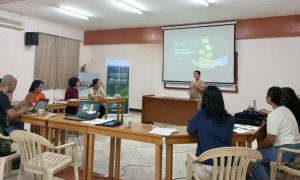
This message grounded the Earth Day webinar organized by Mindanao Climate Justice (MCJ), the PANAAD Network, and the Kinaiyahan Youth for Climate Justice on April 24, 2026.

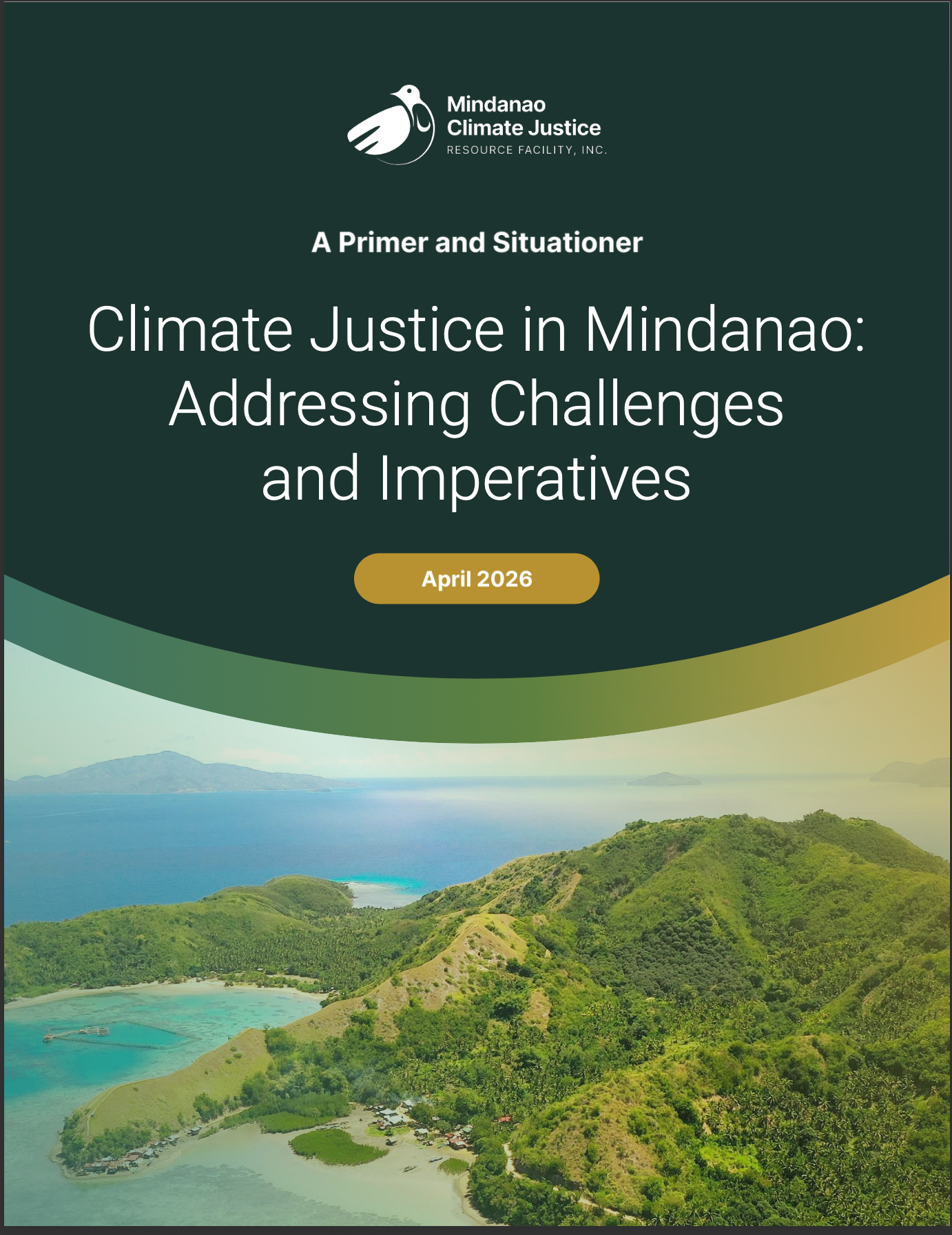
Carrying the theme “Our Power. Our Planet: Climate Justice in Mindanao – From the Ground to Collective Action,” the webinar marked the official launch of the Mindanao Climate Justice Report, a culmination of years of engagement and research rooted in the lived experiences of Indigenous Peoples, Bangsamoro communities, and rural sectors across Mindanao.
Climate Crisis as Systemic Injustice
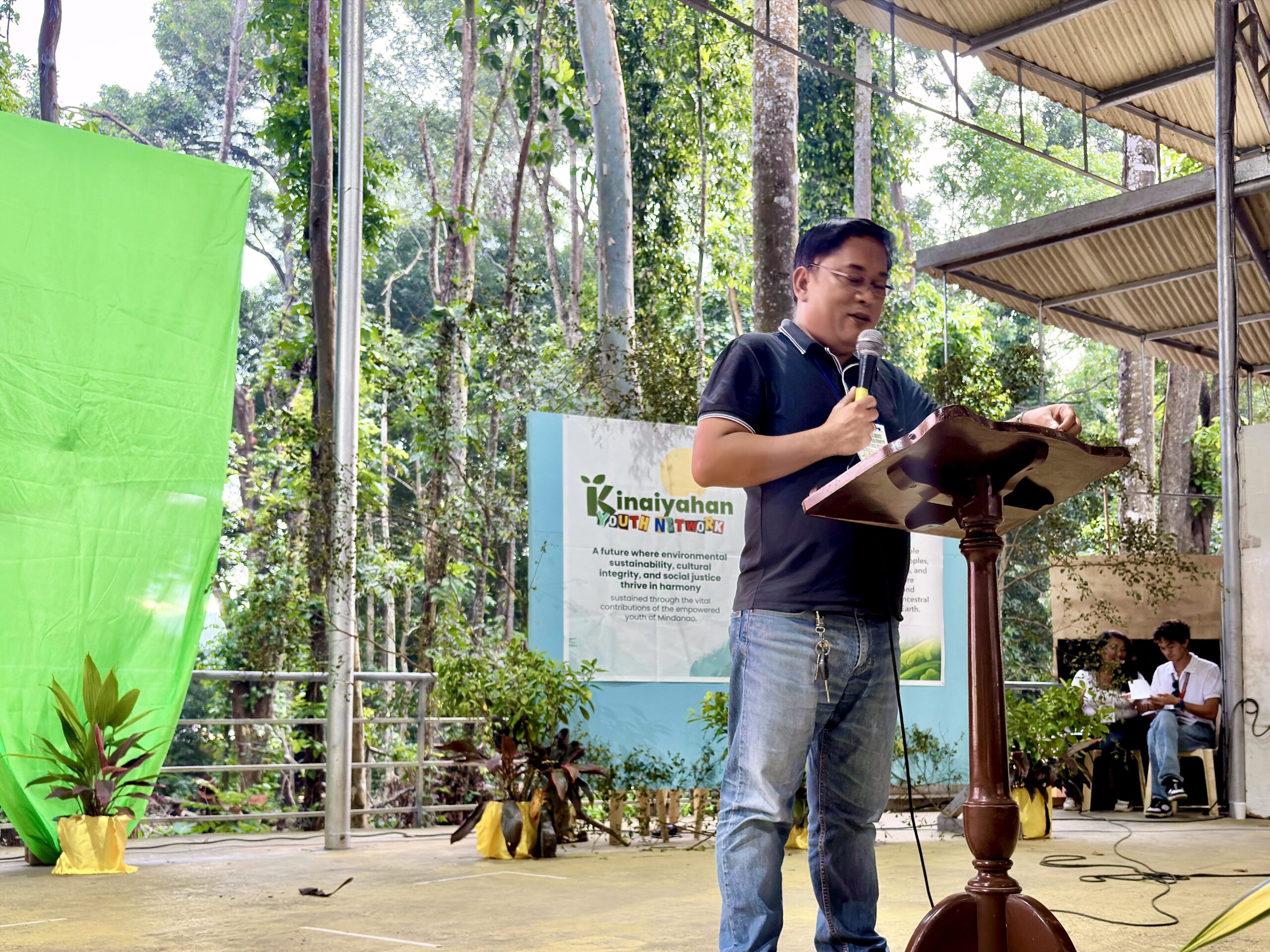
Fr. Arthuro Paraiso, Lead Convenor of the PANAAD Network, opened the webinar by emphasizing that the climate crisis is not accidental, but rooted in systemic injustice.
“The climate crisis is not a coincidence—it is the result of systems that continue to exploit both people and the environment,” he stressed.
Mindanao: Resource-Rich, Yet Vulnerable
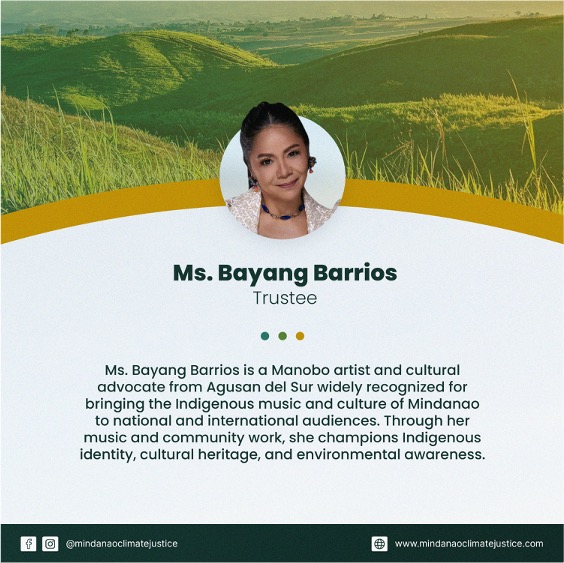
Bayang Barrios, MCJ Board of Trustee, cultural worker, and a Manobo woman from the Caraga Region, presented key highlights of the report:
“Mindanao is resource-rich, yet its people are among the most vulnerable.”
She explained that climate disasters in Mindanao cannot be separated from militarization, development aggression, and displacement. These conditions, compounded by policies that enable extractive industries, have resulted in over 4.4 million displaced people and the closure of more than 100 Lumad schools, based on recent monitoring and documented cases.
“Disasters don’t end when storms pass,” Barrios emphasized. “The impacts continue—especially for Lumad, Bangsamoro, urban poor, and other marginalized sectors. Recovery becomes difficult, and for many, returning home is no longer possible.”
📄 Full report:
https://mindanaoclimatejustice.com/climate-justice-in-mindanao-challenges-realities-and-imperatives-for-action/
Frontline Voices: Lived Realities Across Mindanao
These realities were further echoed by speakers from frontline communities across Mindanao.
Prof. Tirmizy E. Abdullah, peace and justice advocate, described Marawi as “ground zero for climate injustice.”Nearly a decade after the siege, thousands of Moro families remain in temporary shelters.
“We’re sentencing internally displaced persons to live in environments that are hostile to human health,” he said.
He pointed to the environmental destruction caused by the bombing of Marawi—loss of forest cover, disrupted ecosystems, and stripped livelihoods—and called for the right to return and climate-resilient housing as urgent priorities.
Ancestral Land Struggles Continue
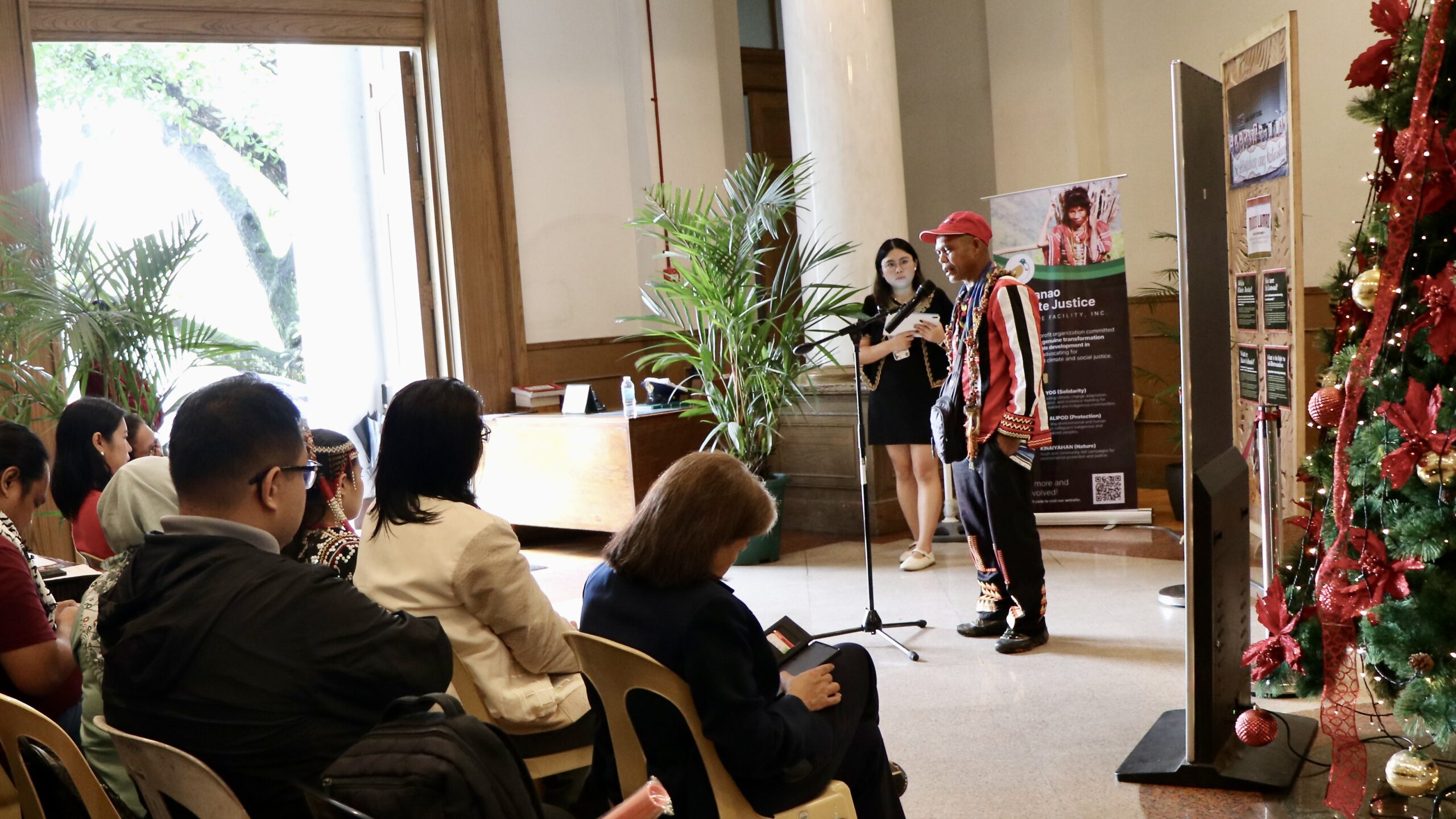
Datu Rolando Anglao, PANAAD Network Convenor and Tribal Chieftain Supreme, shared the continuing struggle of the Manobo-Pulangiyon tribe in Quezon, Bukidnon.
Their ancestral lands are currently occupied by a pineapple plantation under Kianteg Development Corporation. Despite legal recognition, families remain displaced and are forced to live along highways in unsafe and inhumane conditions.
Yet, even in the face of eviction and hardship, the community remains steadfast in asserting their right to land and self-determination.
Lumad Education and Ecological Defense
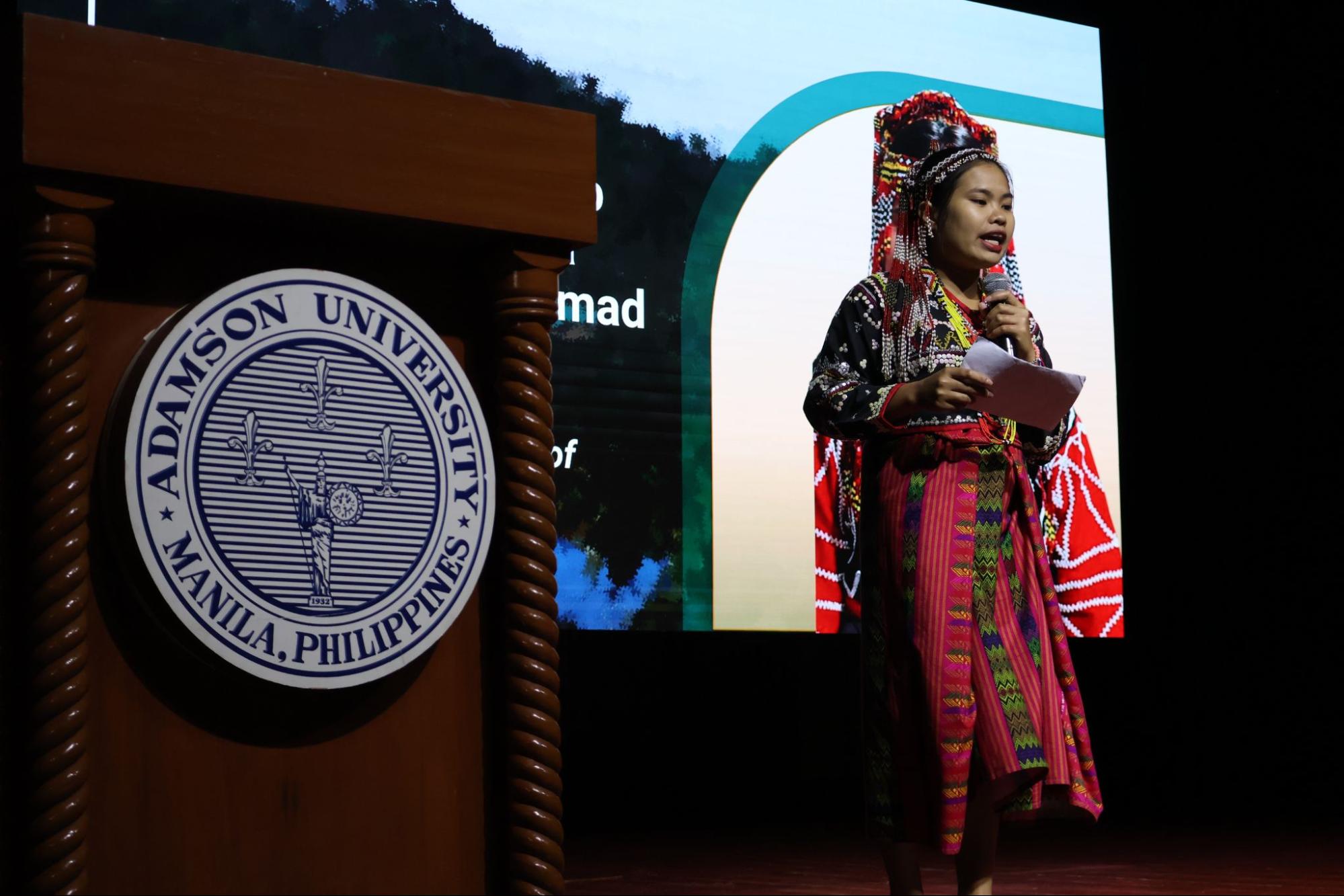
Angelika Moral, Blaan youth leader and spokesperson of the Talaingod 13, spoke about the critical role of Lumad schools:
“Lumad schools are not just schools. They are spaces where we learn our culture, our responsibility to defend the land, and how to sustain our communities.”
She highlighted how these schools teach agroecology, food security, and environmental stewardship—making them central to ecological defense.
Angelika also shared her testimony as a former Lumad student and key witness in the Talaingod 13 case, calling for the dropping of charges and reopening of Lumad schools.
“Closing Lumad schools does not just take away education—it takes away our knowledge of how to protect the land and resist environmental destruction.”
Youth Call to Action

Ms. Fatima Nicole Arinos Cañon, Diocesan Youth Leader and President of Kinaiyahan Youth Bukidnon Chapter, challenged participants:
“The earth does not need spectators—it needs defenders.”
She urged young people to move beyond awareness and into action:
“Let this moment awaken us. Not just to understand, but to act—with courage, conviction, and love.”
From Reflection to Action
In her closing remarks, Victoria Nolasco, Executive Director of MCJ, posed a critical question:
“Why is it that in Mindanao, crisis follows crisis?”
She connected the experiences shared throughout the webinar, emphasizing that these are not isolated incidents but interconnected realities shaped by systemic conditions.
“This paper is not the final word—it is a starting point,” Nolasco said. “We invite you to engage with it, question it, deepen it, and use it in practice. Understanding is not enough—we must act together.”
Growing Solidarity Across Borders

The webinar gathered over 100 participants from across the Philippines and internationally, including attendees from Seattle, Florida, New York, and the Netherlands.
During the open forum, a participant from the Archdiocese of Seattle shared:
“We will support you from afar and continue to stand with you. We rise together for the future.”
Call to Participate and Organize
MCJ invites those who want to take part in this work to engage with and support the PANAAD Network and the Kinaiyahan Youth for Climate Justice.
The PANAAD Network brings together community organizations, churches, and institutions that accompany Indigenous, Moro, and rural communities on the frontlines of climate justice—through campaigns, services, and collective action.
The Kinaiyahan Youth for Climate Justice empowers young people to take part in environmental and climate justice work through community campaigns, clean-up drives, immersions, and advocacy initiatives.
Together, these efforts continue to build grassroots leadership, strengthen solidarity, and defend land, life, and the future of communities across Mindanao.
Continuing the Work
The launch of the Mindanao Climate Justice Report is not an endpoint, but part of an ongoing process of organizing, advocacy, and accompaniment.
As communities continue to face displacement, environmental destruction, and injustice, MCJ calls on partners, advocates, and the broader public to take part in building collective responses.