Land, Sovereignty, and the Extractive Order in Mindanao
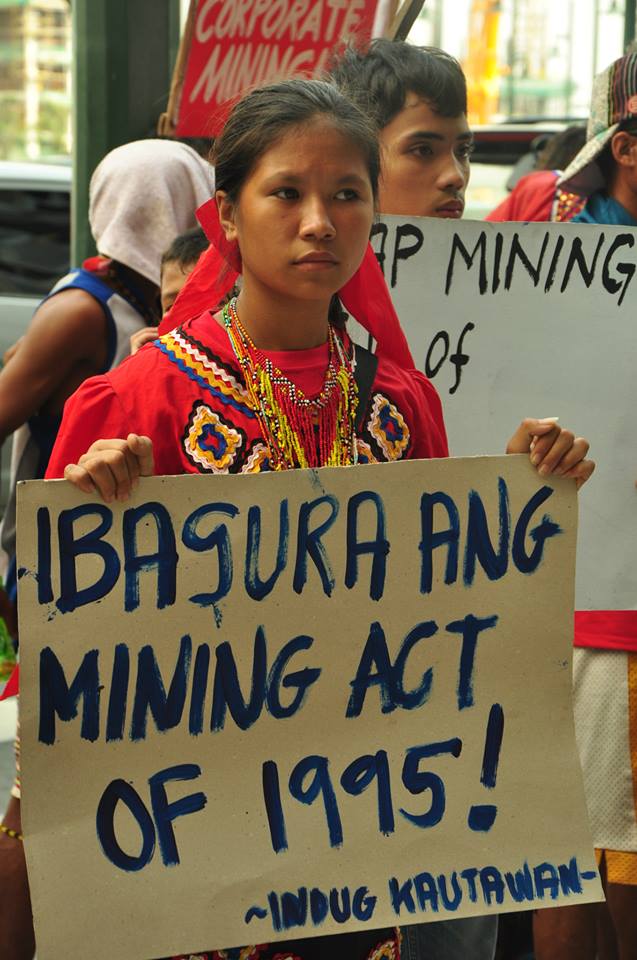
Thirty-one years after the passage of Republic Act 7942 — the Philippine Mining Act of 1995 — its consequences are not confined to policy debates. They are etched across Mindanao’s uplands, watersheds, ancestral domains, and mineral belts.
According to the Mines and Geosciences Bureau (MGB, 2023), 948,209 hectares in Mindanao are under mining tenement — nearly one million hectares legally committed to Mineral Production Sharing Agreements (MPSAs), Financial and Technical Assistance Agreements (FTAAs), and exploration permits.
Nearly one million hectares.
These are not vacant spaces on a map. They are farms that feed communities, forests that regulate river systems, mountains that protect watersheds, and ancestral territories of Lumad and Moro peoples whose lives and livelihoods are tied to the land.
Over three decades, RA 7942 has entrenched what can be described as an extractive order — a system that secures long-term mineral concessions through centralized state authority and integrates the country into global raw material supply chains. It has been effective in guaranteeing investor stability and export continuity.
What remains unresolved is whether this structure has delivered meaningful and sovereign development for mineral-producing communities.
Mindanao hosts vast mineral wealth. Yet poverty persists in several mining provinces. Extraction has expanded at territorial scale, while value addition largely occurs abroad. Concessions are secured for decades, even as questions of ancestral authority, ecological limits, and local economic transformation remain contested.
The law has proven durable.
The deeper question, thirty-one years later, is durable for whom — and at what cost to land, livelihood, and democratic control over natural resources?
Vast Mineral Wealth, Limited Structural Transformation
Mindanao holds roughly 40 percent of the country’s estimated mineral reserves, based on longstanding government assessments. Earlier valuations by the Department of Environment and Natural Resources (DENR) and the Mines and Geosciences Bureau (MGB) placed the gross in-ground value of Philippine mineral resources at over USD 1 trillion — a geological estimate of potential mineral wealth, with Mindanao comprising a substantial share.
By geological measure, the island is extraordinarily rich.
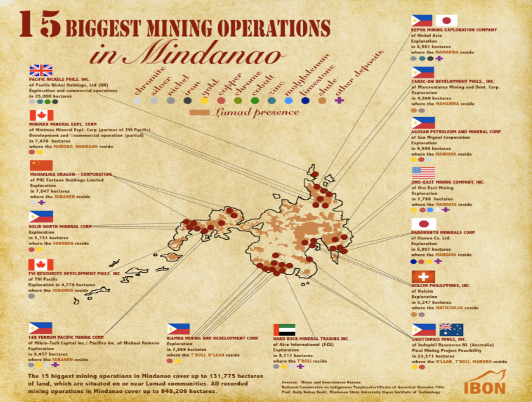
The Philippines consistently ranks among the world’s top nickel producers, and much of this output comes from Caraga and other mineral belts in Mindanao. Mineral production statistics reflect large-scale extraction operating at territorial scale. Yet the broader economic transformation remains limited.
According to the Philippine Statistics Authority, mining contributes just over 1 percent of national Gross Domestic Product and accounts for less than 1 percent of total employment. Nearly one million hectares are committed to extraction, yet fewer than one in every hundred Filipino workers is employed in the sector.
This imbalance is not incidental. It reflects the capital-intensive structure of large-scale mining. In the Davao Region, for example, ₱20.1 billion in mining investments correspond to only 4,682 direct jobs — demonstrating how significant capital deployment does not necessarily translate into broad employment generation.
The dominant pattern remains upstream extraction. Nickel and other minerals are exported in raw or minimally processed form, while refining, battery precursor production, and higher-value manufacturing take place largely outside the country.
The Philippines extracts. Industrial surplus accumulates elsewhere.
This is not simply a trade pattern. It reflects a structural position within global commodity chains in which mineral-rich regions supply raw inputs while value-added production, technological control, and industrial leverage remain concentrated abroad. The concession regime secures land and mineral tenure domestically, but the higher-value stages of transformation are externalized.
Thirty-one years after RA 7942, the mining sector remains anchored in export-oriented extraction rather than domestic industrial upgrading. Vast territory is committed. Mineral output expands. Yet the structural transformation of the economy — in terms of diversified industry, large-scale employment, and sovereign control over value chains — remains constrained.
The scale of extraction is undeniable. The depth of transformation is not.
Mineral Abundance, Persistent Poverty
The contradiction becomes sharper when viewed through poverty data.
According to the Philippine Statistics Authority (PSA) 2023 statistics, national poverty incidence among families stands at10.9 percent. In Caraga — widely regarded as the country’s nickel-producing center and host to some of the largest mining operations — poverty incidence among families is14.9 percent, higher than the national average despite decades of sustained mineral extraction. In the Bangsamoro Autonomous Region in Muslim Mindanao (BARMM), where mineral and energy concessions also overlap vulnerable communities, poverty incidence among families reaches 23.5 percent.
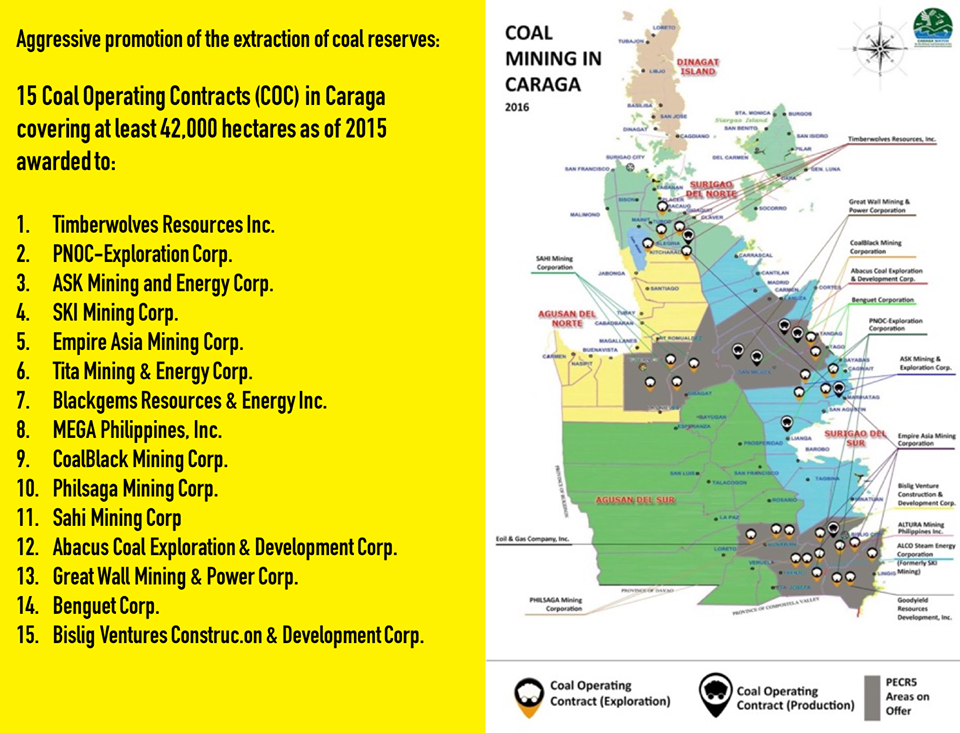
Caraga generates significant mineral output and export revenue. Yet poverty remains elevated in several of its provinces.
Across Mindanao, approximately1.4 million families experience subsistence poverty, meaning household income falls below the food threshold required to meet minimum nutritional needs. In upland and rural areas where mining tenements overlap ancestral domains and agricultural lands, livelihoods remain dependent on small-scale farming, forest resources, and informal economies that are often fragile and exposed to land conversion and environmental disruption.
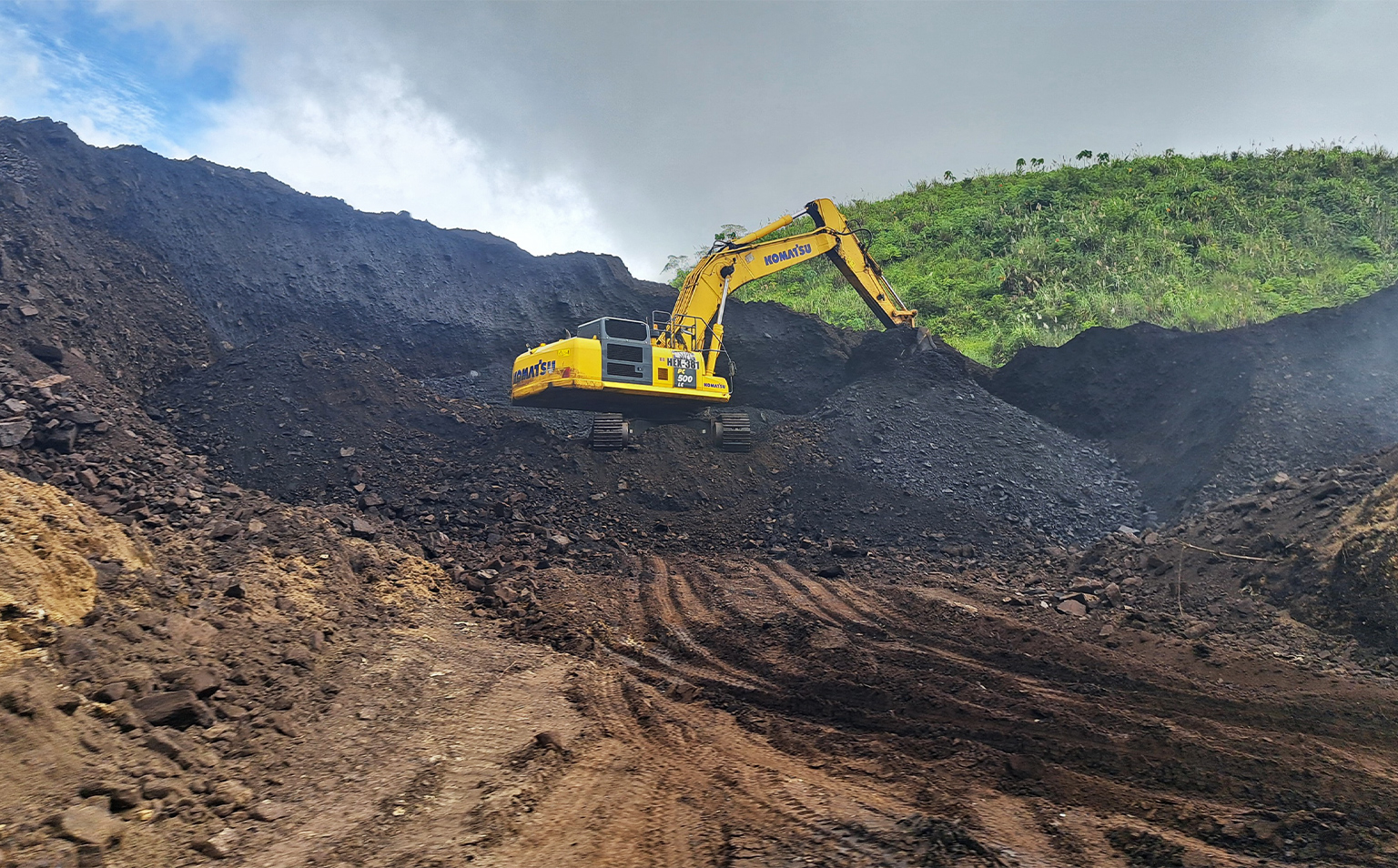
Mindanao is mineral-rich. Many mineral-producing communities remain economically vulnerable.
This reality cannot be explained by geology. Nor can it be reduced to mining alone. Poverty in Mindanao is rooted in historical land inequality, uneven public investment, and long-standing marginalization of rural and Indigenous communities.
But the structure of large-scale, concession-based extraction interacts with these inequalities rather than resolving them.
The prevailing model privileges capital-intensive operations and raw material export. Employment absorption remains limited. Domestic downstream industries remain weak. Value-added processing, technological upgrading, and industrial manufacturing largely occur outside the country. Fiscal revenues fluctuate with global commodity prices, while long-term territorial commitments remain fixed on the ground.
In practice, this means that while mineral production statistics rise, local economic transformation is neither automatic nor guaranteed. Gains tend to concentrate among large operators and export intermediaries, while broad-based, community-centered development depends on policy choices that the current framework does not structurally compel.
Mineral abundance has not translated into sovereign, inclusive development in several of Mindanao’s resource-rich provinces.
The problem is not geological scarcity.
It is the structural design of a concession-centered, export-oriented model that secures extraction without ensuring that mineral wealth is retained, reinvested, and transformed in ways that decisively reduce poverty in the communities where extraction occurs.
Law, Authority, and the Centralization of Land Control
Republic Act 7942 is anchored in the Regalian Doctrine — a legal principle inherited from Spanish colonial rule that vests ownership of subsoil resources in the State. Under this doctrine, mineral wealth belongs to the State regardless of who occupies, cultivates, or ancestrally governs the land above it.
This principle centralizes authority over minerals at the national level. In practice, mineral concessions are granted through centralized regulatory bodies. Tenure security is long-term and renewable. Once approved, agreements such as Mineral Production Sharing Agreements (MPSAs) and Financial and Technical Assistance Agreements (FTAAs) secure extraction rights for decades, providing institutional stability to investors.
By contrast, the Indigenous Peoples’ Rights Act (IPRA) recognizes ancestral domains and affirms the right of Indigenous communities to Free, Prior, and Informed Consent (FPIC) before projects affecting their territories may proceed.
On paper, these two legal regimes coexist. In practice, they operate with different institutional weight and sequencing.
Mineral concession delineation and approval follow centralized administrative procedures with clearly defined regulatory pathways. Ancestral domain titling, boundary clarification, and governance recognition, however, often involve prolonged processes shaped by documentation requirements, inter-agency coordination, and resource constraints.
The result is structural asymmetry. Concession boundaries can be secured for decades. Community territorial authority must still be formally recognized, processed, and defended.
In some cases, mineral blocks are already defined before ancestral domain claims are fully resolved. Where mining tenements overlap Indigenous territories and critical watershed systems, two governance frameworks intersect — one that presumes state authority over subsoil resources and secures long-term extraction rights, and another that affirms collective territorial rights but requires procedural validation.
This asymmetry does not merely produce bureaucratic delay. It shapes power over land-use decisions.
It determines whose authority is institutionally stable and whose remains conditional. It influences how consent processes unfold, how negotiations are structured, and how disputes over land and watershed protection are mediated.
In climate-vulnerable regions like Mindanao, where upland forests regulate water flow and protect downstream agriculture, decisions about mineral tenure are not only questions of investment. They are decisions about territorial planning, ecological ceilings, and long-term resilience.
Mining therefore functions not only as an economic sector, but as a territorial governance regime. Through centralized concession systems, it reorganizes authority over land — consolidating control within national frameworks aligned with concession stability, while communities navigate layered procedures to assert recognition within the same landscape.
Thirty-one years after RA 7942, the question is no longer whether these legal frameworks coexist. It is how their structural asymmetry shapes control over land, water, and the future of mineral-rich territories.
Critical Minerals and the Question of Sovereignty
Under PresidentFerdinand Marcos Jr., mineral expansion is being reframed under the language of “critical minerals” and energy transition. The Philippines is positioning itself as a strategic supplier of nickel, copper, and other transition minerals essential to renewable energy systems, battery technologies, and electric vehicle supply chains.
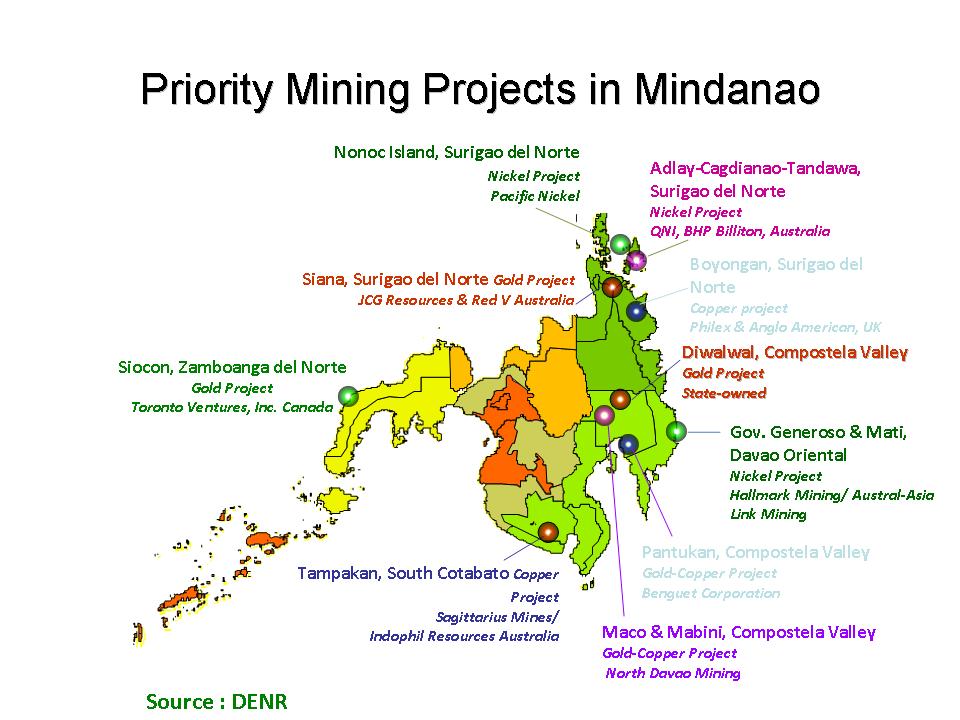
Global demand for these minerals is accelerating amid intensifying geopolitical competition and supply chain realignment. Major industrial powers are seeking secure access to raw materials as part of broader economic and strategic rivalry. Resource-rich countries like the Philippines are being drawn more deeply into these emerging mineral corridors.
Yet beneath this new language, the underlying structure of production remains largely unchanged.
Nickel extracted in Mindanao continues to be exported in raw or minimally processed form. Refining, advanced processing, battery precursor production, and higher-value manufacturing are concentrated abroad — particularly in countries that dominate global refining capacity. The Philippines remains positioned primarily at the upstream end of the value chain.
Public cooperation frameworks emphasize supply chain integration, regulatory harmonization, and investment facilitation. What they do not structurally require are binding commitments to domestic refining capacity, enforceable technology transfer, permanent protection of critical watersheds and biodiversity areas, or mechanisms that ensure mineral wealth is retained and reinvested to strengthen local industry and community resilience.
In this context, the energy transition does not automatically signify structural transformation. A green transition built on intensified raw mineral export from climate-vulnerable regions risks reproducing longstanding patterns of extractive dependency under a renewable label.
The question, therefore, is not whether transition minerals are necessary. It is how mineral governance is designed.
Sovereignty in this context means more than formal ownership of subsoil resources. It means industrial sovereignty — the capacity to move beyond raw export. It means technological sovereignty — the ability to build domestic processing and innovation capacity. It means ecological sovereignty — the authority to establish non-negotiable protections for fragile uplands and watersheds. And it means democratic sovereignty — ensuring that mineral-producing communities exercise meaningful influence over how their territories are used.
Without structural redesign, the critical minerals agenda may deepen the Philippines’ role as a supplier of raw materials within global hierarchies, while ecological burdens remain localized and higher-value industrial gains accumulate elsewhere.
Thirty-one years after RA 7942, the transition moment represents a crossroads. Whether it becomes an opportunity for genuine transformation — or an extension of the existing extractive order — depends on how sovereignty is asserted in policy, law, and territorial planning.
Climate Justice and Territorial Risk
The Philippines remains one of the most disaster-risk-exposed countries in the world, facing recurrent typhoons, extreme rainfall, flooding, landslides, and seismic activity. In 2025 alone, 23 tropical cyclones entered the Philippine Area of Responsibility. The United Nations Office for the Coordination of Humanitarian Affairs (OCHA) reported nearly 100,000 displaced persons across Mindanao due to disasters and conflict.
This is not a stable environmental baseline. It is an escalating risk environment. It is within this context that large-scale mineral extraction expands across Mindanao’s uplands and watershed systems.
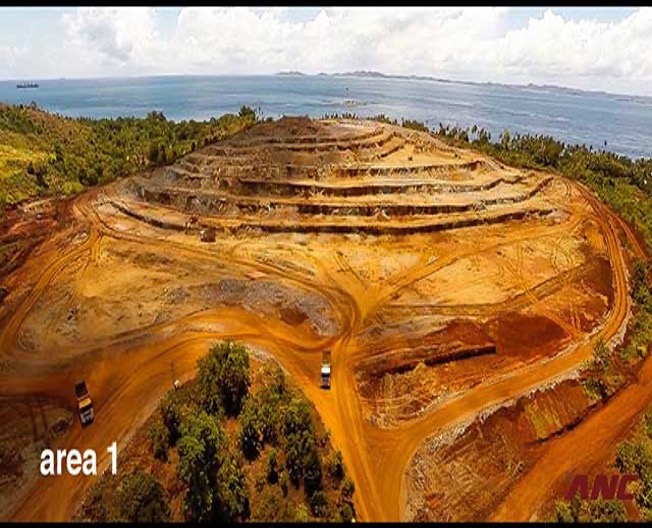
Many mining tenements overlap forested uplands and watershed recharge zones — landscapes that regulate water flow, stabilize slopes, and protect downstream farms, fisheries, and settlements. Upland forests function as natural buffers against extreme rainfall. They slow surface runoff, reduce soil erosion, and maintain hydrological balance in river systems that sustain millions of people.
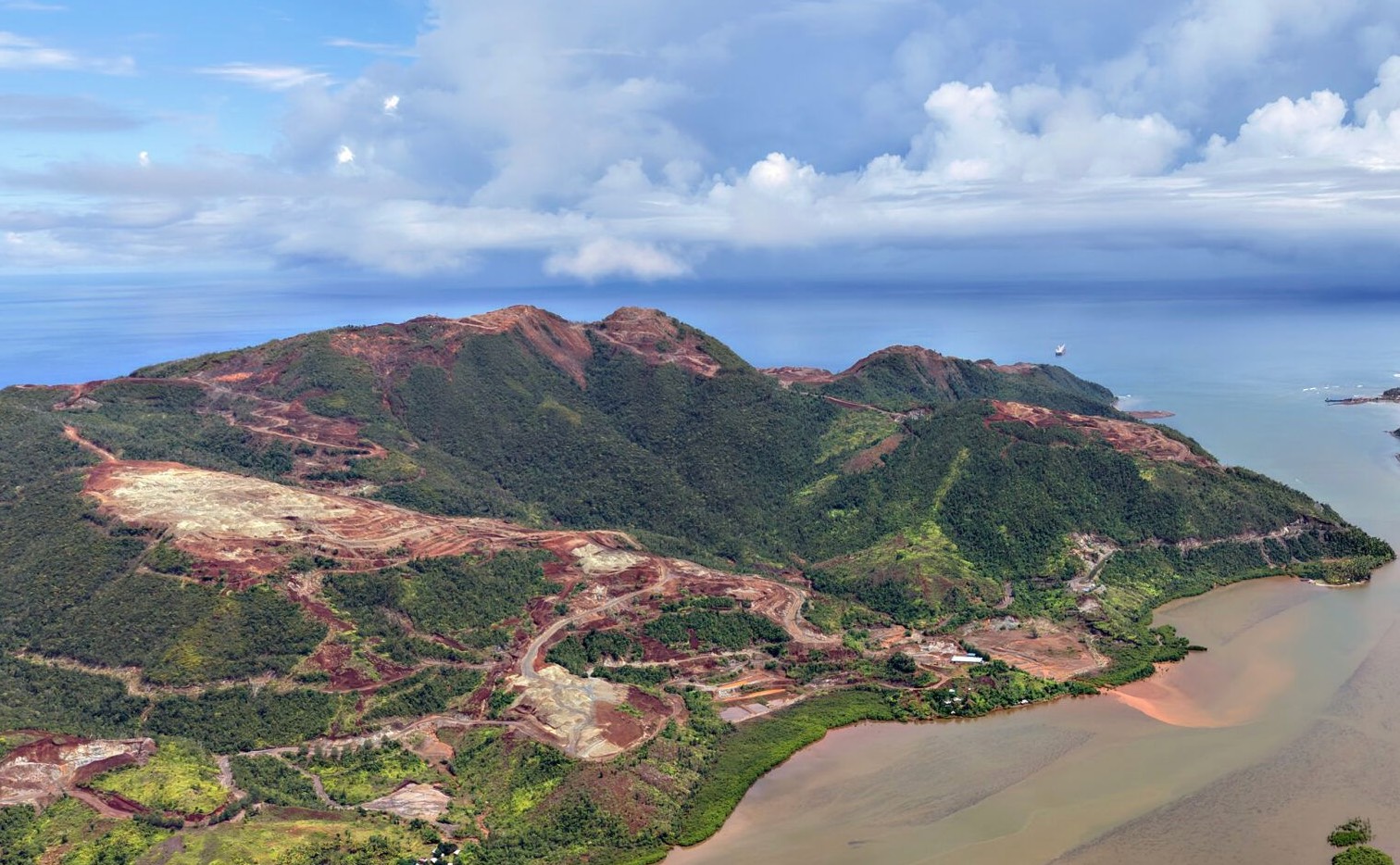
Large-scale extraction alters vegetation cover, reshapes slopes, modifies drainage systems, and introduces long-term containment challenges for tailings facilities. In a period of intensifying rainfall variability, infrastructure engineered under historical climate assumptions faces increasing stress. Extreme weather events heighten the probability of slope instability, sedimentation, and containment failure.
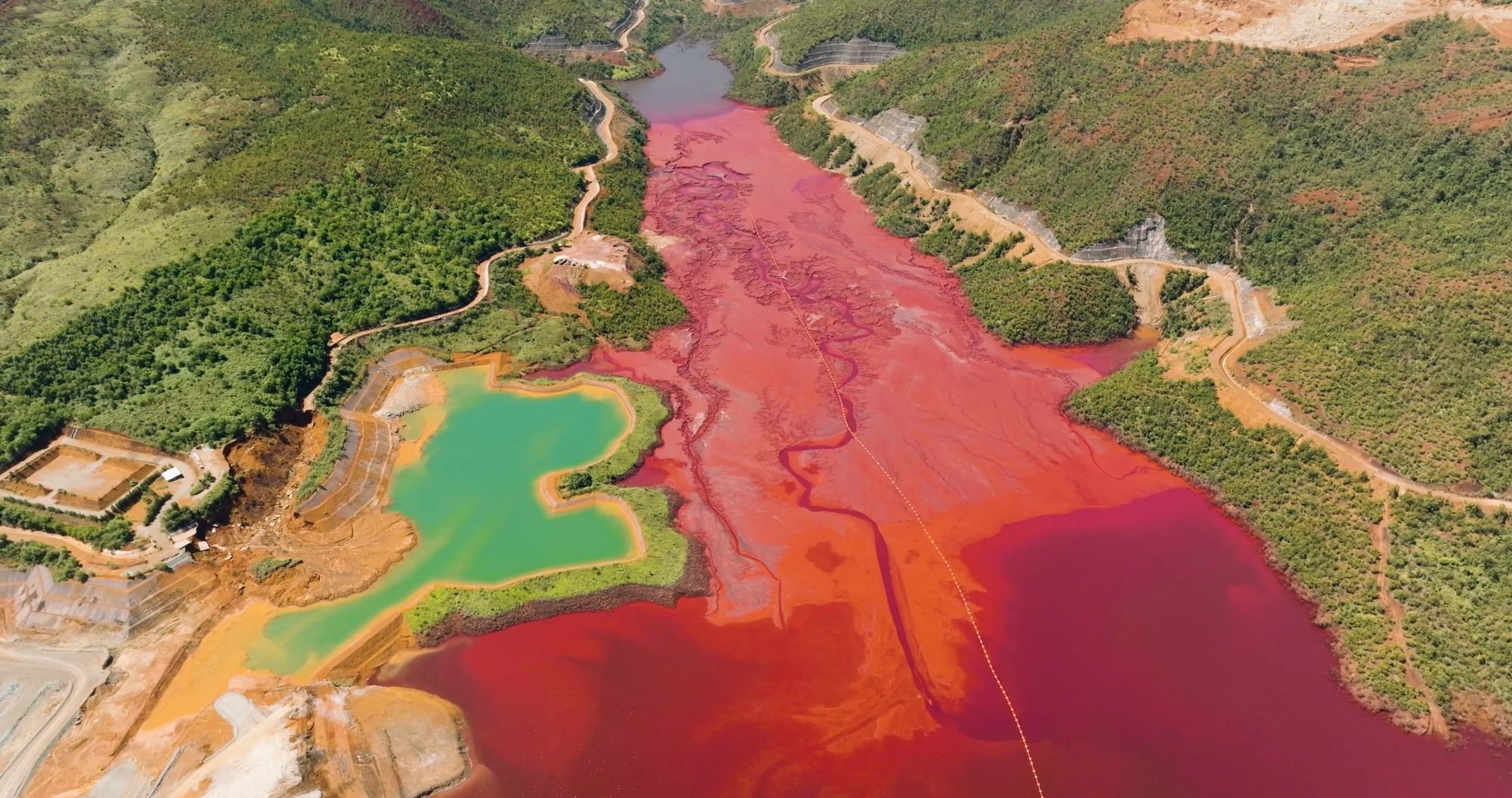
Mining does not create typhoons. But it can weaken natural defenses.
When watershed disturbance intersects with heavier rainfall, fragile upland terrain, and expanding concession footprints, systemic vulnerability increases. The cumulative effects may unfold gradually, but they reshape risk across entire landscapes.
Climate justice, therefore, is not only about reducing emissions. It is also about unequal exposure and layered vulnerability. Communities that have not captured the higher-value industrial gains of mineral production should not bear disproportionate ecological risk from its extraction.
In Mindanao’s mineral frontiers, environmental burdens — deforestation, siltation, slope destabilization, and long-term waste containment — remain localized in climate-exposed territories. Meanwhile, much of the value-added industrial transformation linked to transition minerals occurs elsewhere.
Risk remains where minerals are taken. Higher-value returns accumulate where they are processed.
This imbalance reflects the same concession-centered, export-oriented structure described earlier. Territorial commitments expand in the very landscapes that anchor climate resilience, while long-term ecological liabilities remain embedded in upland and rural communities.
In a climate-vulnerable archipelago, mineral governance cannot be evaluated solely by output volumes or export earnings. It must also be assessed by whether it strengthens or undermines watershed protection, disaster risk reduction, and the long-term security of communities living within mineral-rich territories.
Militarization and Civic Space in Extractive Territories
Mining expansion in Mindanao unfolds within landscapes long shaped by armed conflict, counterinsurgency operations, unresolved land disputes, and competing claims over ancestral territories. Many of the island’s mineral belts overlap upland areas that have historically experienced sustained military presence and security operations.
International watchdog organization Global Witness has repeatedly ranked the Philippines among the most dangerous countries in the world for land and environmental defenders over the past decade, documenting numerous killings, many of them in Mindanao’s resource frontiers. These incidents are often concentrated in areas where high-value mineral concessions intersect Indigenous territories and contested land claims.
Legal and Human Rights advocacy organizations have documented cases involving the arrest, prosecution, and criminalization of Indigenous leaders, environmental defenders, and community organizers in mining-affected provinces. Even when charges do not result in conviction, prolonged legal proceedings can restrict mobility, drain community resources, and generate chilling effects on civic participation.
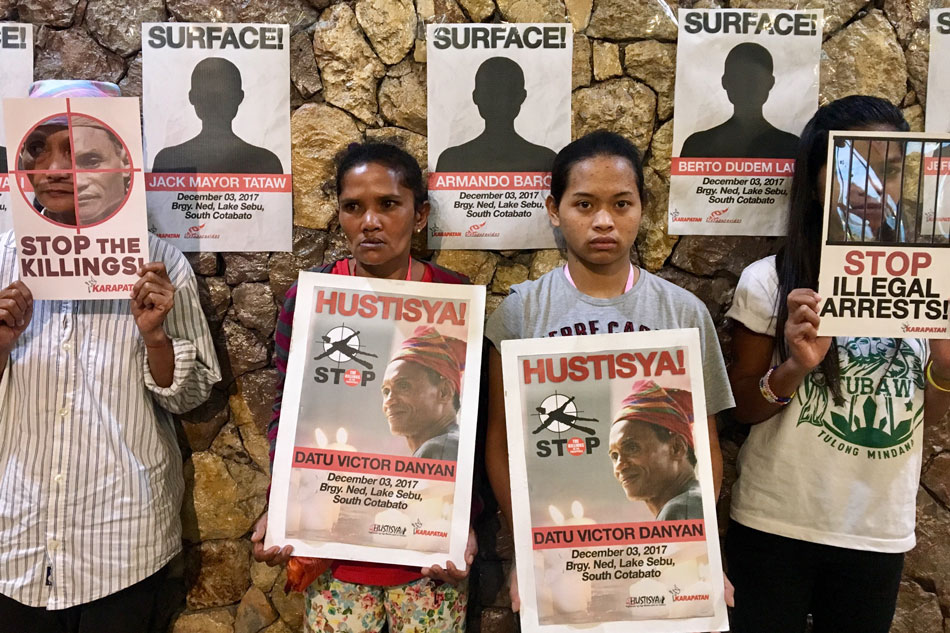
Where large-scale mineral concessions overlap contested ancestral domains in militarized regions, structural power asymmetries deepen. Security deployments justified under asset protection or counterinsurgency mandates shape the broader environment in which consultations, assemblies, environmental monitoring, and land-use deliberations take place. When armed presence surrounds contested projects, the conditions under which communities express consent or dissent are inevitably influenced by that context.
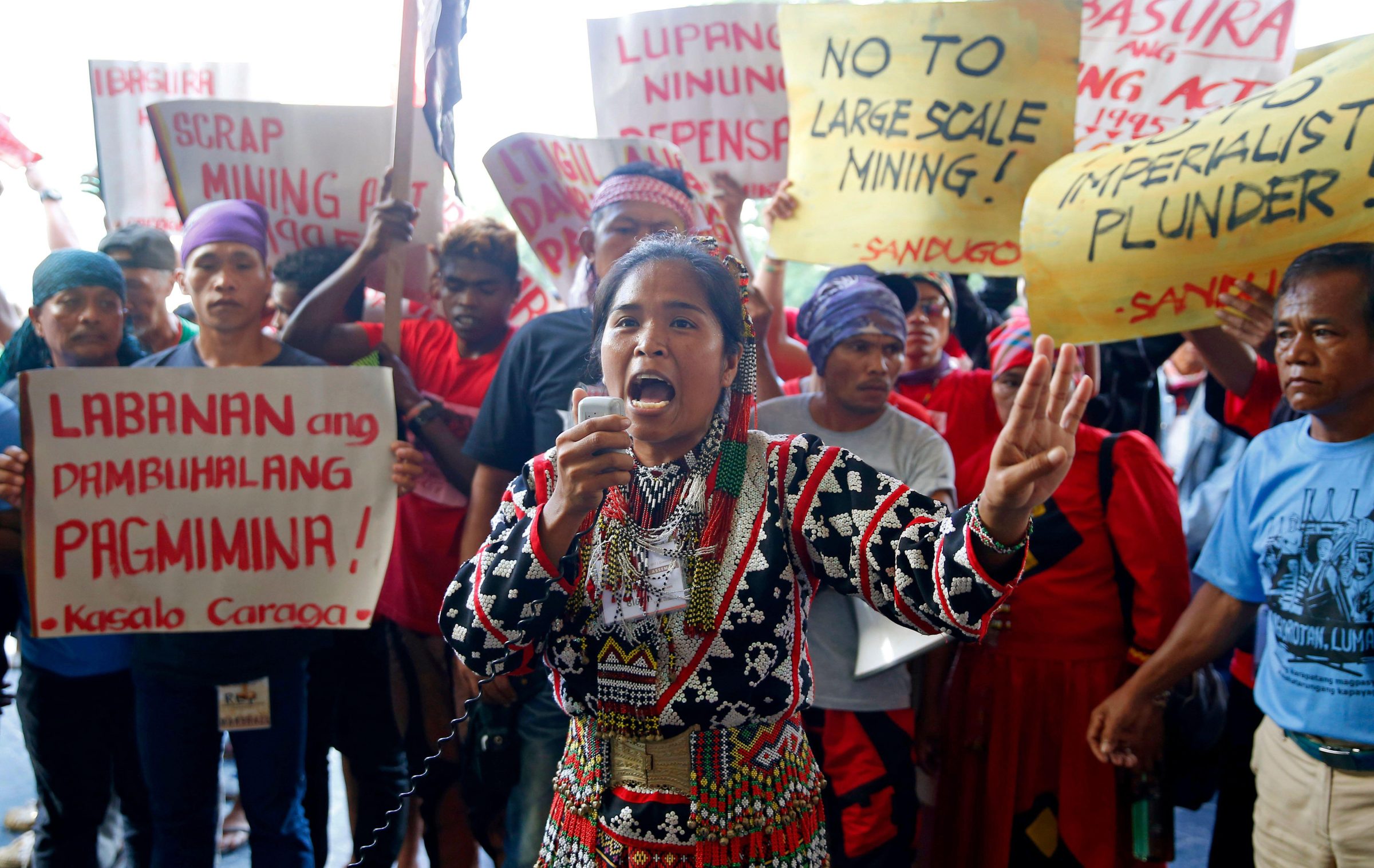
Mining does not create insurgency. But concession expansion into historically militarized territories interacts with pre-existing security architectures. Long-term mineral tenure embedded within securitized landscapes reshapes the terrain of civic engagement. The intersection of land governance and security governance can narrow the practical space for democratic participation, particularly for communities asserting ancestral authority over land and watershed systems.
This interaction is not accidental. It is a predictable consequence of embedding extractive expansion within regions where military presence is already integrated into governance structures. In such contexts, struggles over mineral development are not only economic or environmental debates. They become questions of rights protection, procedural fairness, and the real conditions under which consent is exercised.
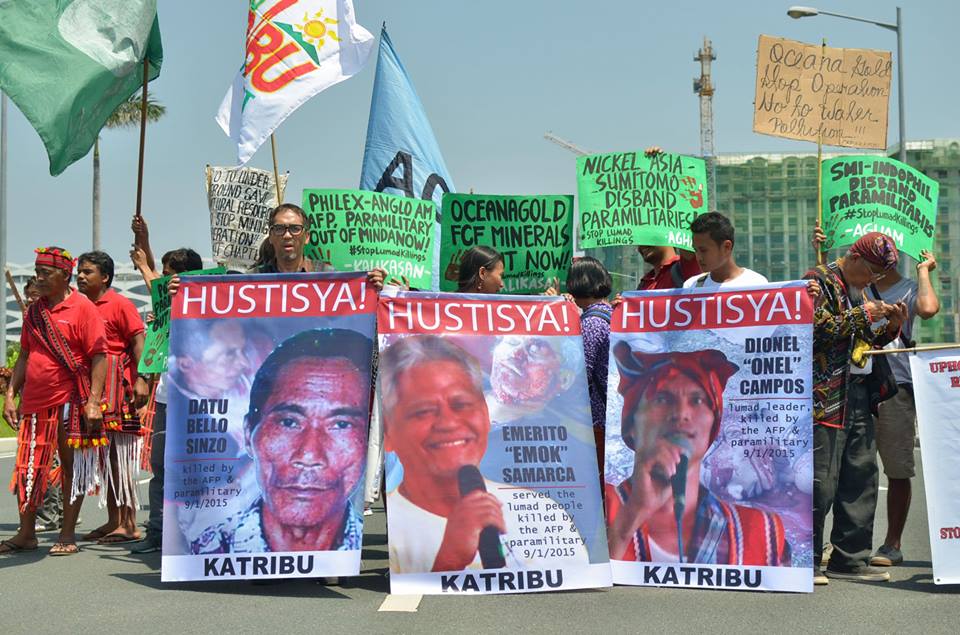
For communities in Mindanao’s mineral frontiers, land is not merely a site of extraction. It is identity, livelihood, jurisdiction, and future. When extractive expansion intersects with militarized governance, the stakes extend beyond environmental impact — they reach into the core of civic space and democratic authority.
Yet across these same territories, communities continue to organize, deliberate, and assert their rights — demonstrating that even within constrained civic environments, resistance and democratic engagement persist.
People’s Resistance and Democratic Assertion
Mining in Mindanao has never advanced without resistance.
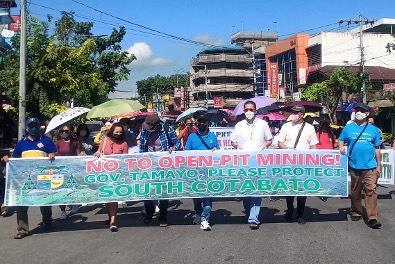
Across decades, mineral expansion has been met not only with protest, but with organized, sustained democratic assertion over land, livelihood, and territorial authority. These struggles are not episodic reactions; they are part of a long historical continuum in which marginalized and working communities defend control over the landscapes that sustain them.
In South Cotabato, years of mobilization by B’laan communities, church institutions, local governments, and civil society coalitions led to the passage of a provincial ban on open-pit mining affecting the Tampakan project. This was not symbolic legislation. It emerged from organized public hearings, sustained community education, pastoral advocacy, and persistent political engagement that reasserted local authority over watershed protection and ancestral territory.
In Caraga and eastern Mindanao, community groups have conducted independent environmental monitoring, organized fact-finding missions, filed legal challenges, and mobilized public opinion around destructive practices. These efforts have compelled regulatory scrutiny and prevented major decisions from being confined to technical agencies alone.
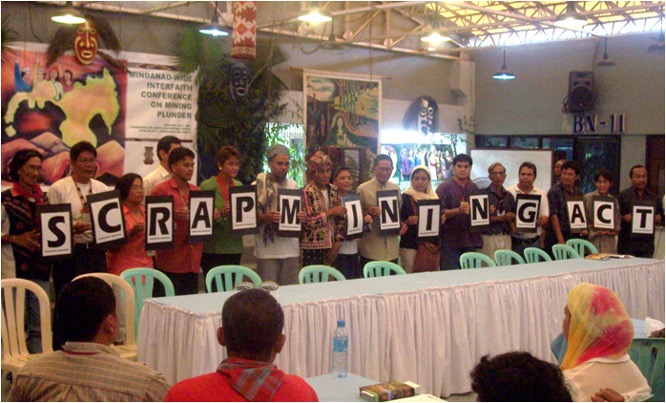
Indigenous communities have asserted ancestral domain rights through assemblies, petitions, and sustained organizing — insisting that land is not merely a mineral concession block, but a living territory governed by collective stewardship and intergenerational responsibility.
Small-scale miners in areas like Pantukan have likewise defended livelihood access against consolidation by larger operators, revealing tensions within the extractive sector itself and highlighting how resource concentration affects multiple layers of working communities.
These struggles reflect the material realities of farmers, Indigenous peoples, small-scale producers, and rural laboring sectors whose survival is directly tied to land and watershed systems. For farming families, rivers and upland forests are food systems and flood buffers. For Lumad communities, ancestral domains are governance structures, cultural foundations, and territorial jurisdictions. For downstream communities, watershed integrity determines whether livelihoods endure or collapse.
Resistance has not been without cost. Community leaders and environmental defenders have faced harassment, red-tagging allegations, criminal charges, and, in some cases, lethal violence. These pressures unfold within the militarized contexts described earlier, where extractive expansion intersects with security deployments and narrowed civic space.
Yet resistance persists because it is grounded in collective survival and democratic assertion.
People’s movements in Mindanao are not rejecting development. They are advancing an alternative vision of development anchored in territorial sovereignty, watershed protection, local food systems, equitable value retention, and democratic control over natural resources. They assert that mineral wealth should strengthen domestic industry and community resilience — not displace livelihoods or externalize ecological risk.
In Mindanao’s mineral frontiers, democratic assertion over land is not peripheral to the debate. It is central to the question of who exercises authority over national patrimony, whose development priorities prevail, and how the future of resource-rich territories is determined.
Toward an Alternative Framework
Thirty-one years of implementation demonstrate that incremental adjustment is insufficient. The structural tensions embedded in RA 7942 — between concession security and territorial authority, between export dependency and domestic transformation, between extraction and climate resilience — cannot be resolved through minor regulatory refinements alone.
What is required is a reorientation of mineral governance itself.
If mineral policy is to align with long-term national development and ecological security, structural shifts must place territorial integrity, democratic authority, and domestic transformation above automatic concession expansion.
First, permanent no-go zones must be established in critical watersheds, biodiversity corridors, and geologically fragile uplands. In a climate-vulnerable archipelago, certain landscapes cannot be treated as negotiable extraction blocks. Watershed protection must anchor national land-use planning.
Second, ancestral domain governance must be strengthened beyond procedural compliance. Free, Prior, and Informed Consent (FPIC) must be exercised under conditions genuinely free of coercion, with institutional support that ensures Indigenous communities are not negotiating from structurally disadvantaged positions. Consent must be substantive, not merely procedural.
Third, mineral policy must decisively move beyond raw export orientation. Mandatory domestic processing, enforceable technology transfer, and industrial upgrading are essential if mineral wealth is to contribute to sovereign economic transformation rather than remain confined to upstream extraction. Without industrial deepening, mineral-rich regions will remain sites of extraction rather than centers of value creation.
Fourth, fiscal capture must be restructured so that a significantly greater share of mineral revenues is retained within the country and reinvested in host communities. Royalty regimes, taxation structures, and revenue allocation mechanisms must be aligned with long-term development goals — supporting climate adaptation, diversified local economies, food systems, and public infrastructure in mineral-producing areas.
Finally, territorial planning must be anchored in ecological ceilings. Extraction cannot be evaluated solely by projected output, export volume, or investment commitments. It must be assessed against watershed stability, disaster risk reduction, intergenerational equity, and the carrying capacity of upland ecosystems.
The alternative is not the absence of development.
It is a different development trajectory — one that prioritizes sovereignty over natural resources, democratic authority over land-use decisions, ecological protection of life-support systems, and an economic strategy that retains and transforms mineral wealth within the country rather than exporting it in raw form.
Without structural redesign, the concession-centered, export-dependent model will continue to reproduce the same contradictions visible after thirty-one years: vast territorial commitment, limited domestic transformation, localized ecological risk, and persistent inequality in mineral frontiers.
The crossroads is structural. Mineral governance must either remain anchored in extractive continuity — or be restructured to serve people, territory, and long-term national resilience.
Structural Assessment After Thirty-One Years
Thirty-one years after its passage, RA 7942 has proven effective in one primary respect: it has secured mineral tenure.
Concession boundaries are defined. Investor protections are stable. Export integration continues.
But the structural contradictions are unmistakable.
Nearly one million hectares of Mindanao’s uplands, watersheds, and ancestral territories are committed to extraction. Mining contributes roughly one percent of national GDP. Employment absorption remains below one percent of the labor force.
Poverty persists in several mineral-rich provinces, including parts of Caraga and BARMM. Watershed vulnerability intensifies alongside climate instability. Value addition and industrial surplus remain concentrated outside the country.
The extractive order has delivered expansion. It has not delivered structural transformation.
RA 7942 did not invent Mindanao’s historical inequalities. But it entrenched a concession-centered, export-dependent framework that reproduces those inequalities — prioritizing tenure security and raw material integration into global supply chains while leaving domestic industrial deepening, ecological ceilings, and democratic territorial authority structurally secondary.
Thirty-one years is more than enough to evaluate the pattern.
Extraction will remain part of the national economy. The decisive question is how it is organized, who exercises authority over it, and where its value ultimately accumulates.
Will mineral wealth continue to flow outward through export dependency and centralized concession control?
Or will it be reorganized toward sovereign development rooted in domestic industry, ecological protection, and democratic land governance?
Sovereignty cannot remain rhetorical. It must mean concrete control over natural resources, binding ecological limits in climate-vulnerable territories, meaningful community authority in land-use decisions, and an economic strategy that retains and transforms mineral value within the country.
Land is not merely a repository of subsoil resources.
It is livelihood for farmers and fisherfolk.
It is jurisdiction for Indigenous communities.
It is watershed infrastructure that protects downstream cities.
It is the ecological foundation upon which future generations depend.
The next phase of mineral governance will determine whether Mindanao remains primarily a mineral frontier serving external supply chains — or becomes a foundation for democratic control over natural wealth, climate-resilient territorial planning, and an economy that serves its people before external markets.
Thirty-one years have clarified the structure.
The task now is not adjustment at the margins, but structural redirection.