Duyog Mindanao Brings Relief, Healing, and Solidarity to Earthquake-Affected Communities in Glan, Sarangani
Batulaki, Glan, Sarangani Province, Philippines | 4 July 2026
Less than a month after the magnitude 7.8 earthquake that struck Southern Mindanao on June 8, many communities in Glan, Sarangani continue to live with its impacts. Homes remain damaged, livelihoods disrupted, and many families are still rebuilding amid recurring aftershocks and lingering uncertainty.

To help address these continuing needs, Mindanao Climate Justice (MCJ), together with the PANAAD Network, Kinaiyahan Youth Organization, faith leaders, volunteers, and local partners, conducted the Duyog Mindanao Interfaith Humanitarian Mission in Barangay Batulaki, Glan on July 4, bringing relief assistance, psychosocial support, and community accompaniment to earthquake-affected families.
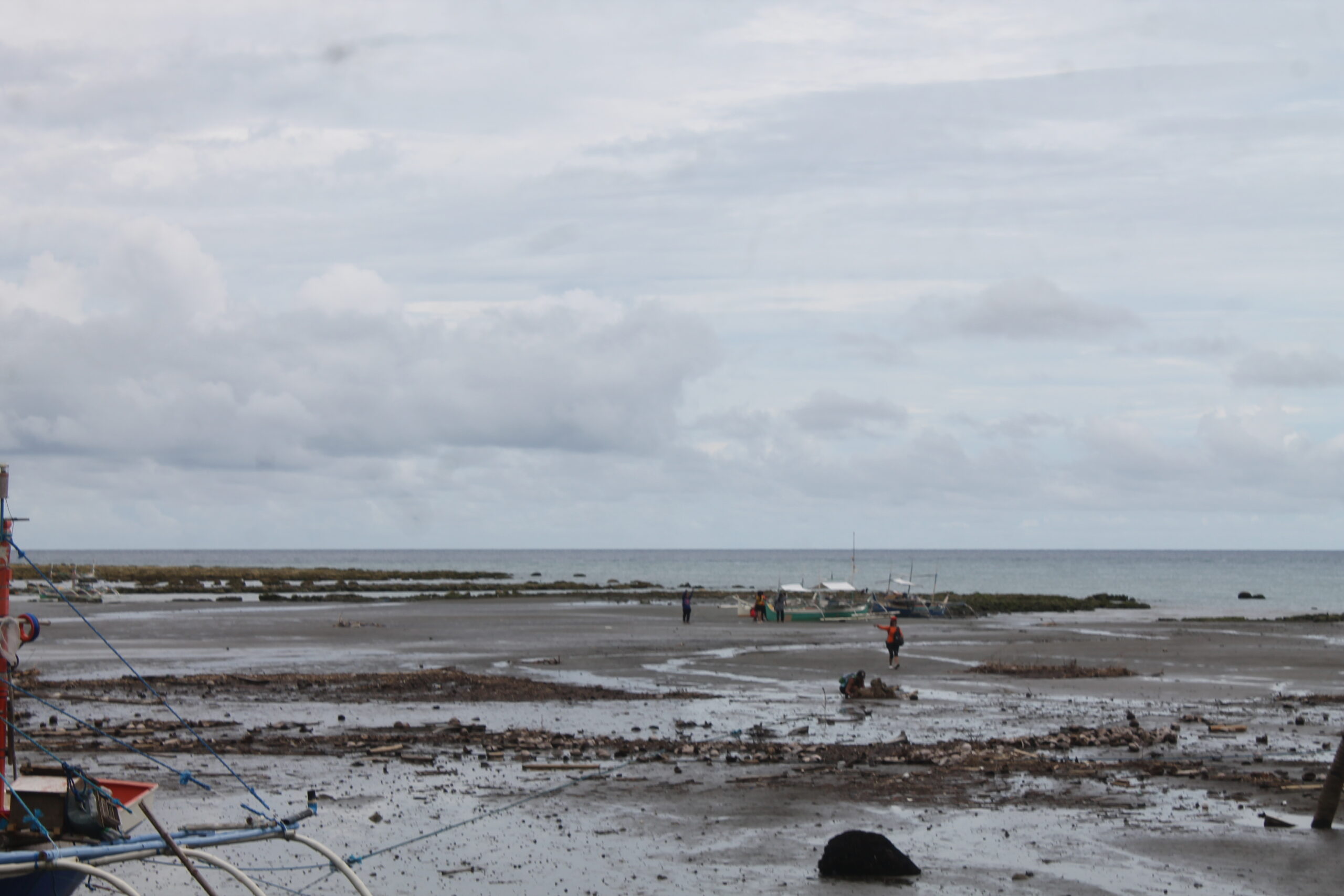
Batulaki was identified by local partners and community leaders as one of the coastal communities requiring continued support following the earthquake. Like many fishing and farming communities in Sarangani, residents continue to face challenges related to damaged homes, interrupted livelihoods, and the emotional impacts of disaster.
Continuing Impacts of the Earthquake
The June 8 earthquake affected thousands of families across Sarangani Province and General Santos City. Humanitarian assessments documented damaged homes, displacement, disrupted livelihoods, and ongoing needs related to food, water, shelter, medicines, and psychosocial support.

For many residents of Batulaki, recovery remains an everyday reality.
During the July 4 mission itself, aftershocks were still felt in the community. As volunteers unloaded supplies and children participated in activities, the ground shook once again—a reminder that while the earthquake may have faded from national attention, its impacts continue to be experienced by affected families.
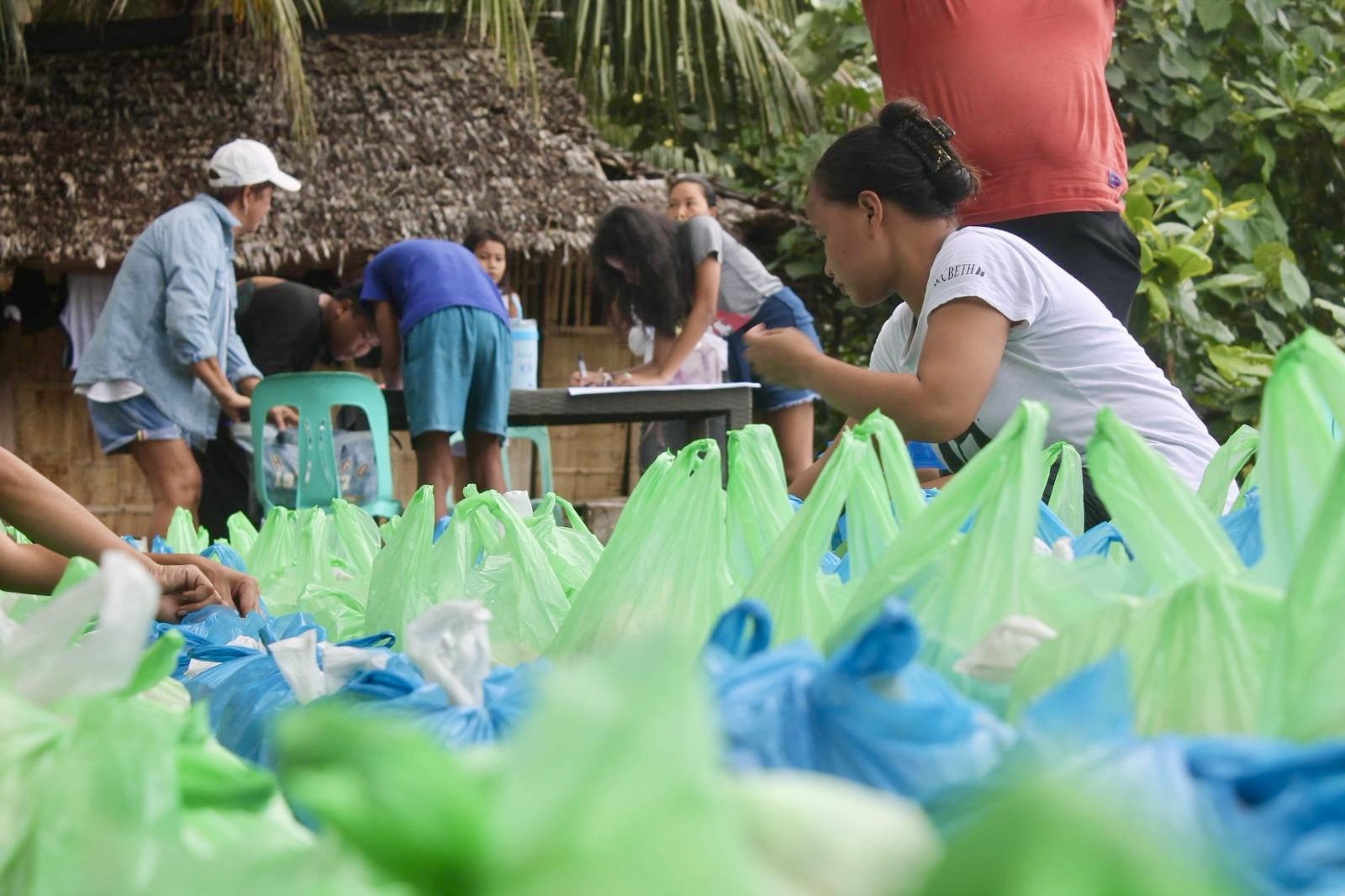
For many community members, recovery is not only about rebuilding houses. It is also about regaining a sense of security, restoring livelihoods, and rebuilding community life after weeks of uncertainty.
Relief, Psychosocial Support, and Community Accompaniment
The Duyog Mindanao mission combined humanitarian assistance with psychosocial support and community engagement.

Volunteers and community members worked together to prepare and distribute relief assistance to affected households. At the same time, children participated in psychosocial support activities that provided opportunities for play, creativity, expression, and healing.
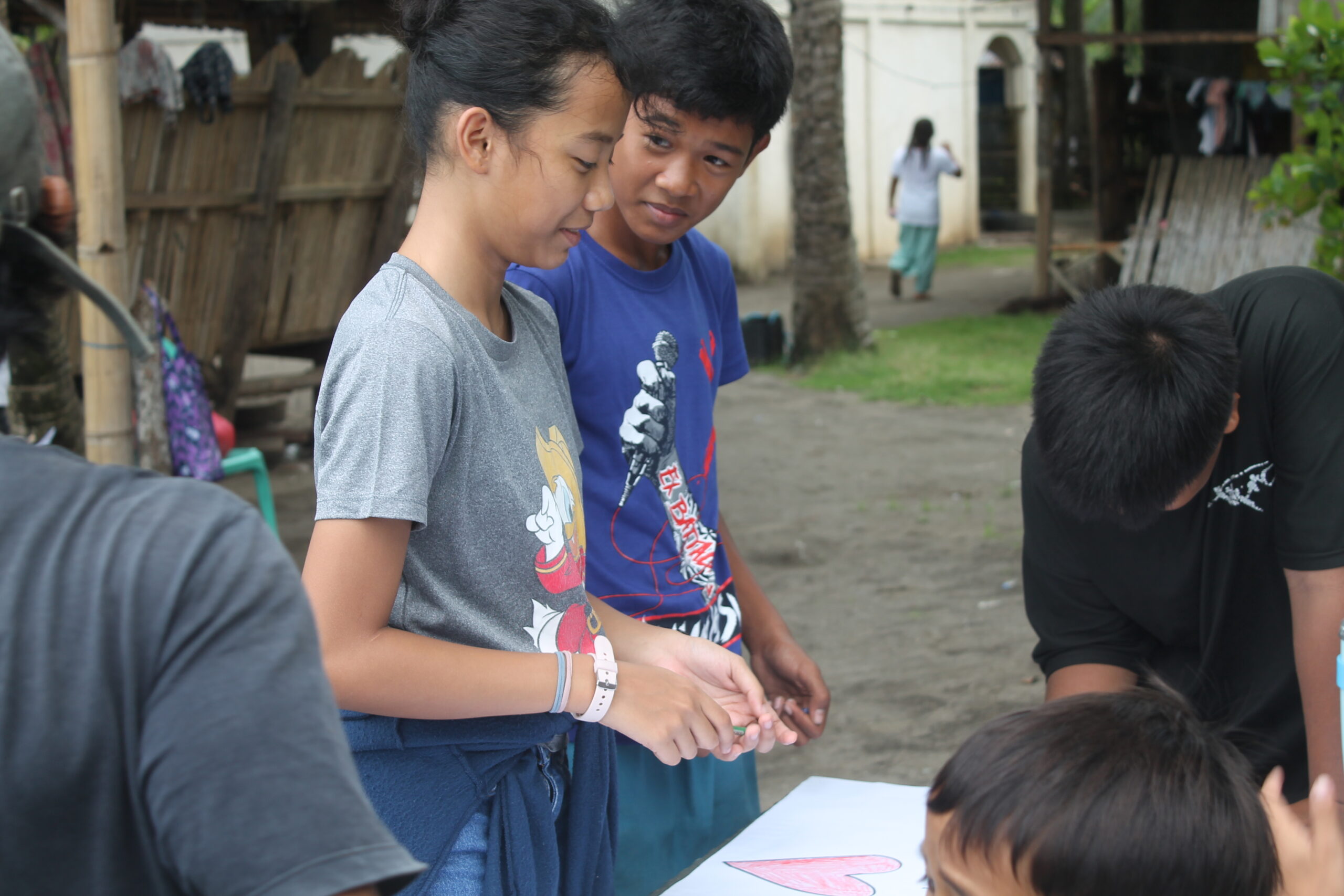
Families gathered to share experiences, discuss continuing challenges, and strengthen community support systems as they navigate the recovery process.
The mission was not simply a relief distribution activity. It was also an effort to accompany communities, listen to their experiences, and affirm that they do not have to face recovery alone.
One of the most memorable moments came when children and community members held handmade signs reading “Salamat Duyog Mindanao.” Their messages reflected not only gratitude for the assistance received but also appreciation for the solidarity shown by people who chose to stand with them during a difficult time.
Communities Leading Their Own Recovery
A defining feature of the mission was the active participation of the community itself.
Residents were not merely recipients of assistance. Community leaders, mothers, fisherfolk, youth, elders, and local volunteers helped organize activities, prepare relief packs, identify priority households, facilitate distributions, and ensure that support reached families most in need.
This collective effort reflected a core principle of Duyog Mindanao: disaster-affected communities are not passive beneficiaries but active partners in recovery and rebuilding.
The resilience, hospitality, and determination demonstrated by the people of Batulaki served as a powerful reminder that communities themselves remain at the center of any meaningful recovery effort.
A Collective Effort of Solidarity
The mission was made possible through the contributions of numerous individuals, faith communities, partner organizations, solidarity networks, and volunteers who responded to calls for support.
MCJ, PANAAD Network, and Kinaiyahan Youth Organization expressed their gratitude to everyone who shared resources, labor, expertise, prayers, and solidarity to make the mission possible.

Every donation, volunteer hour, message of support, and act of generosity contributed to bringing assistance, comfort, and hope to families still recovering from the earthquake.
Duyog Mindanao Continues
While the July 4 humanitarian mission has concluded, the recovery process continues.
Many families remain engaged in rebuilding homes, restoring livelihoods, and recovering from the social and economic impacts of the disaster. Community consultations conducted during the mission also identified continuing needs that require sustained support and accompaniment.
For this reason, Duyog Mindanao will continue beyond this initial mission.
MCJ and its partners are continuing to mobilize resources, raise funds, and strengthen partnerships for the next wave of solidarity and humanitarian response. Future initiatives will focus on continued accompaniment, psychosocial support, humanitarian assistance, and community resilience efforts among affected Lumad, Moro, fisherfolk, and other vulnerable communities in Sarangani and neighboring areas.

The July 4 mission was not the end of the response—it was one step in a longer journey of recovery and solidarity.
As one message repeatedly emerged throughout the mission, from children, families, volunteers, and community leaders alike:
No community should face recovery alone.
Duyog sa Katawhan. Duyog sa Mindanao.
Because even while the ground continues to shake, solidarity continues.