MCJ Board and Secretariat Deepen Shared Vision for Climate Justice and Community Accompaniment
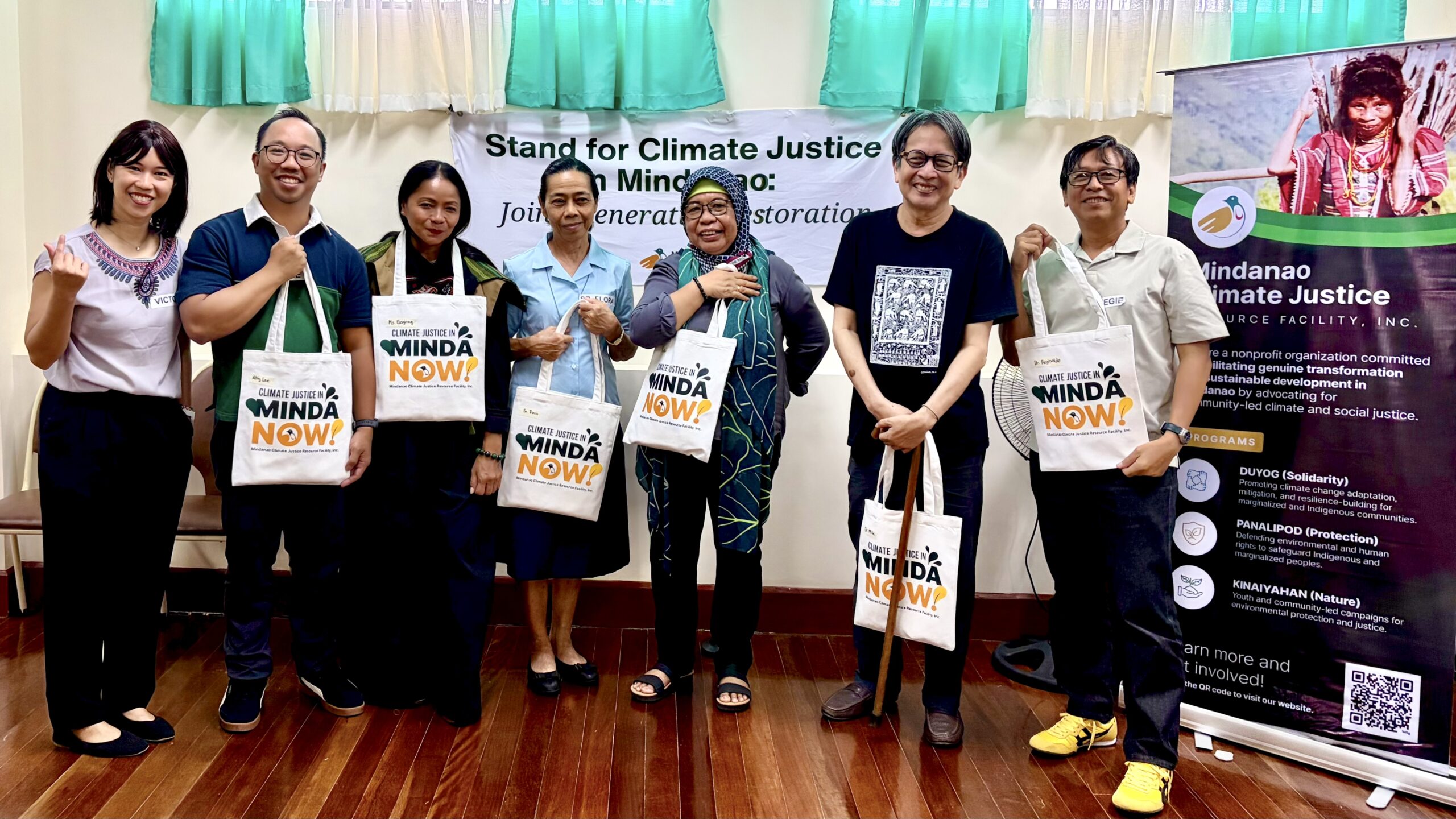
TAGAYTAY CITY, Philippines — Two months after formally announcing its Board of Trustees, the Mindanao Climate Justice Resource Facility (MCJ) convened its first in-person gathering of trustees and Secretariat members, marking an important step in strengthening the collective leadership that guides the organization’s work alongside Indigenous Peoples, Bangsamoro communities, and other marginalized sectors across Mindanao.
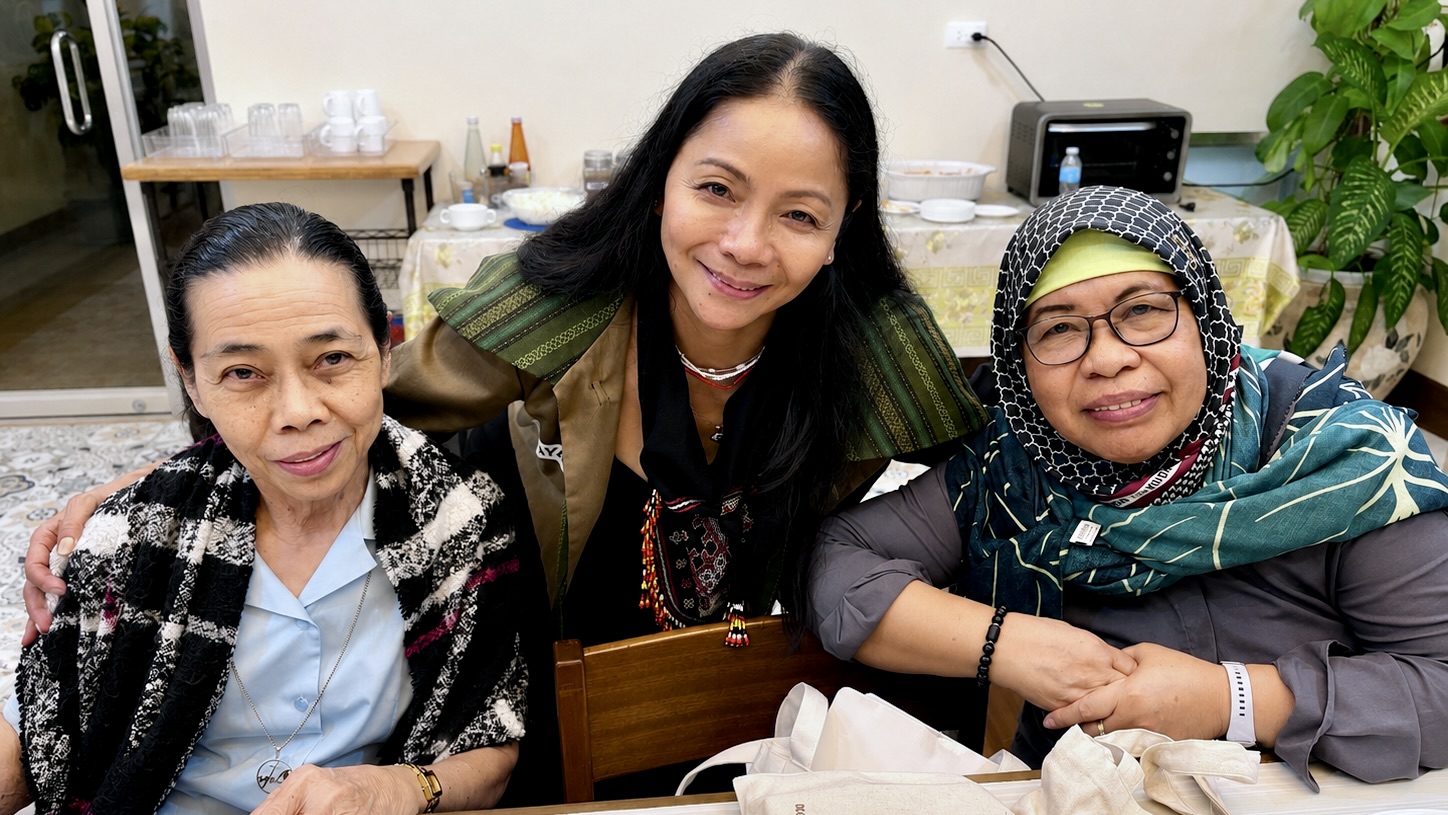
Held on June 25 at the Maryridge Retreat House and Renewal Center in Tagaytay City, the gathering brought together members of MCJ’s Board of Trustees and Secretariat for a day of dialogue, reflection, and fellowship centered on the values, experiences, and aspirations that shape the organization’s work across Mindanao.
Founded in 2022, MCJ works with Indigenous Peoples, Bangsamoro communities, youth, faith-based institutions, people’s organizations, and civil society groups to advance climate justice, humanitarian response, human rights, peacebuilding, and sustainable community development across Mindanao.
The gathering comes as MCJ continues to expand its work in humanitarian response, climate justice education, Indigenous Peoples’ rights advocacy, youth leadership, and peacebuilding, including recent solidarity efforts with earthquake-affected communities and preparations for upcoming regional and national initiatives.
The Board is composed of Board Chair Dr. Michael L. Tan, MCJ Founder and Board Member Most Rev. Jose A. Cabantan, DD, artist and cultural worker Bayang Barrios, physician-lawyer and educator Dr. Lee Yarcia, psychiatrist Dr. Regie Pamugas, Sr. Flora Secuya, m.a., and cultural anthropologist, peacebuilding scholar, and governance practitioner Dr. Rufa Cagoco-Guiam.
Together, the trustees represent decades of experience in public health, law, higher education, culture and the arts, faith-based leadership, peacebuilding, governance, and community accompaniment across Mindanao and the Philippines.
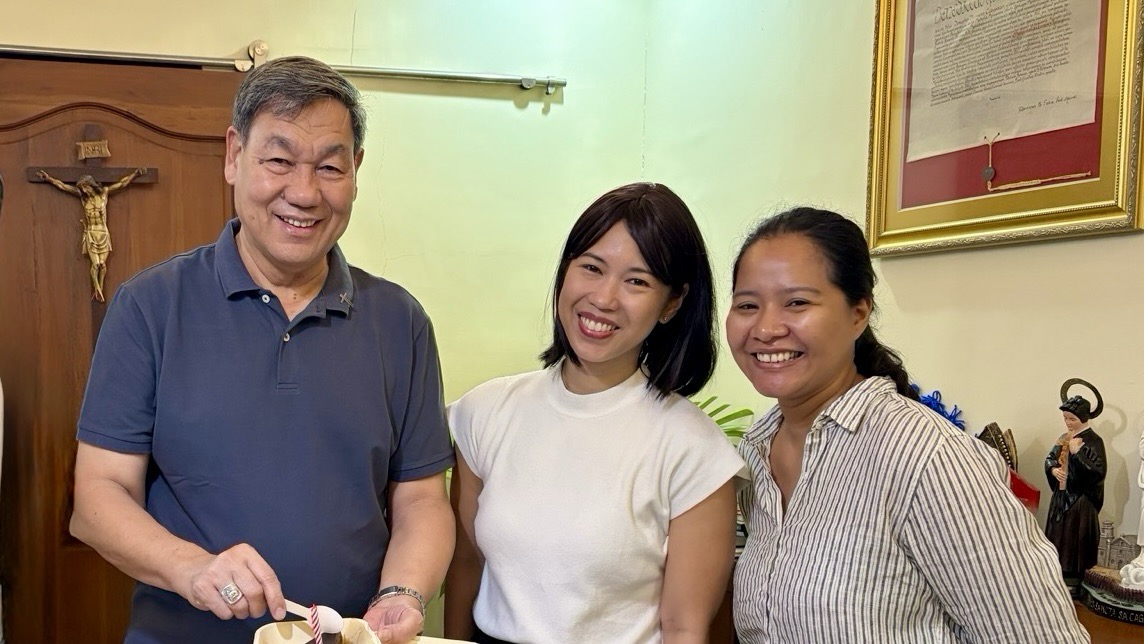
Prior to the gathering, members of the MCJ Secretariat paid a courtesy visit to Archbishop Cabantan, whose guidance has helped shape the organization since its founding. Through regular conversations with staff and leadership, he has consistently encouraged MCJ to remain grounded in its mission, attentive to emerging realities in Mindanao, and committed to accompanying communities most affected by injustice, conflict, and climate impacts. His reflections on leadership, service, and accompaniment helped frame many of the conversations that unfolded during the gathering.
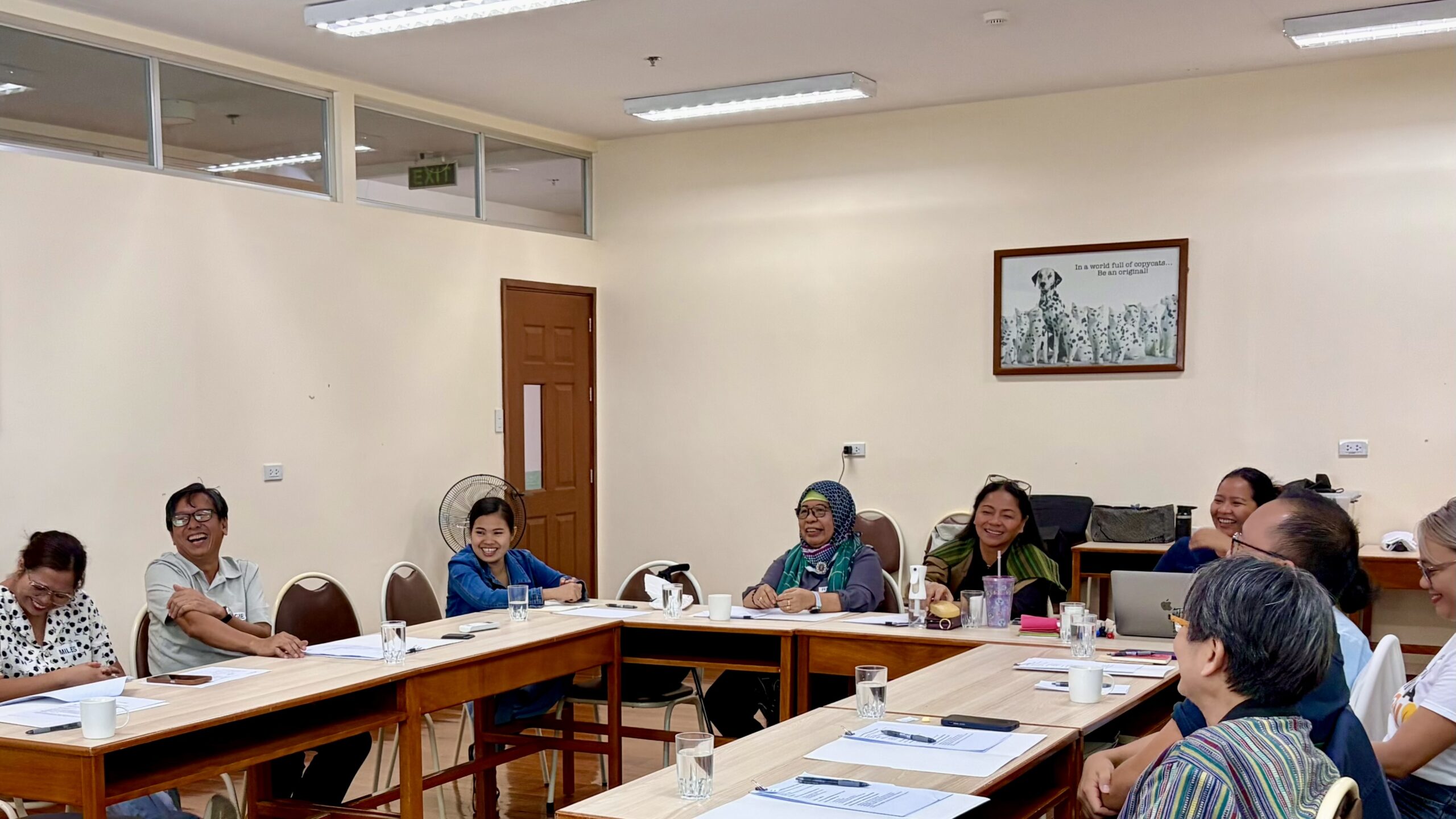
Unlike a traditional board meeting focused primarily on governance matters, the gathering was intentionally designed as a space for trustees and Secretariat members to better understand one another’s journeys, motivations, and aspirations. Participants shared personal stories that shaped their commitment to public service, community accompaniment, and social transformation.

Drawing from backgrounds in culture, medicine, law, mental health, anthropology, faith-based ministry, and public scholarship, trustees reflected on the experiences that shaped their commitment to justice, service, and solidarity.
Throughout the conversations, several common themes emerged, including climate justice education, Indigenous Peoples’ rights, peacebuilding, youth formation, mental health, humanitarian response, arts and culture, and grassroots organizing.
Bayang Barrios reflected on the role of culture and the arts in healing communities and nurturing hope among young people. Dr. Lee Yarcia emphasized public service and the importance of strengthening connections between institutions and grassroots communities. Dr. Regie Pamugas highlighted the need to advance mental health and Indigenous Peoples’ rights while strengthening solidarity with communities facing displacement and marginalization.
Drawing from decades of ministry among Indigenous Peoples and Moro communities, Sr. Flora Secuya underscored the importance of humility, service, and long-term accompaniment. Dr. Rufa Cagoco-Guiam emphasized making climate justice more accessible and understandable through education, research, and public engagement.

While their professional journeys differed, the trustees repeatedly returned to a common conviction: meaningful change begins by listening to communities and accompanying them in their struggles and aspirations.
Participants noted that these conversations were ultimately grounded in the realities faced by the communities MCJ accompanies—from Indigenous Peoples defending ancestral domains and Bangsamoro communities working toward peace and self-determination to disaster-affected families, young climate advocates, farmers, fisherfolk, and grassroots organizations advancing local solutions to complex social and environmental challenges.
The discussions also reflected on MCJ’s own journey. Secretariat members shared experiences of sustaining climate justice work and community accompaniment during a period marked by shrinking civic spaces, humanitarian crises, and growing environmental challenges. They emphasized the importance of continuing to create spaces where communities can organize, share their experiences, and advocate for their rights.
Participants likewise reflected on the need to ensure that climate justice remains rooted in people’s lived realities.
For many communities across Mindanao, climate justice is not simply an environmental concern. It is closely linked to land rights, Indigenous self-determination, peacebuilding, education, health, food security, governance, and human dignity. Trustees emphasized the importance of translating complex issues into language and approaches that resonate with the everyday experiences of communities.
MCJ as an Amplifier
One of the gathering’s most significant reflections came from Board Chair Dr. Michael L. Tan, who described MCJ as an “amplifier”—an organization that strengthens, connects, and elevates community voices rather than speaking on their behalf.
For MCJ, being an amplifier means creating spaces where communities can speak for themselves, strengthening local leadership, supporting community-led initiatives, and ensuring that grassroots perspectives shape public conversations on climate justice, development, governance, and peace.
Whether accompanying Indigenous Peoples defending ancestral domains, communities recovering from disasters, youth climate advocates, or Bangsamoro communities advancing peace and self-determination, MCJ seeks to help ensure that those most affected by social and environmental challenges remain at the center of decisions that shape their futures.
Trustees also identified ways they could contribute to the organization’s growth through their respective areas of expertise, including arts and culture, legal education, public health, mental health, climate justice research, faith-based partnerships, communications, publications, youth engagement, and international solidarity-building.
As the meeting concluded, participants were invited to describe their experience in a single word. Their responses included Inspired, Hopeful, Encouraging, Camaraderie, Amplifier, Continuous, Dasig, Learn, Hugot, Panalipod, and Kuyaw—capturing not only the spirit of the gathering but also the aspirations that will continue to shape MCJ’s work in the years ahead.
The formal sessions concluded with artist and cultural worker Bayang Barrios performing Harinawa. The song’s message of hope, resilience, and peace offered a fitting close to a day of reflection, dialogue, and relationship-building, underscoring the gathering’s deeper purpose: not simply strengthening the governance of an organization, but nurturing shared purpose and collective leadership grounded in accompaniment.
Participants later visited Guang Ming College, where conversations continued in a more informal setting, reinforcing the gathering’s emphasis on reflection, shared learning, and fellowship.
As MCJ continues to grow, the gathering affirmed a shared commitment to ensuring that the relationships strengthened during the day translate into deeper accompaniment of Indigenous Peoples, Bangsamoro communities, youth, faith-based institutions, and grassroots organizations across Mindanao. More than a meeting of the Board and Secretariat, the gathering reflected MCJ’s continuing effort to build a community of leaders committed to accompanying communities in advancing climate justice, human rights, peace, and sustainable development across Mindanao.