Pag-aalaga, Pag-alala at Pagpapatuloy — Care, Remembrance, and Continuing Forward
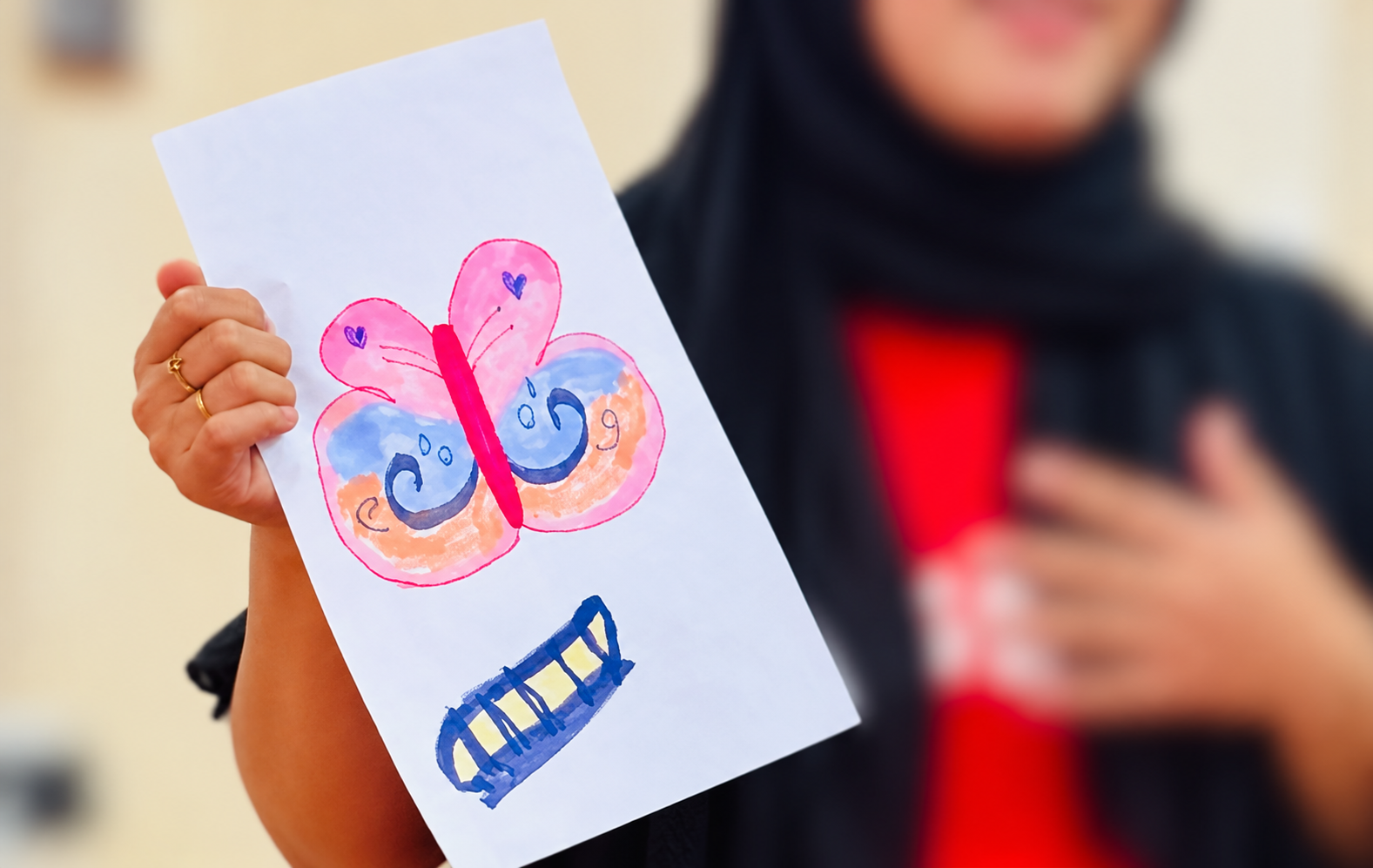
A butterfly for growth. A bamboo tree for strength. A cup of coffee representing the sweetness that solidarity can bring to life’s bitter circumstances.
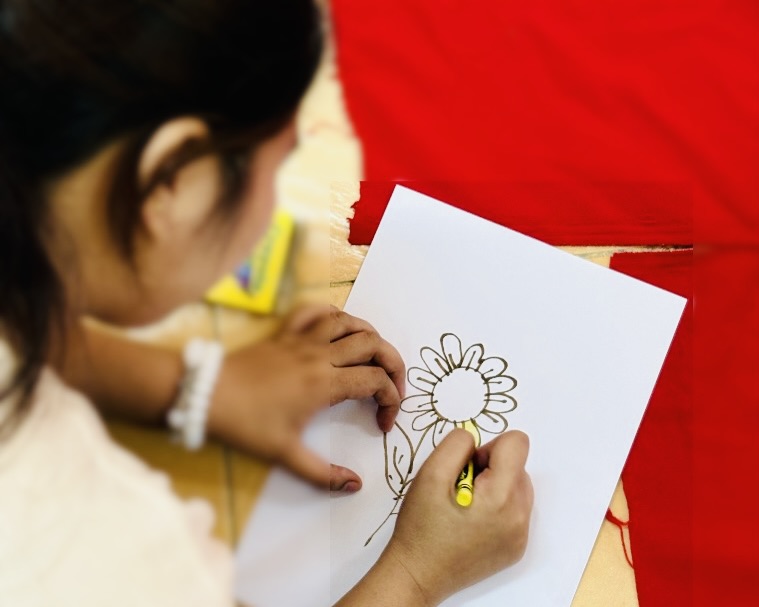
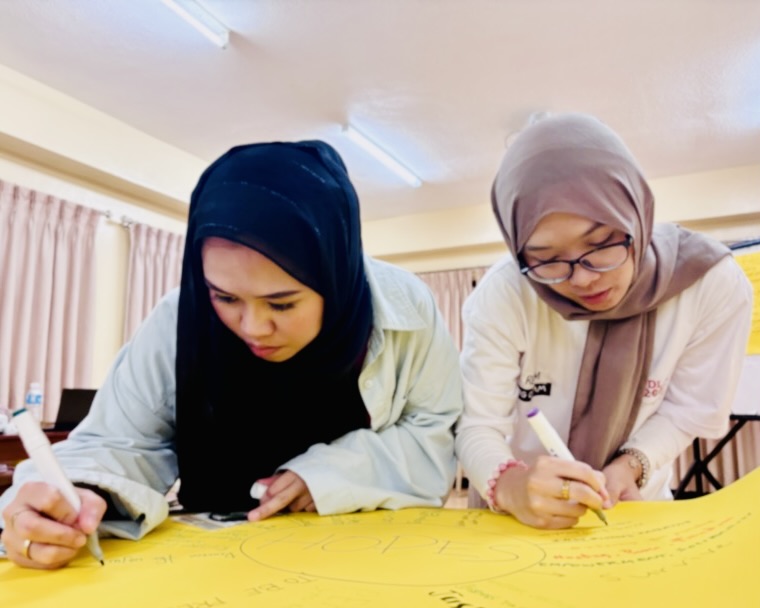
These were among the images human rights defenders drew when invited to reflect on themselves during a workshop on well-being, self-care, and integrated security.
The drawings expressed aspirations, relationships, and sources of strength. They also offered a glimpse of the people behind the advocacy—people whose own needs can be overshadowed by the demands of defending their rights and supporting their communities.
Care is not separate from defending human rights. It is a practice that must be learned, strengthened, and sustained as part of the work itself.
This understanding shaped a gathering of human rights defenders and community advocates on October 2026.
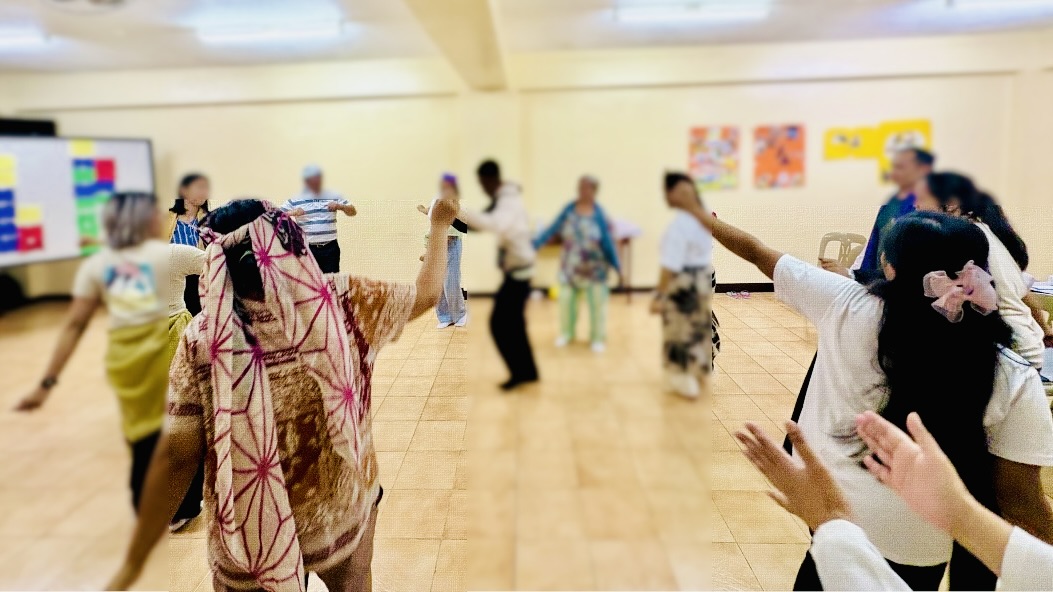
The gathering included a workshop on Wellbeing, Self-Care and Integrated Security (WeSIS), facilitated by Peace Brigades International (PBI). The Mindanao Climate Justice Resource Facility, Inc. (MCJ) served as secretariat and participated in the activities.
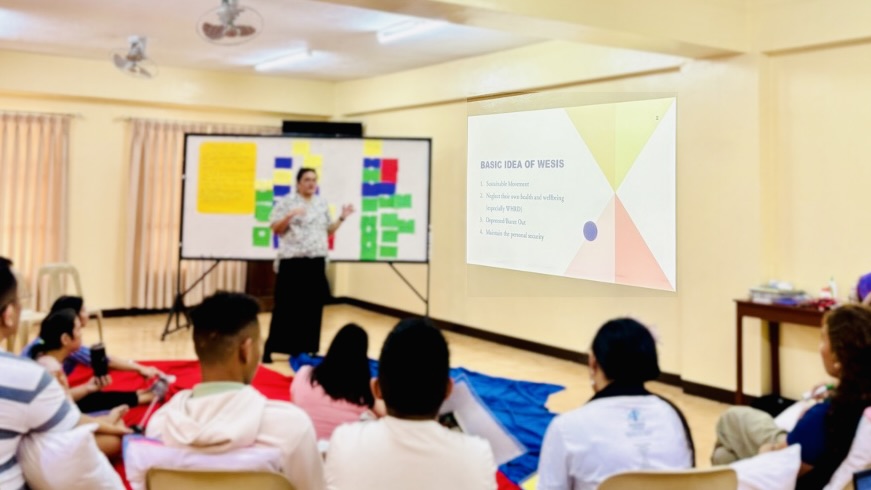
For human rights defenders navigating displacement, threats of imprisonment, legal harassment, and prolonged uncertainty, the workshop provided space to attend to needs often set aside amid the demands of advocacy.
The first day focused on well-being, self-care, and personal and collective power. On the second day, participants turned to legal concerns and continuing advocacy campaigns—recognizing that their well-being cannot be separated from the conditions affecting their safety and their work.
The people behind the advocacy
During the opening activity, participants represented themselves through images that held personal meaning.
One participant drew a butterfly to express a desire for freedom. Another chose bamboo, reflecting on the difficulties they had weathered and their continuing commitment to serving others.
A participant who drew a cup of coffee reflected on how people can support one another through difficult circumstances, just as sugar can bring sweetness to bitter coffee.
Through guided reflection, participants considered five dimensions of well-being: physical, mental, emotional, spiritual, and relational.
One participant observed that a person may appear physically well while struggling internally. Another described feeling better when companions were united, emphasizing the importance of connection to their sense of well-being.
These reflections revealed how well-being extends beyond what others can see. They also showed the importance of recognizing emotional needs alongside the daily responsibilities of organizing, supporting communities, and pursuing justice.
The workshop created space to acknowledge those experiences without reducing defenders to the difficulties they face.
Learning and practicing care together
Participants also reflected on the activities that helped them care for themselves. Their responses included gardening, listening to music, walking, spending time with loved ones, and caring for animals.
These everyday practices offered moments of rest and connection, although responsibilities and difficult circumstances could limit opportunities for self-care.
Through breathing exercises, grounding techniques, gentle movement, and guided reflection, participants explored additional ways to attend to their well-being.
After one exercise, a participant described feeling more relaxed and present while listening to their own breathing. Another recalled the sensation of being surrounded by nature, imagining the sounds of water, birds, and wind.
But the workshop was not simply about relaxation. It encouraged participants to recognize practices of care they already sustained and consider how these could be strengthened within their relationships, organizations, and communities.
Collective care is not only the support people receive during difficult moments. It is also a capacity they develop together.
Recognizing exhaustion, respecting boundaries, sharing responsibilities, and listening to one another are practices that can become part of everyday human rights work.
These practices strengthen mutual support without replacing professional mental health services or the responsibility of institutions to provide protection.
Recognizing and embodying power
The workshop also invited participants to reflect on power—not only as something exercised through institutions or collective action, but as something experienced in their own lives.
Participants recalled moments when they felt powerful or powerless, associating power with knowledge, education, speaking up, expressing emotions, helping others, and the ability to act.
Through discussions of power over, power to, power with, and power within, PBI introduced the concept of embodied power, encouraging participants to recognize how power is experienced and expressed through their bodies, emotions, relationships, and everyday actions.
Experiences of powerlessness can affect people’s sense of safety, confidence, and control over their lives. Yet such experiences do not erase their agency.
The reflections offered participants an opportunity to recognize the knowledge, abilities, convictions, and relationships they carry, even amid circumstances that constrain their freedom to act.
To embody power is not to deny vulnerability. It is to recognize that vulnerability and agency can coexist.
This understanding also matters for climate justice. Communities confronting environmental destruction and threats to their territories are not merely populations experiencing harm. They are rights-holders whose knowledge, lived experiences, and capacities are central to defending their lands, livelihoods, and futures.
Protection must therefore do more than respond to threats. It must also respect and strengthen the agency that defenders and communities already possess.

Care must accompany the pursuit of justice
The gathering did not end with exercises in breathing, reflection, and self-care. On its second day, participants turned to legal concerns and continuing advocacy campaigns.
The two days reflected complementary dimensions of protection. While the workshop strengthened awareness and practices of care, the discussions that followed acknowledged the legal and structural challenges defenders continue to confront.
For defenders facing displacement, possible imprisonment, and prolonged legal harassment, moments of rest and reflection are meaningful. But they cannot substitute for legal support, accountability, and the protection of fundamental rights.
Care must accompany the pursuit of justice, not replace it.
Human rights defenders are often praised for their resilience. Yet resilience should not become an expectation that they must continuously endure injustice while finding their own ways to cope. Their well-being cannot be separated from the protection of their rights or from the responsibility of institutions to address the conditions contributing to their distress.
Care is not a pause from human rights work. It is part of how that work continues.
Learning to recognize exhaustion, respect boundaries, share responsibilities, and support one another must become part of defending human rights. But care must never become another burden placed on those already confronting injustice.
Safety must also be demanded. This means protection from threats and harassment, access to justice, accountability for violations, and the fulfillment of the state’s responsibility to respect, protect, and fulfill human rights.
The responsibility to ensure safety cannot be transferred to those experiencing the threats.
This is equally important for climate justice.
Environmental destruction and displacement affect more than land and livelihoods. They can disrupt community relationships, cultural practices, and the sense of security that sustains collective well-being.
For Indigenous Peoples and other communities whose lives are deeply connected to their territories, these losses can have lasting social and psychosocial consequences.
A climate justice approach to mental health must therefore address both the well-being of defenders and the injustices affecting the communities they defend.
The continuing challenge of accessible care
Mental Health Month also highlights persistent gaps in access to mental health services.
In September 2024, Dr. Paulo Woodruff Gonzales of the Philippine Psychiatric Association–Mindanao reported that only 41 of the country’s 673 psychiatrists were based in Mindanao, according to MindaNews.
A 2023 policy brief by the Philippine Congressional Policy and Budget Research Department cited an estimate of approximately 12.5 million Filipinos living with mental disorders in 2019.
Globally, the World Health Organization estimates that 1.2 billion people—nearly one in seven—were living with a mental disorder in 2023. Most did not have access to effective care.
These figures point to the need for accessible, affordable, and culturally responsive mental health services.
For defenders and communities facing poverty, insecurity, or geographical isolation, access may be further limited by distance, costs, and competing responsibilities.
Community-based care can provide meaningful support, but it cannot replace adequately funded public services, professional assistance, and effective referral systems.
Ensuring access to mental health care must go hand in hand with addressing the social, political, and environmental conditions that undermine well-being.
Sustaining those who defend
For MCJ, the workshop’s emphasis on well-being and integrated security resonates with its Panalipod framework, which understands protection as a sustained, community-rooted process encompassing psychosocial well-being, solidarity, cultural continuity, and the collective capacity to defend rights.
The WeSIS workshop offered opportunities to strengthen practices of care that defenders and communities already sustain. The gathering’s legal and advocacy discussions reinforced the need to address the conditions affecting their safety and work.
Within climate justice movements, care also means sustaining the relationships that connect people to their communities, lands, and collective struggles.
It means learning how to care for one another while continuing to demand safety, accountability, and justice.
Climate justice must include justice for the people defending their lands, livelihoods, communities, and rights.
As Mental Health Month is observed, the gathering offers a reminder that human rights work cannot be sustained through commitment alone.
Human rights defenders need more than encouragement to be resilient. They need safety, solidarity, accessible care, and the conditions to continue their work with dignity.
Care is a skill we learn and a responsibility we share. Safety and justice are rights we must continue to demand.
Pag-aalaga, pag-alala at pagpapatuloy.
To care, to remember, and to continue forward.