Indigenous Peoples call for stronger protection, meaningful participation and accountability under ASEAN’s environmental rights declaration
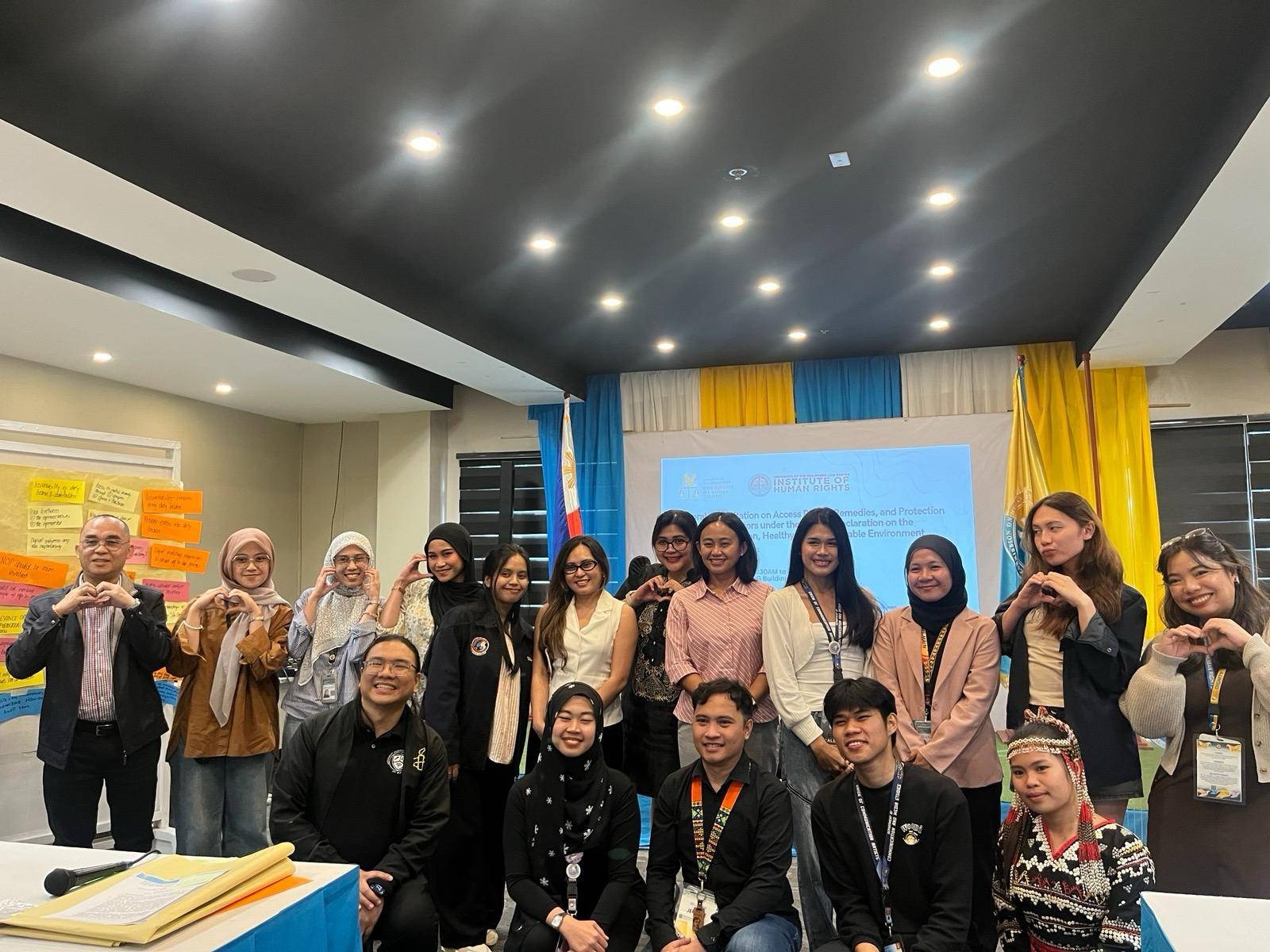
QUEZON CITY, Philippines — Mindanao Climate Justice (MCJ) joined Indigenous Peoples, government representatives, human rights advocates, and civil society organizations in a sectoral consultation that called for stronger protections, accessible remedies, and meaningful community participation in implementing ASEAN’s Declaration on the Right to a Safe, Clean, Healthy, and Sustainable Environment.
The consultation brought together rights-holders, government institutions, academics, and civil society to help shape recommendations for the Regional Plan of Action that will guide implementation of the declaration across ASEAN member states.
MCJ’s delegation included Lumad and Bangsamoro representatives, among them women and young people, who contributed grassroots perspectives from Mindanao to discussions on environmental rights, accountability, and access to justice.
A Regional Commitment That Must Deliver Results
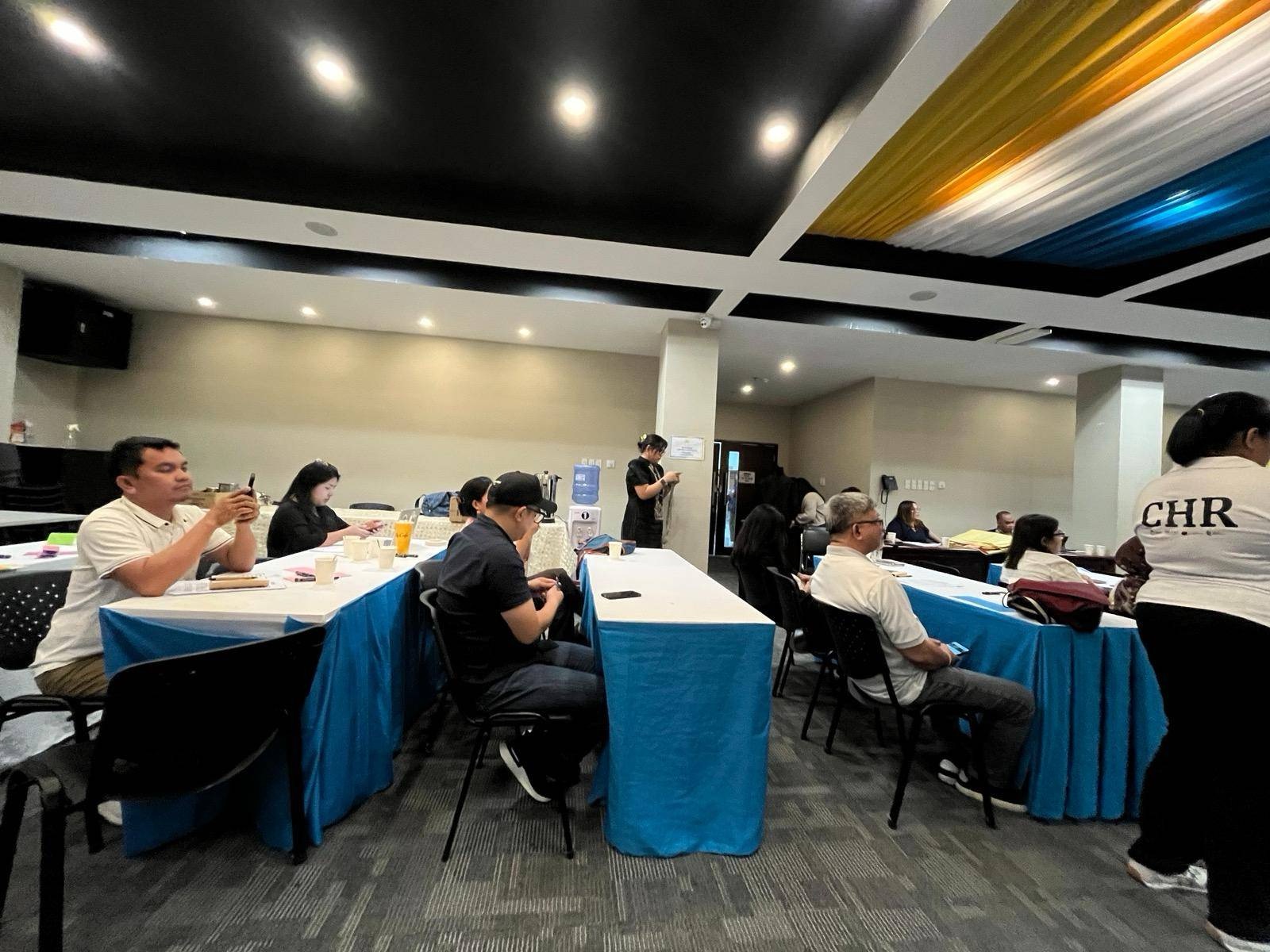
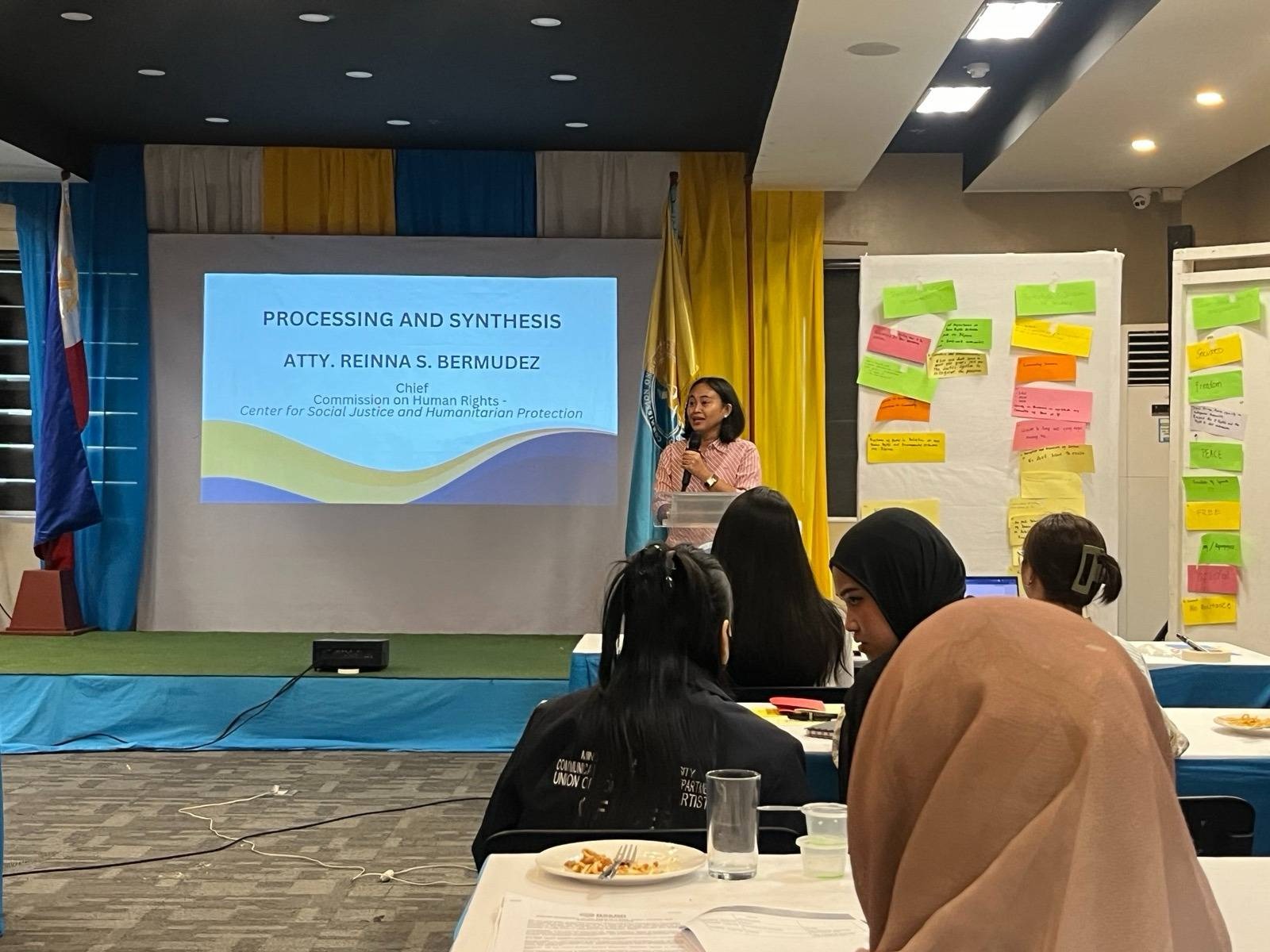
Held on 29 June 2026 at the CHR Central Office in Quezon City, the consultation focused on Access Rights, Remedies, and Protection of Vulnerable Sectors under the ASEAN environmental rights declaration, with Indigenous Peoples as the featured sector.
The event was organized by the CHR, through its Center for Social Justice and Humanitarian Protection, in partnership with UP IHR.
ASEAN adopted the Declaration on the Right to a Safe, Clean, Healthy, and Sustainable Environment during its 47th Summit in Kuala Lumpur in October 2025. According to the CHR, it is the first ASEAN instrument to adopt a rights-based approach to environmental protection while recognizing every person’s right to a safe, clean, healthy, and sustainable environment.
The declaration affirms the importance of access to environmental information, public participation, access to justice, and protection for communities disproportionately affected by climate change, pollution, biodiversity loss, and environmental degradation.
Participants welcomed the declaration as an important regional milestone but stressed that recognition must be matched by implementation, accountability, and meaningful participation. Because the declaration is not legally binding, its impact will depend on the political commitment of ASEAN member states and the strength of the Regional Plan of Action now under development.
Civil society organizations also called for stronger recognition of Indigenous Peoples, environmental human rights defenders, and communities affected by large-scale development and the energy transition as ASEAN moves toward implementation.
Indigenous Peoples as Rights-Holders
Throughout the consultation, participants emphasized that Indigenous Peoples should not be viewed solely as vulnerable communities. They are rights-holders, knowledge-bearers, decision-makers, and long-standing stewards of forests, watersheds, biodiversity, and ancestral territories.
In recorded remarks, Assistant Professor Dr. Bhanubhatra Jittiang, Thailand’s representative to the ASEAN Intergovernmental Commission on Human Rights, highlighted the close relationship between environmental protection and the realization of human rights.
Cornelius Damar Hanung, East Asia and ASEAN Programme Manager of FORUM-ASIA, discussed the development of the declaration and the recommendations advanced by Indigenous Peoples and civil society. Atty. Raymond Marvic “Ice” Baguilat of UP IHR examined the declaration’s implications for Indigenous communities and the continuing gap between legal recognition and effective protection.
For many Indigenous communities, ancestral lands are inseparable from culture, livelihoods, spirituality, governance, and traditional knowledge. When forests are destroyed, rivers are polluted, or communities are displaced, the impacts extend beyond environmental damage to food security, health, cultural survival, and the transmission of knowledge across generations.
Although the Philippines recognizes Indigenous Peoples’ rights through the Indigenous Peoples’ Rights Act, participants noted that implementation remains uneven. Similar gaps persist across ASEAN, where legal recognition and protection vary widely.
Rather than being consulted only after decisions have already been made, Indigenous Peoples must participate as decision-makers throughout planning, approval, implementation, monitoring, and evaluation.
Bringing Mindanao’s Realities to the Regional Table
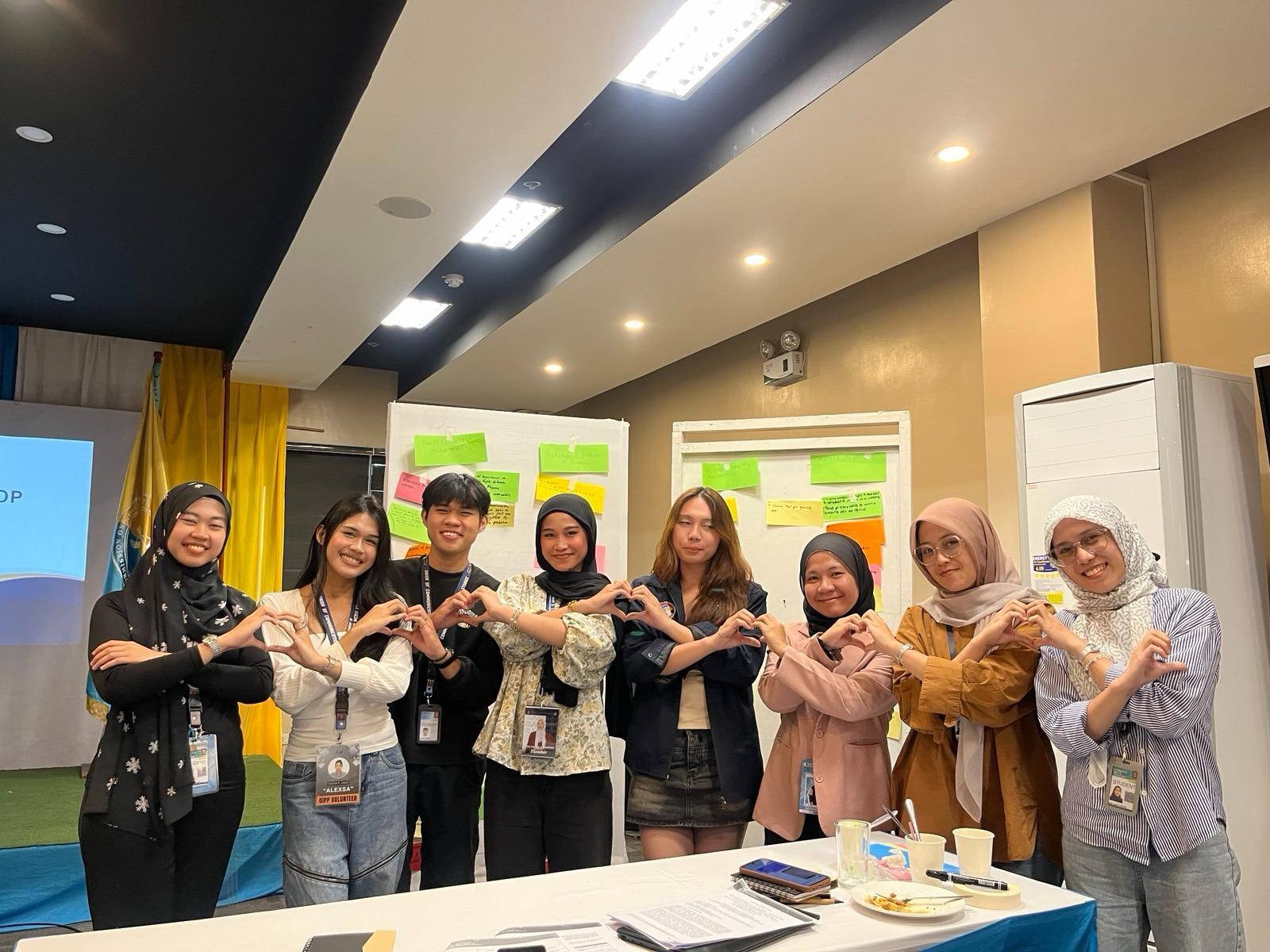
MCJ joined the consultation to bring the lived experiences of historically marginalized communities in Mindanao into regional policy discussions.
The participation of Lumad and Bangsamoro representatives highlighted how environmental injustice intersects with identity, gender, age, poverty, displacement, and political marginalization. Their experiences underscored why environmental policies must be shaped by those living with their consequences.
Across parts of Mindanao, Lumad communities continue to defend ancestral domains affected by mining, plantations, energy developments, infrastructure projects, and other activities that cause environmental degradation and displacement. Many communities also confront contested consent processes, militarization, red-tagging, and threats against Indigenous leaders and environmental defenders.
MCJ also situated these concerns within the wider realities of Mindanao, where many Bangsamoro communities face environmental degradation, climate-related disasters, displacement, and exclusion from decisions affecting their lands, waters, and livelihoods.
While Lumad and Bangsamoro peoples have distinct histories and political experiences, both continue to confront forms of environmental injustice rooted in conflict, dispossession, unequal development, and political marginalization.
Participants emphasized that environmental justice requires more than technical policy reforms. It demands respect for collective rights, recognition of diverse identities and histories, and genuine opportunities for communities to shape decisions affecting their futures.
Protecting Ancestral Domains and Genuine Consent
During the consultation’s vision-sharing workshops, participants identified the protection of ancestral domains as fundamental to realizing the right to a safe, clean, healthy, and sustainable environment.
They called for full respect for Free, Prior and Informed Consent (FPIC) as a collective right rather than a procedural requirement. Consent, they stressed, must be secured before projects are approved and must be free from coercion, intimidation, manipulation, or misinformation.
Communities should receive complete and understandable information, sufficient time for deliberation, and the opportunity to decide according to their customary laws and governance systems.
Participants also emphasized that environmental information must be timely, accessible, and available in Indigenous and local languages. Government agencies should not rely solely on online platforms or highly technical documents that remain inaccessible to many communities.
Meaningful participation, they added, must address the barriers experienced by Indigenous women, young people, elders, persons with disabilities, and other groups often excluded from formal decision-making.
Protecting Environmental Defenders
The consultation highlighted that Indigenous Peoples cannot fully exercise their environmental rights while facing threats, intimidation, or criminalization for defending their territories.
Participants raised continuing concerns over militarization in ancestral domains and the practice of red-tagging, which can expose Indigenous leaders and environmental advocates to surveillance, harassment, criminalization, and violence.
They called for the Regional Plan of Action to strengthen protection mechanisms that are accessible, culturally appropriate, responsive to urgent risks, and independent from institutions alleged to have committed violations.
Defending ancestral lands, opposing environmentally destructive projects, and demanding accountability, participants stressed, are legitimate exercises of fundamental human rights.
Accountability Beyond Recognition
Participants identified government agencies, security forces, corporations, and project proponents among those that should be held accountable when environmental destruction or human rights violations occur.
They emphasized that accountability requires more than receiving complaints. Communities need independent investigations, legal assistance, immediate protection, and remedies capable of preventing continuing harm.
Governments were likewise urged to strengthen corporate accountability by requiring environmental and human rights due diligence, improving transparency, and ensuring businesses are held responsible for environmental damage and human rights abuses.
Participants also emphasized that climate adaptation and disaster response programs must respect Indigenous knowledge systems and governance while avoiding further displacement, discrimination, or loss of ancestral lands.
Continuing the Dialogue
MCJ recognizes the importance of sustained engagement among rights-holders, civil society organizations, national human rights institutions, and regional bodies to ensure that environmental policies remain grounded in community realities.
Institutions such as the CHR play an important role in monitoring implementation, documenting violations, assisting communities seeking remedies, and bringing local concerns into ASEAN processes. Civil society organizations likewise contribute through community-led documentation, public education, legal support, humanitarian assistance, and advocacy while ensuring affected communities remain at the center of decision-making.
MCJ thanked the CHR and UP IHR for creating a space where Lumad and Bangsamoro representatives, women, and young people from Mindanao could engage directly with government institutions and civil society on environmental rights and justice.
For MCJ, participation in the consultation is part of its continuing work to ensure that Mindanao’s communities are represented in national and regional policymaking. As ASEAN develops its Regional Plan of Action, the organization hopes communities will have meaningful opportunities not only to participate, but also to monitor implementation, influence decisions, and seek accountability when environmental rights are violated.
Ultimately, participants agreed that the ASEAN declaration will be meaningful only if regional recognition leads to concrete protection on the ground. Achieving a safe, clean, healthy, and sustainable environment requires protecting ancestral domains, respecting collective rights, and recognizing the leadership of Indigenous Peoples and other communities that have long defended their lands, waters, and future.