“Trump and Netanyahu have together waged a ‘war’ that was not technically a war. It was a plain crime of aggression against a sovereign nation by two of the world’s imperious bullies.”
— Prof. Rufa Cagoco-Guiam
MCJ Board Member | Philippine Daily Inquirer columnist
When bombs fall in the Middle East, families in Mindanao begin to worry.
Wars started by powerful countries do not stay far away. They raise oil prices, threaten migrant workers, and make life harder for ordinary people everywhere.
As Mindanao scholar and MCJ Board member Prof. Rufa Cagoco-Guiam argues in her Philippine Daily Inquirer column “‘Wars’ as Grand Distractions (1),” wars launched by powerful states often function as political diversions that obscure deeper crises while ordinary people bear the real costs.
Today, as the United States and Israel carry out military aggression against Iran, those costs are already spreading far beyond the Middle East—reaching migrant workers, oil markets, and vulnerable communities across the Global South, including families in Mindanao whose livelihoods are tied to the region.
Across many communities in Mindanao, the escalating aggression in the Middle East is not being followed as a distant geopolitical spectacle. It is being followed with fear, worry, and a deep sense of vulnerability.
In Bangsamoro, Lanao del Sur, Maguindanao, Zamboanga, and Davao, countless families have relatives working in the Gulf and other parts of the region. When bombs fall there, anxiety rises here. When oil prices surge there, food, transport, and electricity costs increase here. When powerful states choose military aggression over diplomacy, it is ordinary people—far from the centers of power—who once again carry the burden.
For many households in Mindanao—especially in Bangsamoro communities where overseas work in the Middle East has long been a lifeline—the crisis is deeply personal. The Middle East is not simply a distant region appearing in international headlines; it is where sons, daughters, fathers, and mothers work to support families back home.
Mindanao Climate Justice Resource Facility (MCJ) works with Indigenous Peoples, Moro communities, farmers, fisherfolk, youth, and faith-based partners across Mindanao to advance climate justice, environmental protection, and people-centered development. From this vantage point in Mindanao, the crisis cannot be understood merely as distant geopolitics but as a global conflict with immediate consequences for migrant workers, local economies, and climate-vulnerable communities.
What is often described simply as a “war” must therefore be named more clearly. The current escalation began with Israeli strikes on Iranian territory, later joined by the United States, expanding into a wider regional confrontation whose consequences are now being felt far beyond the battlefield.
As Prof. Cagoco-Guiam notes, conflicts like these can serve as “grand distractions,” diverting attention from deeper political and economic crises while shifting their costs onto ordinary people. In the present crisis, those consequences are already reverberating through migrant labor systems, global oil markets, food prices, and climate politics—affecting communities far from the centers of military power, including those in Mindanao.
Diplomacy Was Not Exhausted
Before the bombs fell, diplomacy was still on the table.
In late February, negotiations between the United States and Iran were taking place in Geneva. According to reports by Reuters, the talks had made progress, with mediators from Oman indicating that discussions could continue after consultations in both capitals. In other words, diplomacy remained fragile—but it had not collapsed.
Yet military escalation soon overtook negotiations.
Israel launched what it described as a pre-emptive strike on Iranian targets, attacking multiple locations including Tehran and Isfahan. The assault marked the beginning of a wider confrontation that quickly drew the United States into coordinated military action.
The escalation rapidly spread across several Iranian cities. Reports indicated that strikes hit areas including Tehran, Isfahan, Qom, Karaj, and Kermanshah. Iranian forces responded with missile and drone attacks targeting U.S. and Israeli military positions across the region.
Amid the attacks, reports emerged that Iran’s Supreme Leader Ali Khamenei had been killed. Iranian authorities later announced that Mojtaba Khamenei would assume leadership, signaling that the crisis was deepening rather than moving toward diplomacy.
Even within the United States, the escalation has triggered political and constitutional debate. Several members of Congress questioned whether the strikes were carried out without the authorization required under U.S. law. Under the U.S. Constitution, the power to declare war rests with Congress, and the War Powers Resolution of 1973 was intended to prevent presidents from launching major military actions without legislative approval.
Some lawmakers have called for hearings to examine whether the administration bypassed Congress when it joined the strikes on Iran.
The events therefore raise a troubling question: if diplomacy had not yet been exhausted, why was war allowed to take its place?
Why Mindanao Feels This Crisis
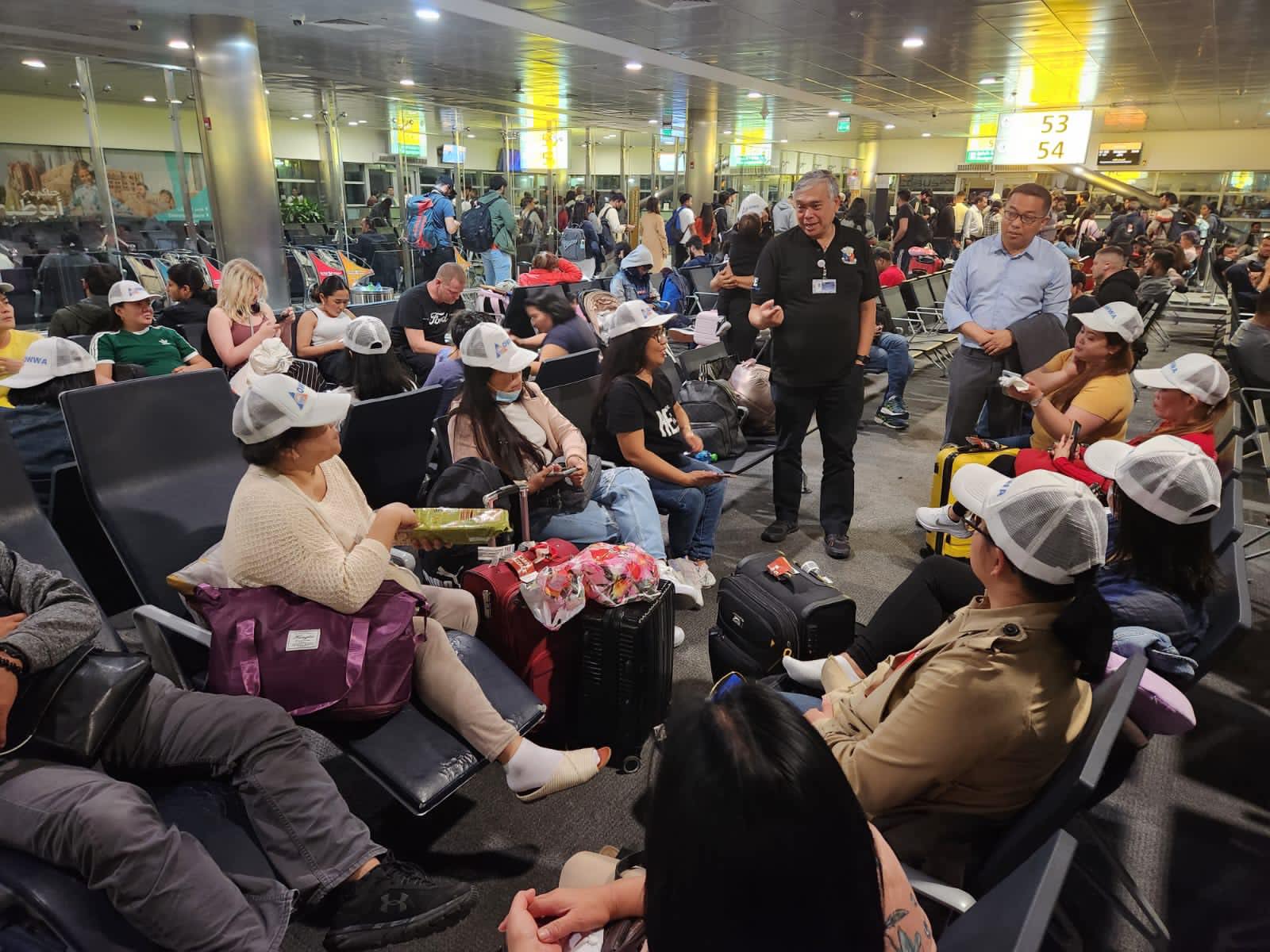
For many communities in Mindanao, the crisis in the Middle East is not distant news. It reaches families through migration, livelihoods, and rising prices.
The Bangsamoro region has one of the highest migration rates in the Philippines. According to research by the Philippine Institute for Development Studies (PIDS), about 23.8 percent of households in the region have a family member working abroad.
Across Mindanao, workers from Maguindanao, Lanao del Sur, Basilan, the Zamboanga Peninsula, and the Davao region are employed in countries such as Saudi Arabia, Qatar, Kuwait, and the United Arab Emirates—many of them in jobs that sustain their families back home.
Overall, the Philippine government estimates that around 2.4 million Filipinos live and work across the Middle East, according to data from the Department of Foreign Affairs (DFA).
Remittances from overseas Filipino workers remain a pillar of the Philippine economy. Data from the Bangko Sentral ng Pilipinas (BSP) show that personal remittances reached $38.34 billion in 2024, equivalent to roughly 8.3 percent of the country’s gross domestic product.
For many households in Mindanao, these remittances pay for food, schooling, medicine, rent, farming inputs, and daily survival. Any disruption to migrant jobs, mobility, or safety therefore immediately affects families thousands of kilometers away.
A Moro mother from Maguindanao describes the anxiety now felt by many families.
“Every alert on the phone worries us. Our son is working there. We pray he remains safe.”
A Lumad leader from Bukidnon points to another layer of the crisis.
“When powerful countries wage war, it is ordinary people everywhere who suffer. Even our communities feel the impact through rising prices.”
For communities across Mindanao, the conflict is therefore not only a geopolitical crisis—it is also a crisis of livelihoods, migration, and economic survival.
Oil Shock and Rising Fuel Prices
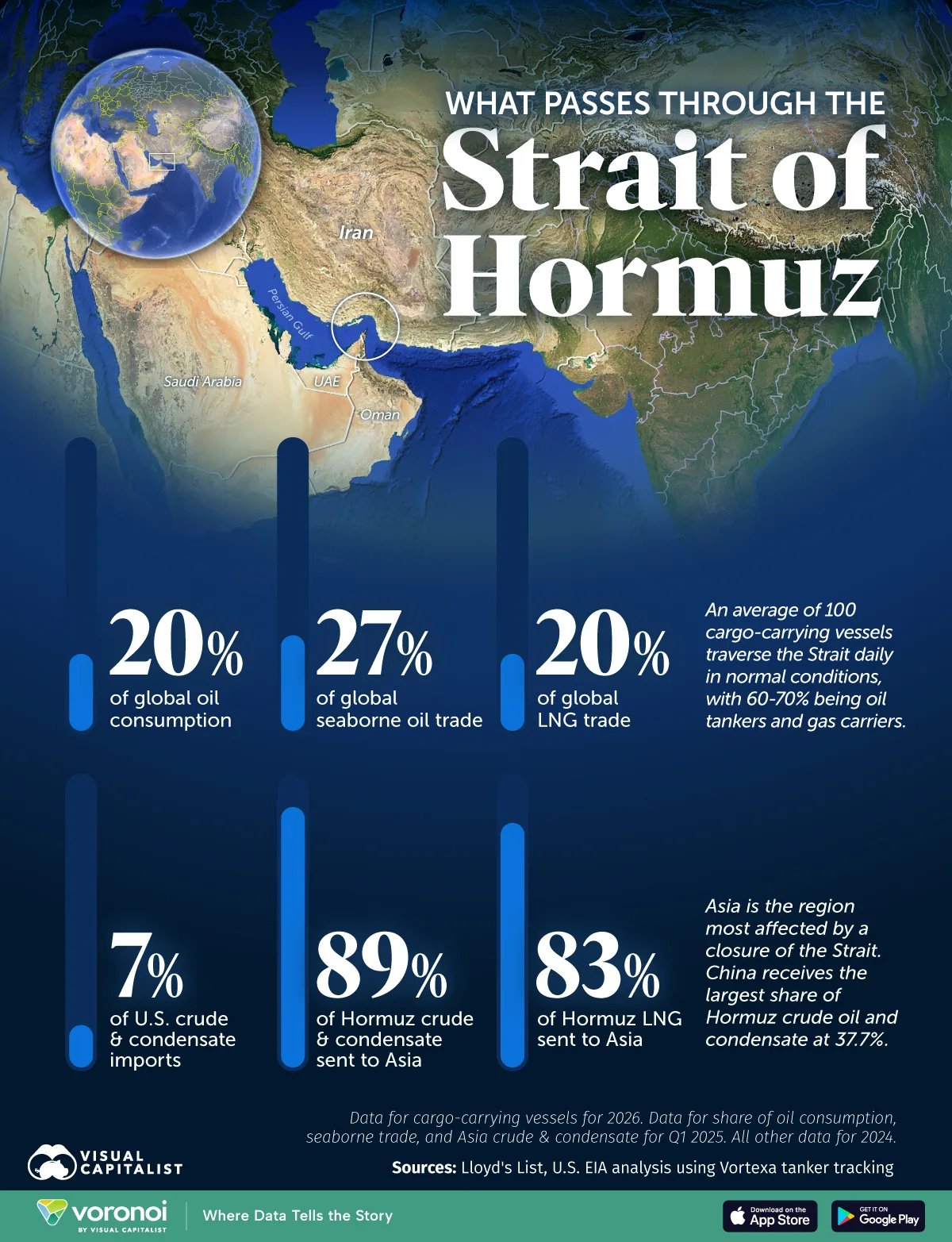
One of the fastest global consequences of the aggression has been a sharp rise in oil prices.
Nearly 20 percent of the world’s oil supply passes through the Strait of Hormuz, a narrow waterway between Iran and the Arabian Peninsula that serves as one of the most critical routes for global energy trade. When tensions rise in this region, markets quickly react because disruptions to this corridor can affect oil supplies worldwide.
As the confrontation escalated, global oil prices surged sharply, at times approaching $120 per barrel, according to international market reports.
Because the Philippines imports around 90 to 95 percent of its oil, global price shocks quickly translate into higher fuel costs at home.
Recent pump prices in the Philippines have reached roughly:
• ₱53–₱73 per liter for gasoline
• ₱63–₱87 per liter for diesel
• ₱92–₱125 per liter for kerosene
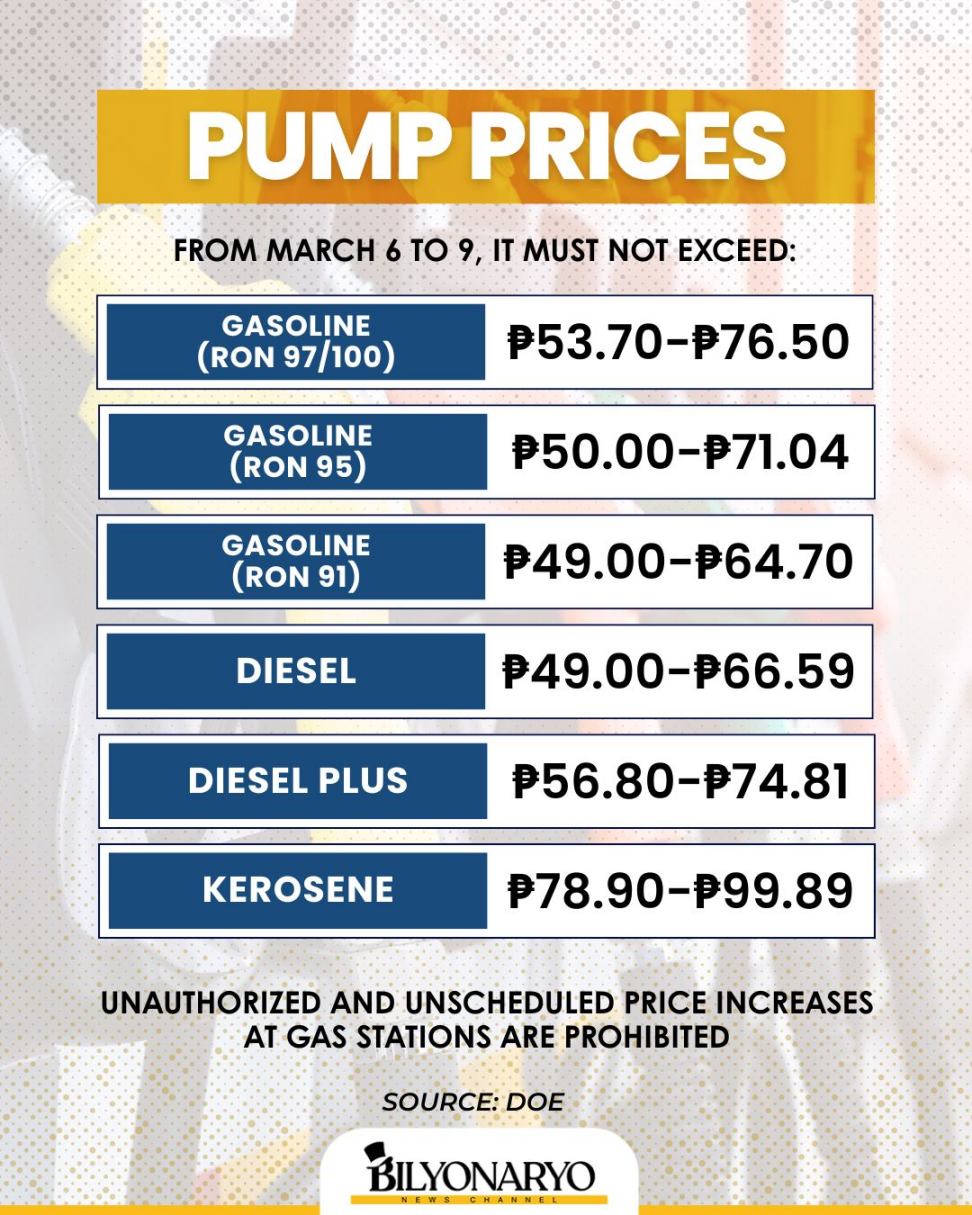
When fuel prices rise, the effects spread across the economy—from fishing boats and farm machinery to public transport, food prices, and the cost of delivering goods.
A fisherman from Zamboanga describes the reality many coastal communities now face:
“If diesel keeps rising, some fishermen cannot go out to sea. Without fuel there is no catch.”
A farmer from North Cotabato echoes the concern:
“We are already struggling with droughts and floods because of climate change. Now fertilizer and transport costs rise again because of the war.”
For many communities across Mindanao, the effects of distant conflict are therefore felt not only in global headlines but in the daily struggle to keep livelihoods afloat.
Electricity and Energy Vulnerability
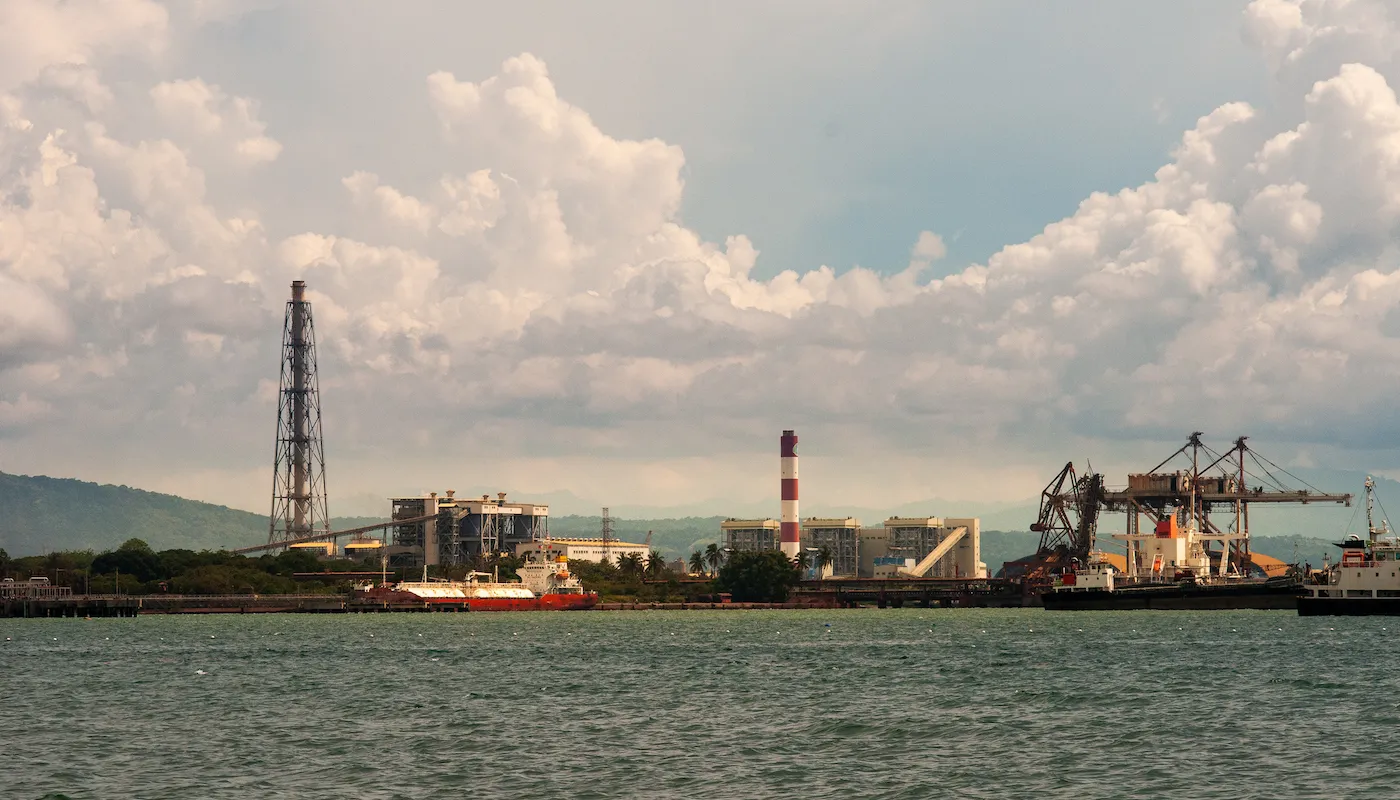
Electricity prices in the Philippines may also rise as global fuel disruptions continue.
The Department of Energy (DOE) has warned that electricity rates could increase by as much as 16 percent by April if global fuel prices continue to surge amid the escalating conflict in the Middle East. The projection reflects growing concern that instability in global energy markets will affect countries that rely heavily on imported fuels.
The warning is serious because the Philippines remains highly dependent on fossil fuels for electricity generation.
Coal accounted for about 61.9 percent of the country’s electricity generation in 2023, according to energy sector data, making the Philippines one of the more coal-dependent power systems in Asia. Much of this fuel is imported, meaning that global price shocks can quickly affect domestic electricity markets.
When fuel prices rise, power producers often pass those costs through the electricity market, increasing the price consumers ultimately pay.
A war-driven oil and gas shock therefore does not stop at gasoline stations. It can also raise electricity bills.
For households already struggling with rising food prices, transport costs, and climate-related disasters, higher power rates would add another burden linked to a conflict unfolding thousands of kilometers away.
War, the Military-Industrial Complex, and Climate Destruction
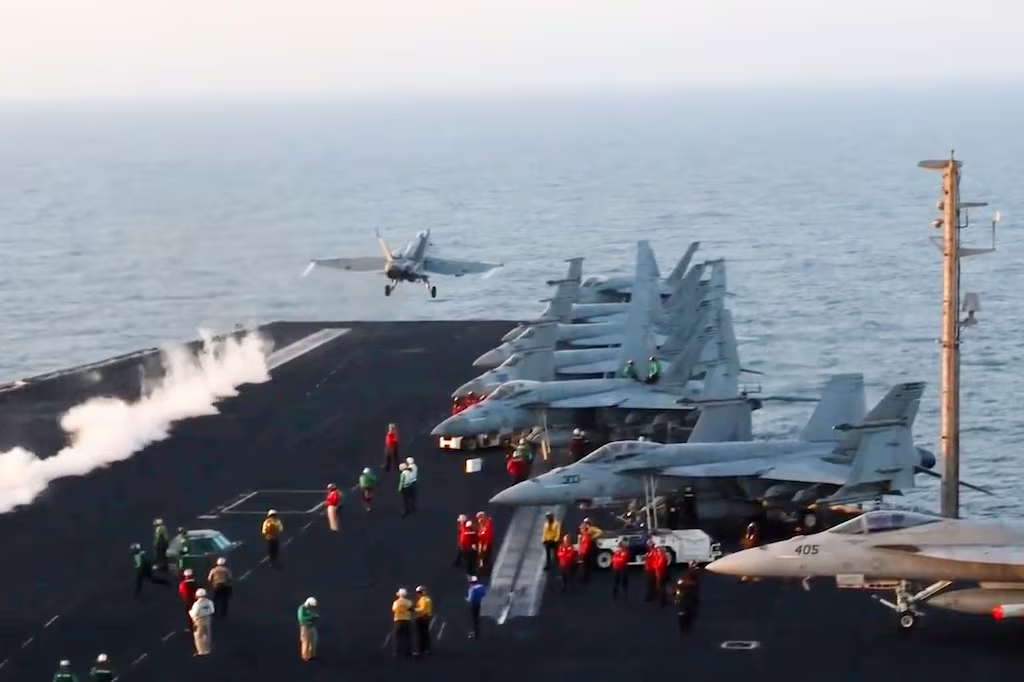
Aggression is not only a humanitarian disaster. It is also a climate disaster.
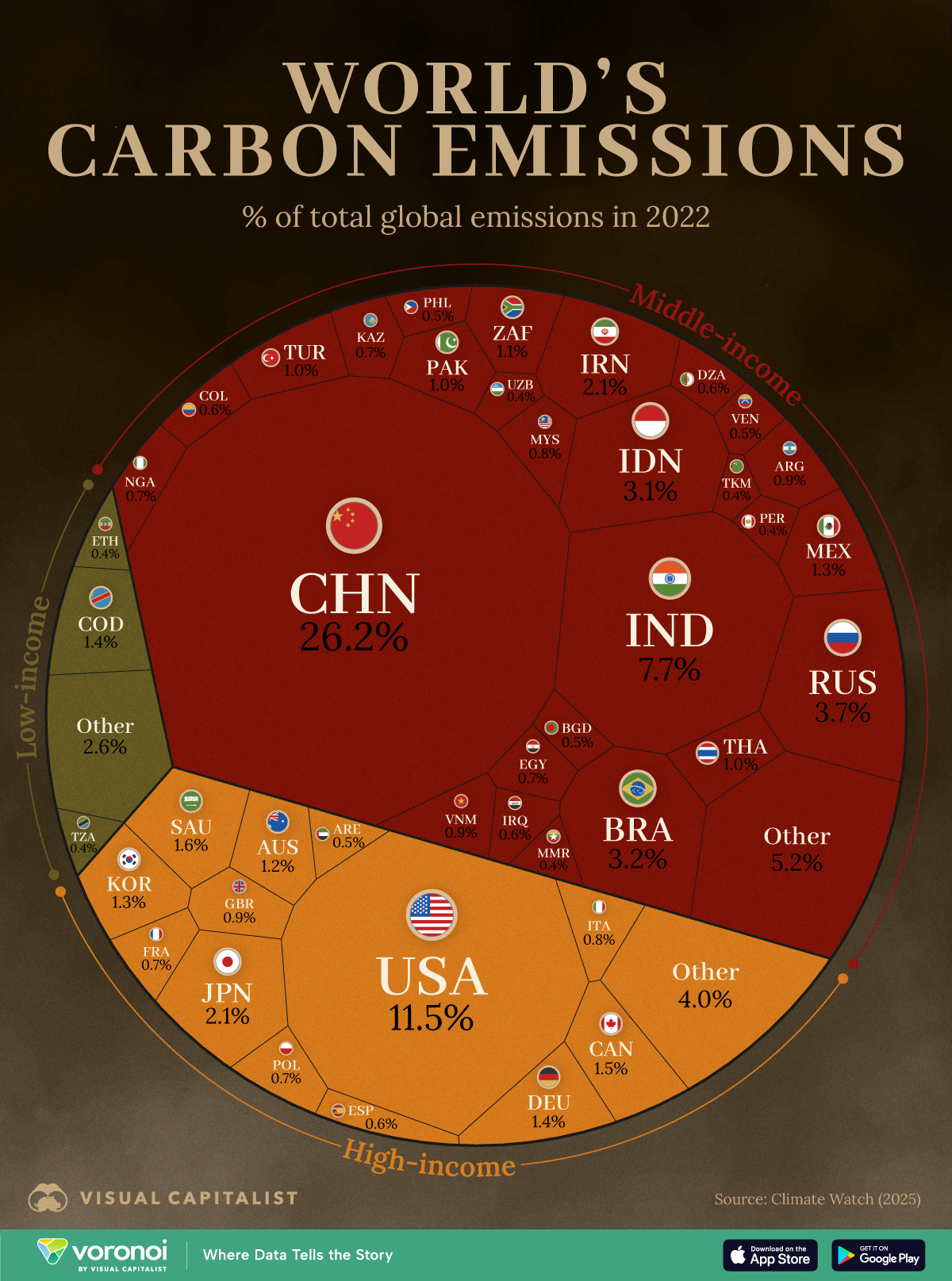
Modern warfare is one of the most carbon-intensive activities on Earth. Research from the Costs of War Project at Brown University estimates that global military activity contributes roughly 5.5 percent of total greenhouse gas emissions—a share larger than the emissions of many entire countries.
Within this system, the United States military stands out as the world’s largest institutional consumer of fossil fuels. Studies estimate that U.S. military operations emitted more than 1.2 billion metric tons of greenhouse gases between 2001 and 2019, largely during the wars launched after the September 11 attacks. That level of pollution is comparable to the annual emissions of some medium-sized industrialized nations.
These emissions are deeply connected to what analysts call the military-industrial complex—the powerful system linking governments, defense contractors, arms manufacturers, and fossil fuel industries. Global military spending now exceeds $2 trillion annually, while modern armies remain heavily dependent on oil, aviation fuel, and other carbon-intensive energy sources.
Every stage of modern warfare consumes enormous amounts of fuel. Fighter jets burn thousands of liters of fuel during a single mission. Naval fleets operate massive oil-powered vessels across oceans. Armored vehicles, missile systems, and global logistics networks require constant energy supplies to move troops, weapons, and equipment across continents.
When conflicts escalate, fuel consumption rises dramatically. Military deployments expand, supply chains intensify, and infrastructure is destroyed—often releasing additional greenhouse gases and toxic pollutants into the atmosphere.
War also causes direct environmental destruction. Bombing campaigns can devastate ecosystems, contaminate water systems, and destroy farmland. Fires from damaged oil depots, industrial facilities, and urban infrastructure release large amounts of carbon and toxic smoke into the air, worsening environmental damage long after the fighting ends.
For regions already vulnerable to climate impacts, these effects compound existing crises. Communities in places like Mindanao, which contribute only a tiny share of global emissions, are already facing stronger typhoons, flooding, droughts, and crop losses linked to climate change.
Yet the same global system that drives climate breakdown continues to expand militarism and fossil-fuel consumption. Governments spend trillions of dollars on weapons and war while climate adaptation and disaster preparedness remain severely underfunded.
In this sense, militarism and climate injustice are deeply connected. The communities that contribute the least to global emissions are often the ones forced to bear the greatest consequences—through both climate disasters and the economic shocks triggered by war.
For vulnerable regions like Mindanao, the climate crisis and global militarism are therefore not separate problems. They are two sides of the same global system that places the heaviest burdens on those with the least responsibility.
Climate Hypocrisy

The contradiction becomes stark when global militarism is placed beside U.S. climate policy.
The United States remains the largest historical emitter of greenhouse gases, responsible for a major share of the carbon pollution accumulated in the atmosphere since the industrial era. Yet at a time when climate impacts are intensifying across the world, Washington has stepped back from several international climate commitments and financing mechanisms intended to support vulnerable countries.
On January 20, 2025, the White House ordered the withdrawal of the United States from agreements made under the United Nations Framework Convention on Climate Change (UNFCCC) and revoked the U.S. International Climate Finance Plan, which had been designed to help fund global climate mitigation and adaptation efforts.
The retreat from climate engagement continued in 2026, when Reuters reported that the United States moved to withdraw from the UNFCCC itself, the treaty widely considered the foundation of global climate negotiations and the parent framework of the Paris Agreement. The United States also withdrew from the board of the U.N. loss-and-damage fund, a financial mechanism created to help vulnerable countries cope with the irreversible impacts of climate disasters.
These decisions matter because climate finance is not an abstract diplomatic issue. Funds such as the Green Climate Fund and the loss-and-damage fund were established to help developing nations strengthen climate resilience, rebuild after disasters, and protect communities facing environmental damage they played little role in causing.
At the same time, global military spending is moving sharply in the opposite direction. According to the Stockholm International Peace Research Institute (SIPRI), worldwide military expenditure reached $2.718 trillion in 2024, the highest level ever recorded. The increase reflects a global surge in militarization as geopolitical tensions intensify.
This contrast reveals a profound imbalance in global priorities. Governments are willing to spend trillions of dollars preparing for war while far fewer resources are directed toward preventing climate catastrophe or helping vulnerable communities recover from its impacts.
For countries like the Philippines, the consequences are severe. The country faces what can only be described as a triple burden:
- worsening climate disasters such as stronger typhoons, flooding, and drought
- economic shocks triggered by global conflicts and rising fuel prices
- declining international support for climate adaptation and recovery
For communities across Mindanao, this burden is particularly heavy. The region already experiences frequent flooding, agricultural losses, and intensifying climate risks. Many families also depend on overseas work and fragile rural livelihoods that are easily disrupted by global economic shocks.
When climate finance shrinks while military spending grows, the costs are pushed downward onto the same communities that contributed the least to the climate crisis in the first place.
This is why the issue is not only about geopolitics or diplomacy. It is also about climate justice.
Sovereignty Concerns
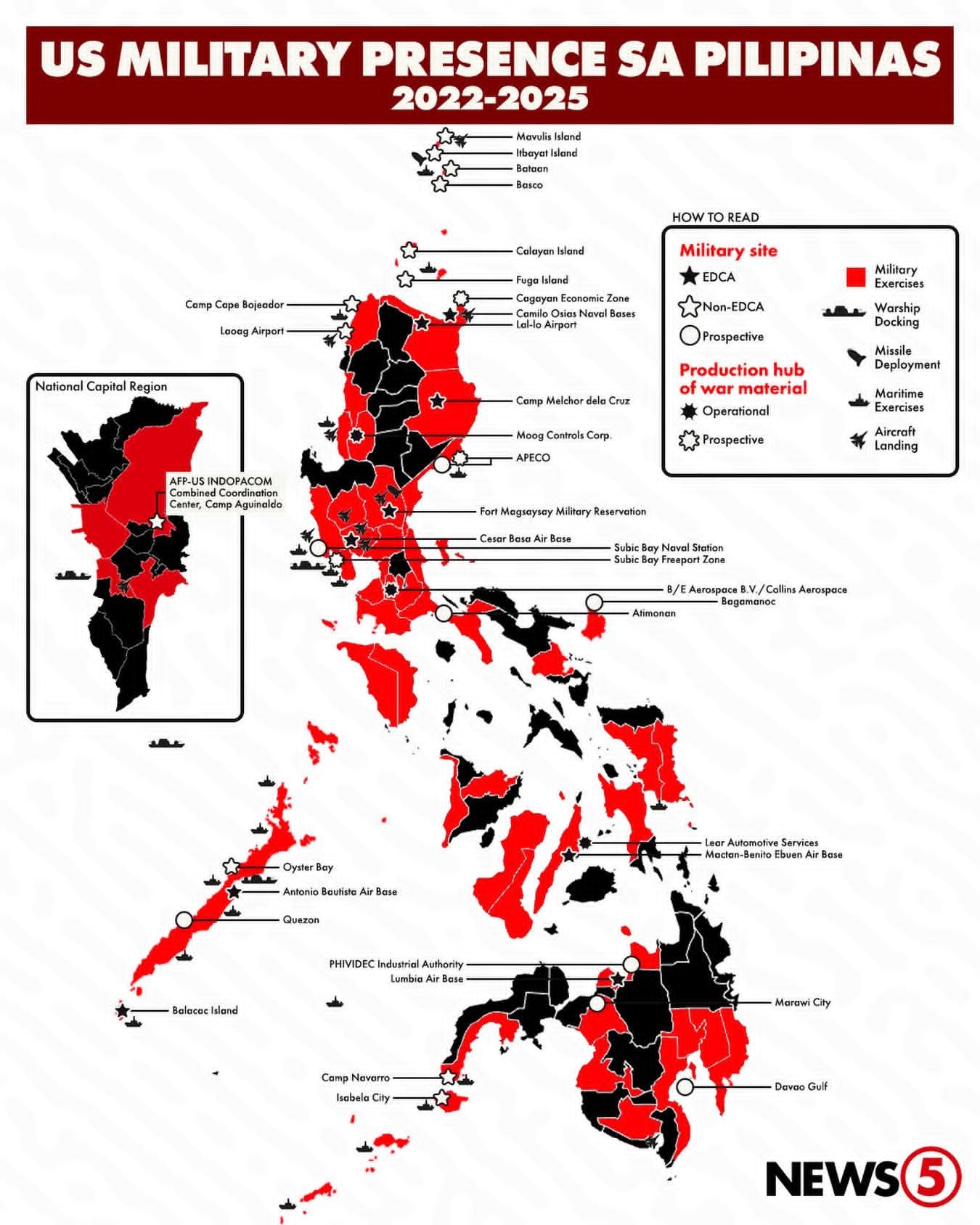
The escalation of violence in the Middle East also raises broader questions about the Philippines’ geopolitical position and the risks that come with deeper military alignment among major powers.
Under the Enhanced Defense Cooperation Agreement (EDCA), first signed in 2014, the United States has been granted rotational access to selected Philippine military facilities for joint training, logistics operations, and the prepositioning of military equipment.
Initially covering five agreed locations, the agreement was expanded in 2023 to nine sites, reflecting the growing military cooperation between Manila and Washington.
Among the facilities currently accessible to U.S. forces are:
- Antonio Bautista Air Base in Palawan
- Basa Air Base in Pampanga
- Fort Magsaysay in Nueva Ecija
- Benito Ebuen Air Base in Cebu
- Lumbia Air Base in Mindanao
Additional locations approved in recent years include sites in Cagayan and Isabela, strategically located near the Taiwan Strait and the South China Sea, two areas widely viewed as potential flashpoints in regional geopolitics.
Supporters of the agreement argue that the expanded cooperation strengthens the Philippines’ defense capacity and enhances deterrence against external threats. However, critics and civil society groups warn that the widening military footprint could also increase the country’s exposure to geopolitical conflicts among major powers.
A broader picture of U.S. military presence in the Philippines suggests that cooperation extends beyond the official EDCA sites. Maps of U.S. military activity from 2022 to 2025 show a network of locations across the country associated with joint exercises, naval docking, aircraft operations, and logistics hubs.
These include areas connected to maritime exercises, aircraft landings, missile deployment, and warship docking, as well as industrial and logistics facilities that support military operations and supply chains. Together, they reflect the Philippines’ growing role within the wider U.S. security architecture in the Indo-Pacific.
For many observers, the concern is not simply about defense cooperation itself, but about the possibility that the Philippines could become entangled in conflicts far beyond its borders.
Rising tensions in the South China Sea, disputes over maritime territory, and the possibility of confrontation in the Taiwan Strait have already placed Southeast Asia at the center of global strategic competition. In such scenarios, countries hosting foreign military facilities could face pressure or risk becoming part of wider military confrontations.
For communities in Mindanao, these questions carry particular weight. The region has experienced decades of armed conflict, displacement, and militarization, leaving deep social and economic scars.
A religious sister working with displaced communities in Mindanao reflects on these fears:
“Our people already know what war and displacement mean. We should not become part of new wars created by powerful nations.”
A Moro community elder from Maguindanao expresses a similar concern:
“We have lived through too many wars already. What our communities need is peace, development, and dignity—not to become part of conflicts created by powerful countries.”
For many Filipinos, the debate therefore goes beyond military alliances. It touches on a deeper question of sovereignty—how the Philippines can safeguard its security while ensuring that its territory, its people, and its future are not drawn into wars driven by global power rivalries.
Voices Calling for Peace
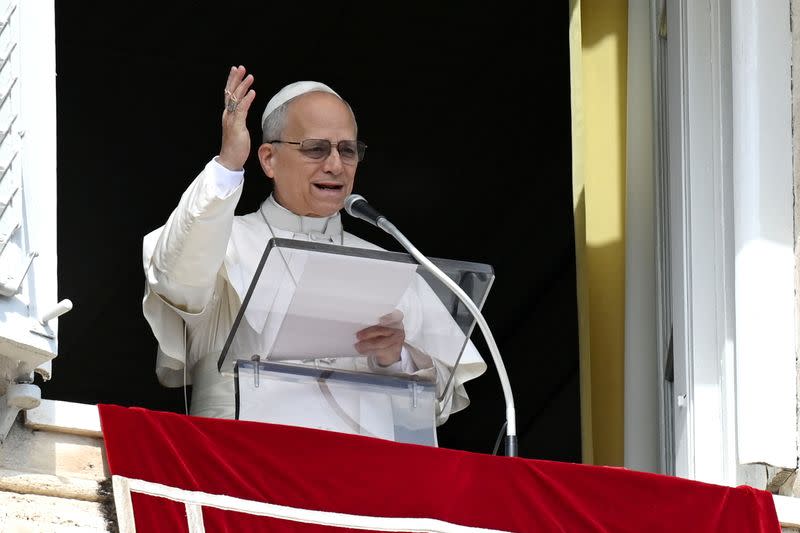
Amid the escalating violence, moral and humanitarian voices across the world have called for restraint and renewed diplomacy.
Among the most prominent appeals has come from Pope Leo XIV, who warned that the continued bombing in Iran and across the Middle East risks spreading fear, instability, and wider conflict.
Speaking during the Angelus prayer in St. Peter’s Square, the Pope urged world leaders to stop the spiral of violence and return to dialogue:
“May the roar of bombs cease. May weapons fall silent, and may space be opened for dialogue so that the voices of peoples can be heard.”
The appeal reflects a broader principle embedded in international humanitarian law: civilians must never be treated as expendable casualties in geopolitical struggles. Schools, hospitals, and residential communities are protected under international law precisely because war’s human costs fall overwhelmingly on ordinary people.
These calls for peace are also echoed far from the battlefields of the Middle East.
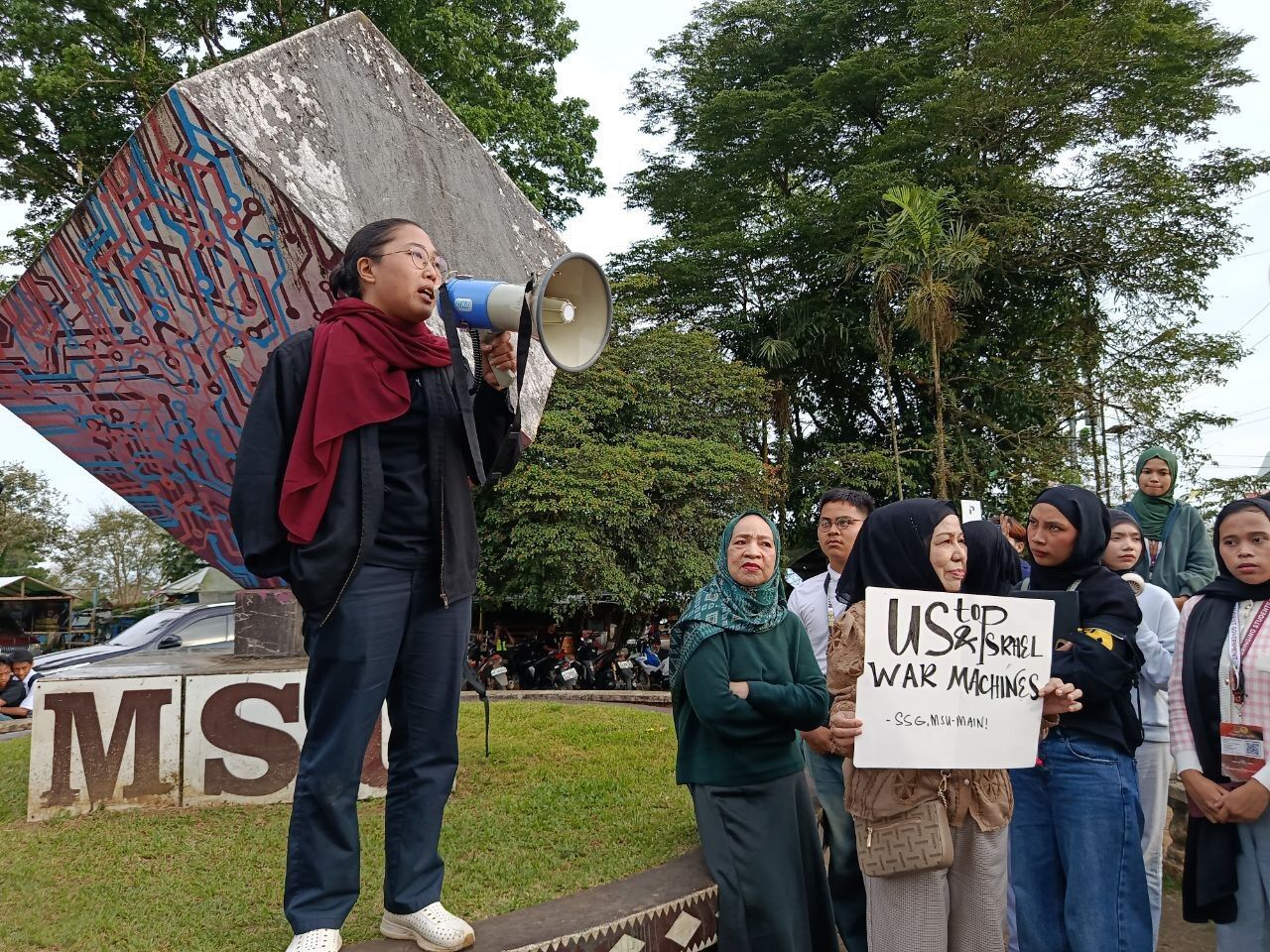
In Marawi City, Muslim students and community members gathered at Mindanao State University to protest the U.S.–Israeli aggression against Iran. Holding placards and speaking through megaphones, the students warned that wars between powerful states inevitably bring suffering to ordinary people across the world.
Organizers of the gathering later shared food for the sunset Iftar, the meal that breaks the daily fast during Ramadan, transforming the protest into a moment of solidarity and reflection.
For communities in Mindanao, the call for peace carries particular resonance. The region has lived through decades of armed conflict, displacement, and fragile peacebuilding, and many people understand how deeply war scars communities long after the guns fall silent.
A religious sister working with displaced families in Mindanao reflects:
“Our people already know what war and displacement mean. We should not become part of new wars created by powerful nations.”
Across faith communities, student groups, and civil society movements, the message remains clear: wars driven by geopolitical power struggles must not be allowed to silence the voices of ordinary people who ultimately bear their costs
What Must Be Demanded Now
For communities across Mindanao, the lesson from this crisis is unmistakable.
The aggression in the Middle East reveals how deeply intertwined militarism, fossil-fuel geopolitics, and climate injustice have become. Wars launched by powerful states do not stay confined to distant battlefields. Their consequences spread across borders — disrupting energy markets, driving up fuel and food prices, threatening migrant workers, and deepening the climate crisis already facing vulnerable communities.
For many families in Mindanao, these impacts are immediate and personal. They are felt in rising fuel and electricity costs, in the price of food and transport, and in the constant worry of households with relatives working in the Middle East whose safety and livelihoods may suddenly be placed at risk.
In the face of these realities, the demands of ordinary people are clear.
There must be an immediate ceasefire and de-escalation of hostilities, with renewed efforts toward diplomacy rather than war.
Civilians must be protected, and all parties must respect international humanitarian law and the United Nations Charter, which exist to prevent wars from destroying communities and civilian infrastructure.
The safety and rights of overseas Filipino workers must be guaranteed, including evacuation readiness, labor protection, and support for families who rely on their remittances.
Governments must also act urgently to shield vulnerable communities from surging fuel, food, and electricity pricestriggered by global conflicts.
At the same time, the Philippines must uphold its sovereignty and national interest, ensuring that its territory and people are not drawn into conflicts driven by the rivalries of powerful nations.
Beyond the immediate crisis, the world must confront a deeper reality: militarism and fossil-fuel dependence are fueling both war and climate breakdown. A genuine path to peace requires a decisive shift toward climate justice, renewable energy, and sustainable livelihoods that prioritize people and the planet.
Communities across Mindanao understand the cost of war and displacement better than most. Decades of conflict have shown that violence rarely resolves political crises. Instead, it leaves lasting scars on families, economies, and future generations.
Their message is clear:
peace must prevail over power politics.
The ordinary masses did not choose this aggression.
They must not be made to pay for it.