Families Sleep Under Tarpaulins as Thousands Remain Displaced After the Sarangani Earthquake
SARANGANI, Mindanao — Days after a powerful magnitude 7.8 earthquake struck offshore Sarangani Province on 8 June 2026, thousands of families across Southern Mindanao continue to face displacement, damaged homes, disrupted livelihoods, communication interruptions, and limited access to basic services.
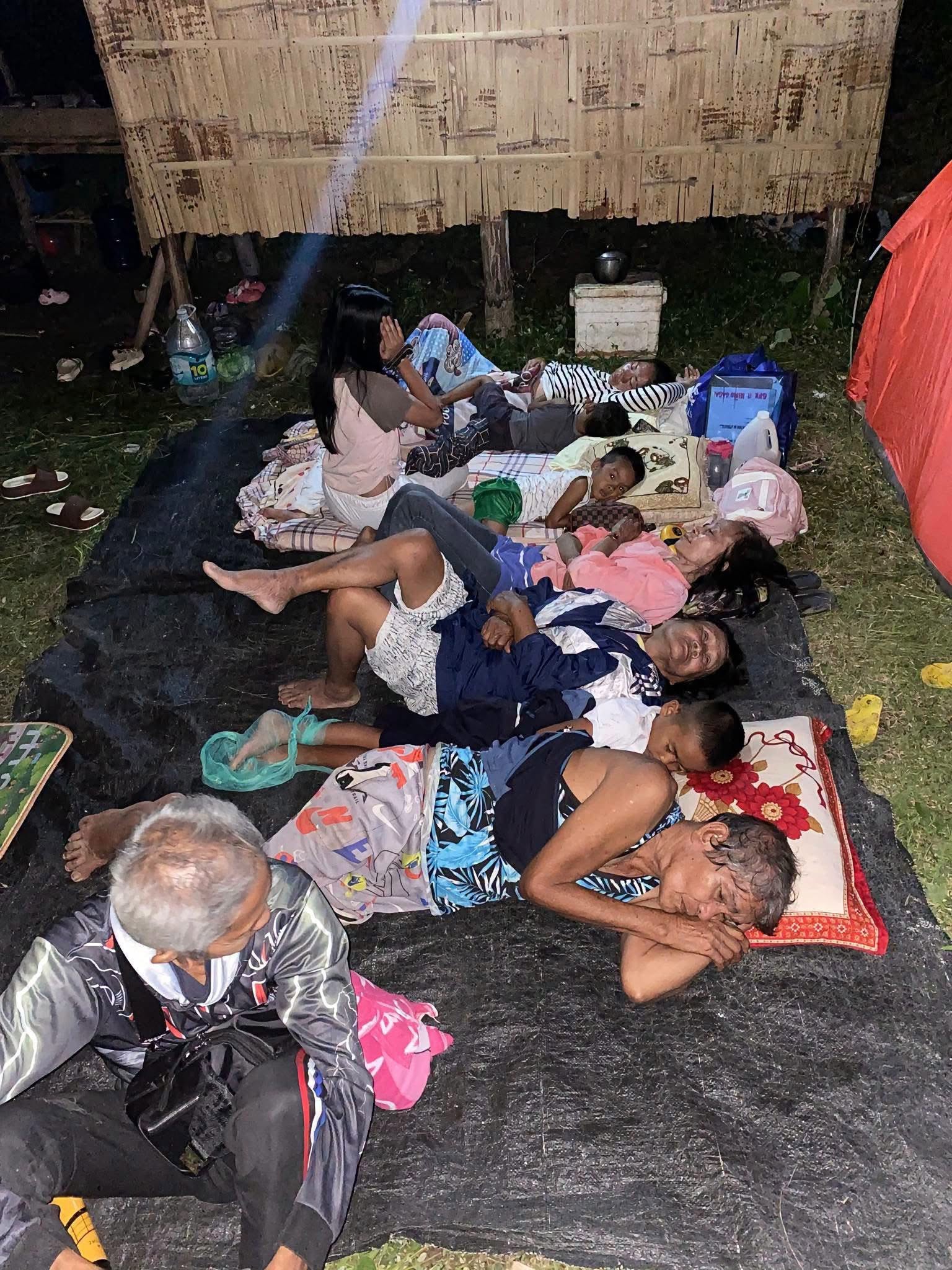
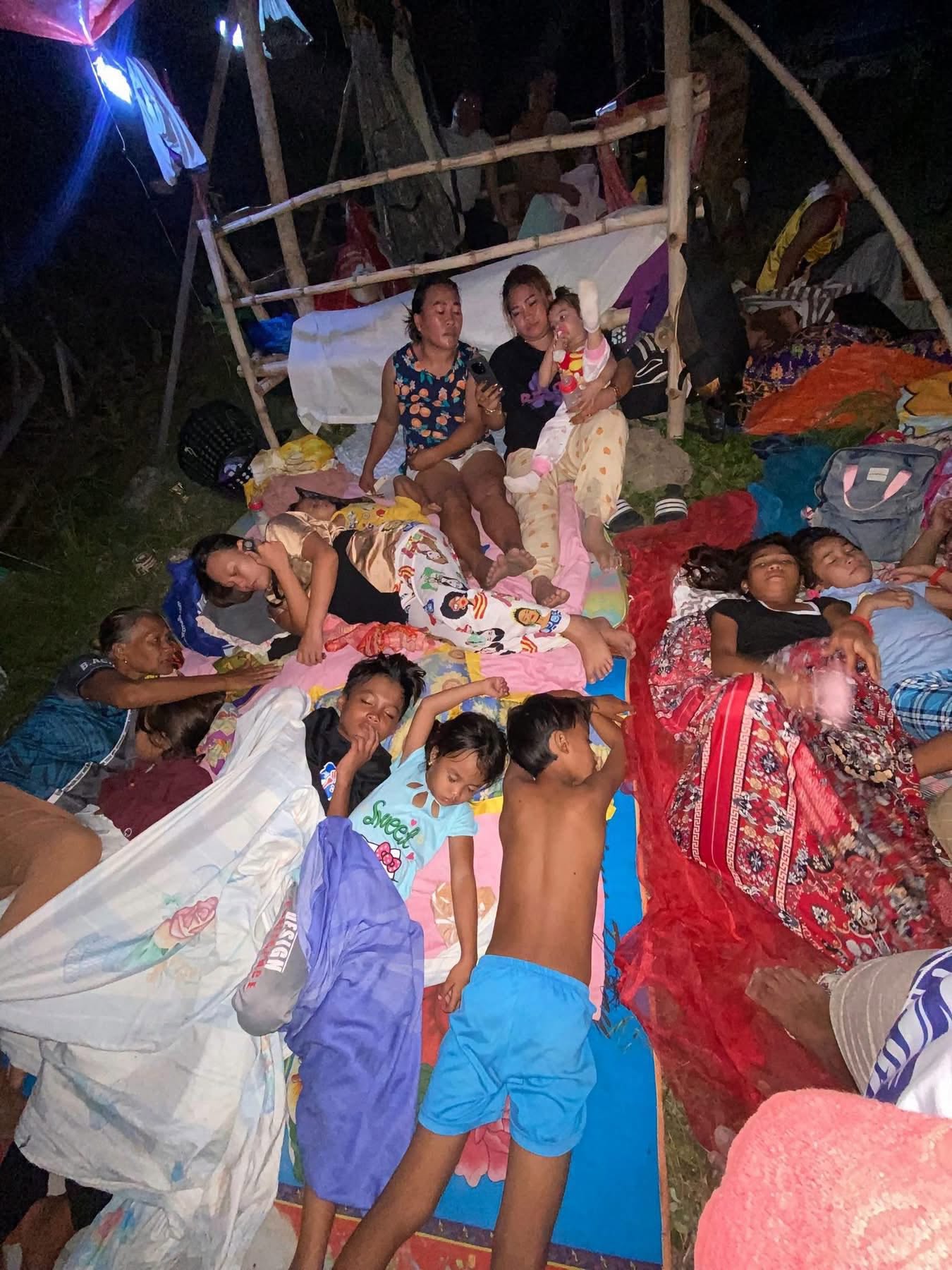
Across affected communities, many families remain under tarpaulins, makeshift shelters, and temporary tents, afraid to return to homes that may have been weakened by the earthquake and continuing aftershocks.
Children sleep on mats laid over bamboo floors and plastic sheets. Elderly residents spend nights in open spaces. Parents remain alert as recurring tremors continue to generate fear and uncertainty throughout affected communities.
While tsunami warnings have since been lifted, the humanitarian challenges facing many communities remain significant.
A Disaster Affecting Thousands
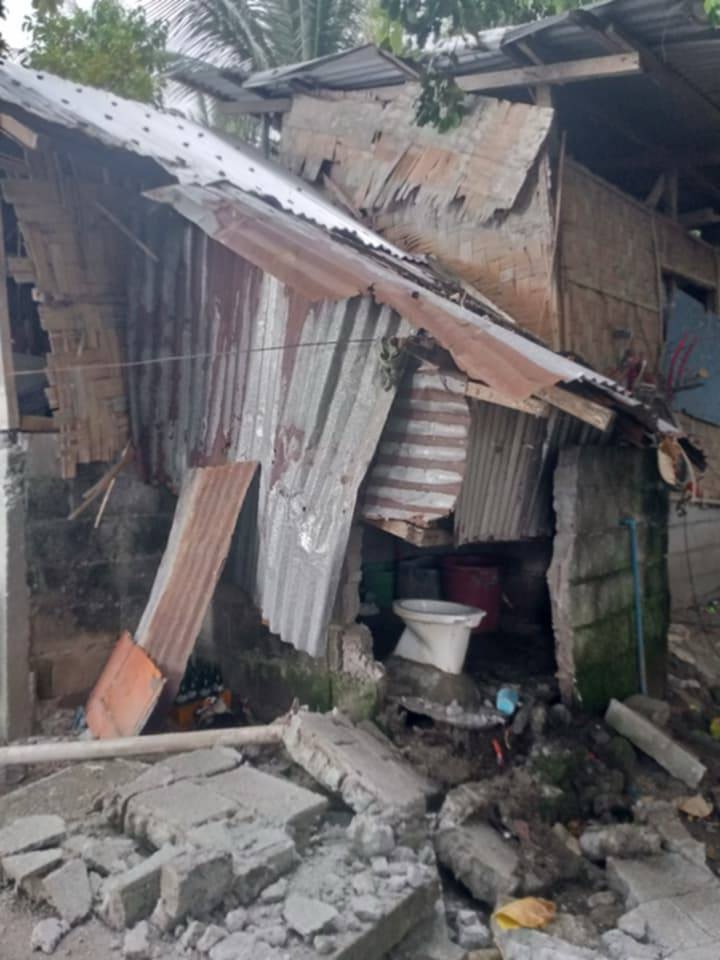

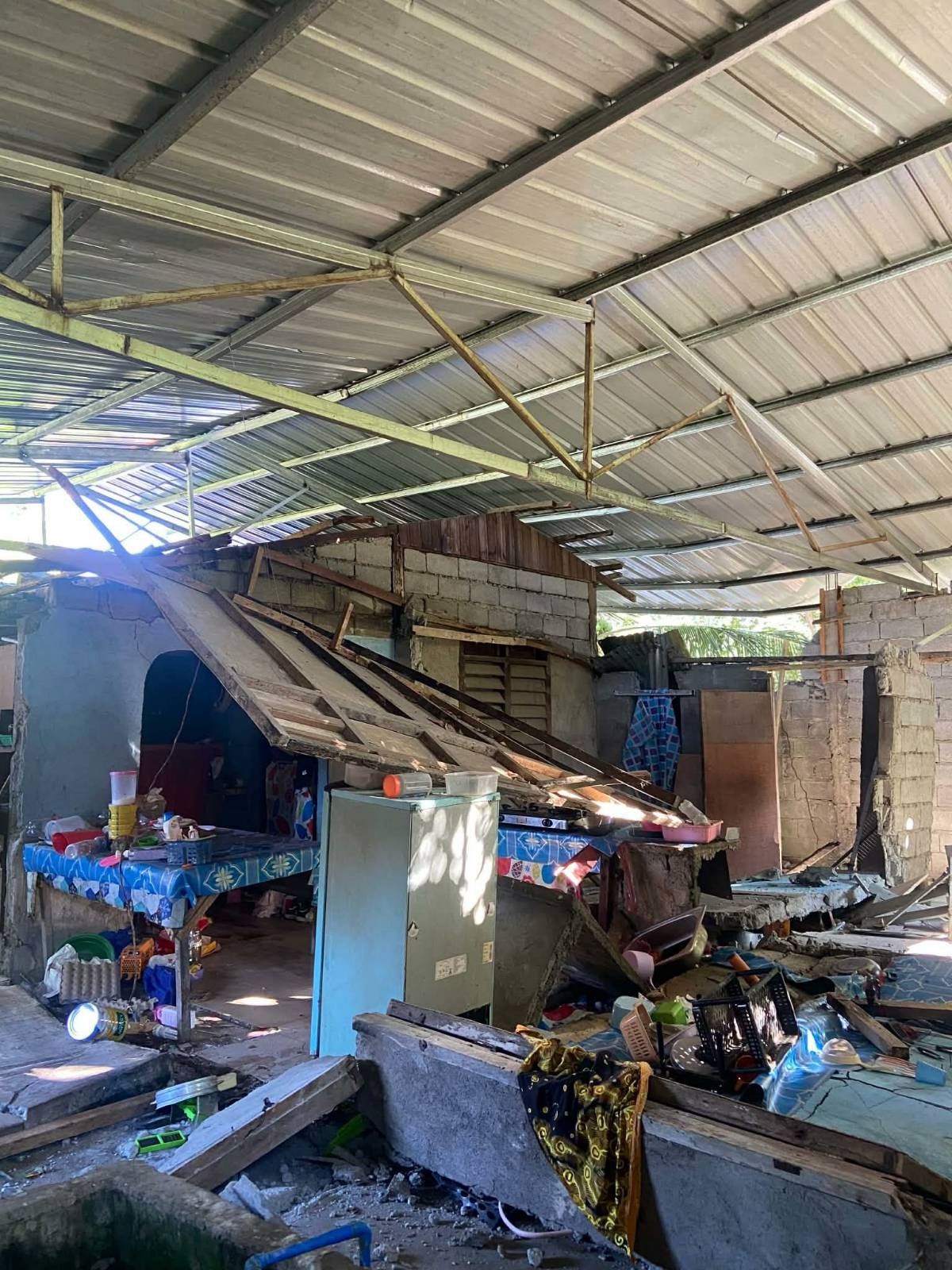
The earthquake, whose epicenter was located approximately 32 kilometers west of Maasim, Sarangani, triggered tsunami warnings across coastal areas of Mindanao and generated hundreds of aftershocks. Strong ground shaking was recorded across Southern Mindanao, with General Santos City experiencing PHIVOLCS Earthquake Intensity Scale (PEIS) VII or “Destructive” intensity.
Current assessments indicate that at least 6,974 families have been affected across General Santos City and Sarangani Province.
Key Figures
- 6,974+ affected families
- 350+ houses totally damaged
- 1,499+ houses partially damaged
- 13 deaths
- 144 injuries
- 4 missing persons
- 51 families reached through the first MCJ-supported relief distribution
In General Santos City alone, authorities reported 1,836 affected families, 287 totally damaged houses, 1,272 partially damaged houses, 13 confirmed deaths, 144 injuries, and four missing persons.
Meanwhile, provincial assessments in Sarangani indicate at least 5,138 affected families, 63 totally damaged houses, 227 partially damaged houses, and significant damage to roads, bridges, transportation, and communication infrastructure.
Municipalities reporting major impacts include Glan, Malapatan, Kiamba, Maitum, Alabel, Maasim, and Malungon.
However, behind these numbers are thousands of families still struggling to regain a sense of safety and stability.
Sarangani’s Most Vulnerable Communities
Located at the southern tip of Mindanao, Sarangani Province is home to diverse Indigenous Peoples, Moro communities, fisherfolk families, and rural farming communities whose livelihoods depend on agriculture, fishing, and natural resources.
Many affected communities are located within ancestral domains, remote coastal settlements, and geographically isolated upland villages where access to healthcare, transportation, communications, education, and government services has historically been limited.
Particularly affected are Blaan Indigenous communities, other Lumad Indigenous Peoples, Moro communities, fisherfolk households, and rural families living in upland and coastal areas.
For communities already facing economic hardship, recurring climate-related disasters, and livelihood insecurity, the earthquake has deepened existing vulnerabilities.
These are also communities that are often among the last to receive assistance during large-scale emergencies.
Communication Disruptions Deepen the Crisis
Beyond the visible destruction, communication interruptions have emerged as one of the most urgent humanitarian concerns.
Families in General Santos City, Alabel, and neighboring municipalities continue to report difficulty contacting relatives in several coastal communities of Glan due to damaged communication infrastructure, power interruptions, and weak cellular signals.
Community reports indicate limited information remains available from the coastal barangays of:
- Small Margus
- Big Margus
- Pangyan
- Taluya
- Gumasa
- Burias
- Lago
- Batulaki
These communities have an estimated combined population of approximately 28,000 to 30,000 residents.
In some coastal communities, communication disruptions have become a crisis in themselves. Families continue searching for information about loved ones after days without contact. Some residents have reportedly sought boats and alternative transportation in an effort to reach isolated communities and verify the safety of relatives.
For many households, uncertainty regarding the condition of loved ones has become a secondary humanitarian emergency.
Because access remains difficult and communications remain unstable, current assessments should be considered preliminary, and actual humanitarian needs may be significantly higher than presently documented.
MCJ Responds Alongside Communities
As community reports began emerging from affected areas, Mindanao Climate Justice (MCJ) immediately mobilized local partners, Indigenous leaders, church networks, volunteers, and community contacts to assess needs and coordinate initial response efforts.
The earthquake also affected members of the MCJ team. Three staff members and their families were among those directly impacted by the disaster. While ensuring the safety and immediate needs of their own households, MCJ staff simultaneously joined assessment and response efforts alongside community partners.
Through its Duyog Mindanao Earthquake Response Appeal, MCJ began mobilizing support for affected communities and coordinating humanitarian assistance.
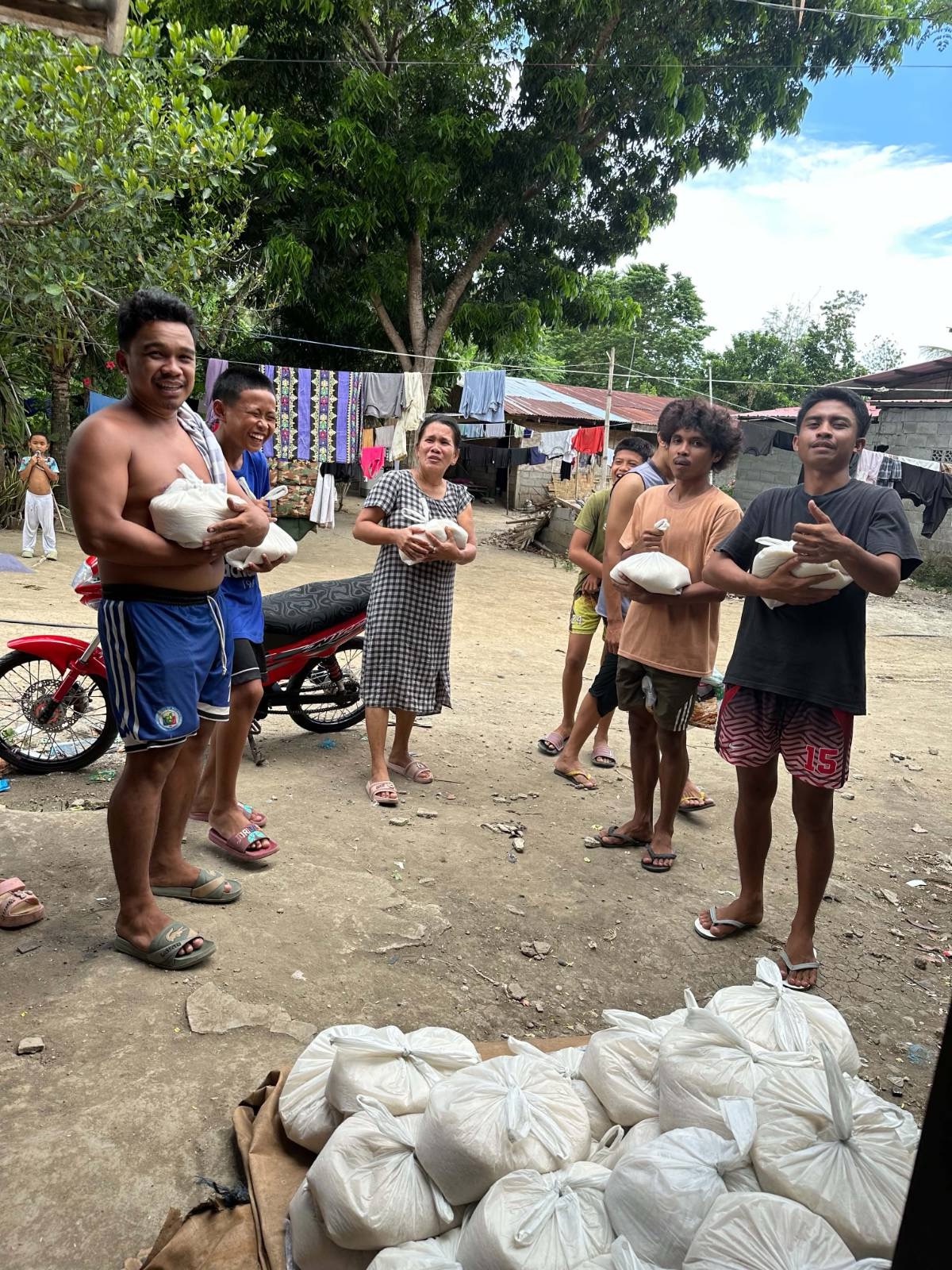
On 10 June, MCJ conducted its first community-supported relief operation in Malapatan, Sarangani.
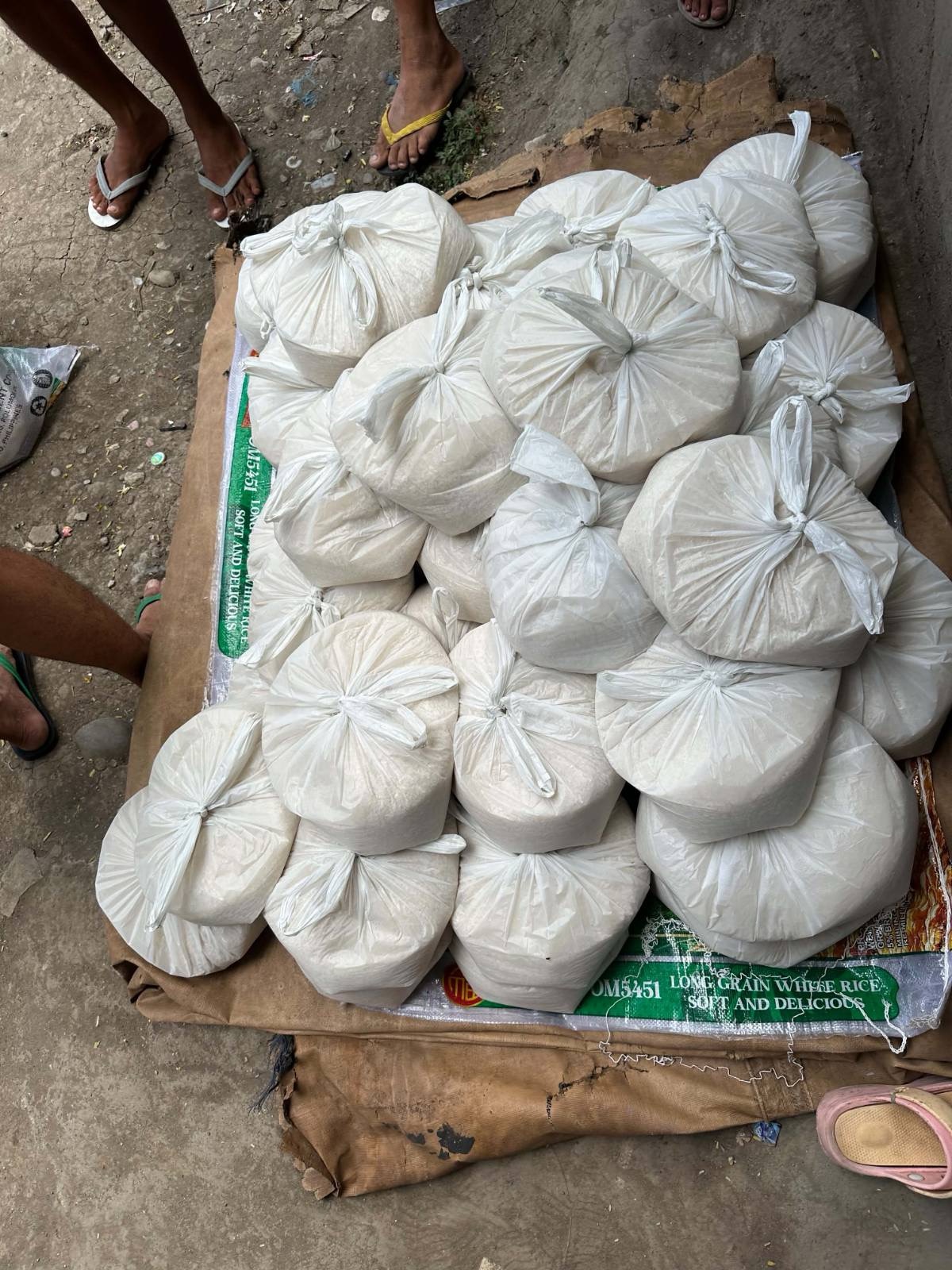
Through donations from individuals, friends, and solidarity networks, emergency rice assistance reached 51 earthquake-affected families.

A total of 255 kilograms of rice was distributed during the operation.
Community members reported that this was the first relief assistance received by beneficiary families since the earthquake struck.
Community consultations initially explored establishing a community kitchen. However, residents explained that ongoing aftershocks and safety concerns made collective cooking activities impractical. Instead, families identified rice and basic food supplies as the most urgent and practical immediate need.
While significant for the families reached, the initial response also underscored the scale of unmet needs across affected communities.
Urgent Humanitarian Needs Remain
Community consultations and rapid assessments continue to identify urgent needs, including:
Immediate Needs
- Food assistance and rice distribution
- Clean drinking water
- Essential medicines and first-aid supplies
- Hygiene kits and sanitation materials
- Tarpaulins and emergency shelter materials
- Blankets and sleeping mats
Recovery and Access Needs
- Transportation and logistics support
- Fuel for relief delivery
- Communication support for isolated communities
- Psychosocial support for children and families
- Shelter repair assistance
- Livelihood recovery support
Although relief efforts have begun, available resources remain far below identified needs.
Thousands of affected families continue to require immediate assistance, particularly Indigenous Peoples, Moro communities, fisherfolk households, women, children, elderly residents, and geographically isolated communities that remain underserved.
Standing in Solidarity with Affected Communities
The earthquake has demonstrated both the vulnerability and resilience of Mindanao’s communities.
Even as many affected families continue to face uncertainty, local residents, Indigenous leaders, church workers, volunteers, and community organizations have stepped forward to support one another.
MCJ remains committed to standing alongside affected communities and expanding humanitarian assistance to those most in need.
The coming days will be critical. While the first distribution reached 51 families, thousands more remain affected and many communities have yet to receive meaningful assistance.
How You Can Help
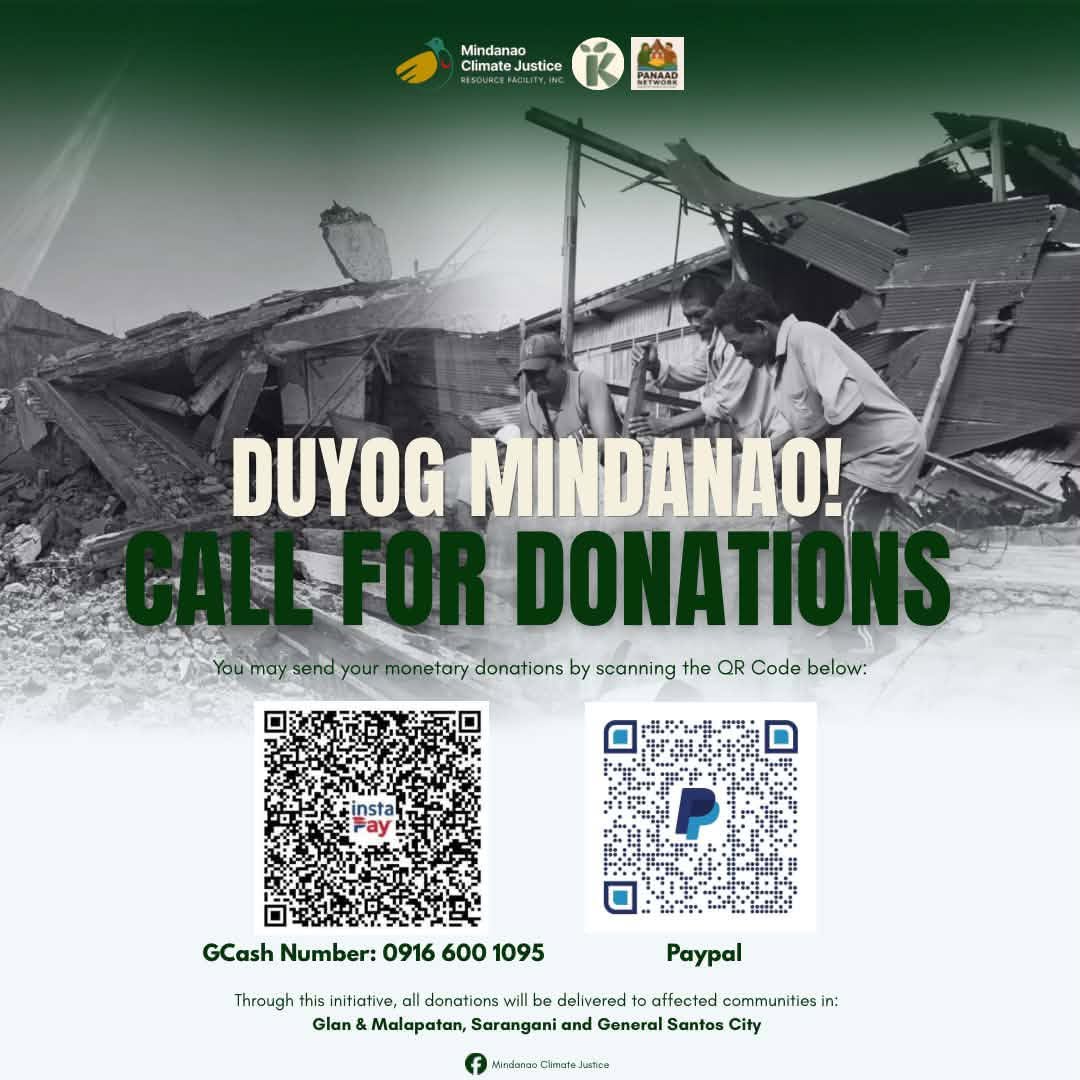
Every contribution helps bring food, clean water, medicines, shelter materials, transportation support, and emergency assistance directly to affected communities, particularly Lumad, Moro, fisherfolk, upland, and coastal communities that remain underserved.
DONATE • VOLUNTEER • SHARE
📱 GCash (PH): 0916 600 1095
Account Name: MCJ / LYA RO***E V.
💳 Venmo: @Panaad-Network
🌐 PayPal: paypal.me/panaad
📧 Email: info@mindanaoclimatejustice.org
For ongoing updates from the ground, follow Mindanao Climate Justice on Facebook:
https://www.facebook.com/mcj.mindanao.climate.justice
No family should have to spend nights outdoors while waiting for help. No family should have to wait days without knowing whether their loved ones are safe.