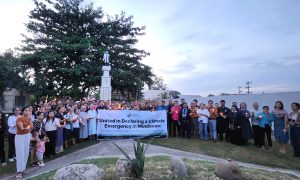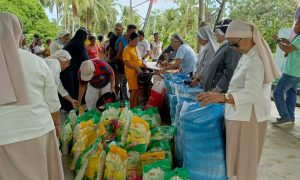
Held during National Indigenous Peoples Month and Global Media and Information Literacy Week, the three-day gathering brought communities together to share their histories, practice responsible communication, strengthen collective care, and take ownership of the learning process.
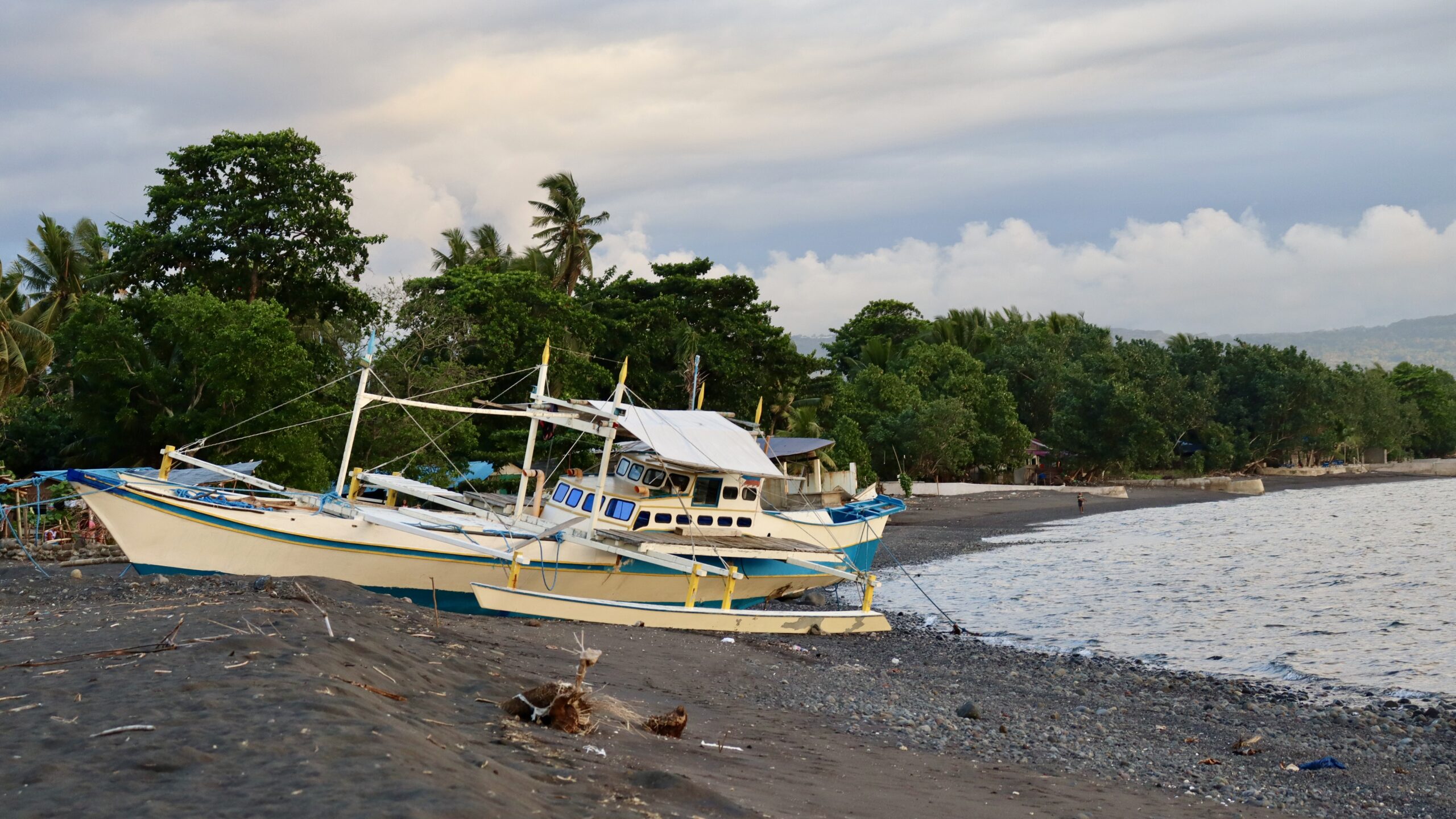
BALINGASAG, Misamis Oriental — For participants from the Manobo Pulangiyon community of Bukidnon, the Pulangi River is more than a source of livelihood. It is part of their history, identity, and collective life.
During a community-history sharing, they described fishing, farming, customary leadership, and Panikupa, a seasonal communal fishing practice involving children, elders, women, and men. They also spoke about their continuing struggle to regain access to ancestral land.
Participants from the Talaandig community in Bukidnon shared difficulties accessing farmland and sustaining their families. From Surigao del Sur came accounts of threats against Indigenous communities defending ancestral territories. Participants from Marawi spoke about displacement, the need for permanent homes, livelihood opportunities, and accountability.
These were among the experiences shared during Paghiusa para sa Pagpadayon: A Foundational Program on Community Leadership, Climate Justice and Communication, held on October 26–28, 2026, in Balingasag, Misamis Oriental.
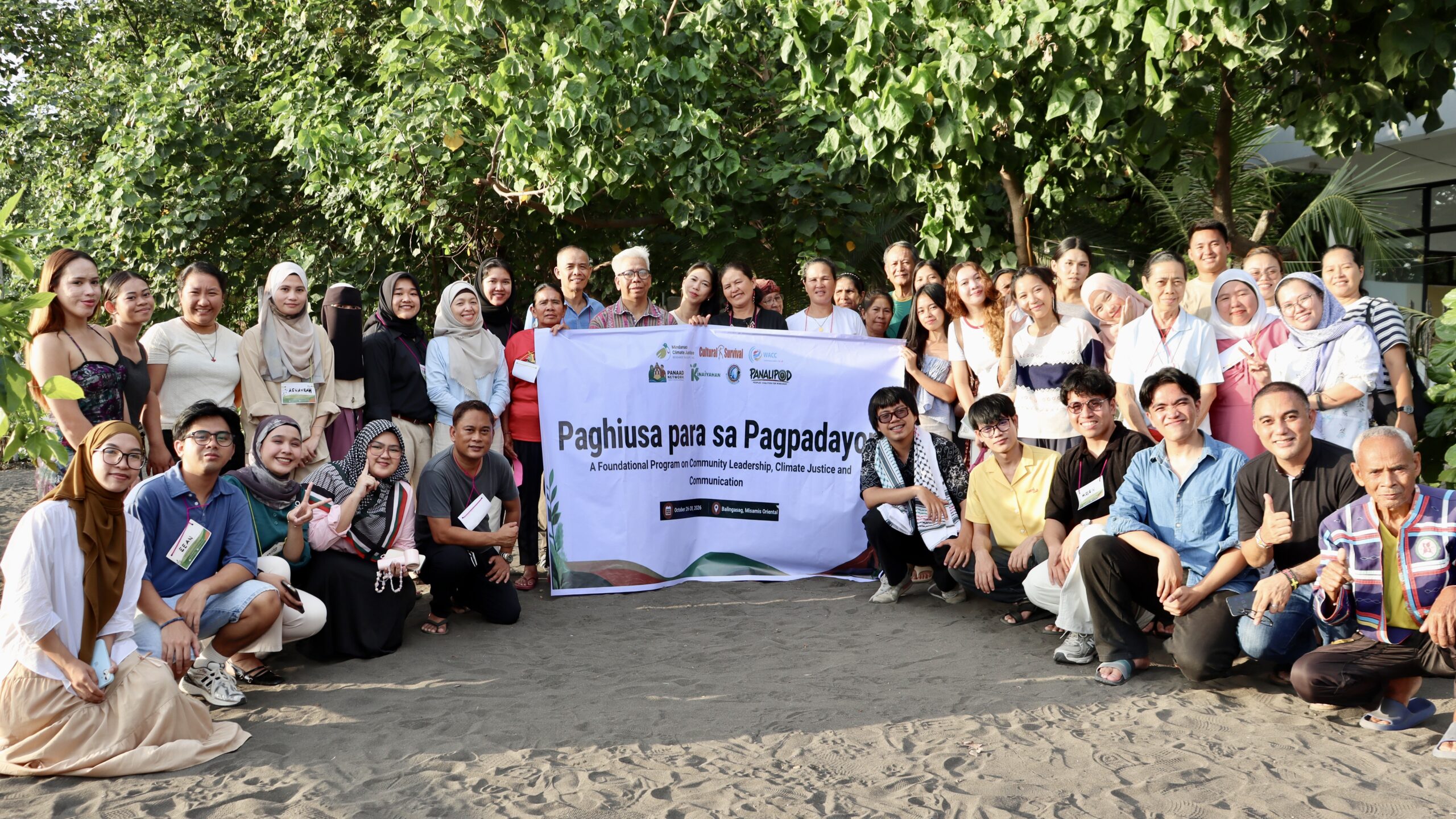
The gathering brought together community members and youth leaders from Bukidnon, Davao, Lanao, Surigao del Sur, Cagayan de Oro, and Misamis. Participants included Lumad, Moro, and Christian community members, as well as farmers, women leaders, religious workers, academics, and advocates.
The program took place during National Indigenous Peoples Month in the Philippines and Global Media and Information Literacy Week, observed internationally from October 24 to 31. These observances provided a timely context for discussions on Indigenous peoples’ rights, community histories, responsible communication, and the importance of communities representing their own experiences.
Across three days, participants examined the histories behind present community conditions, practiced responsible communication and documentation, reflected on collective care, and identified priorities for continued community and organizational work.
But Paghiusa was also an opportunity for participants to exercise leadership themselves. Beyond joining discussions, they took responsibility for facilitating sessions, leading activities, documenting proceedings, supporting technical requirements, and helping coordinate the gathering.
Learning to Tell Community Stories Responsibly
The first day focused on investigating community concerns and communicating them responsibly.
Journalist Cong Corrales guided participants through asking researchable questions, consulting different sources, verifying information, and distinguishing facts from interpretation and opinion.
Discussions explored the responsibilities of journalists and community communicators, particularly when documenting injustice, displacement, threats, and other sensitive issues.
Participants raised questions about objectivity, bias, consent, source protection, and the importance of representing people and their experiences accurately.
Corrales emphasized that effective communication begins with being understood.
“Importante sa communication ay masabtan ka.”
— Cong Corrales, journalist and resource person
Participants then applied these lessons through a workshop in which groups developed communication materials addressing community concerns.
One group prepared a social-media carousel on the continuing struggle of displaced Marawi residents for compensation. Another developed Tawag sa Tribu, prompting discussion about the importance of accurately naming and representing Indigenous communities.
Participants from Surigao and Davao drafted a press release questioning claims about mining’s role in addressing the climate crisis.
The presentations became opportunities to examine how community stories could be made clearer, better supported by evidence, and more responsible toward the people they represented.
The materials remained working drafts requiring further verification and editing. Nevertheless, the exercise allowed participants to practice turning community concerns into messages intended for wider audiences.
Understanding the Histories Behind Community Struggles
The second day turned to the historical experiences of Mindanao’s peoples and communities.
Asmana Umpat of PANALIPOD discussed Bangsamoro history, dispossession, resistance, autonomy, and questions of justice and accountability. Participants reflected on the relationship between historical injustices, self-governance, and the continuing challenges facing Moro communities.
Fr. Raymond Ambray of the Diocese of Tandag and PANALIPOD examined Indigenous histories, ancestral territory, and self-determination, including the effects of colonial land policies, settlement, and development on communities already living in Mindanao.
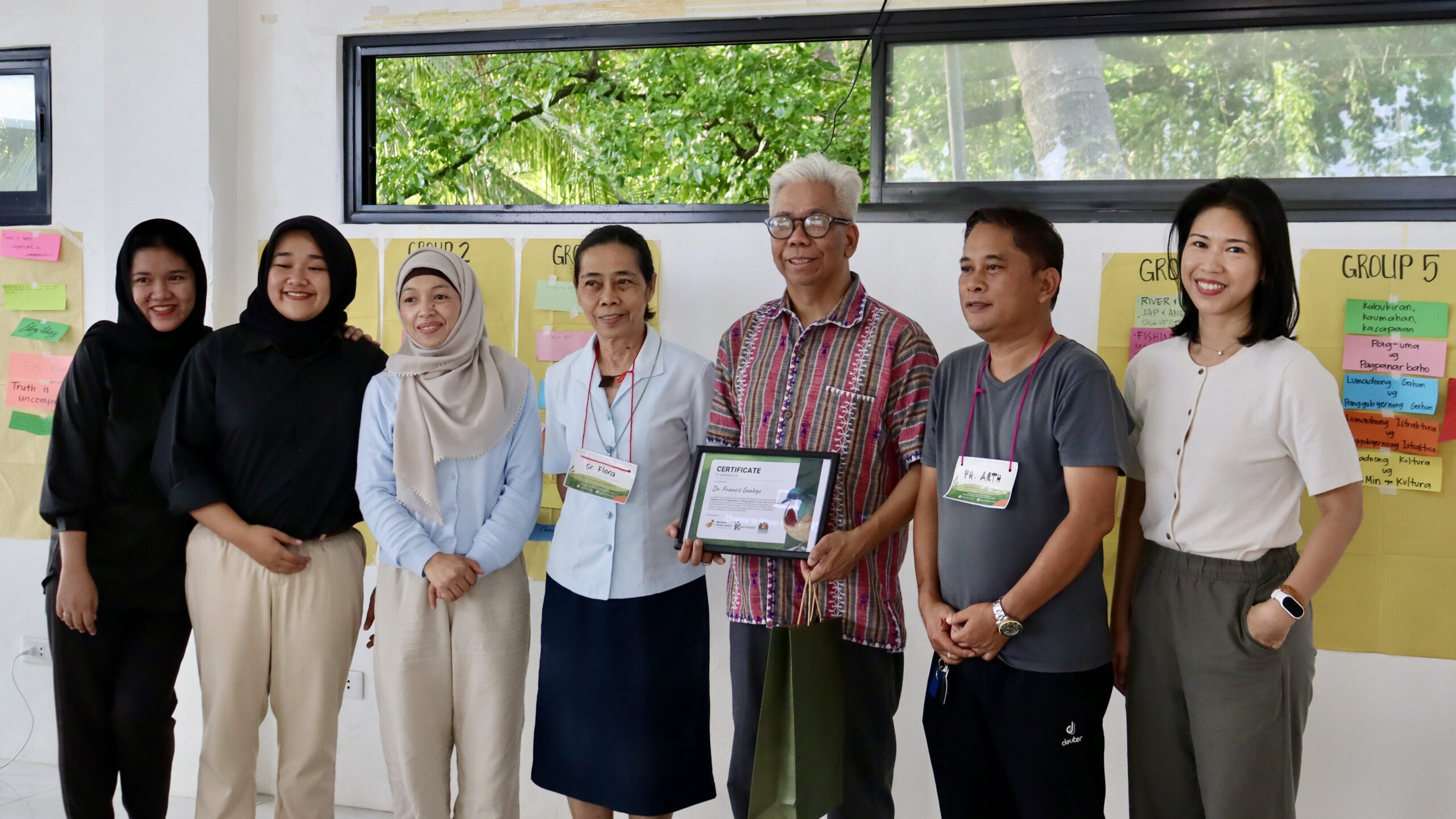
Historian Dr. Francis A. Gealogo encouraged participants to examine history through the experiences of ordinary people and their communities, rather than focusing only on national political figures and major events.
He introduced five areas for studying community history: kaganapan at kapaligiran, kabuhayan, kapangyarihan, kalipunan, and kalinangan—events and environment, livelihood, power, social organization, and culture.
Using these areas as guides, participants developed and presented accounts of their respective localities.
The Manobo Pulangiyon group described the relationship between the Pulangi River, customary practices, livelihood, and community identity. They also discussed displacement and efforts to regain access to land in the Butong–Kiantig area of Quezon, Bukidnon.
Talaandig participants shared how difficulties accessing productive farmland affected food, income, and children’s education. Their account also highlighted customary leadership and cultural traditions.
Participants from Surigao discussed farming, hunting, and customary practices. Those from Davao examined livelihoods, social groups, and local political conditions.
The Marawi group explored Lake Lanao, traditional political institutions, kinship, genealogy, and the Darangen, the Meranaw epic tradition that carries stories and ancestral knowledge.
“Gusto ko sana … matagpi-tagpi yung mga storya natin and create a better documentation na pwede natin gamitin.”
— Fatima, Paghiusa participant
Through these exchanges, participants encountered both the differences and connections among their communities’ experiences.
The discussions also brought forward questions central to climate justice: who controls land and resources, how decisions affect livelihoods, and whose voices are heard when communities face displacement, environmental harm, and development pressures.
Held during National Indigenous Peoples Month, these exchanges underscored the importance of recognizing Indigenous peoples not only as communities whose rights and cultures must be respected, but also as holders of knowledge and active participants in shaping their own futures.
Participants Take Ownership of the Gathering
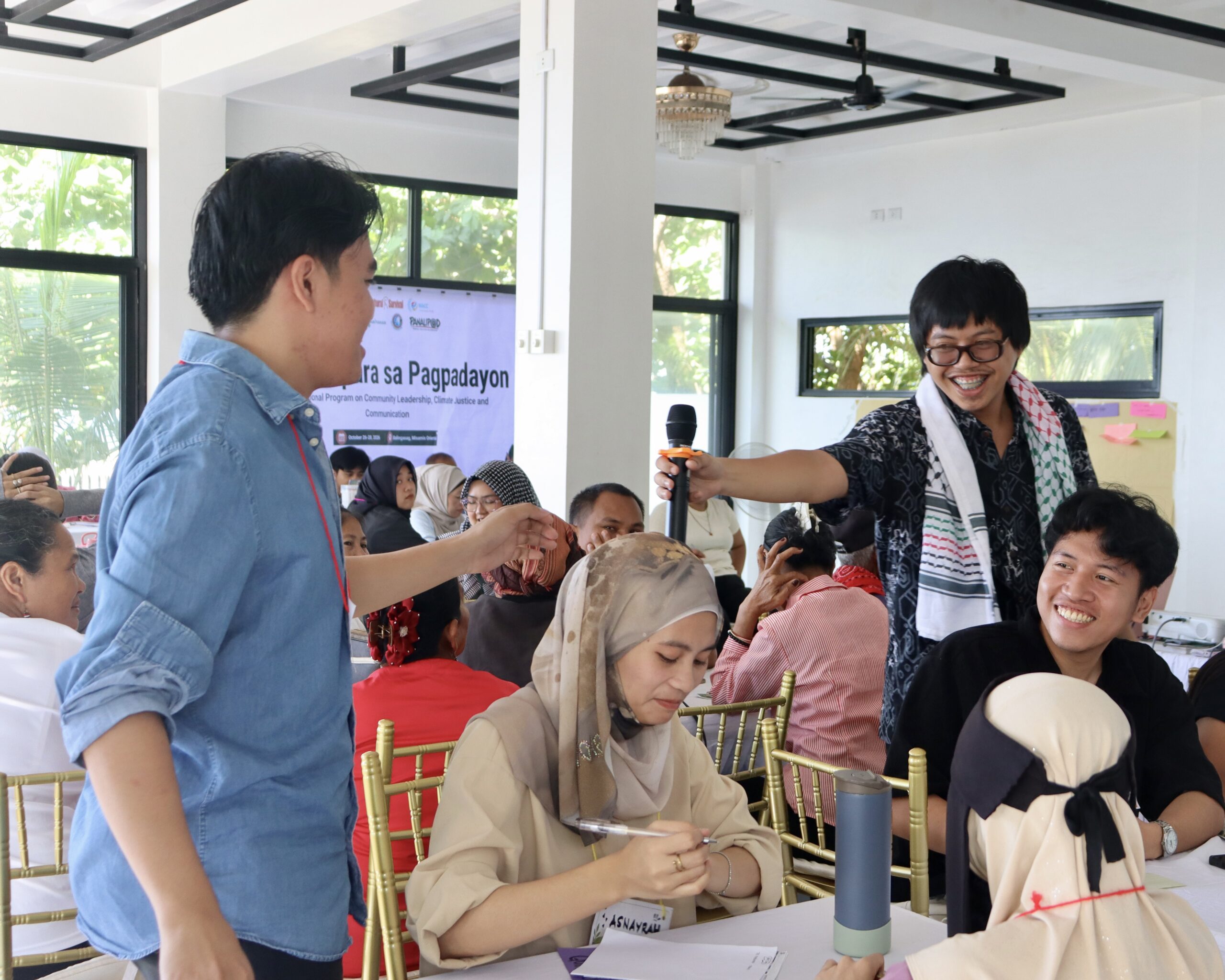
An important feature of Paghiusa was the active role participants played in organizing and facilitating the program itself.
Community and youth leaders took turns guiding sessions, introducing resource persons, leading energizers, managing time, documenting discussions, and assisting with technical and coordination tasks.
These responsibilities gave participants opportunities to contribute beyond the usual role of attending lectures and workshops.
The approach also encouraged cooperation across groups, with participants helping sustain the daily flow of activities.
For some, this became a meaningful part of the experience. Participants expressed appreciation for being entrusted with responsibilities and for contributing directly to the gathering.
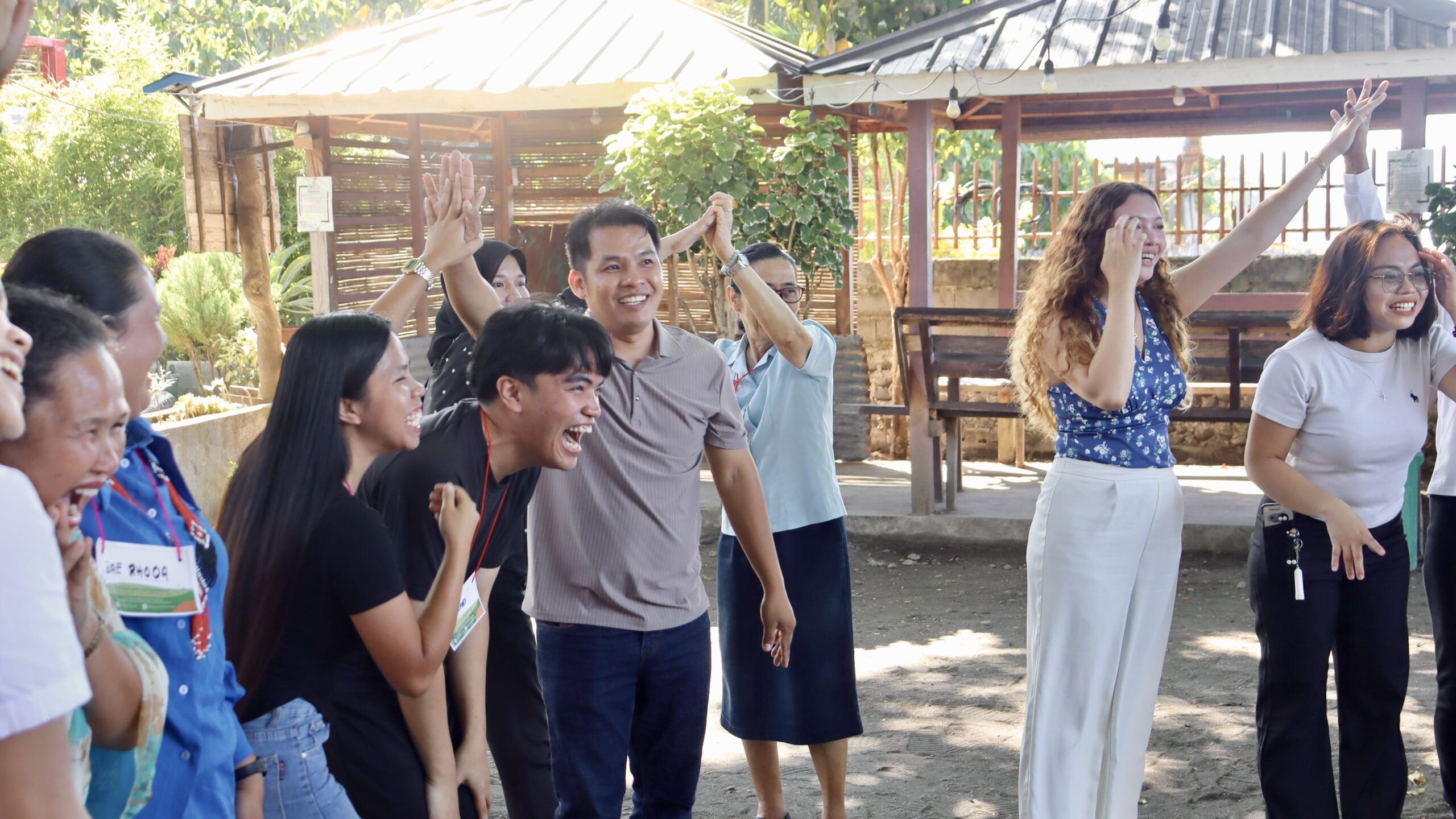
The gathering also coincided with Global Media and Information Literacy Week 2026, whose theme, “We All Play a Part – Media and Information Literacy for the People,” emphasized shared responsibility in creating, evaluating, and navigating information.
At Paghiusa, that principle extended beyond the communication workshops. Participants helped facilitate discussions, document proceedings, and coordinate activities, demonstrating how meaningful participation can be practiced within the learning process itself.
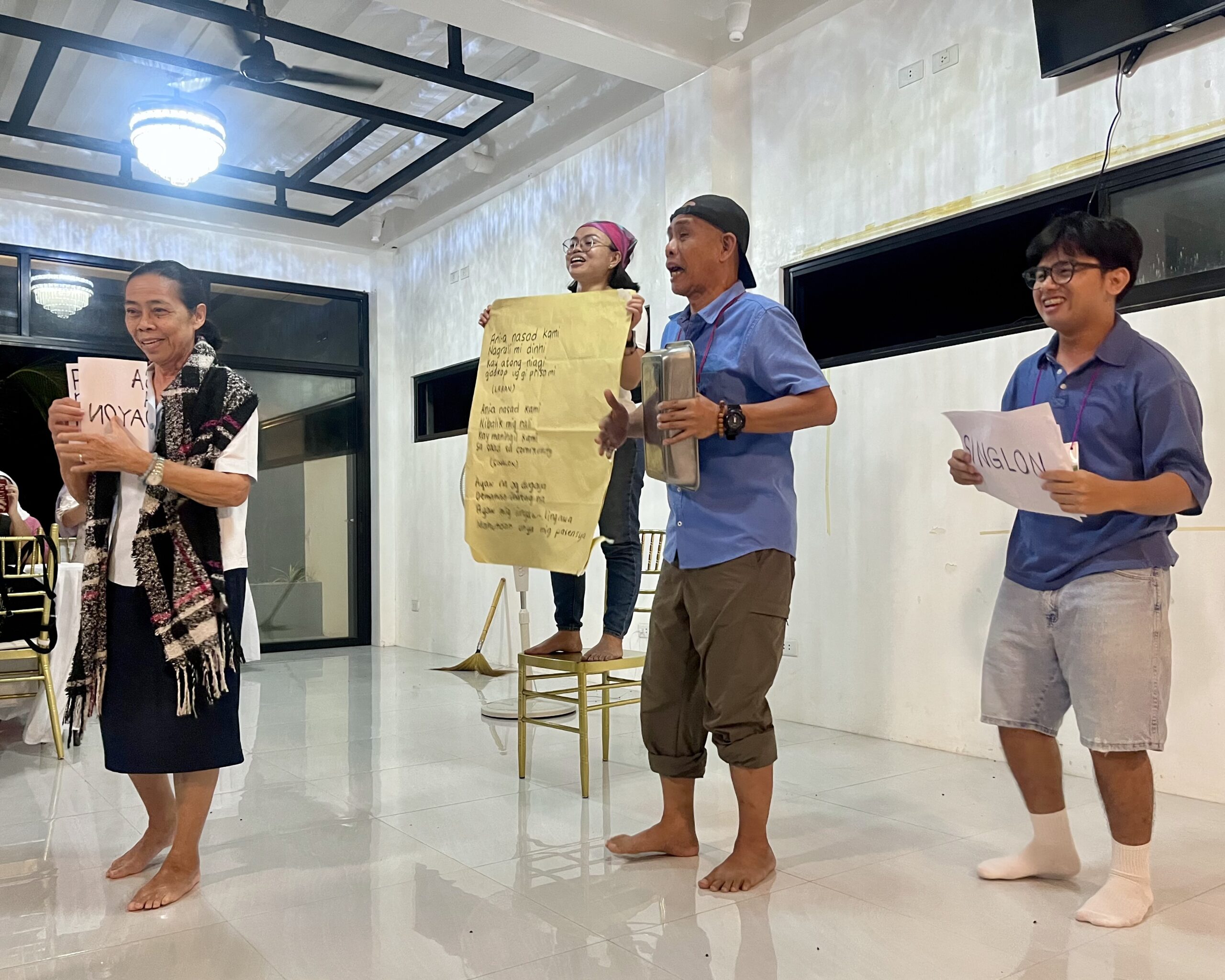
A solidarity night provided another opportunity for participants to share and learn from one another.
Through traditional dances, songs, and cultural presentations, groups introduced aspects of their communities’ identities and traditions.
The evening complemented the historical discussions by creating space for cultural expression, appreciation, and relationship-building.
Sustaining Community Work Through Collective Care
On the third day, Dr. Reggie Pamugas, a member of the MCJ Board of Trustees, facilitated discussions on psychosocial well-being and collective care.
Participants reflected on the pressures they experience in their personal lives and community responsibilities, including concerns related to land, livelihood, finances, education, and family needs.
Through participatory exercises, they identified sources of stress, recognized their sources of strength, and discussed practices that help them cope with demanding responsibilities.
“Ang pag-aalaga ba sa sarili ay makasarili?” Dr. Pamugas asked.
The question opened a discussion about the relationship between caring for oneself and sustaining one’s responsibilities to others.
Participants identified family, friends, rest, creative activities, and time outdoors as sources of support. They also discussed the importance of boundaries, practical assistance, and knowing when specialized support or referral may be necessary.
The discussion also echoed concerns highlighted during October’s mental health observances, including World Mental Health Day on October 10 and the Philippines’ National Mental Health Week.
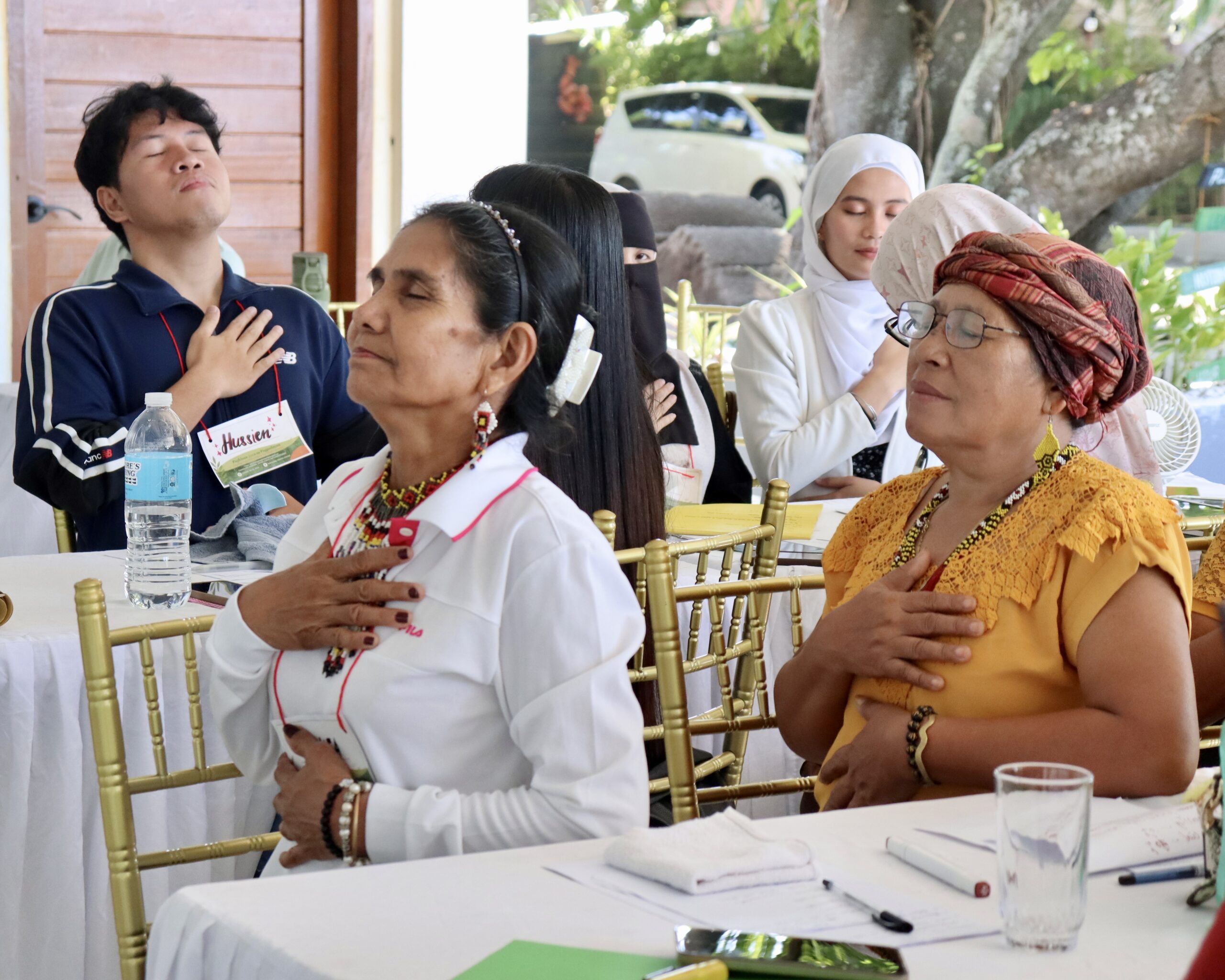
For participants engaged in community organizing and advocacy, psychosocial well-being was discussed not simply as an individual concern, but as part of sustaining relationships, responsibilities, and collective work.
The session emphasized that sustaining community work requires attention not only to the needs of communities but also to the well-being of the people undertaking that work.
From Shared Learning to Community Priorities
The final workshops invited participants to look beyond the gathering and consider the communities they hoped to help build.
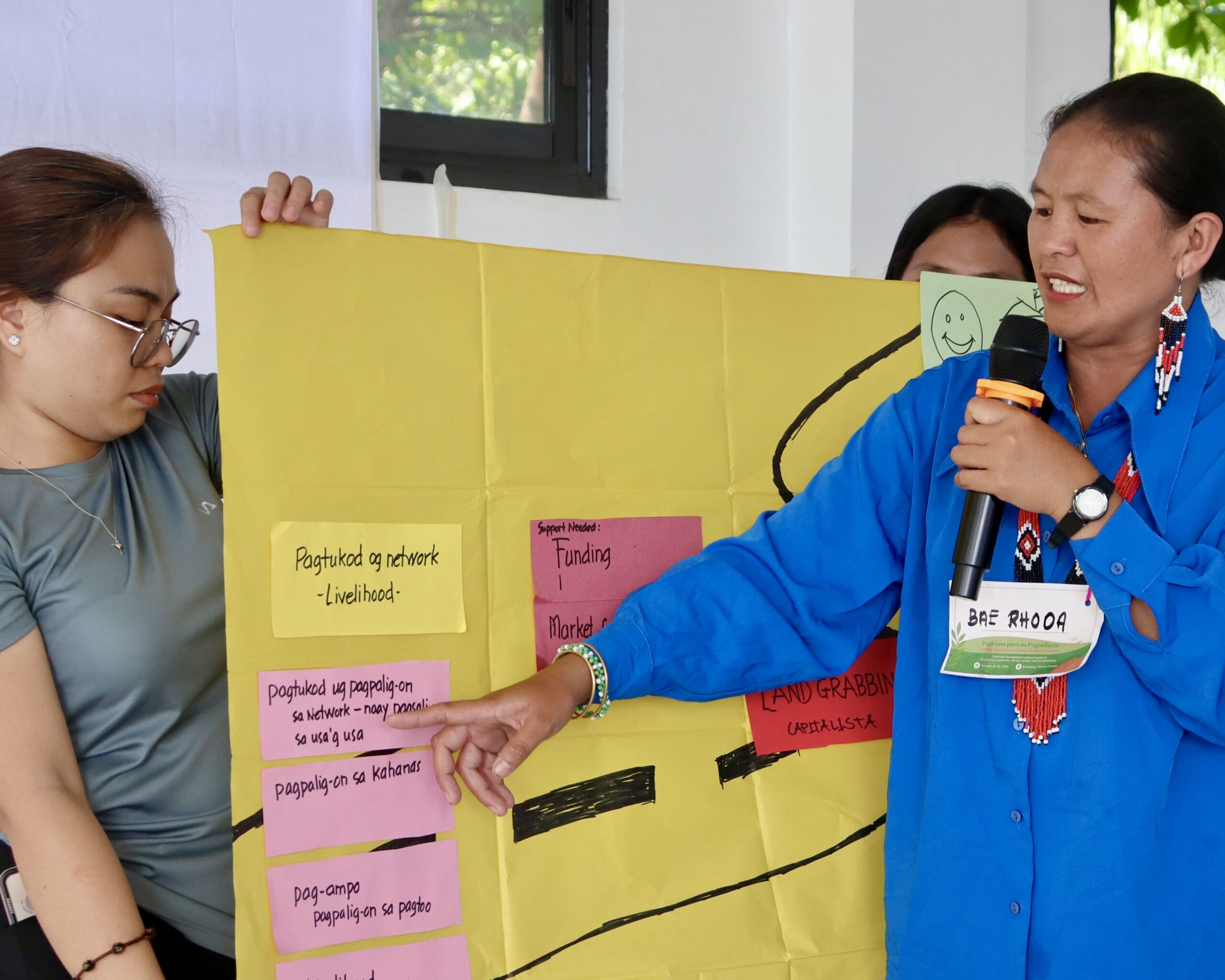
Working in groups, they discussed their visions for the next five years, the problems standing in the way, and the support needed to pursue collective action.
Participants also reflected on possible directions for their organizations.
Kinaiyahan Youth Organization emphasized permanent housing for displaced Marawi residents, livelihood opportunities, peace, and accountable leadership.
PANAAD participants identified peace, recognition, respect, and justice as priorities, while raising concerns about militarization, mining, and land grabbing.
PANALIPOD participants envisioned communities with sufficient food, access to education, and space for cultural life. They also highlighted concerns about land access, health services, and facilities to support local livelihoods.
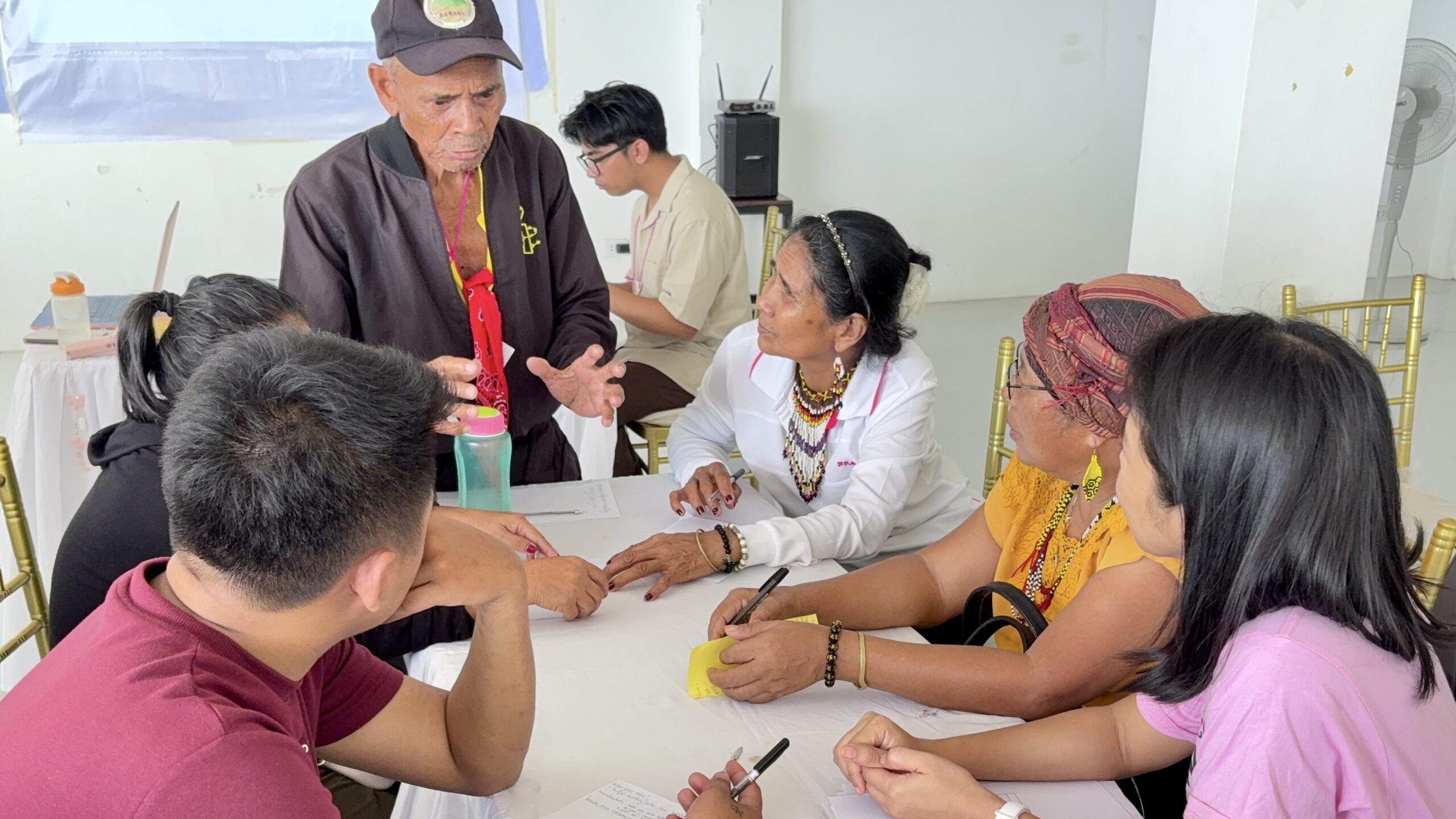
These discussions did not produce complete organizational plans. Instead, they provided starting points for further conversations, coordination, and action after participants returned home.
Carrying the Work Forward
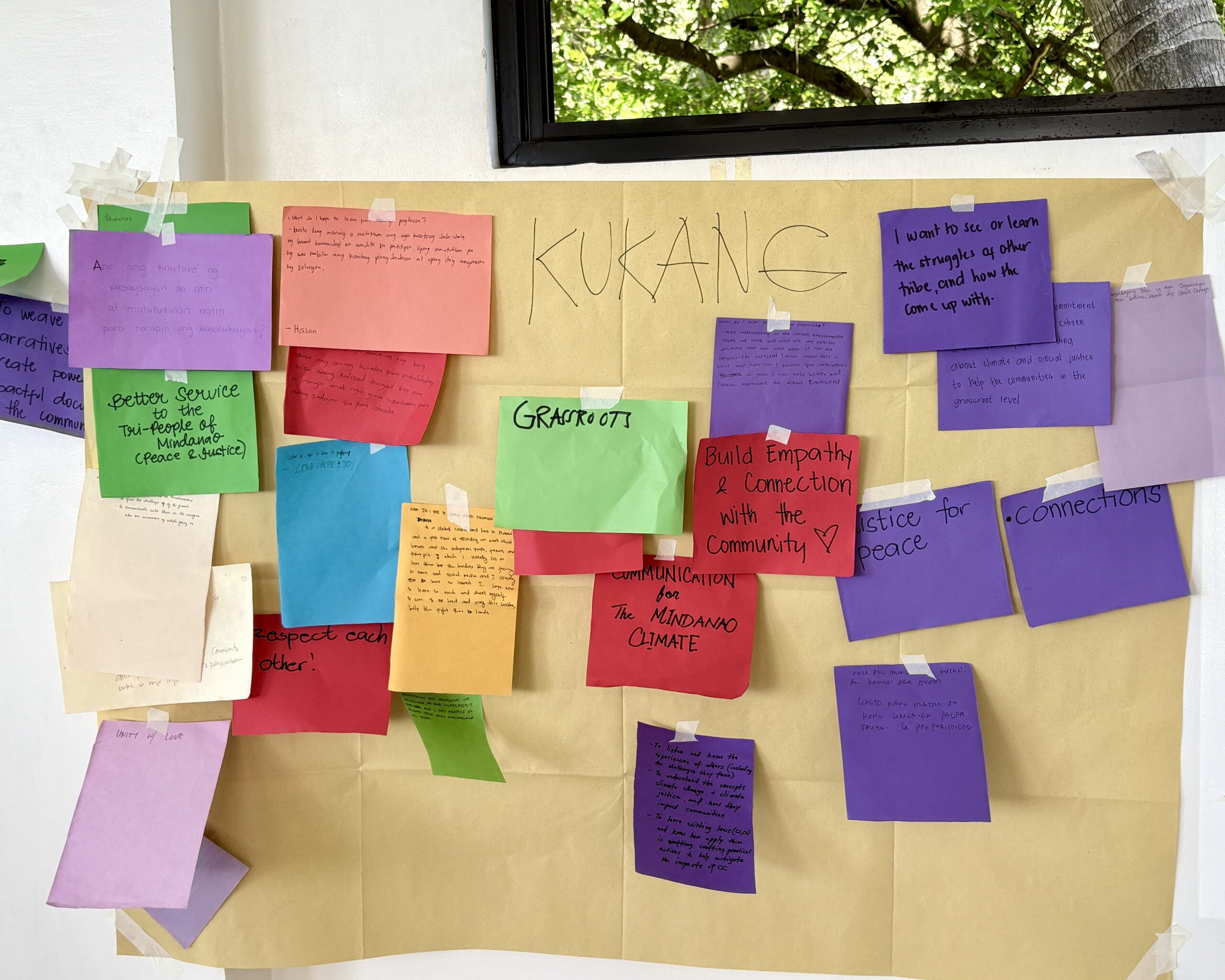
At the beginning of Paghiusa, participants had written down what they hoped to learn.
Some wanted to understand the struggles of communities different from their own. Others hoped to strengthen their ability to document injustice, communicate climate justice, defend ancestral territories, and work across different beliefs and experiences.
One participant, Fatima, expressed a hope that the stories shared during the gathering could be pieced together into documentation communities could use.
Over three days, participants began that work through communication drafts, community-history presentations, reflections, and discussions of organizational priorities.
Just as importantly, they practiced working together.
By taking responsibility for different parts of the program, participants demonstrated that community leadership is not only a subject to be discussed. It can also be exercised through everyday acts of cooperation, initiative, and shared responsibility.
Paghiusa was not only about helping communities tell their stories. It was also about recognizing their capacity to lead, participate, and carry the work forward.
The gathering concluded with reflections on what participants had learned and the commitments they hoped to carry into their communities.
Paghiusa para sa Pagpadayon—coming together to carry the work forward—offered a starting point for continued learning, stronger relationships, and collective action.
The next steps will depend on how participants and their organizations build on the connections, priorities, and commitments formed during the gathering.
Paghiusa para sa Pagpadayon was organized by the Mindanao Climate Justice Resource Facility, Inc. (MCJ), Kinaiyahan Youth Organization, PANALIPOD People’s Coalition for Mindanao, and PANAAD Network, with the Department of Communication and Media Studies of Mindanao State University as academic and communication partner. Cultural Survival and the World Association for Christian Communication (WACC) supported MCJ’s citizen journalism project, a major component of the gathering.