Quezon City — February 27, 2026 — Following the conviction of thirteen educators in the Talaingod 13 case, the University of the Philippines Law Center – Institute of Human Rights (UP IHR) convened a forum reexamining the ruling against the findings of the 2018 Haran Report issued by the Commission on Human Rights.
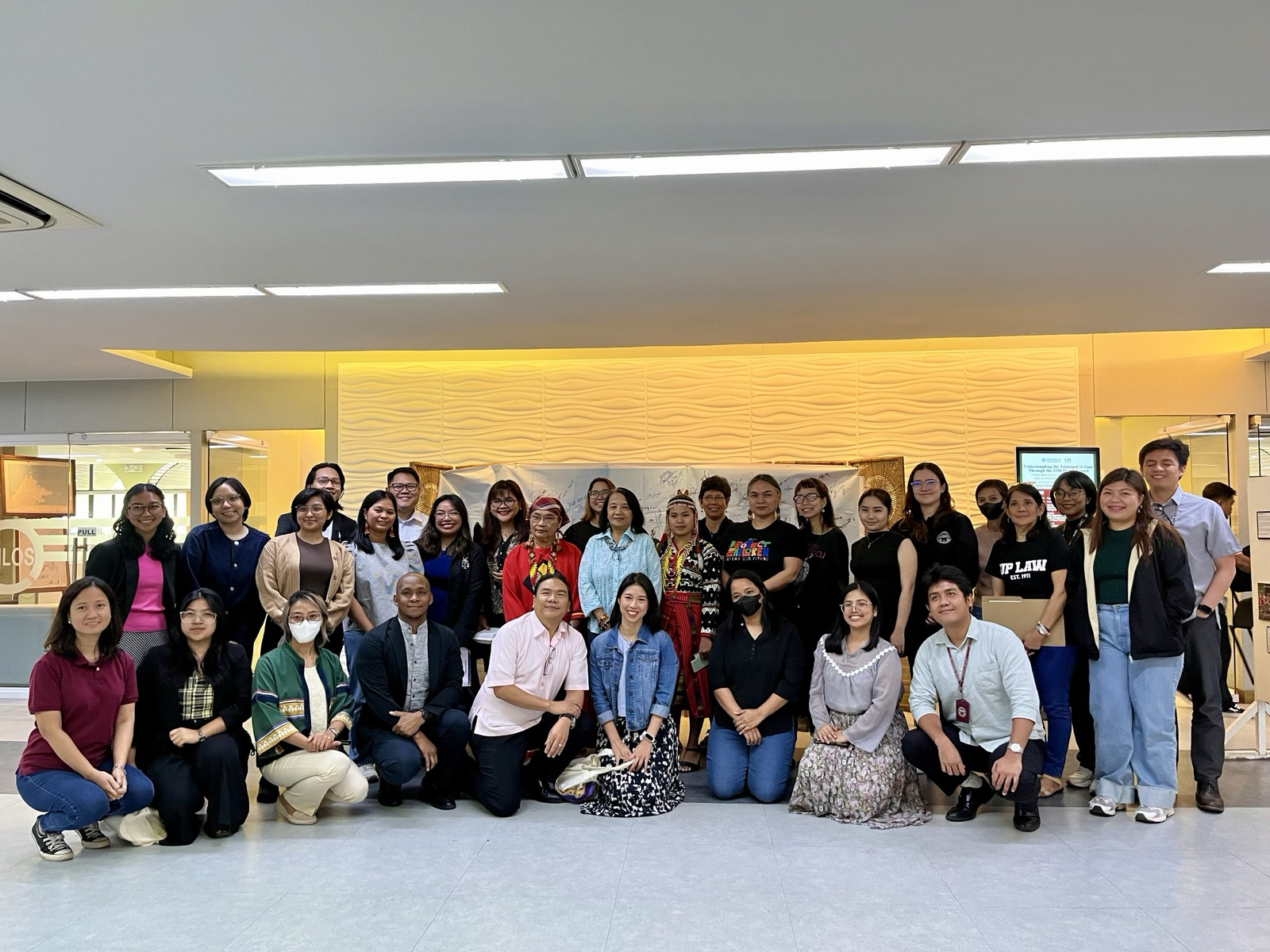
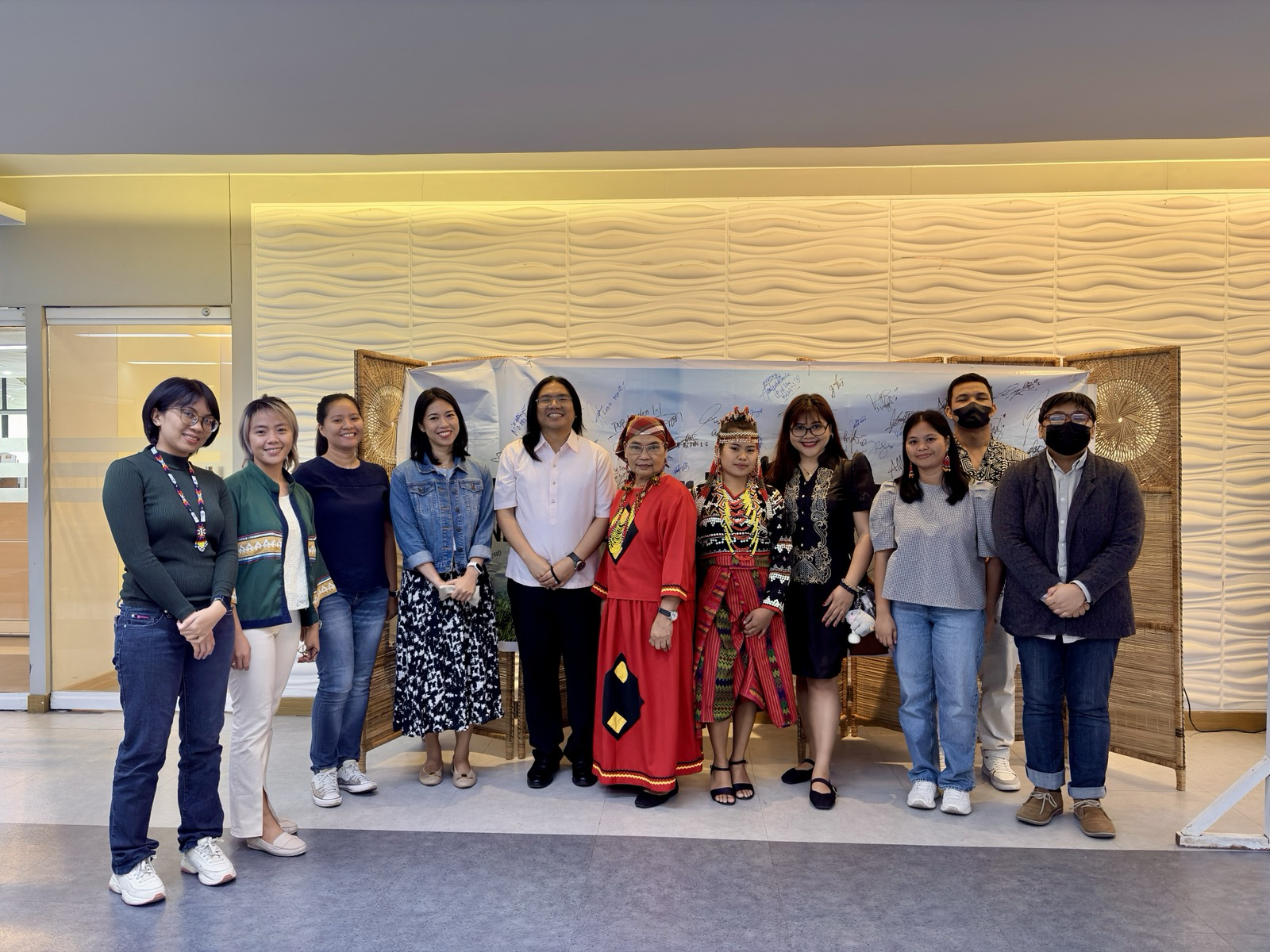
Held at Atencio-Libunao Hall in UP Diliman, the forum brought together legal scholars, human rights officials, researchers, and Indigenous representatives to assess how child protection law intersects with documented militarization, displacement, and disruption of Lumad education in ancestral domains.
UP IHR, a human rights research institution under the UP Law Center, organized the forum as part of its mandate to promote evidence-based legal analysis and public engagement on matters affecting marginalized communities.
The Haran Report as Official Human Rights Record
The 2018 Haran Report resulted from a CHR fact-finding inquiry into the situation of Lumad families who sought sanctuary at the UCCP Haran Compound amid escalating armed conflict in ancestral territories.
The Commission concluded that:
- Militarization and military encampment in schools did occur in Talaingod and Kapalong
• Human rights violations were committed by elements of both military and paramilitary groups
• Indigenous communities were caught in a “fracturing conflict” among armed actors
• Land-use pressures and mineral extraction in ancestral domains were intertwined with conflict dynamics
These conclusions form part of the State’s official human rights record.
Speakers emphasized that legal proceedings arising from the November 2018 evacuation must be understood within this established context.
Academic and Constitutional Perspectives
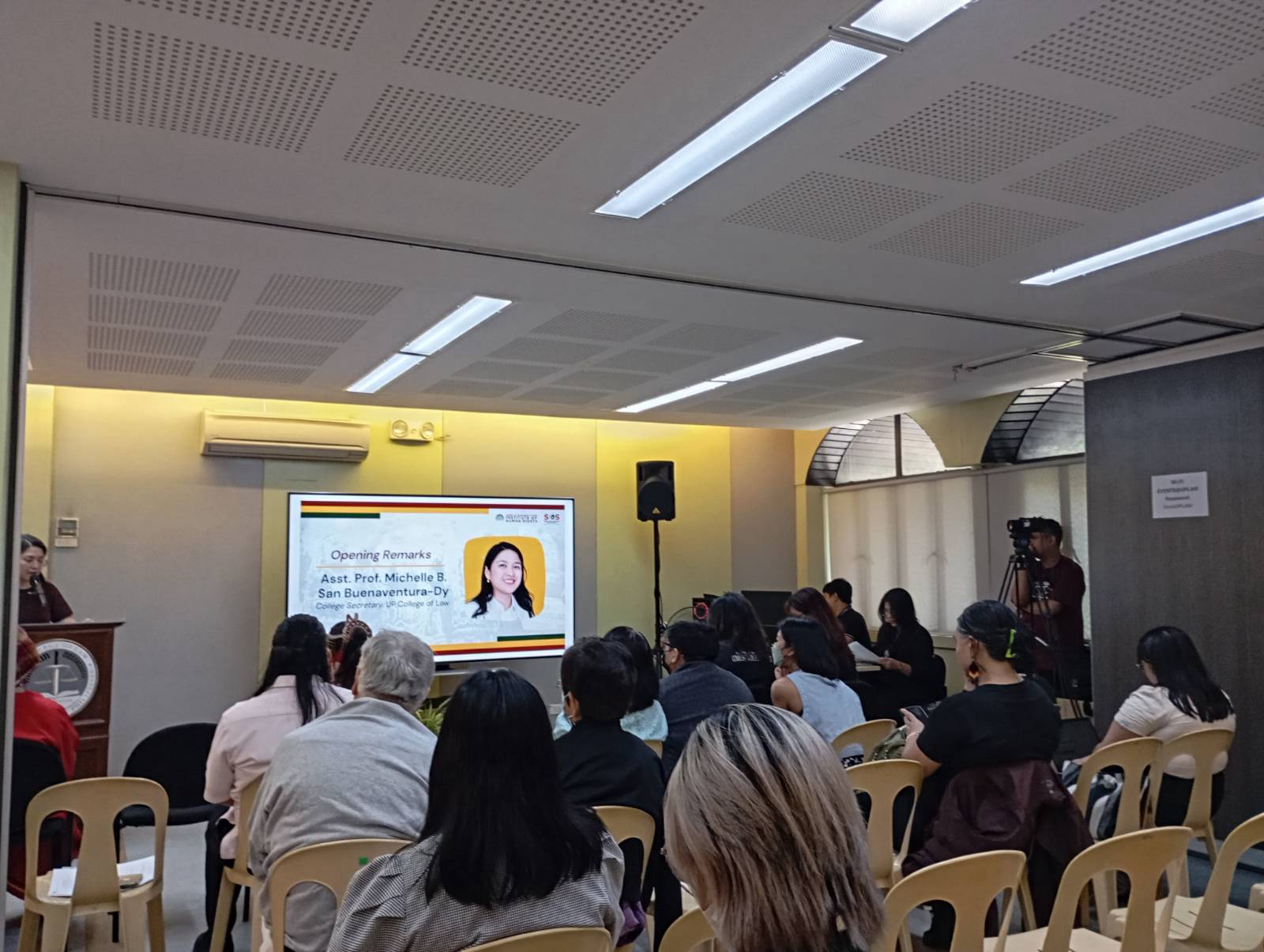
In her opening remarks, UP College of Law Secretary Asst. Prof. Michelle B. San Buenaventura-Dy highlighted the role of academic institutions in fostering principled discussion grounded in constitutional mandates and human rights standards.
Atty. Raymond Marvic C. Baguilat, Head of the Indigenous Peoples Law and Policy Program of UP IHR, examined the legal implications of the Haran inquiry for the Talaingod 13 case. He stressed that when a constitutional body has formally documented militarization affecting schools and displacement of children, those findings become relevant background in evaluating criminal liability tied to evacuation during conflict.
Representing the CHR, Atty. Reinna S. Bermudez, Chief of the Center for Social Justice and Humanitarian Protection, reaffirmed the Commission’s constitutional mandate to investigate violations and monitor State compliance. She underscored that the Haran Report called for credible investigations and accountability mechanisms regarding abuses in Indigenous communities.
The forum highlighted the importance of examining structural conditions and institutional accountability alongside individual prosecution.
Testimony Within Established Context
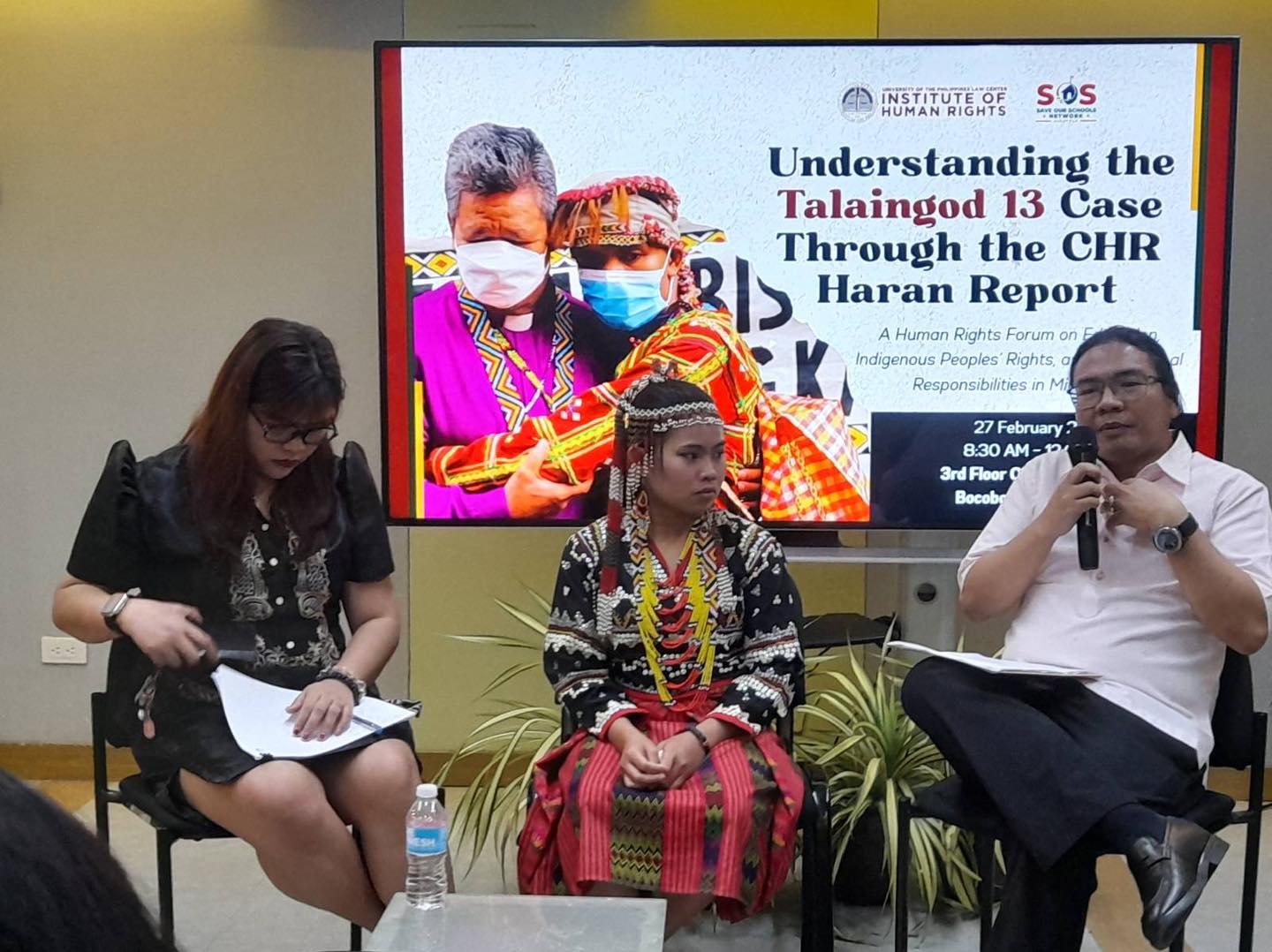
The discussion featured testimony from Lumad youth leader Angelika Laguisan Moral, one of the students evacuated from Talaingod in November 2018 and now a witness in the case.
She described armed paramilitary presence in their school, threats directed at teachers and students, and the nighttime evacuation that followed. She stated that she did not experience kidnapping or abuse from her teachers.
Her account aligned with the CHR’s earlier findings regarding militarization and the disruption of Indigenous educational spaces, grounding the legal discussion in lived realities documented in the national inquiry.
Education, School Closures, and Ancestral Domains
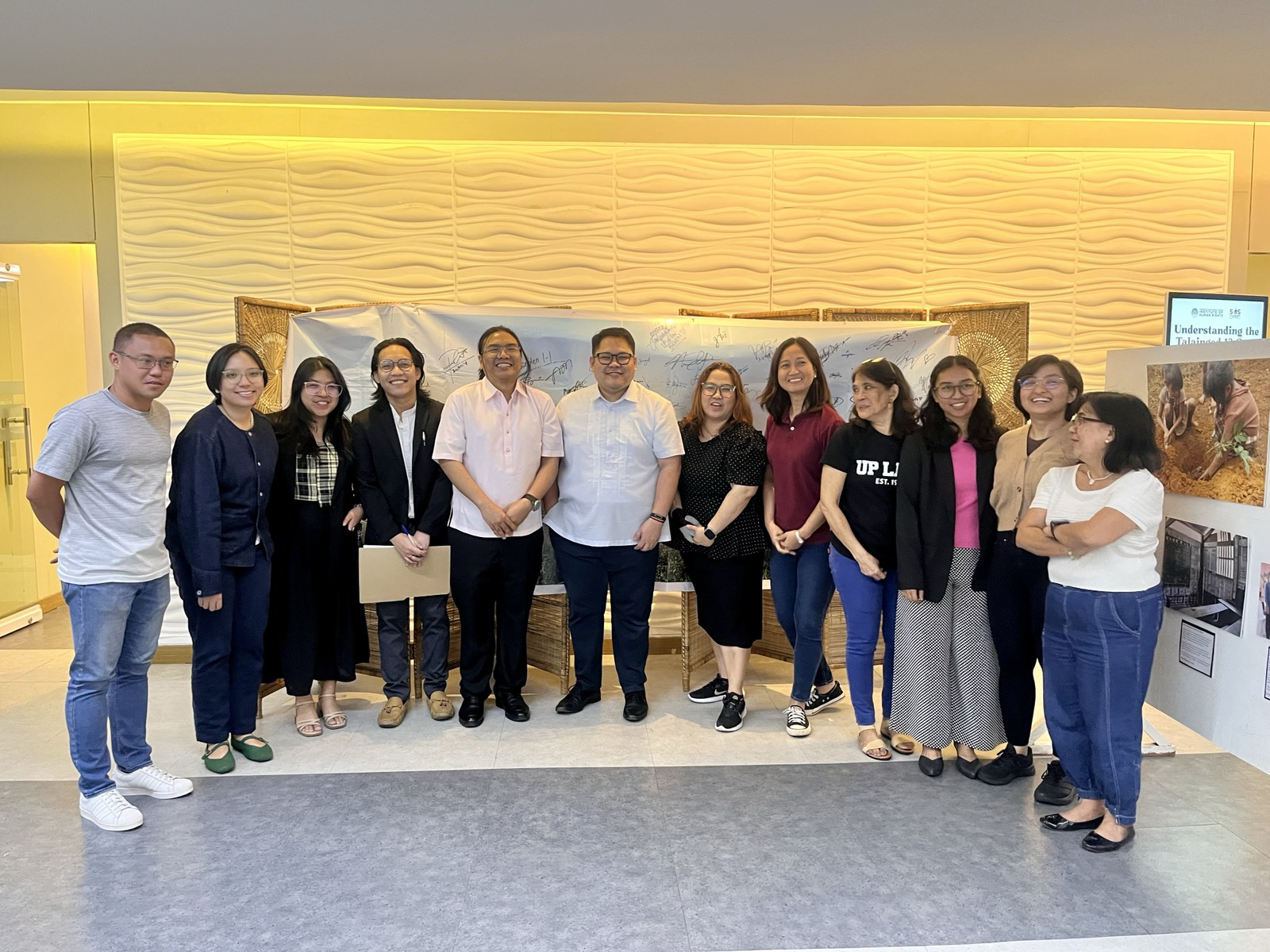
Forum participants revisited the report’s documentation of school encampments, displacement, and the impact of armed presence on Indigenous children’s access to education.
They noted that Lumad community schools emerged in remote ancestral territories where access to public education was limited. Since 2015, more than 200 Lumad community schools have reportedly been closed across Mindanao, affecting over 10,000 Indigenous learners.
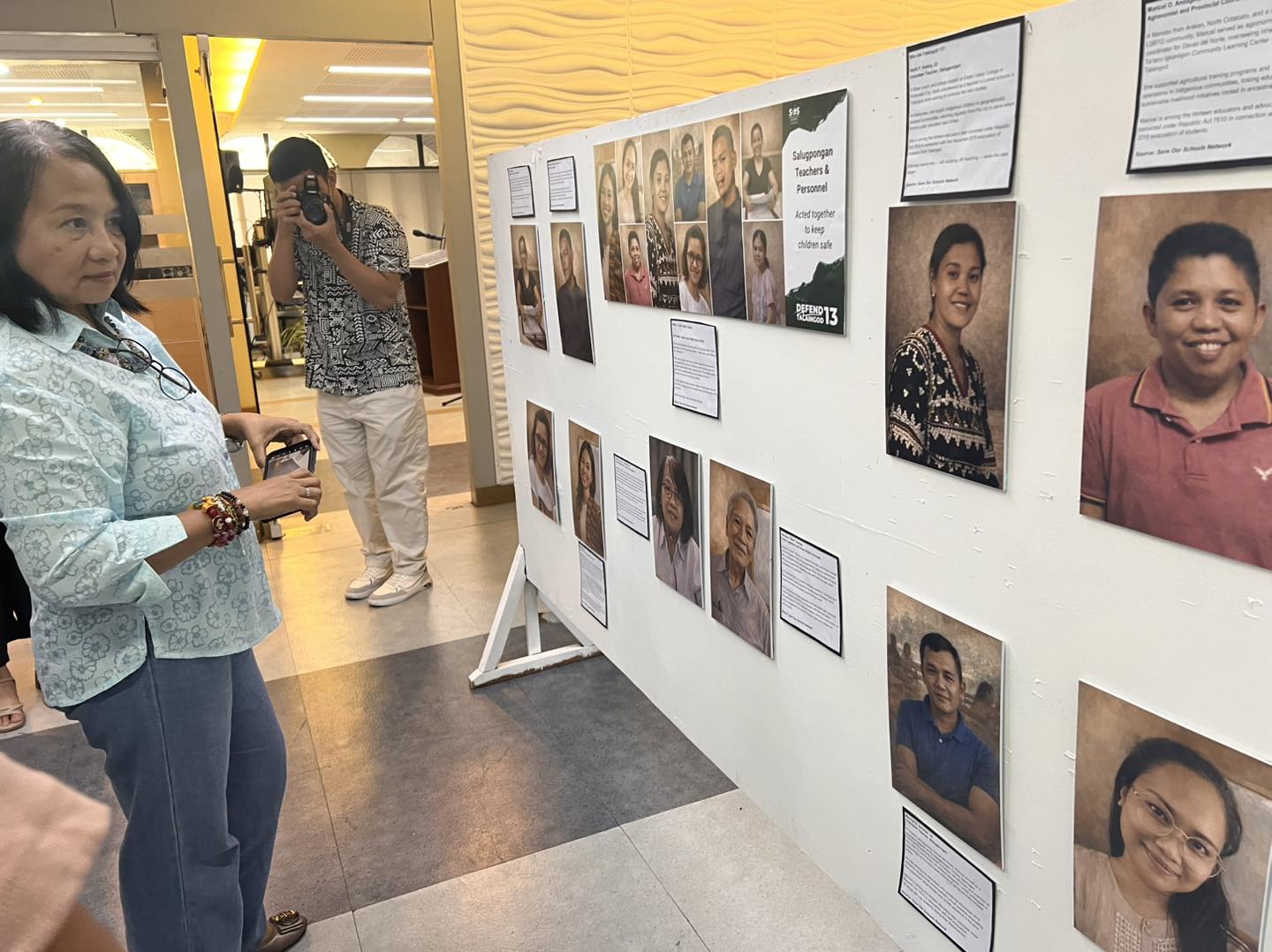
Complementing the discussion, a mounted exhibit at the venue entrance titled “Justice for the Talaingod 13: When Care Is Placed on Trial” traced the progression from documented militarization to subsequent criminal prosecution. One panel posed the question: “When those presented as victims deny harm, what does justice require?”
Participants Call for Reversal and Reopening of Lumad Schools
During the open forum, several participants called for the reversal of what they described as an unjust decision against the Talaingod 13.
They argued that child protection statutes must be applied consistently with established human rights findings, particularly where militarization and displacement have been formally recognized by a constitutional body.
Participants also called for the reopening of Lumad community schools across Mindanao, stressing that prolonged closures undermine Indigenous children’s right to education and weaken community-led educational initiatives in ancestral domains.
Several attendees noted that restoring safe learning environments requires not only legal review but also accountability for documented encampment and militarization in schools.
Continuing Institutional Engagement
The forum did not substitute for judicial processes. Rather, it reaffirmed the role of independent constitutional bodies and academic institutions in ensuring that legal developments are examined against established human rights findings.
As public discussion on the Talaingod 13 case continues, the conclusions of the Haran Report remain central to understanding how child protection law, Indigenous self-determination, and institutional accountability intersect in conflict-affected communities.
The Haran Report stands as part of the national human rights record. Its findings continue to inform scrutiny of cases arising from ancestral domains in Mindanao.