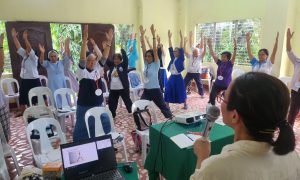
Bringing Collective Care to the Frontlines of Displacement in Marawi | Day 2
Community immersion, psychosocial support, and people’s testimonies highlight the continuing realities faced by displaced Meranao families nine years after the Marawi Siege
SAGUIARAN, LANAO DEL SUR — Nearly nine years after the Marawi Siege displaced around 500,000 people, many Meranao families continue to live inside cramped shelters originally intended only for temporary relocation. Along narrow pathways in Bakwit Village 2 in Barangay Pindolonan, damaged walls, unstable electricity, overcrowded homes, and deteriorating structures reflect the continuing realities of prolonged displacement and unfinished rehabilitation.
For many displaced families, the siege did not end in 2017.
It continues through years of uncertainty, economic hardship, unresolved housing concerns, emotional trauma, and the continuing struggle to safely return home with dignity.
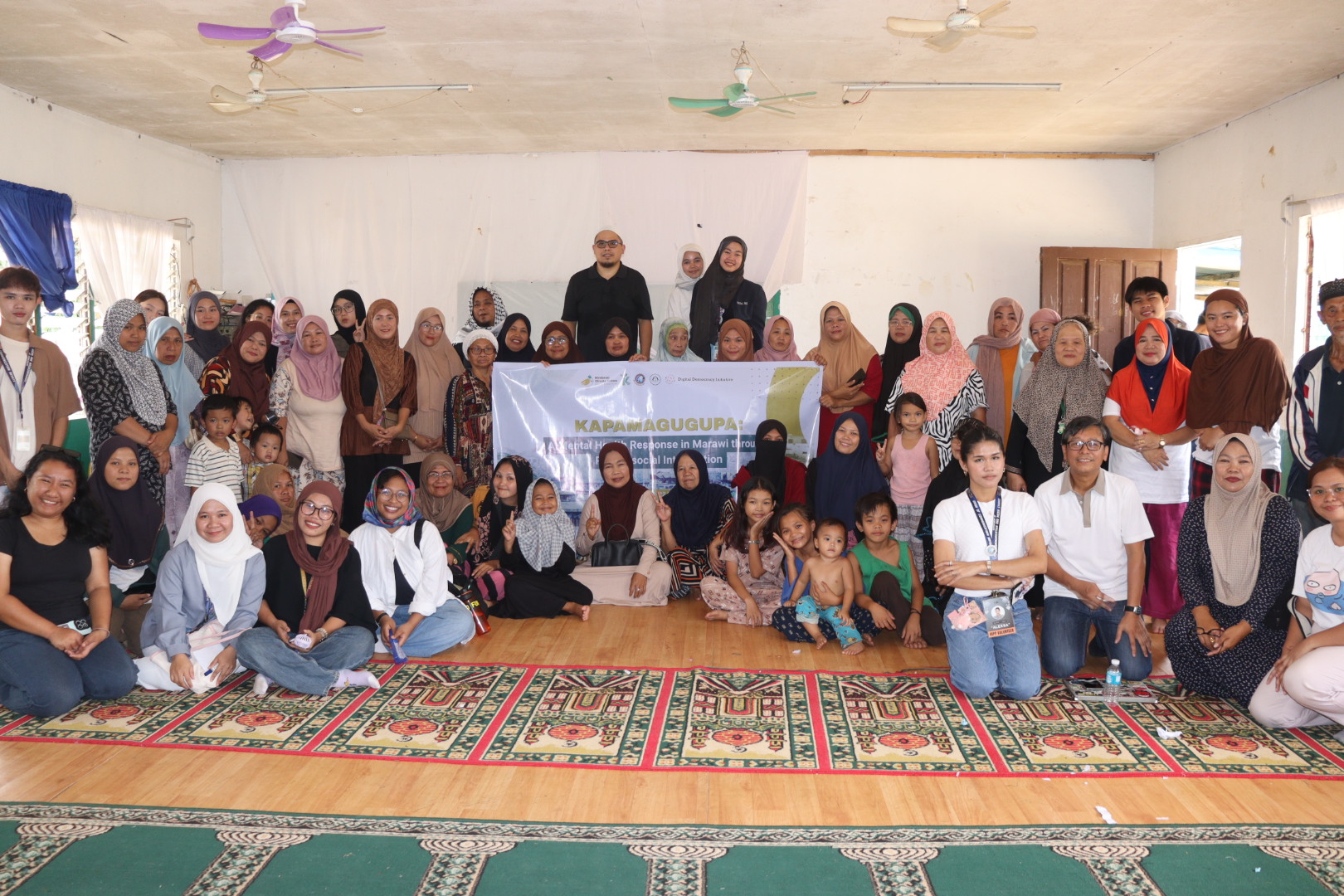
Following the youth assembly and Psychological First Aid (PFA) training conducted during the first day of KAPAMAGUGUPA in MSU-Marawi, organizers, youth volunteers, and participants proceeded to Bakwit Village 2 in Saguiaran for a community immersion and frontline psychosocial support activity directly with internally displaced families affected by the Marawi Siege.
The second day of the activity brought discussions on mental health, collective care, and displacement directly into the communities themselves—grounding conversations not in theory, but in the lived realities of displaced residents.
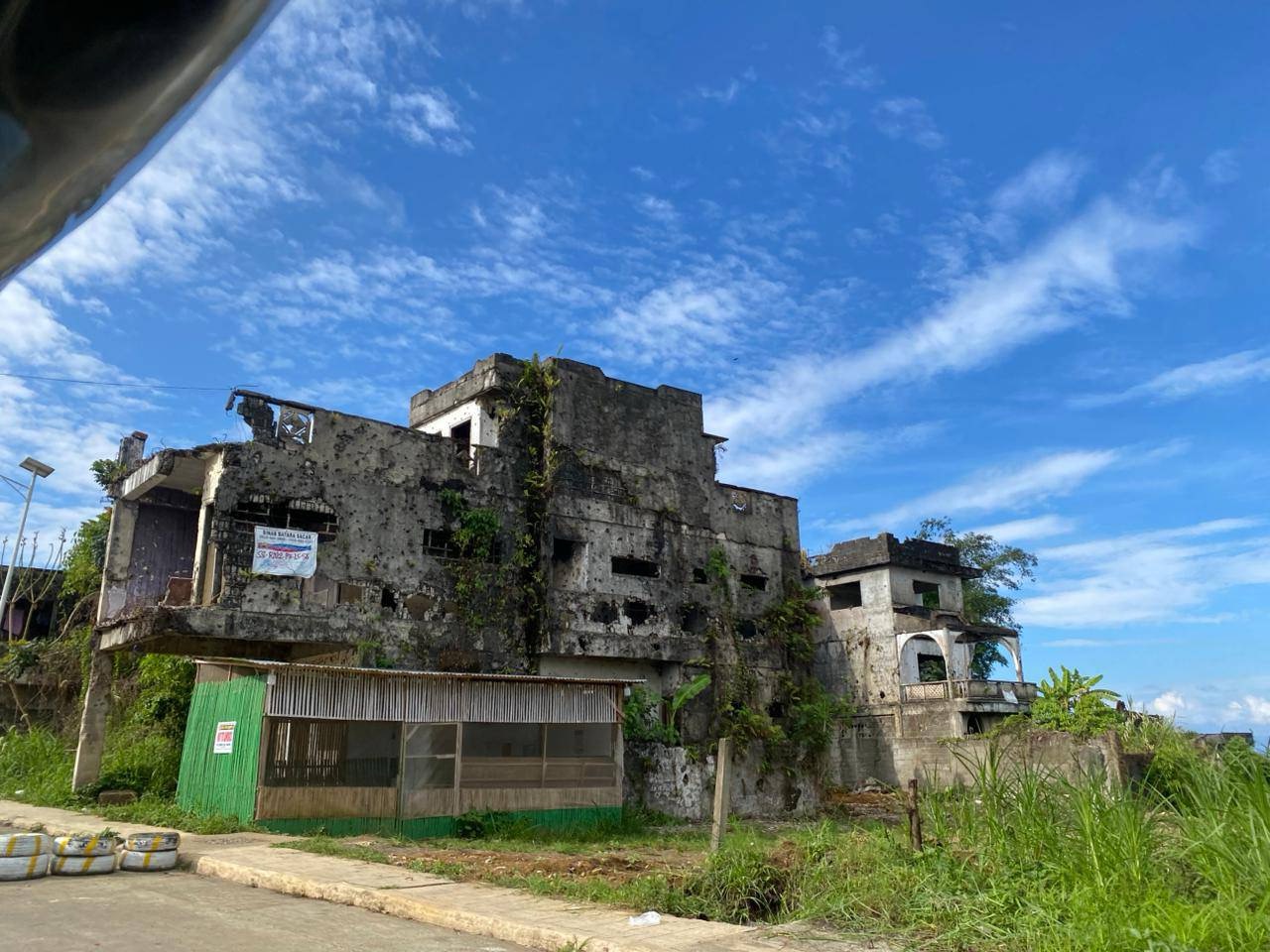
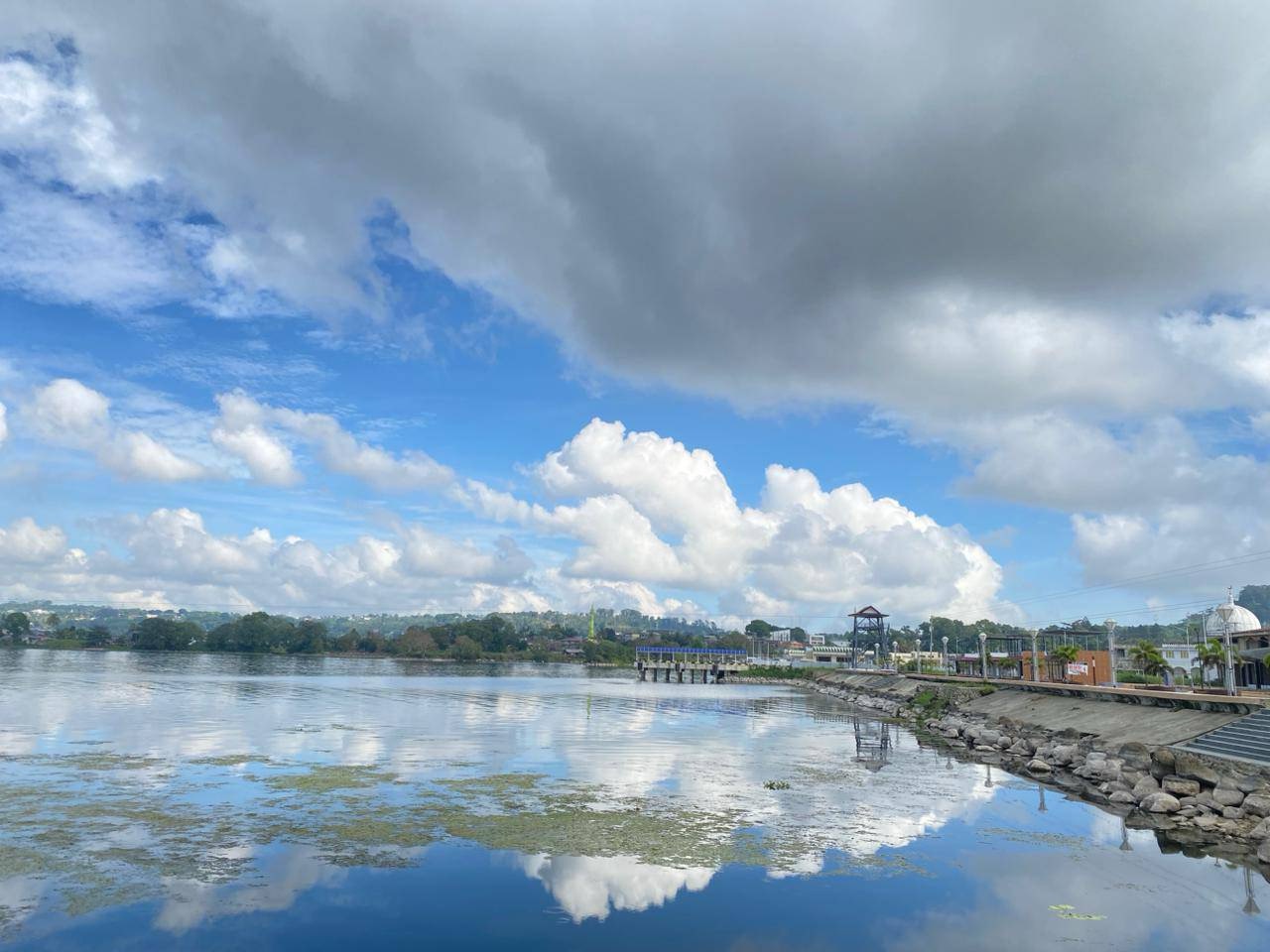
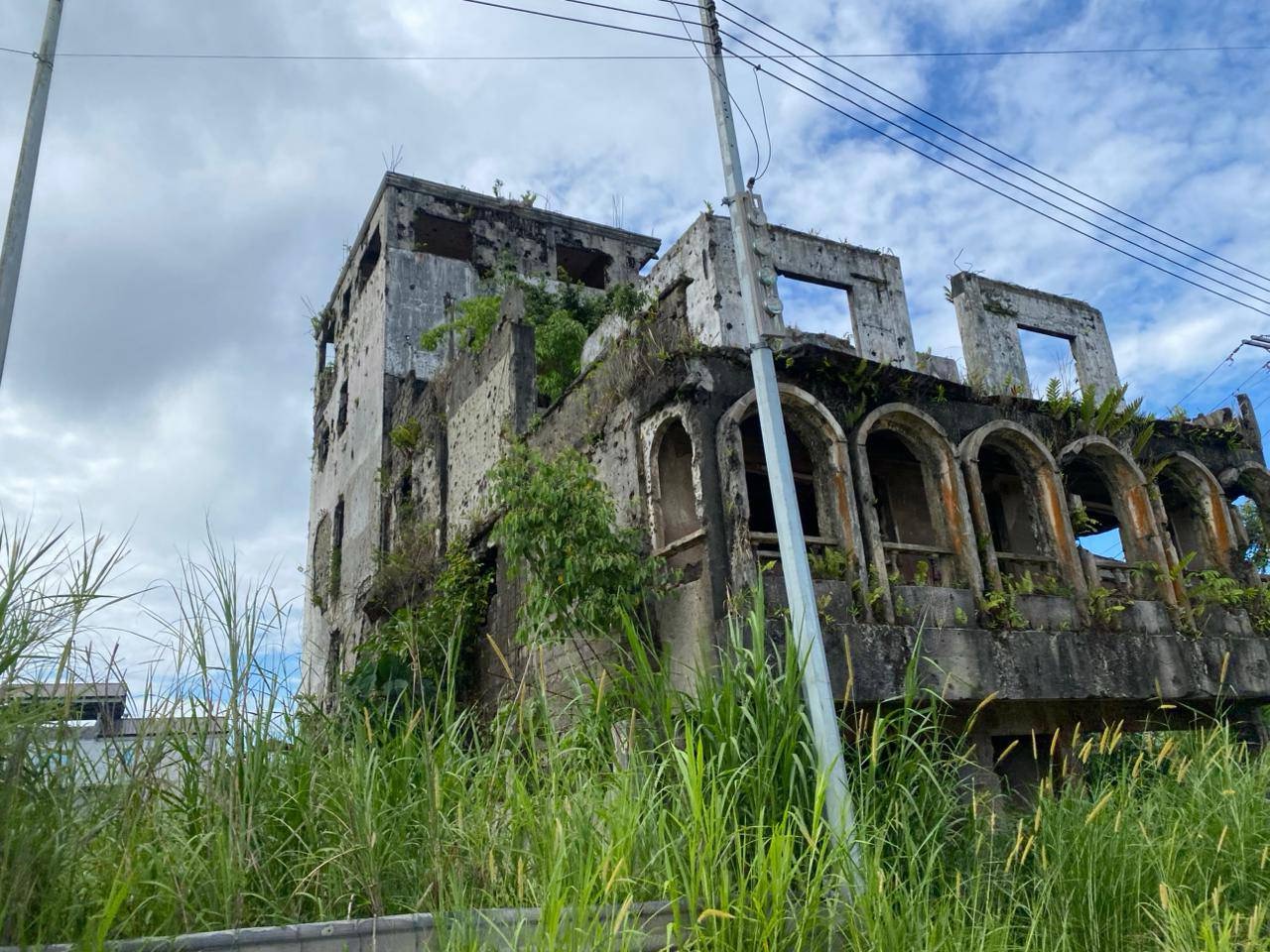
As part of the immersion, participants also visited areas near Ground Zero in Marawi City, where unfinished and damaged structures continue to stand as reminders of the destruction left by the siege and the long, difficult rehabilitation process that followed. For many youth participants, witnessing these realities firsthand deepened their understanding that displacement and recovery remain unresolved nearly a decade later.
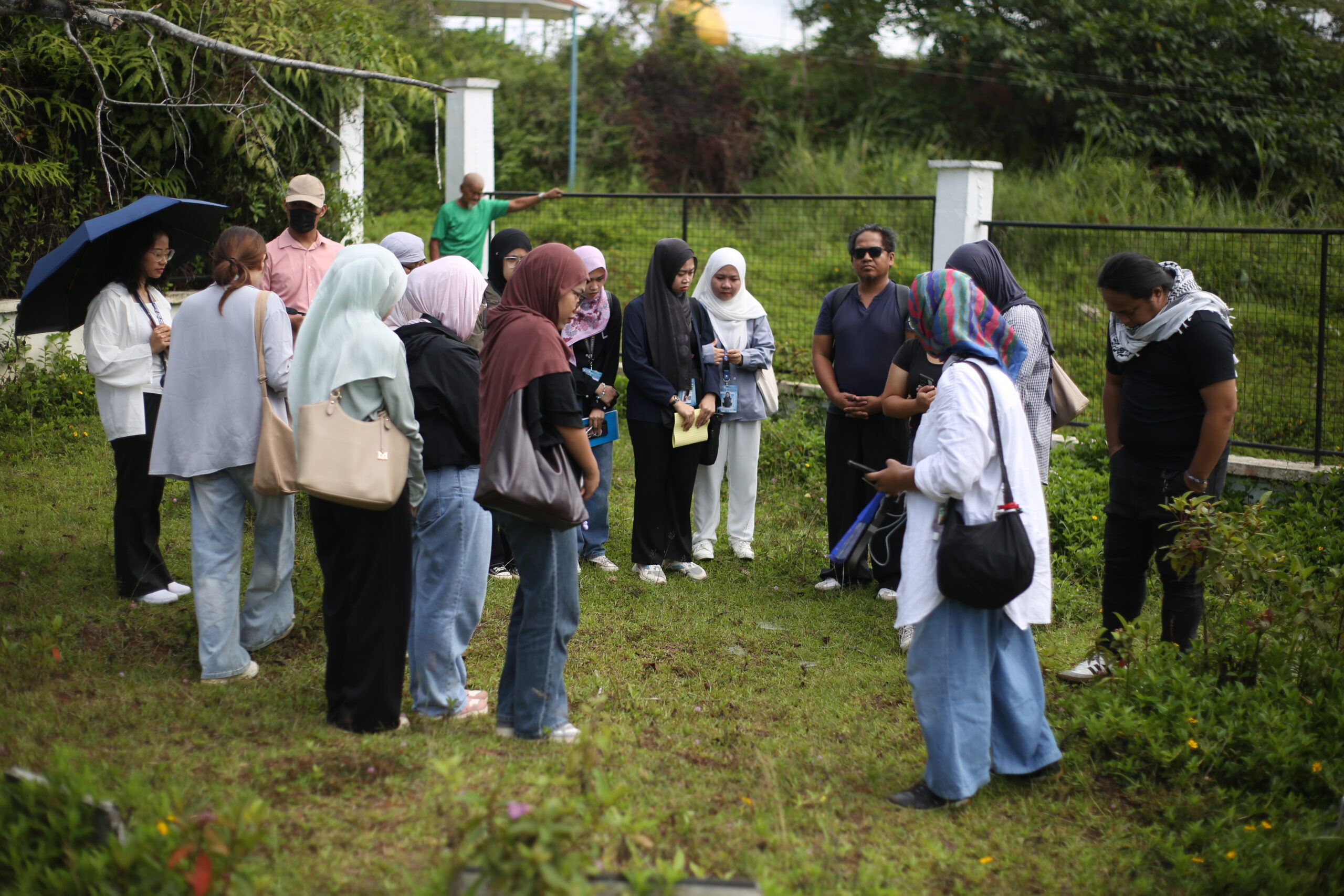


The activity gathered displaced residents, women, youth volunteers, and community members for sharing sessions on mental health, psychosocial wellbeing, collective care, and the continuing realities faced by displaced communities. Led by MCJ Board of Trustee member Dr. Reginaldo “Reggie” Pamugas, the sessions focused on Psychological First Aid (PFA), psychosocial support, and community-based approaches to healing and accompaniment.
Rather than treating mental health as separate from people’s material conditions, discussions during the activity emphasized how prolonged displacement, poverty, insecurity, discrimination, and unstable living conditions continue to shape the emotional and psychological wellbeing of displaced families.
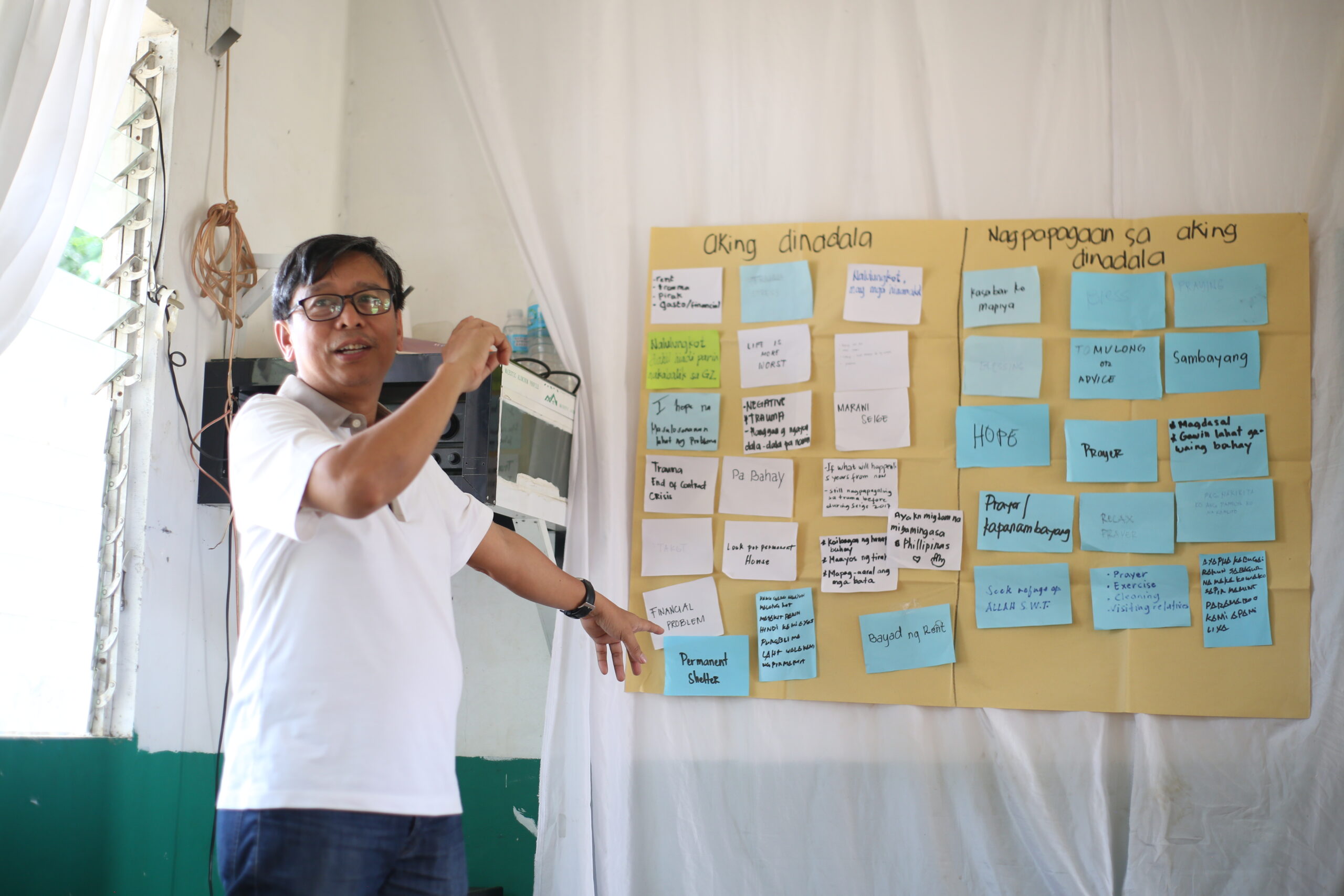
Participants openly shared experiences related to anxiety, panic attacks, fear, stress, trauma, and emotional exhaustion brought about by years of uncertainty and displacement.
For many residents, the activity became one of the few spaces where they could openly speak about their continuing struggles, fears, and aspirations for their families and communities.
Among those who shared their experiences was 39-year-old Rasmia Ombag, a mother of five who previously lived in Bubong, Marawi City. Before the siege, she recalled that their family experienced a more stable life with better livelihood opportunities. Today, however, their family continues to struggle with damaged housing, unstable income, and uncertainty about the future.
“Mahirap ang buhay namin ngayon,” she shared, explaining that many shelters in the relocation area are already deteriorating while displaced families continue to face mounting financial difficulties.
Rather than temporary aid alone, Ombag stressed the urgent need for permanent housing, accessible livelihood opportunities, and the removal of burdensome rental payments imposed on families already struggling to survive.
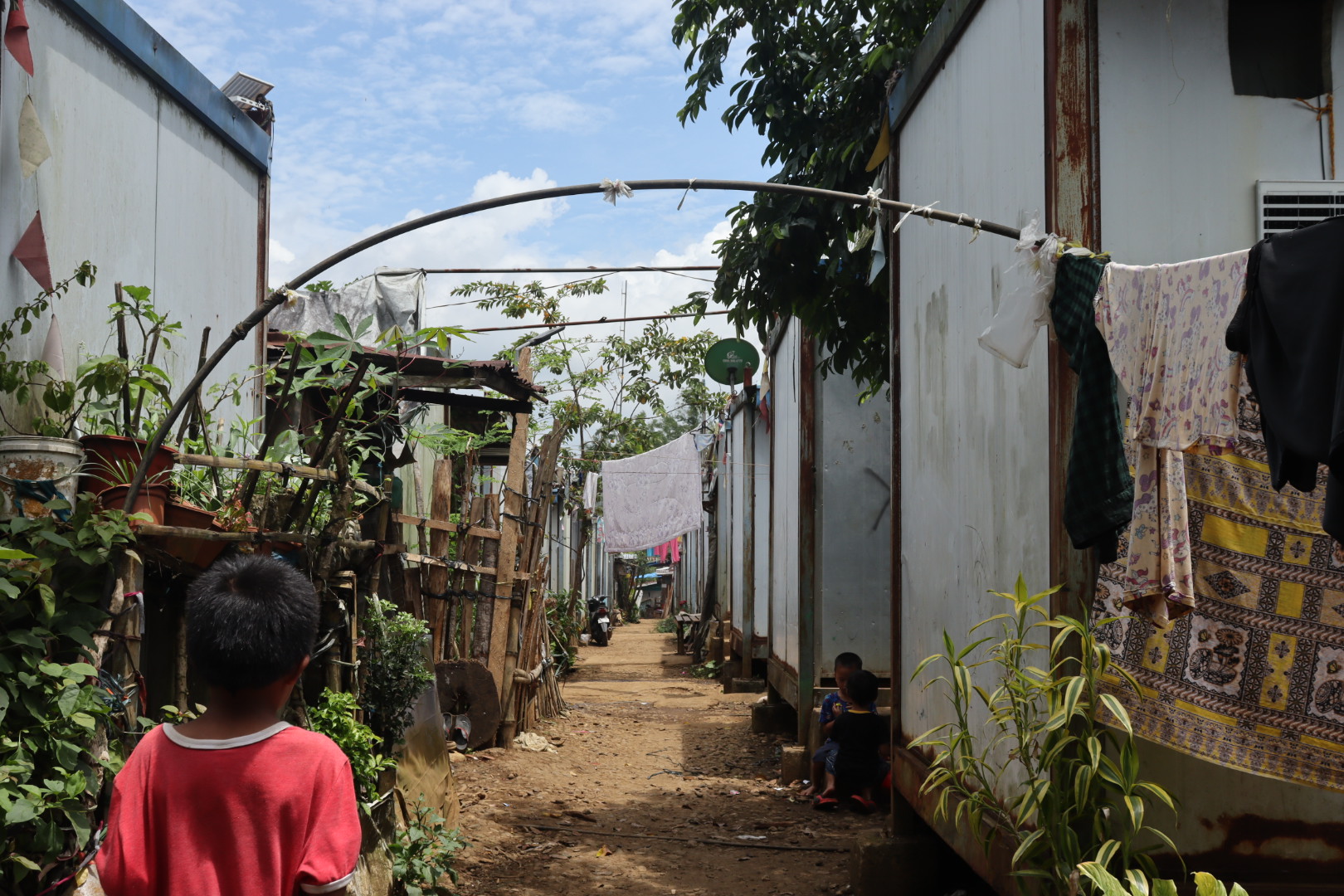
Another resident, Norainie Manalaong, a 36-year-old private teacher and mother of six formerly from Dagudaban, Marawi City, spoke about the emotional strain experienced by displaced families living in relocation sites.
She shared that despite years passing since the siege, many displaced residents continue to experience discrimination and insecurity within their communities. According to Manalaong, there are instances where displaced families are unfairly blamed whenever belongings go missing in surrounding neighborhoods. She also described recurring gunfire incidents near their homes, which continue to trigger fear and anxiety among residents, especially children.
Rather than relying solely on short-term financial assistance, Manalaong emphasized the importance of sustainable livelihood programs that would allow displaced families to rebuild their lives independently and with dignity.
Her testimony reflected a broader reality shared by many displaced communities: families are not merely asking for charity, but asserting their right to stable livelihood, dignified living conditions, meaningful rehabilitation, and safe return to their communities.

The struggles of elderly residents were also highlighted during the activity through the testimony of Sandir Barodi, a displaced resident from West Marinaut. Before the siege, their family sustained themselves through a water refilling business. Displacement, however, forced them into economic instability and dependence on irregular sources of income.
Barodi shared that despite lacking stable livelihood, displaced families continue to shoulder rental and utility expenses inside relocation areas. He also recounted how one of his children, who previously worked in Manila repairing cellphones, was forced to return home after being diagnosed with tuberculosis (TB), placing additional strain on the family’s already fragile economic condition.
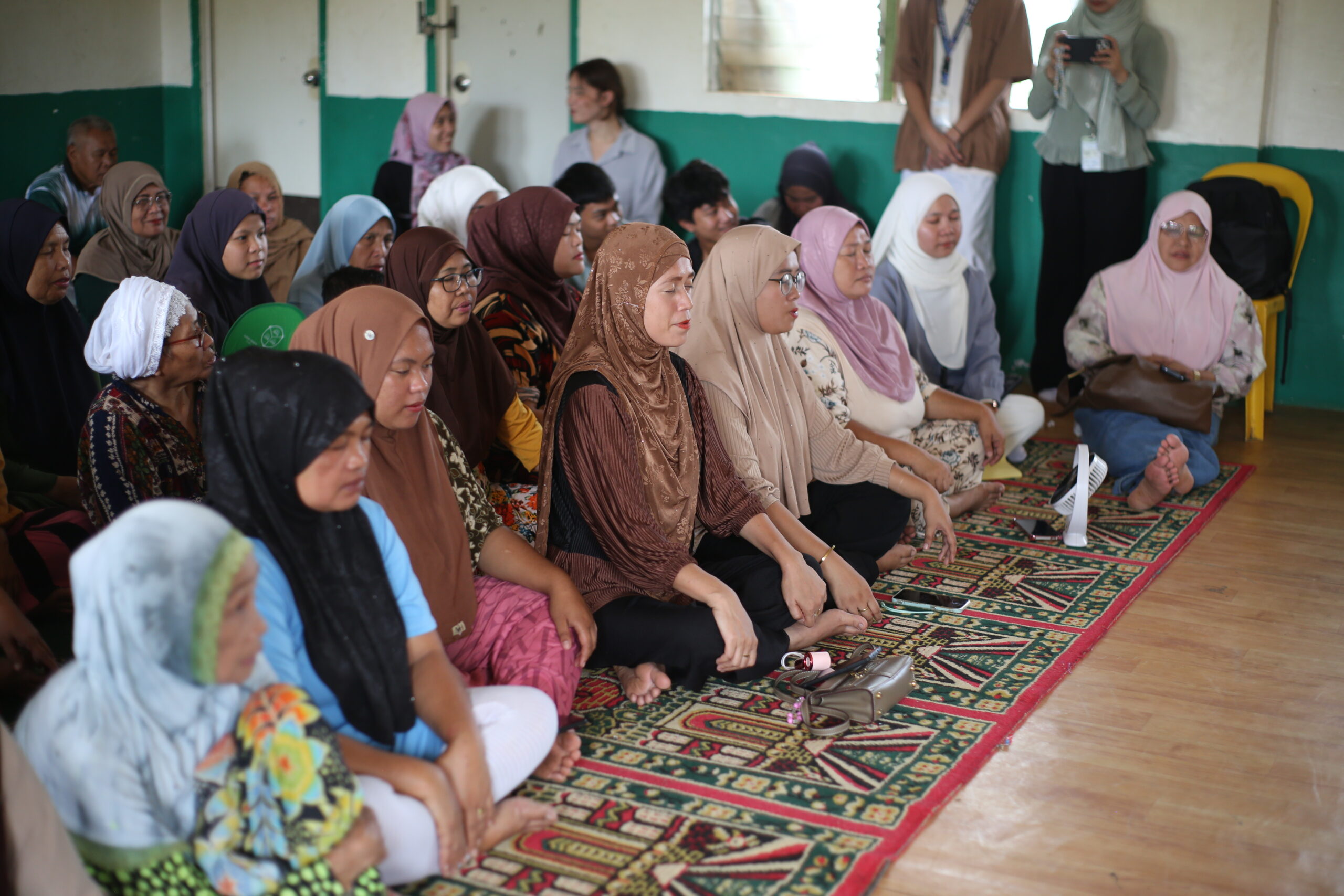
He further described the unstable electricity situation in the community, where frequent power interruptions damage appliances and disrupt daily life. Even access to senior citizen assistance has become difficult due to transportation costs that displaced families could no longer afford.
Though their experiences differed, residents repeatedly pointed to the same realities confronting many displaced communities nearly a decade after the siege: prolonged displacement, unstable livelihoods, deteriorating shelters, insecurity, discrimination, and the continuing absence of genuine rehabilitation.
The stories shared throughout the activity revealed that displacement in Marawi remains not only a humanitarian issue, but also a continuing social, economic, and mental health crisis. Many displaced residents continue to endure the long-term effects of conflict through poverty, unemployment, unresolved housing concerns, inadequate access to government support, and the emotional burden of uncertainty over their future.

Participants emphasized that genuine rehabilitation cannot be measured merely through infrastructure projects or official declarations of recovery, but through whether displaced families are finally able to safely and permanently return to their homes and communities with dignity.
Throughout the immersion activity, organizers and participants emphasized that healing in Marawi cannot be separated from justice, accountability, and people-centered rehabilitation.
Bringing Psychological First Aid and collective care directly into transitory shelters affirmed that mental health response must be rooted in the actual conditions and lived realities of the people themselves.
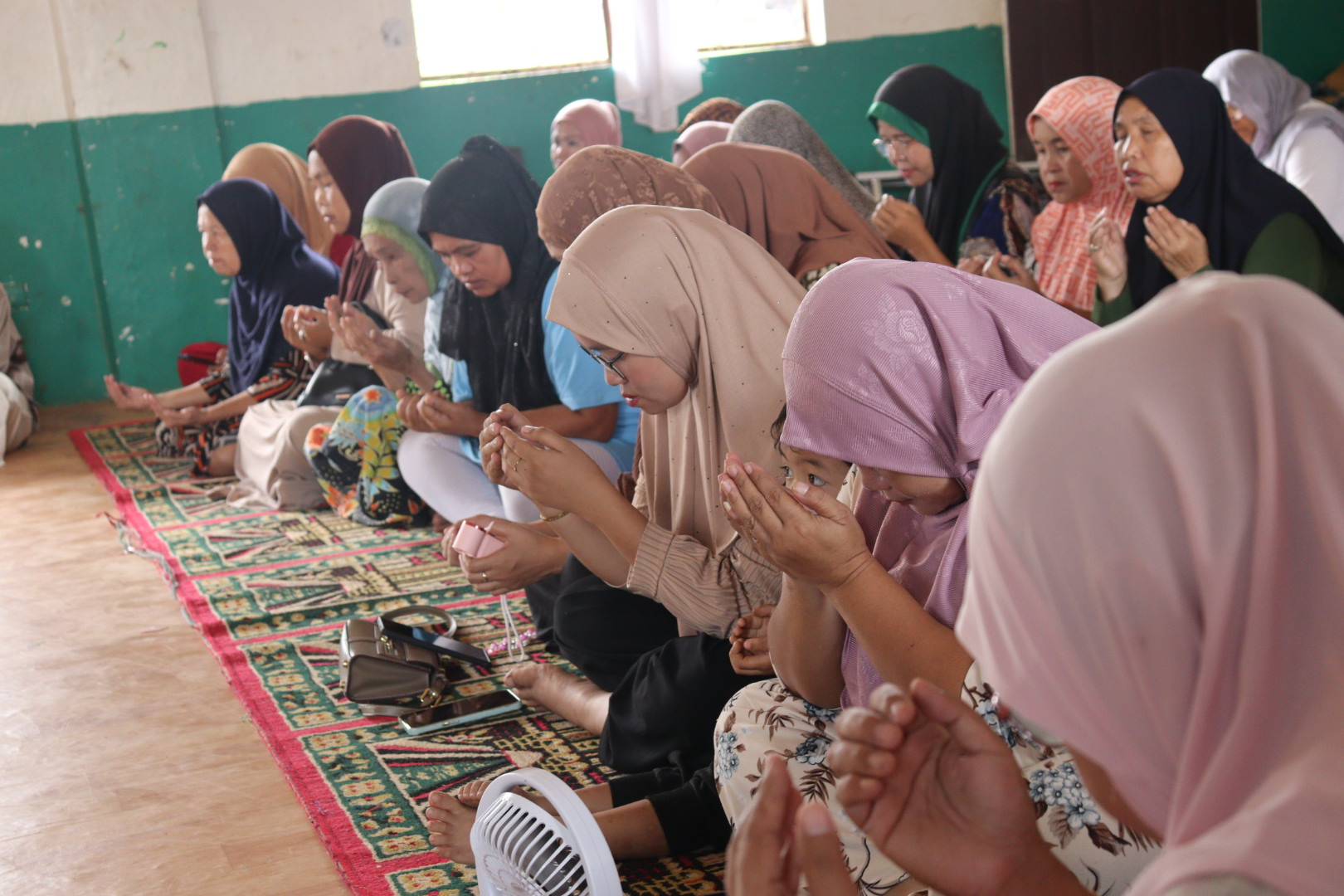
For many youth participants, the immersion transformed the discussions from the first day of the activity into lived understanding. Listening directly to displaced residents allowed them to witness how the emotional wounds of the siege remain deeply connected to continuing displacement, poverty, insecurity, and unfinished rehabilitation.
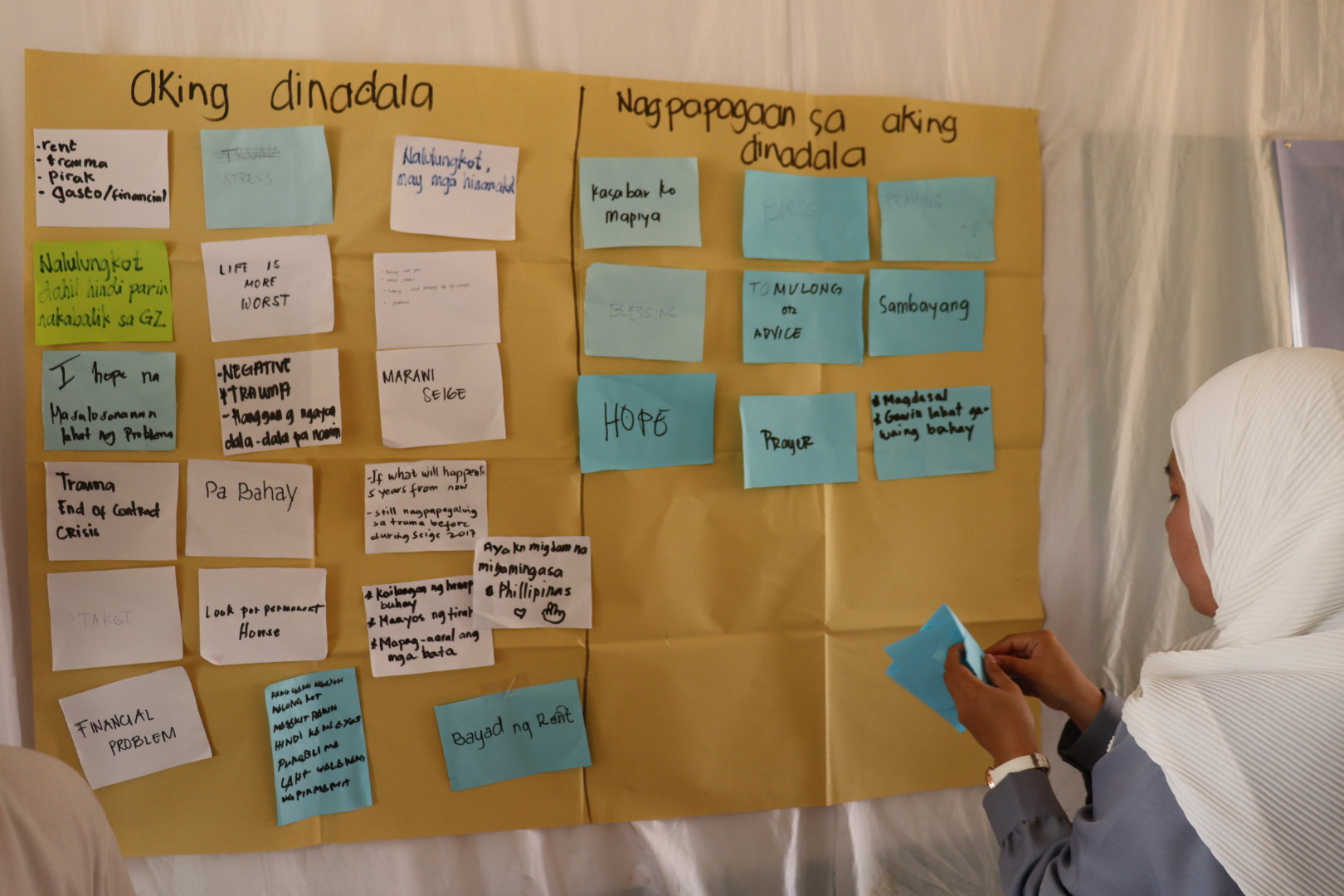
Nine years after the Marawi Siege, many displaced Meranao families continue to live inside shelters meant to last only temporarily while carrying the emotional, economic, and psychological burdens of prolonged displacement.
Yet amid continuing hardship and neglect, displaced communities continue to organize, speak out, support one another, and assert their collective call for justice, dignified return, permanent housing, sustainable livelihood, and genuine rehabilitation.