Water Forum 2026, Forest Defenders Gathering Sound Alarm on Tampakan Mining and False Climate Solutions

Following the recent court dismissal of a petition challenging the 18-year extension of the Tampakan mining project’s Financial or Technical Assistance Agreement (FTAA), environmental defenders, Indigenous leaders, church workers, researchers, students, and civil society organizations gathered in Koronadal City, South Cotabato for the Water Forum 2026 and Guardians Under Pressure: Forest Defenders Gathering, organized by the Legal Rights and Natural Resources Center (LRC).
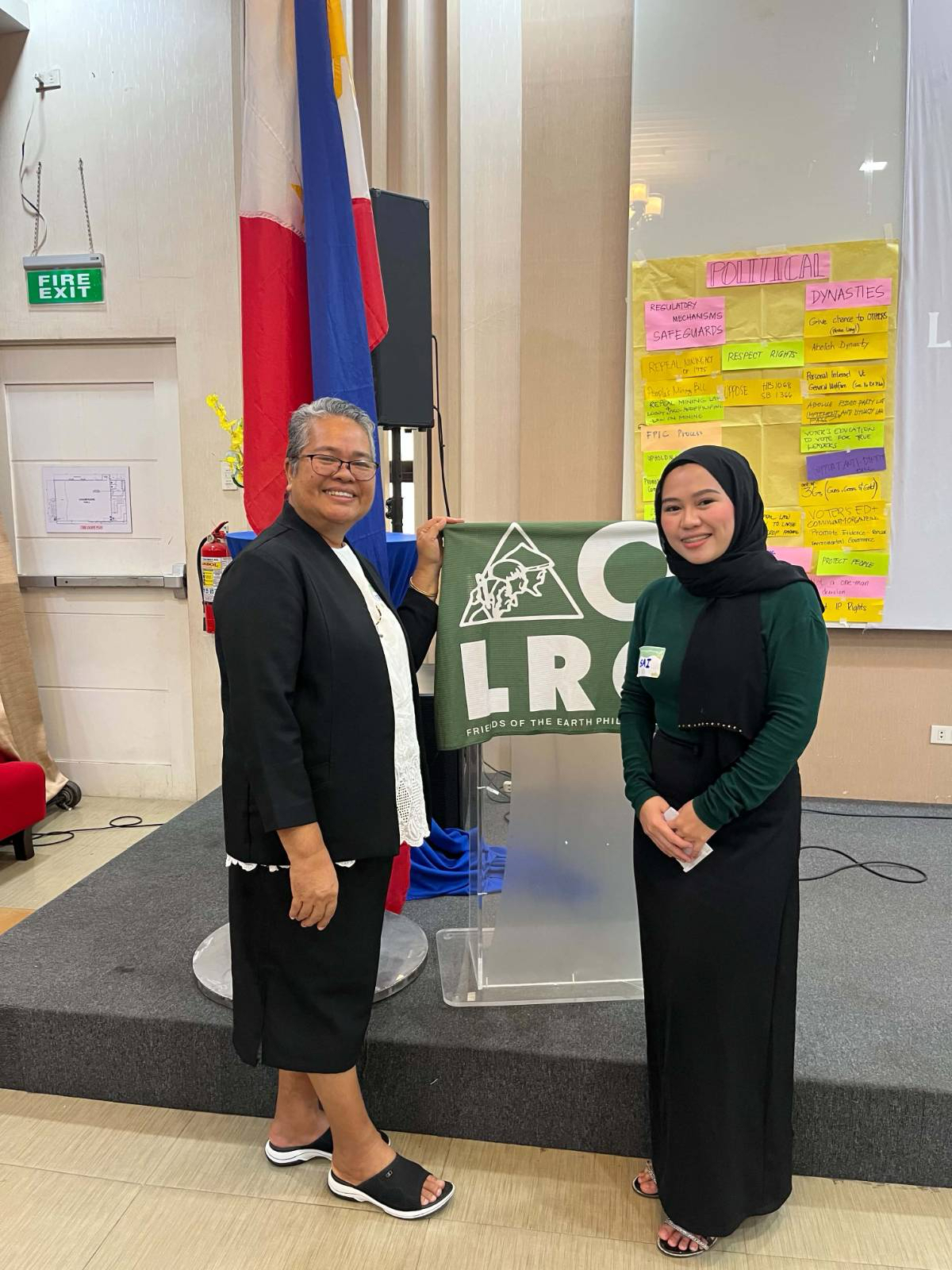
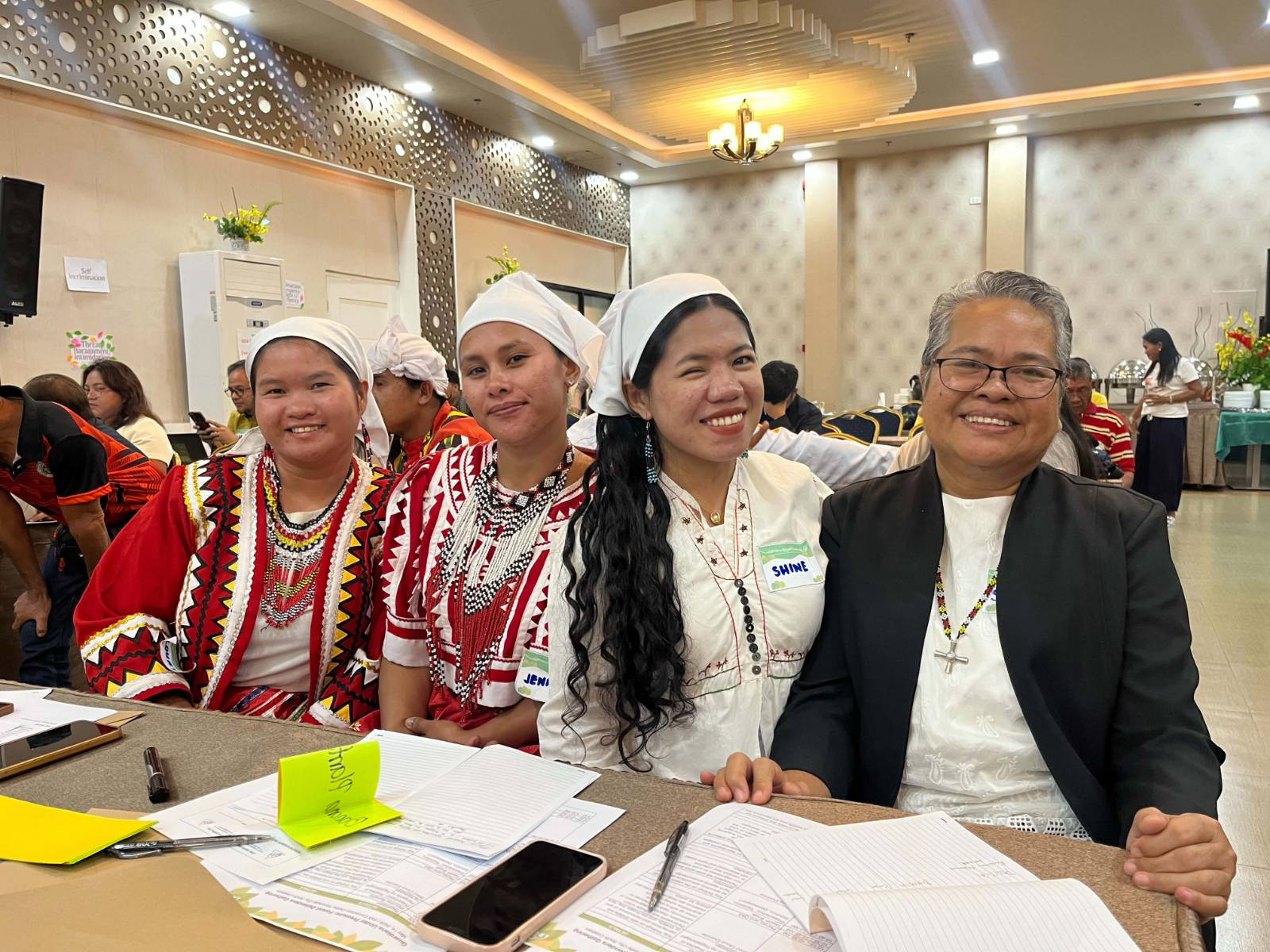
Mindanao Climate Justice (MCJ), represented by Ms. Nosaira Gasmala, Communications and Advocacy staff, and Sr. Zeny Gene Amar, MMS, joined the gathering as part of continuing solidarity work with communities resisting destructive mining and defending Indigenous Peoples’ rights in Mindanao.
The gathering came at a critical moment for communities opposing the Tampakan Copper-Gold Project, Southeast Asia’s largest proposed open-pit copper-gold mine. For participants, the forum was not only a technical discussion on water, forests, and land use. It was a collective response to a project that threatens ancestral lands, watersheds, and the lives of environmental defenders.
The project threatens over 27,000 hectares of Blaan ancestral land, around 4,000 hectares of forest, six major river systems, and more than 5,000 people facing displacement. It is also projected to generate 1.35 billion tons of mine waste and 3.2 million tons of arsenic-bearing rock.
The risks extend far beyond the mine site. LRC forum materials warned that more than one million downstream residents may be placed at risk, while one watershed system alone carries an estimated PHP 2.4 trillion in ecosystem value. These figures raised urgent questions over the real cost of extraction in a landscape already facing climate-related disasters, biodiversity loss, and land-use conflicts.
The first day underscored that Tampakan is not only a mining issue, but a watershed, biodiversity, food security, and climate justice issue. The program opened with welcome remarks and a context-setting discussion on the Tampakan mining situation led by Bishop Cerilo Casicas of the Diocese of Marbel, who has long been vocal in opposing destructive extractive projects and defending ecological justice in Mindanao.
This was followed by a presentation from the Ateneo de Davao University Research Council on the natural capital of the five watersheds surrounding the Tampakan mining area and preliminary studies integrating climate change and natural resource accounting. Participants emphasized the ecological significance of these watersheds and the growing vulnerability of Mindanao communities to droughts, flooding, forest loss, and extreme weather events.
Researchers from the University of Southern Mindanao Department of Biology and Columbio MENRO also presented studies on pteridophytes and biodiversity in key ecological areas in Sultan Kudarat, highlighting how extractive projects threaten fragile habitats, endemic species, and biodiversity corridors across nearby provinces.
Discussions on the Tampakan Forest Land Use Plan (FLUP), presented by Tampakan MENRO, raised the need to protect forests, watersheds, and agricultural lands from land-use decisions driven by mining interests. Throughout the forum, participants repeatedly emphasized that genuine development cannot come at the expense of ecological destruction and Indigenous displacement.
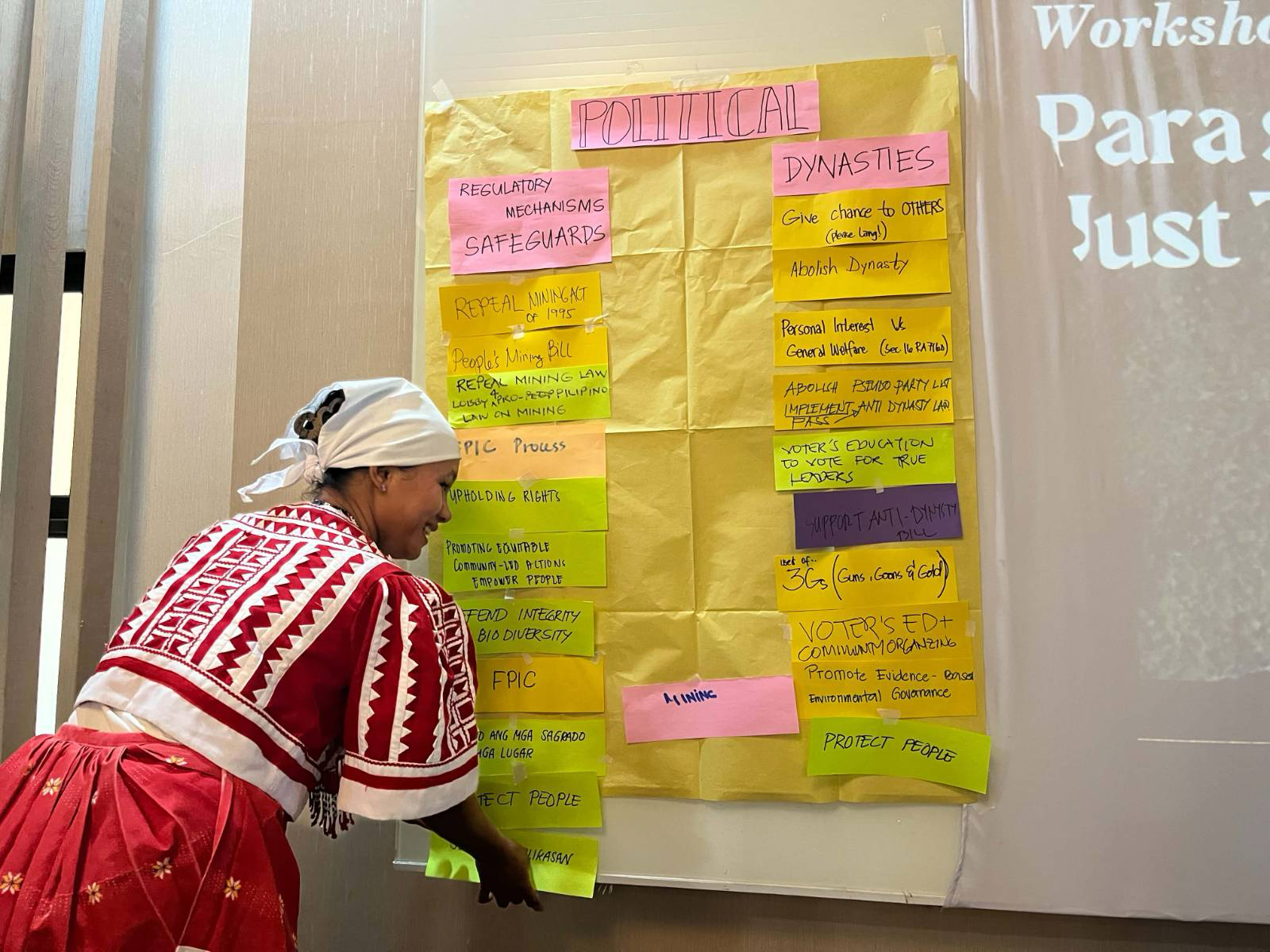
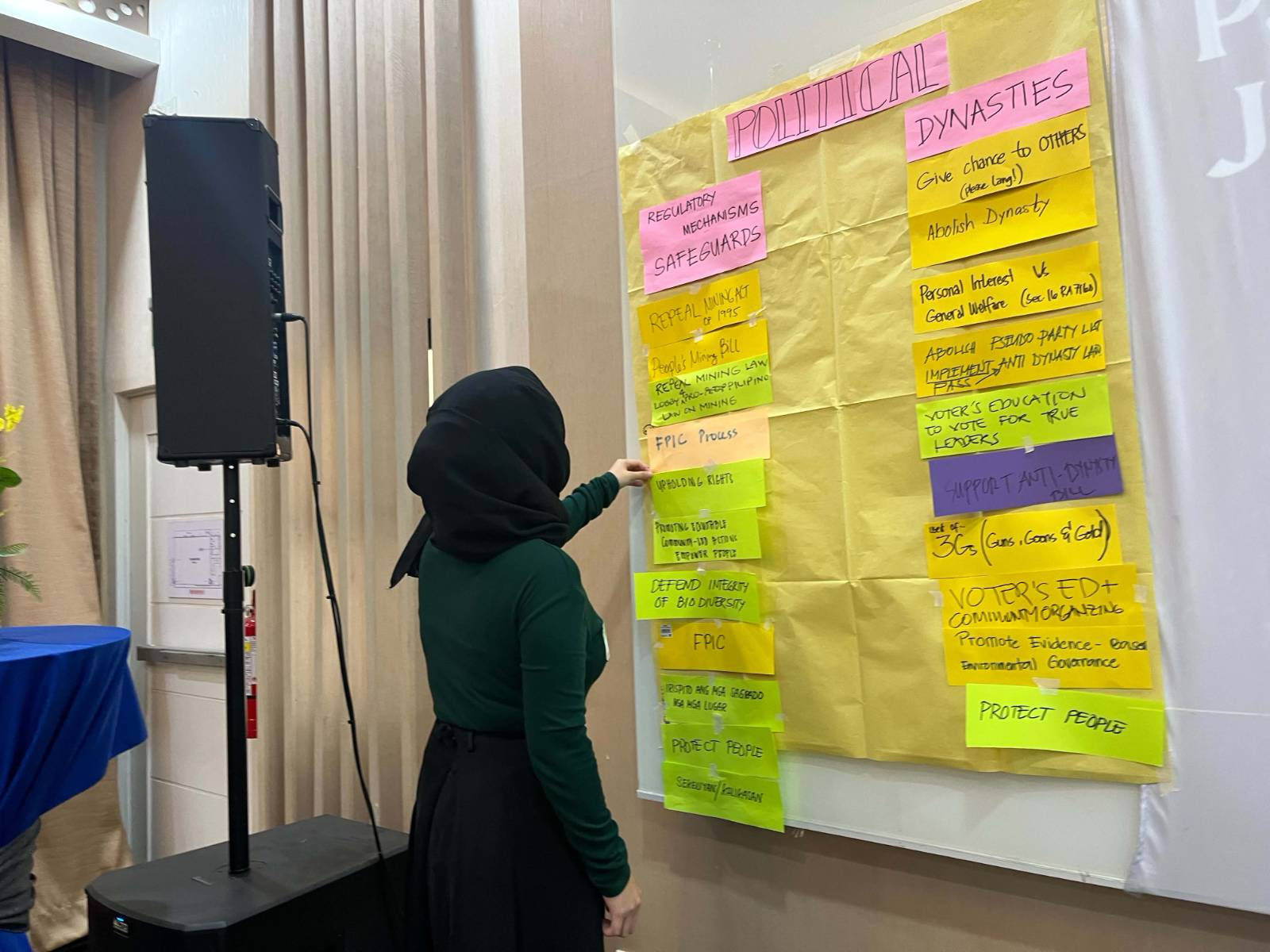
The afternoon sessions included a workshop facilitated by the UPD CSWCD Community Science Hub titled “Mapping the Interface of Nature to People in the Tampakan Mine Conflict.” Participants collectively mapped environmental threats, social impacts, and community vulnerabilities linked to mining operations, followed by a plenary report back and a townhall meeting with government officials facilitated by LRC.
Scientific presentations and discussions throughout the forum showed how the proposed mine sits within fragile ecological corridors whose destruction could worsen water insecurity, biodiversity collapse, agricultural disruption, and disaster risks across South Cotabato, Sultan Kudarat, Sarangani, and Davao del Sur.
Participants also examined the long-term technical dangers of the project. Waste storage facilities linked to the mine are reportedly located near fault zones and dormant volcanoes, raising fears of disasters and contamination. MCJ’s Tampakan briefer notes that even SMI’s own Environmental Impact Statement recognized the risk of acid mine drainage lasting up to 10,000 years.
If the first day focused on watersheds and ecological risk, the second day turned to the people most directly placed in danger for defending them.
The Guardians Under Pressure: Forest Defenders Gathering focused on the worsening conditions faced by Environmental Human Rights Defenders (EHRDs), particularly Indigenous Peoples and grassroots communities resisting mining, land conversion, agribusiness expansion, and environmentally destructive projects.
Testimonies and research findings pointed to continuing patterns of displacement, surveillance, harassment, criminalization, red-tagging, and violence against environmental defenders. The discussions also showed how extractive projects in Indigenous territories are often accompanied by militarization and the shrinking of democratic and civic spaces.
The gathering affirmed the long history of Blaan resistance against the Tampakan mine. For decades, Blaan communities have defended their ancestral lands through community organizing, legal actions, cultural assertion, protest caravans, and traditional governance systems rooted in ancestral stewardship and collective responsibility.
Participants recalled the 2012 Capion massacre, in which Blaan leader Juvy Capion and her two sons were killed amid militarized operations in the context of anti-mining resistance. Concerns were likewise raised over the continuing attacks, closures, and militarization experienced by Lumad schools and Indigenous learning centers across Mindanao.
The gathering also challenged the claim that mining becomes “green” simply because copper is used in solar panels, electric vehicles, and renewable energy technologies. Speakers warned that transition mineral projects must not turn Indigenous territories, forests, and watersheds into sacrifice zones for global climate markets.
As MCJ’s Tampakan briefer warns, open-pit copper mining in ancestral land is not climate justice—it is violence wrapped in green language.
Legal experts and advocates called for the enforcement of environmental laws, genuine respect for Free, Prior and Informed Consent (FPIC), corporate and state accountability, and protection mechanisms for environmental defenders facing threats.
The gathering closed with participants identifying collective strategies to defend watersheds, protect ancestral domains, strengthen grassroots movements, and advance rights-based climate resilience in Mindanao.
More than a forum, the two-day gathering became a call to defend land, life, memory, and ecological justice amid intensifying climate crises and extractive expansion.
For communities facing the Tampakan mine, the struggle is not only about opposing extraction. It is about defending rivers from poison, forests from destruction, ancestral lands from dispossession, and future generations from a model of development built on sacrifice.
For more background, read MCJ’s briefer, “Defend the Sacred: Stop the Tampakan Mining Project”:
DEFEND THE SACRED: Stop the Tampakan Mining Project – MCJ Briefer