More than 300 delegates gathered during the morning session of KATUNGOD Conference 2026 to renew the call to reverse the unjust conviction of the Talaingod 13 and affirm that Indigenous education, humanitarian action, and democratic freedoms must be protected.
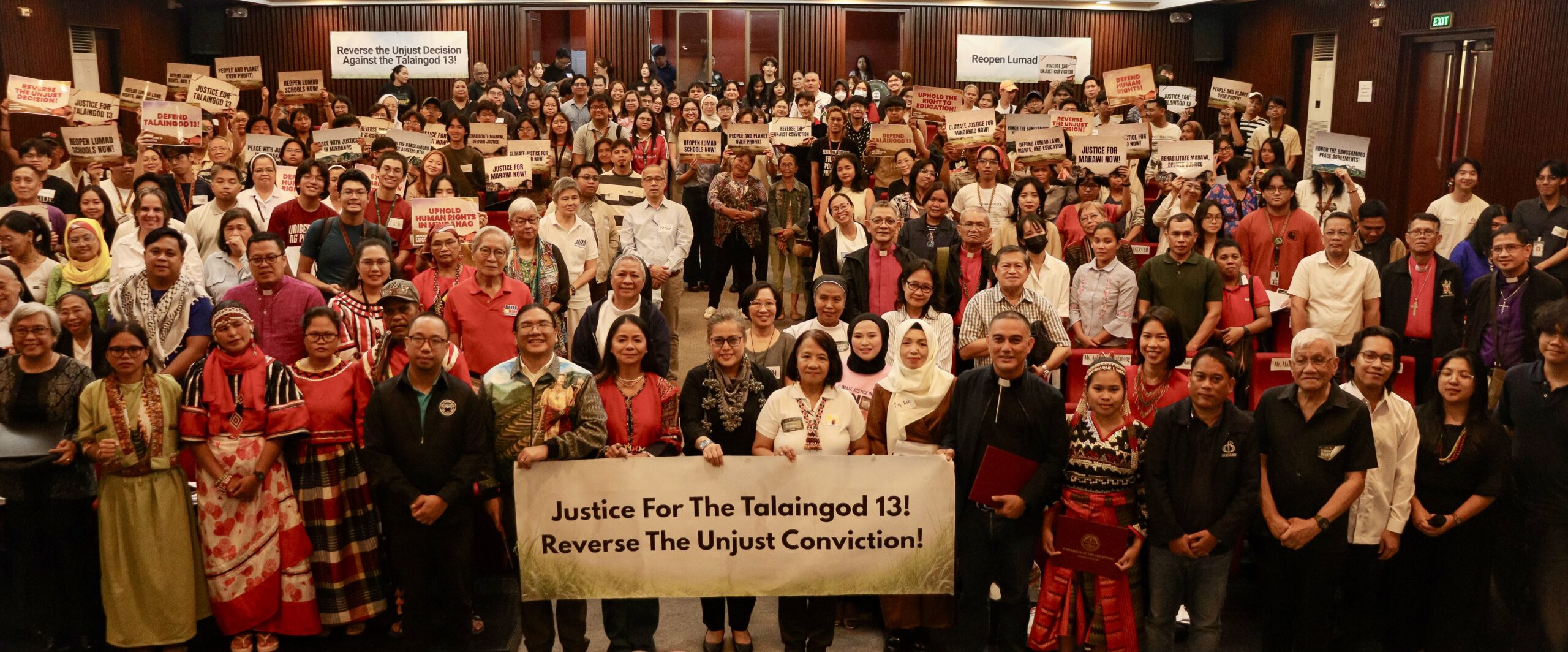
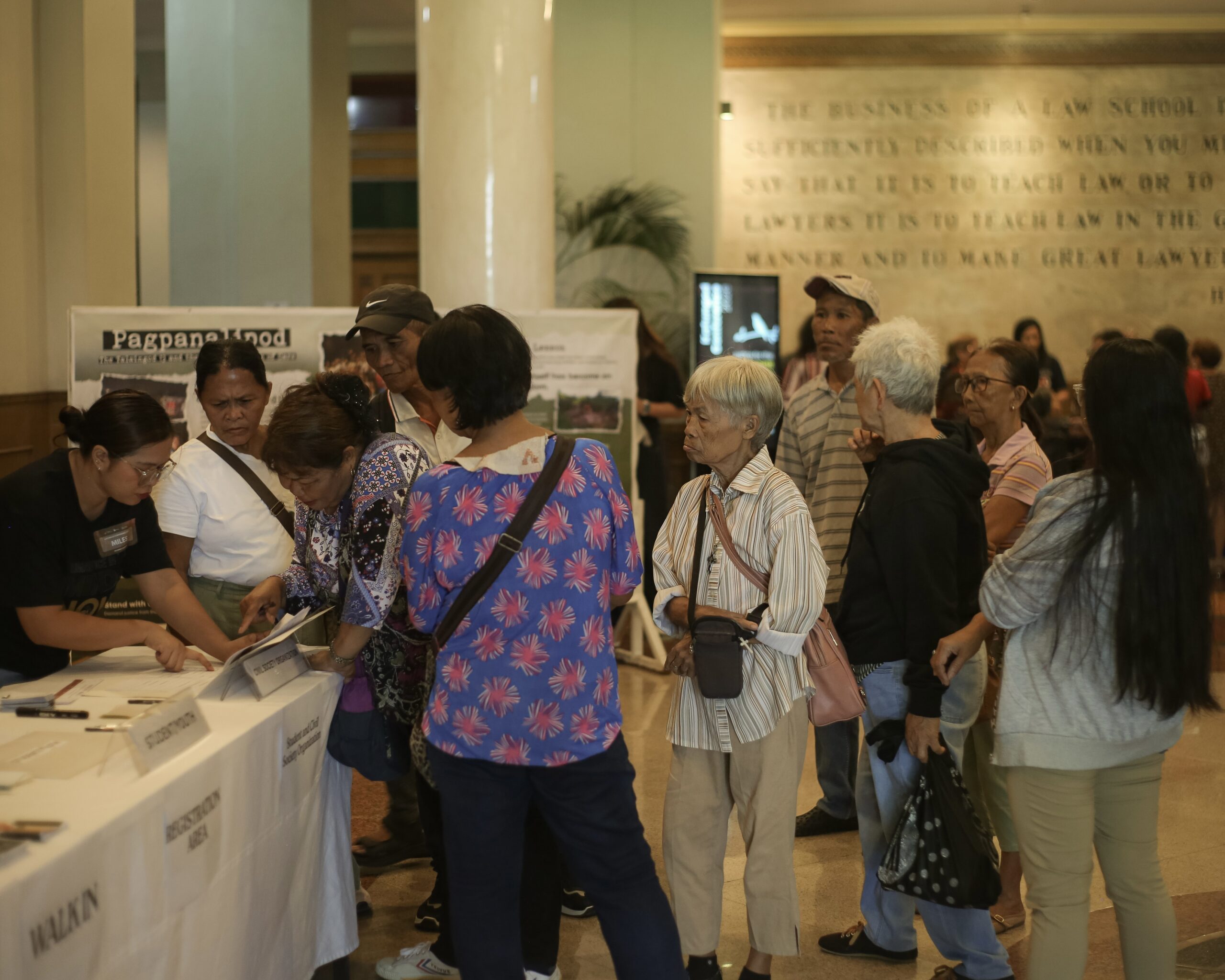
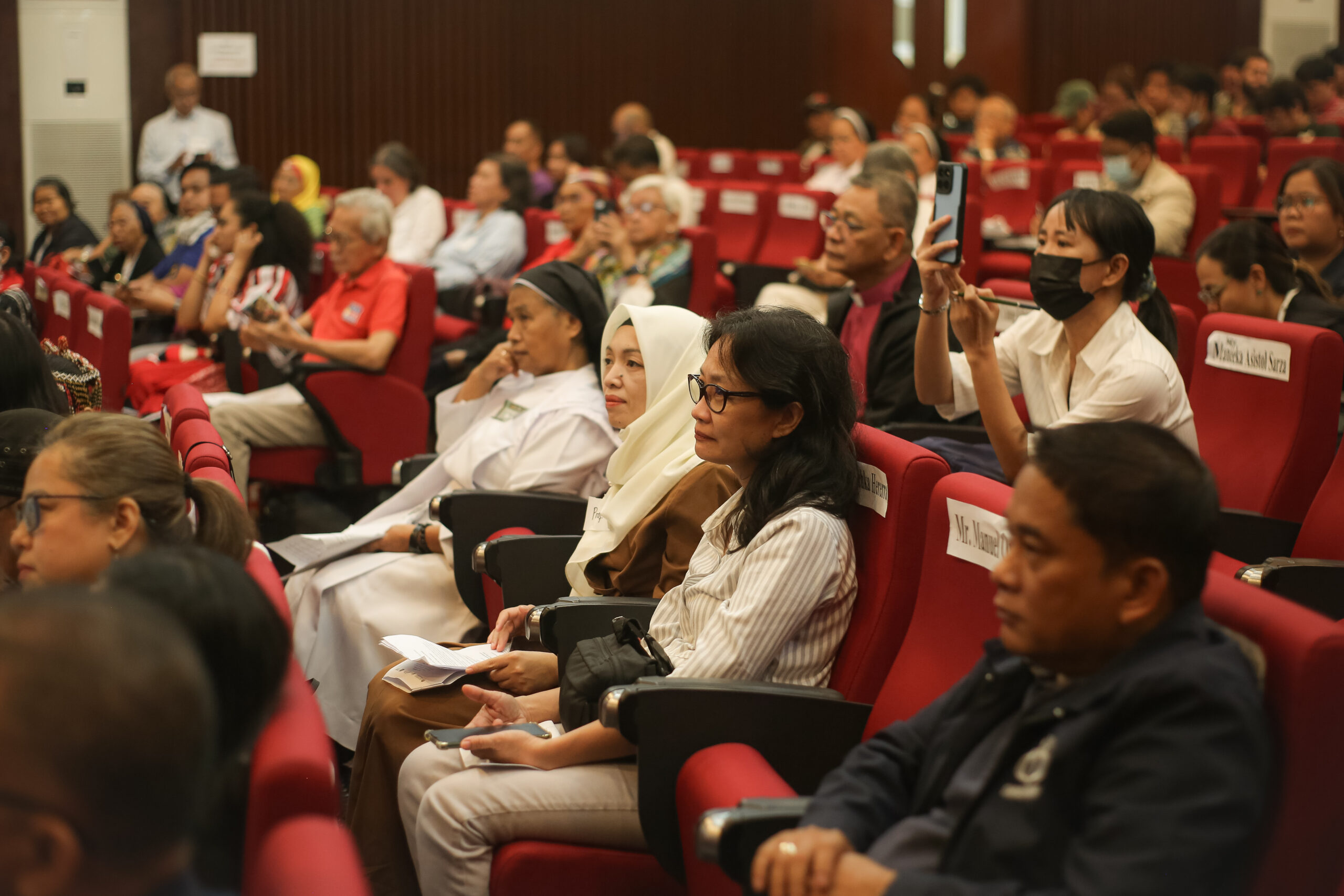
QUEZON CITY, Philippines — The morning session of the KATUNGOD Conference 2026: Justice for the Talaingod 13 and the State of Mindanao opened with a renewed call to reverse the unjust conviction of the Talaingod 13. Two years after the landmark ruling, delegates from Indigenous and Bangsamoro communities, churches, schools, universities, legal and human rights organizations, people’s organizations, youth groups, media, and solidarity networks gathered at the University of the Philippines College of Law to reflect on what the Talaingod 13 case has come to represent: the defense of Indigenous education, humanitarian action, self-determination, and democratic freedoms.
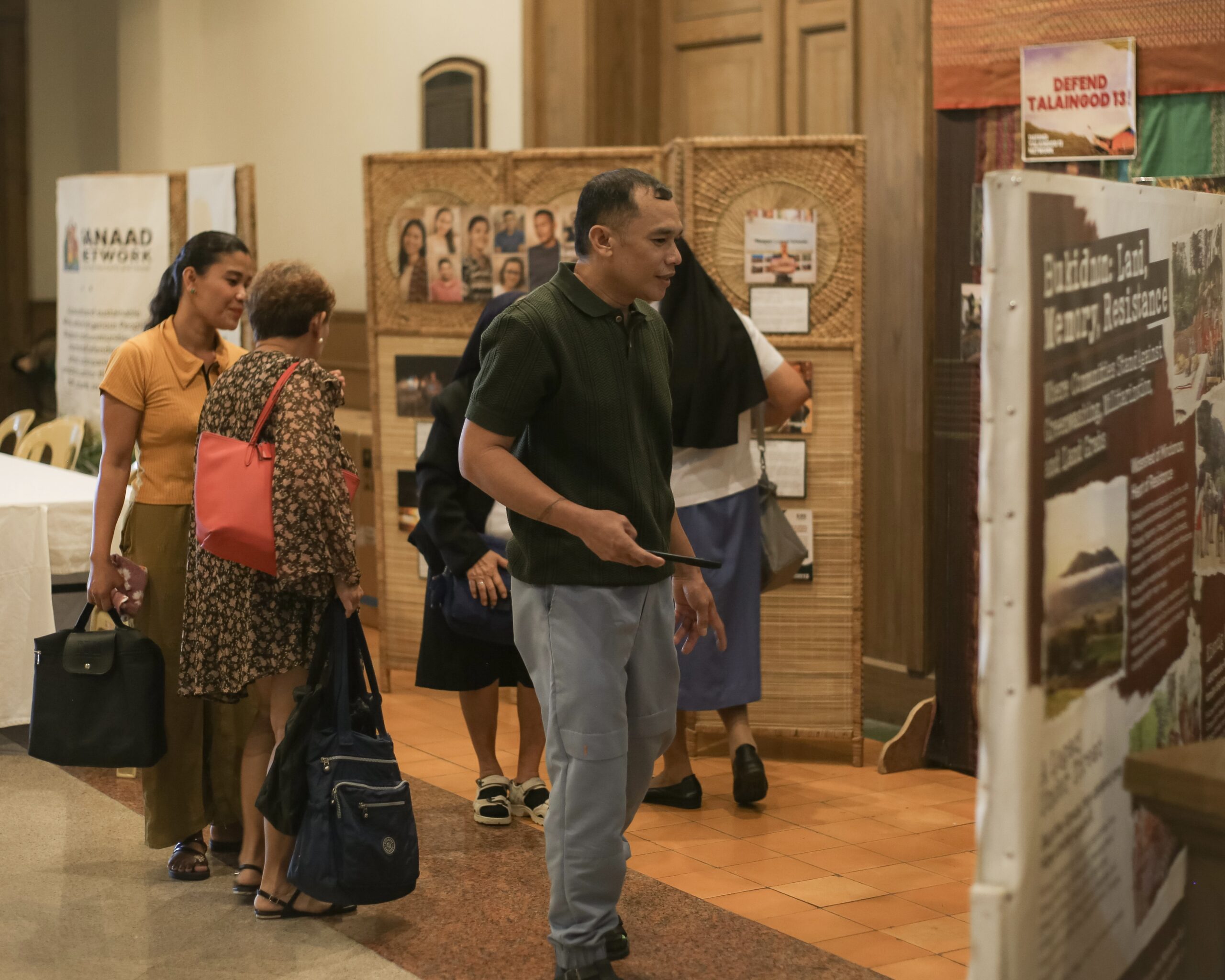
Hosted by the UP Law Center Institute of Human Rights – Indigenous Peoples Law and Policy Program at the University of the Philippines College of Law, the KATUNGOD Conference 2026: Justice for the Talaingod 13 and the State of Mindanao was convened by the Mindanao Climate Justice Resource Facility (MCJ), together with PANAAD Network – Pilgrims for the Earth and People, Kinaiyahan Youth, and other civil society partners.
Marking the second anniversary of the conviction, the conference created a national space for reflection on the wider issues the Talaingod 13 case has come to represent.
For many who traveled from Mindanao to Manila, the conference was more than a commemoration. It was an opportunity to bring to the national capital the voices of communities that continue to confront displacement, attacks on Indigenous schools, environmental destruction, and the criminalization of those who accompany them in times of crisis. Throughout the morning, speakers from Indigenous communities, the legal profession, churches, academia, and civil society returned to a common message: the Talaingod 13 case is no longer only about thirteen individuals. It has become a defining measure of the country’s commitment to justice and the rights of Indigenous Peoples.
A Gathering Rooted in Solidarity
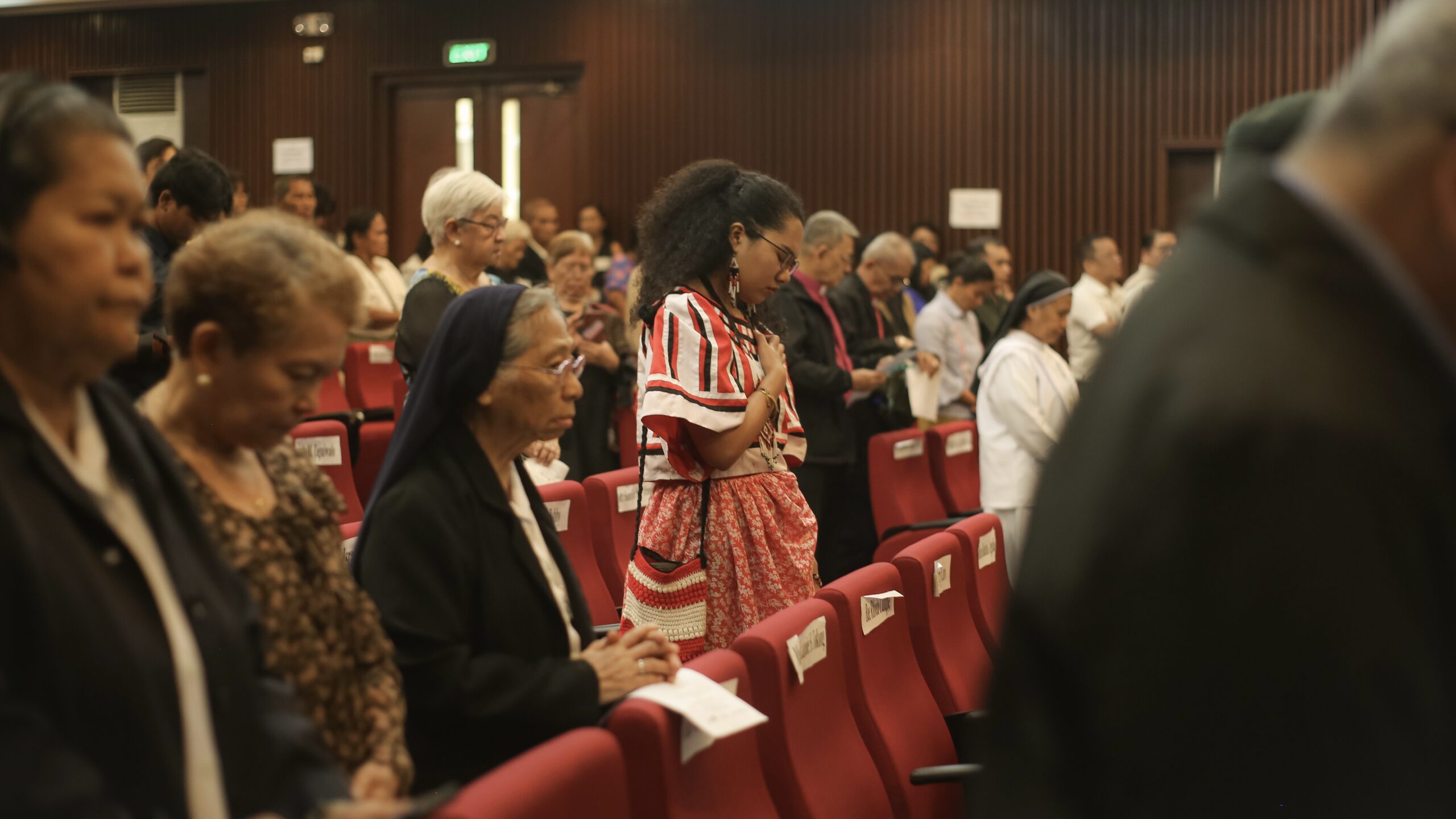
The conference opened with an interfaith invocation led by Lumad, Muslim, and Christian faith leaders, reflecting the diversity of Mindanao and affirming that the pursuit of justice is not only a legal or political undertaking but also a moral one. Before legal arguments and policy discussions began, participants were reminded that the defense of human dignity, peace, and solidarity transcends differences in faith and culture.
Welcoming the delegates, UP College of Law Associate Dean Atty. Paolo Emmanuel S. Tamase underscored the importance of universities as spaces where difficult conversations about justice, democracy, and human rights can take place. He reminded participants that human rights are not privileges granted at the discretion of the State but rights that belong to every person. In the context of the Talaingod 13 case, he challenged those present to reflect on whether the law ultimately serves the people or reinforces injustice.
That question echoed throughout the morning:
What becomes of justice when those who accompany vulnerable children and Indigenous communities are punished while the conditions that endangered them remain?
The Talaingod 13 and the Defense of Indigenous Self-Determination
Across the morning discussions, speakers emphasized that the Talaingod 13 case cannot be understood apart from the long struggle of Indigenous communities to defend their ancestral domains, establish culturally relevant schools, and exercise their right to self-determination. The humanitarian mission that gave rise to the case emerged in the context of school closures, displacement, militarization, and growing insecurity faced by Lumad communities in Mindanao.
Human rights lawyer and keynote speaker Atty. Raymond Marvic “Ice” Baguilat situated the Talaingod 13 case within the broader struggle of Indigenous Peoples for recognition, equality, and self-determination. While laws protecting Indigenous rights exist, he observed, many communities continue to experience exclusion, displacement, and threats to their lands, schools, and cultures.
“To understand the Talaingod 13 is to confront the broader realities facing Indigenous Peoples in Mindanao—and to ask whether justice, democracy, and human rights can be meaningful if those most affected remain unheard, displaced, or excluded.”
Baguilat’s argue that the Talaingod 13 case is no longer simply about thirteen individuals, but about whether Indigenous Peoples can freely exercise their right to educate their children, defend their ancestral domains, and determine their own future. His keynote established the framework that would guide the rest of the morning: understanding the Talaingod 13 case not simply as a legal controversy, but as a lens through which to examine Indigenous rights, democratic institutions, and the responsibilities of those who stand in solidarity with vulnerable communities.
Retelling the Story of the Talaingod 13
If the morning’s legal analyses situated the Talaingod 13 case within the broader struggles for Indigenous rights and self-determination, the succeeding presentations brought participants closer to the human stories behind the litigation. Together, the perspectives of the defense, those who responded to the humanitarian crisis, and the Lumad children themselves painted a fuller picture of the events that unfolded in 2018.
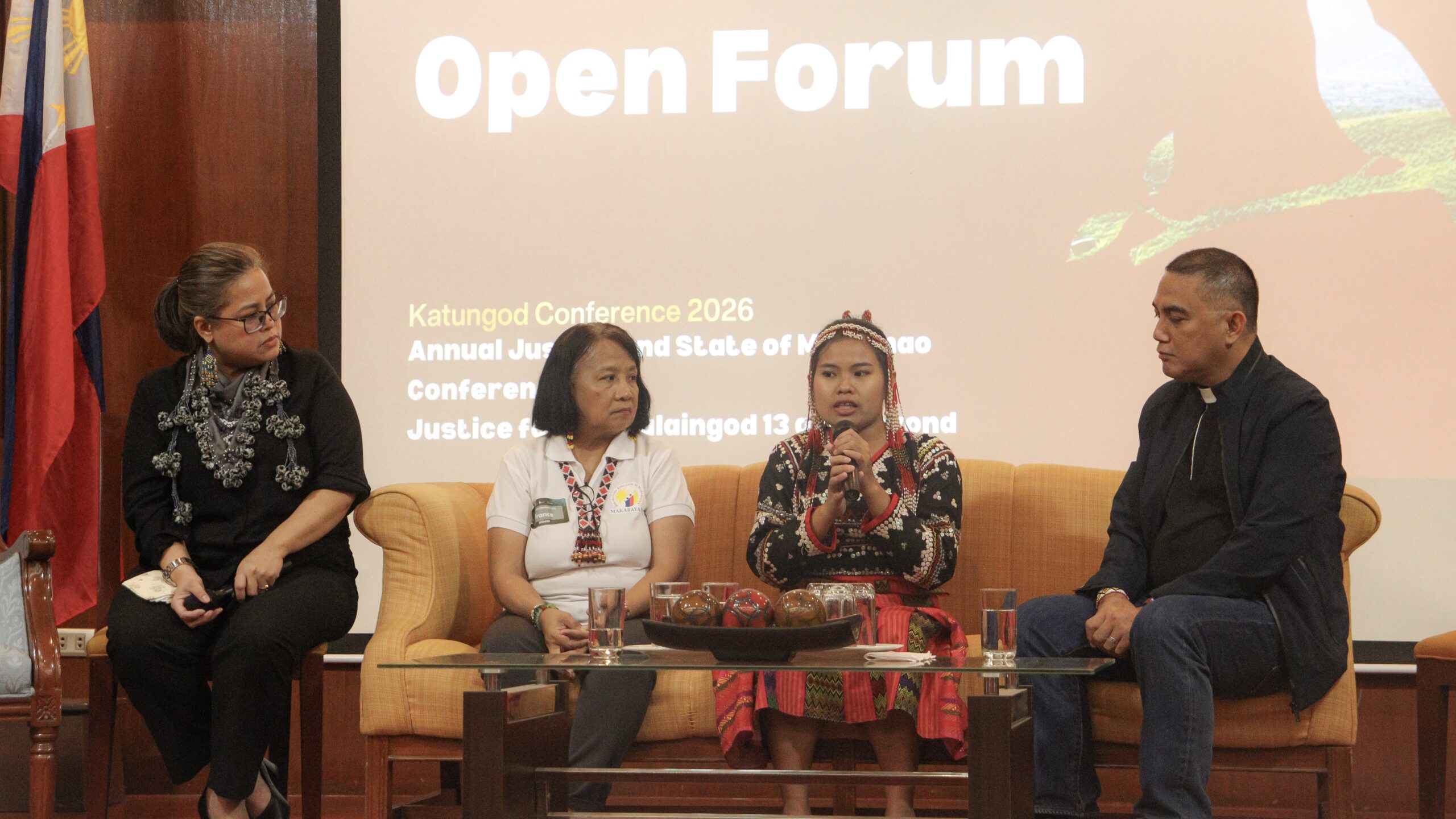
Atty. Carol Kay Paquera, Secretary-General of the Union of Peoples’ Lawyers in Mindanao and a member of the Talaingod 13 legal team, traced the case to the long struggle of the Talaingod Manobo to defend their ancestral domains and establish community-based schools. She emphasized that the prosecution cannot be separated from the broader context of school closures, displacement, militarization, and the criminalization of Indigenous education. For Paquera, the case carries implications not only for the thirteen accused but also for future generations of Indigenous learners and for those who respond when communities face danger.
“Education is not a crime. Care is not abuse. Teaching as a vocation must never be punished.”
Former ACT Teachers Party-list Representative France Castro, one of the Talaingod 13, reflected on the humanitarian mission that brought her to Talaingod in 2018. She reiterated that accompanying vulnerable children and communities during a time of crisis should never be treated as a criminal act. Her testimony underscored what many participants regarded as the central contradiction of the case: those who answered a humanitarian distress call now face criminal conviction for doing so.
“We answered a humanitarian call. That should never be treated as a crime.”
Perhaps the most powerful response came from Angelika Laguisan Moral, a B’laan youth leader and former Lumad school student who was among the children evacuated during the humanitarian mission. Speaking from her own lived experience, Angelika rejected the claim that she and her fellow students had been victimized by their teachers.
“If our teachers had left us in Talaingod that day, we don’t know whether we would have survived or made it back home alive to our parents.”
She explained that the students left Talaingod together with their teachers , whom their parents had entrusted with their care. Her testimony transformed the discussion from one in which Lumad children were spoken about into one in which they spoke for themselves.
Taken together, these accounts invited participants to look beyond the legal record and consider the lived realities behind the case. They reminded the gathering that the Talaingod 13 is not simply about thirteen accused persons or a single court decision. It is also about the experiences of Indigenous communities, the responsibilities of those who responded to a humanitarian crisis, and the right of Lumad children to tell their own stories in their own voices.
Law, Democracy, and the Shrinking of Civic Space
The conference also examined the wider implications of the Talaingod 13 case for Philippine democracy and the protection of civic space. Moving beyond the facts of the case, the discussions asked what it means for a democratic society when humanitarian action, Indigenous education, and solidarity become subjects of criminal prosecution.
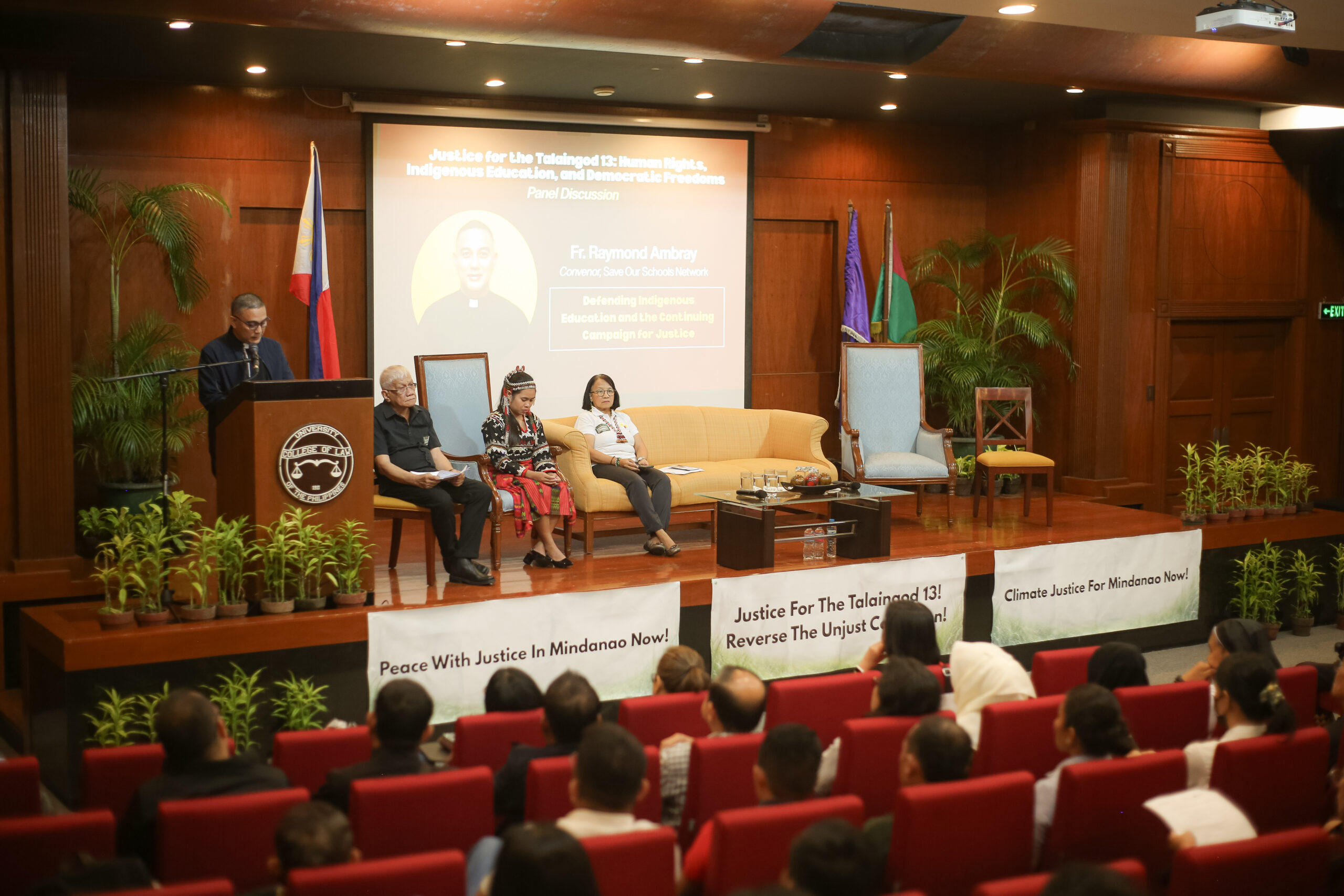
Drawing from political, legal, and theological perspectives, Prof. Walden Bello and Fr. Raymond Ambray, DCT, challenged participants to view the conviction not as an isolated legal dispute but as part of broader patterns affecting Indigenous communities, humanitarian workers, educators, church workers, journalists, environmental defenders, and human rights advocates across the country. Their reflections situated the Talaingod 13 case within larger questions about democracy, accountability, and the protection of civic freedoms.
“Lawfare and counterinsurgency are two faces of the same coin. They are practices that undermine the rule of law and the democratic process.”
Prof. Bello warned that the increasing use of legal processes alongside red-tagging, surveillance, and intimidation creates a chilling effect that extends far beyond individual cases. When humanitarian accompaniment and community organizing are treated with suspicion, teachers may hesitate to serve marginalized communities, humanitarian workers may think twice before responding during emergencies, and journalists, lawyers, and civil society organizations face growing risks simply for carrying out their work.
Fr. Raymond Ambray, DCT, meanwhile, reflected on Indigenous education as an expression of self-determination and on ancestral domains as sacred spaces that sustain culture, identity, and community life. He emphasized that the defense of Indigenous education cannot be separated from the defense of ancestral domains, where Indigenous communities continue to protect forests, watersheds, and biodiversity while confronting displacement, extractive industries, and land conversion. For Fr. Ambray, caring for people and caring for the land are inseparable commitments.
“Maghugawhugaw kita alang sa pakigdait.” (“Let us get our feet dirty for peace.”)
Calling for a solidarity rooted in action rather than symbolism, Fr. Ambray urged participants to accompany communities not only in moments of celebration but also in times of struggle, sharing their time, skills, resources, risks, and responsibilities. His challenge echoed one of the conference’s recurring themes: justice requires presence, courage, and a willingness to stand with those whose rights and dignity remain under threat.
Taken together, the presentations of Bello and Ambray reinforced a central message of the conference: the Talaingod 13 case is no longer simply about thirteen individuals. It has become a test of the country’s commitment to democratic freedoms, Indigenous self-determination, humanitarian action, and the civic space necessary for communities and their allies to work for justice.
A People’s Declaration for Justice
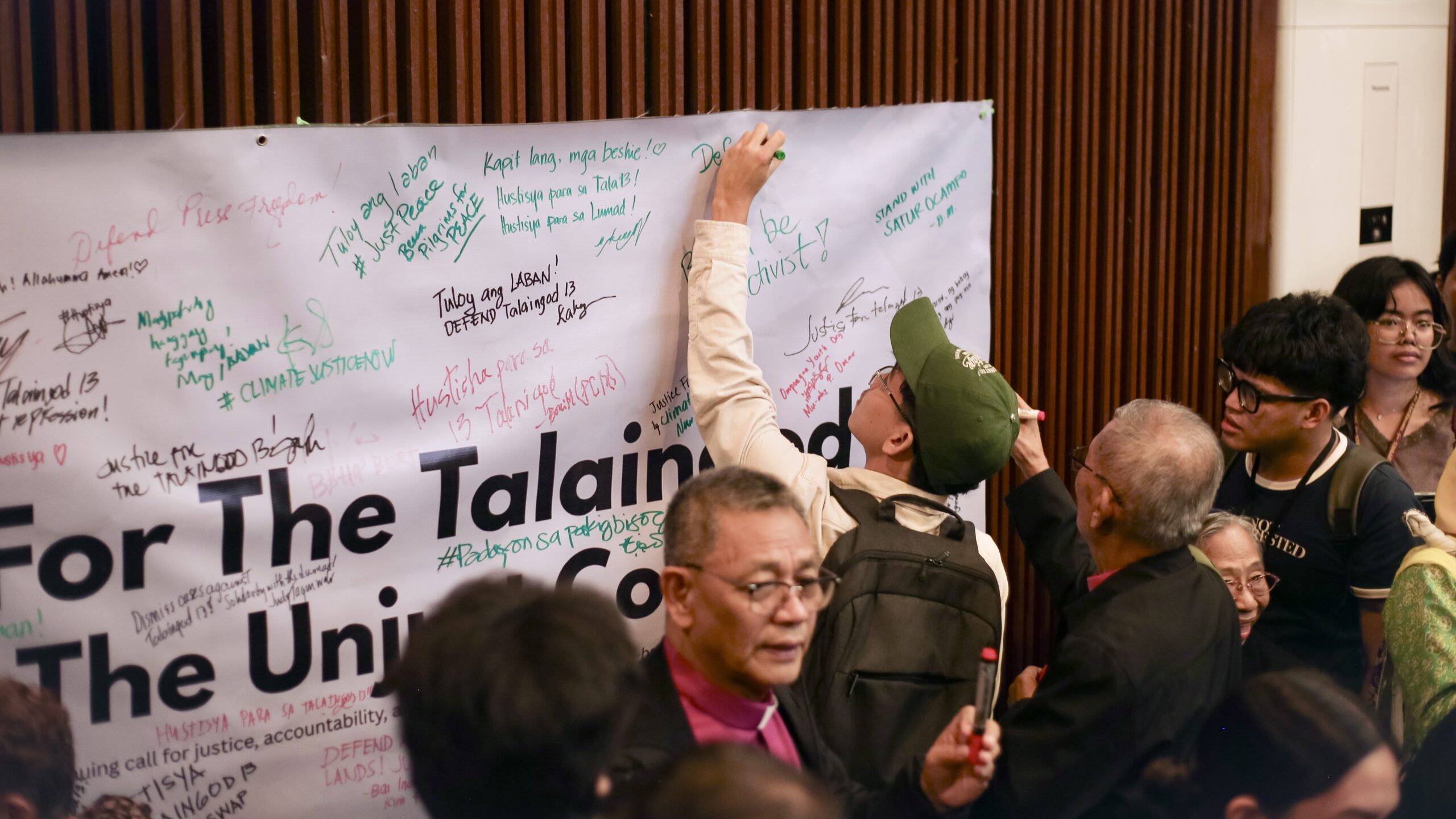
The morning session culminated in the adoption of the KATUNGOD Conference 2026 People’s Declaration, a collective statement endorsed by participants from Indigenous and Bangsamoro communities, churches, schools, universities, civil society organizations, legal and human rights institutions, media organizations, and solidarity networks from across Mindanao, the Philippines, and the international community.
The declaration affirmed that the conviction of the Talaingod 13 extends far beyond the fate of thirteen individuals. It described the case as a defining struggle over Indigenous education, humanitarian action, Indigenous self-determination, democratic freedoms, civic space, and environmental stewardship.
Echoing a theme that had resonated throughout the morning, the declaration stated:
“Those who accompanied displaced children became the accused, while those responsible for abuses remain beyond accountability.”
It likewise challenged the continuing contradiction faced by Indigenous Peoples across the country: “They are welcomed when decorative, but criminalized when self-determining.”
The declaration concluded with five collective demands:
- the immediate reversal of the unjust conviction of the Talaingod 13;
- the protection of Indigenous education, Indigenous self-determination, ancestral domains, and the collective rights of Indigenous Peoples;
- an end to red-tagging, political persecution, and the criminalization of humanitarian workers, educators, church workers, journalists, environmental defenders, peace advocates, and human rights defenders;
- accountability for violence, displacement, intimidation, and human rights violations committed against Lumad communities; and
- the protection of democratic freedoms, civic space, peacebuilding, and climate justice.
Read before the assembly by Prof. Aslainee Macatanong of the PANAAD Network – Pilgrims for the Earth and People, the People’s Declaration gave collective voice to the conference’s shared commitments, concluding the morning session with a renewed call to reverse the unjust conviction of the Talaingod 13 and to continue defending Indigenous rights, democratic freedoms, and humanitarian action.
Looking Ahead
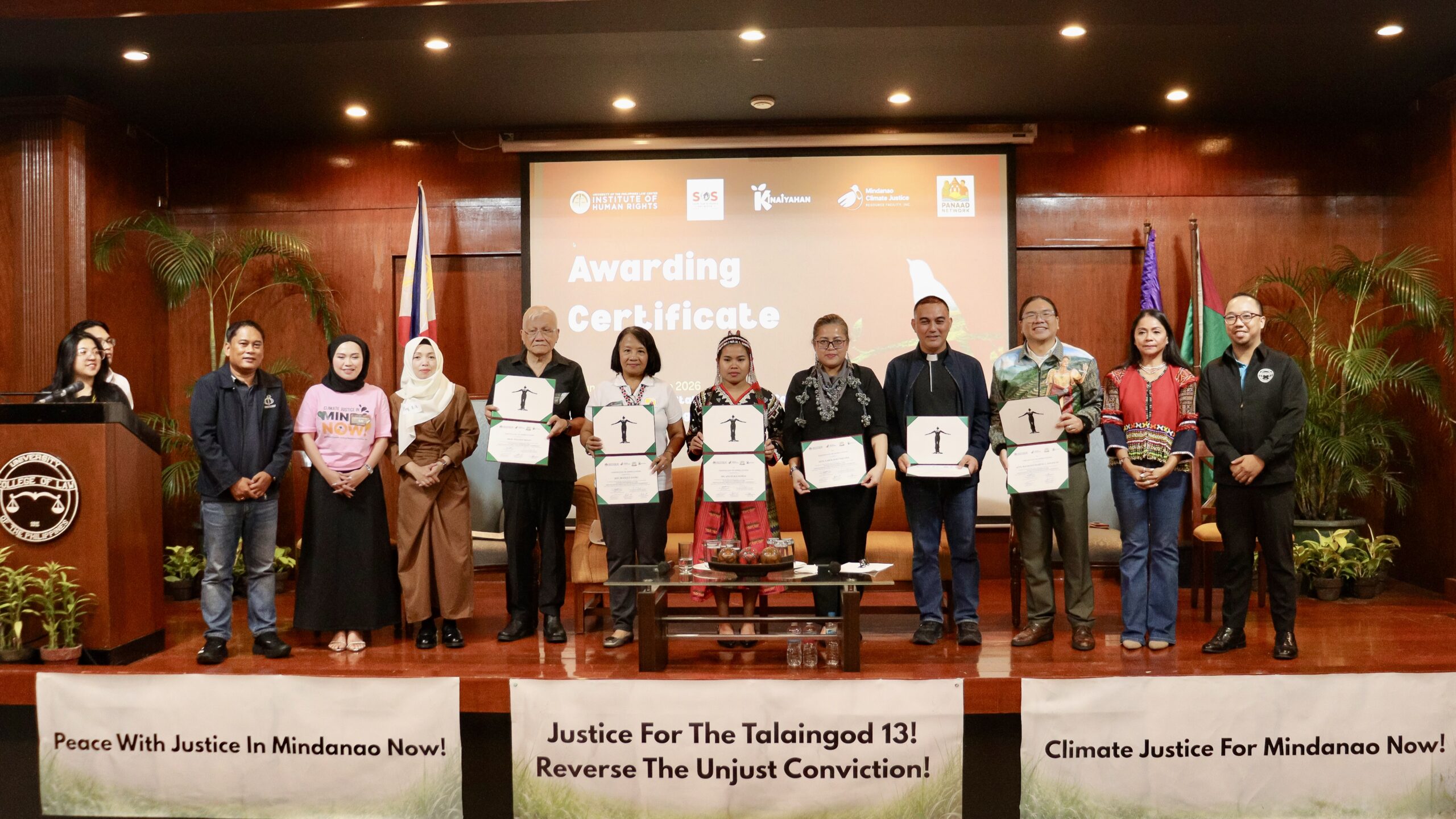
The morning closed with several expressions of solidarity that reflected the conference’s spirit of accompaniment. Following the adoption of the People’s Declaration, certificates of appreciation were presented to the conference’s speakers and partner organizations in recognition of their contributions.
Participants also received a solidarity message from Hannah Morillo recognizing MCJ’s continuing work alongside Indigenous communities and human rights defenders. The session concluded with a stirring musical performance by MCJ Board Member Bayang Barrios, reminding participants that the pursuit of justice is sustained not only through legal advocacy, but also through culture, memory, and collective action.
The discussions demonstrated that the Talaingod 13 case has become more than a legal controversy. For the diverse communities represented at KATUNGOD Conference 2026, it has come to symbolize enduring questions about whose voices are heard, whose rights are protected, and whose futures are valued in Philippine democracy.
The morning also laid the foundation for the conference’s afternoon session, which broadened the discussion from the Talaingod 13 to the wider state of Mindanao. Participants turned their attention to the interconnected challenges confronting the island—including peacebuilding, governance, human rights, climate justice, environmental protection, and the continuing pursuit of a just and inclusive future.
As participants moved into the afternoon Mindanao Forum, they carried forward a shared conviction that justice for the Talaingod 13 cannot be separated from justice for Mindanao. The humanitarian mission that gave rise to the case continues to illuminate broader questions of Indigenous rights, democratic participation, environmental stewardship, and the protection of civic space. More than a commemoration of a court decision, the morning session affirmed that the pursuit of justice is inseparable from the collective work of building a peaceful, democratic, and inclusive Mindanao.
This article covers the morning session of KATUNGOD Conference 2026. Part 2 continues with the afternoon Mindanao Forum, where participants expanded the conversation from the Talaingod 13 to the wider political, environmental, and human rights realities confronting Mindanao today.