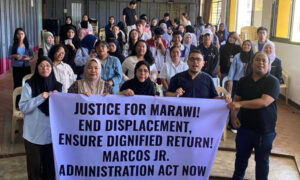
Duyog Alang sa Katawhan: Communities Unite in Solidarity for Lumad and Farming Families in Bukidnon
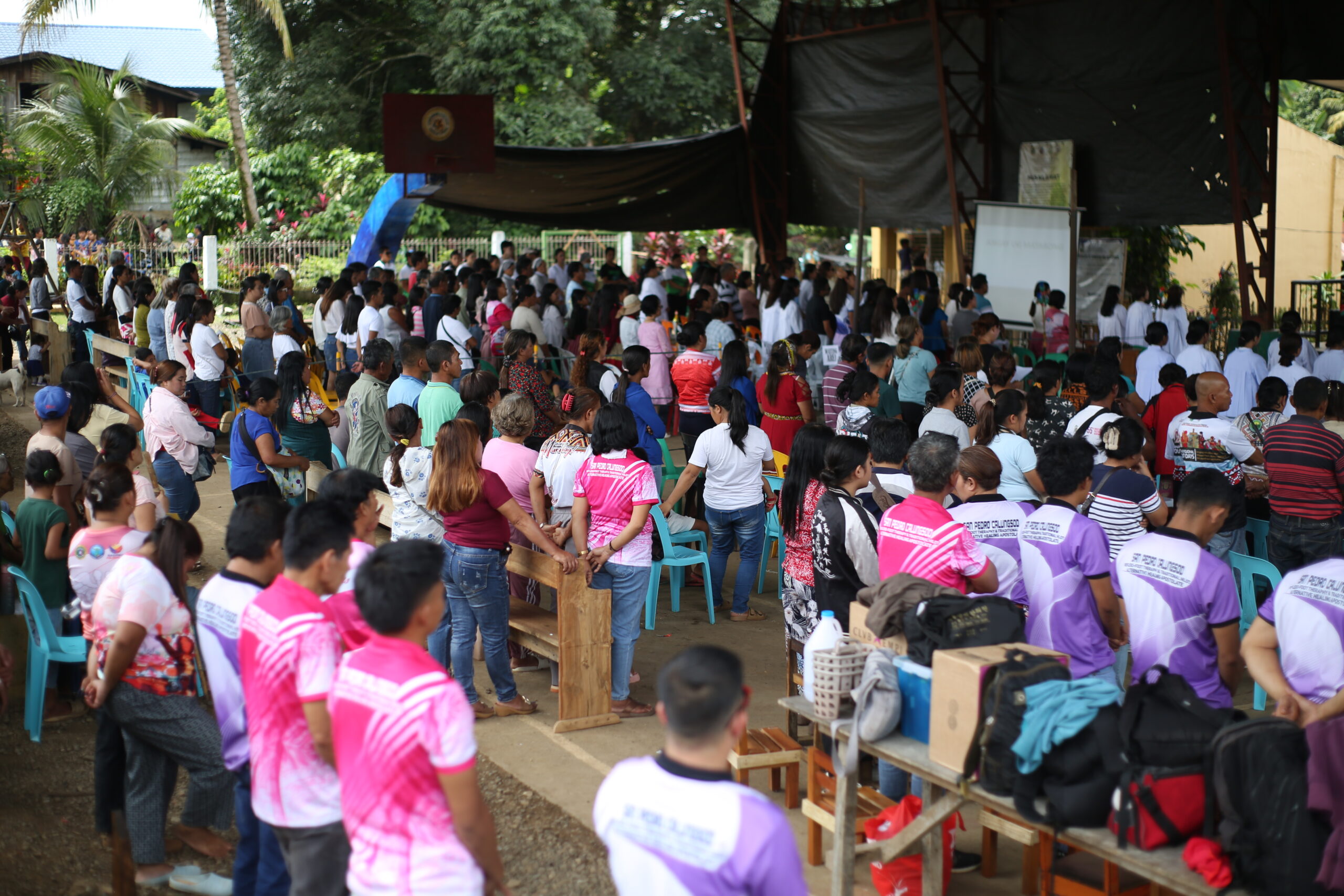
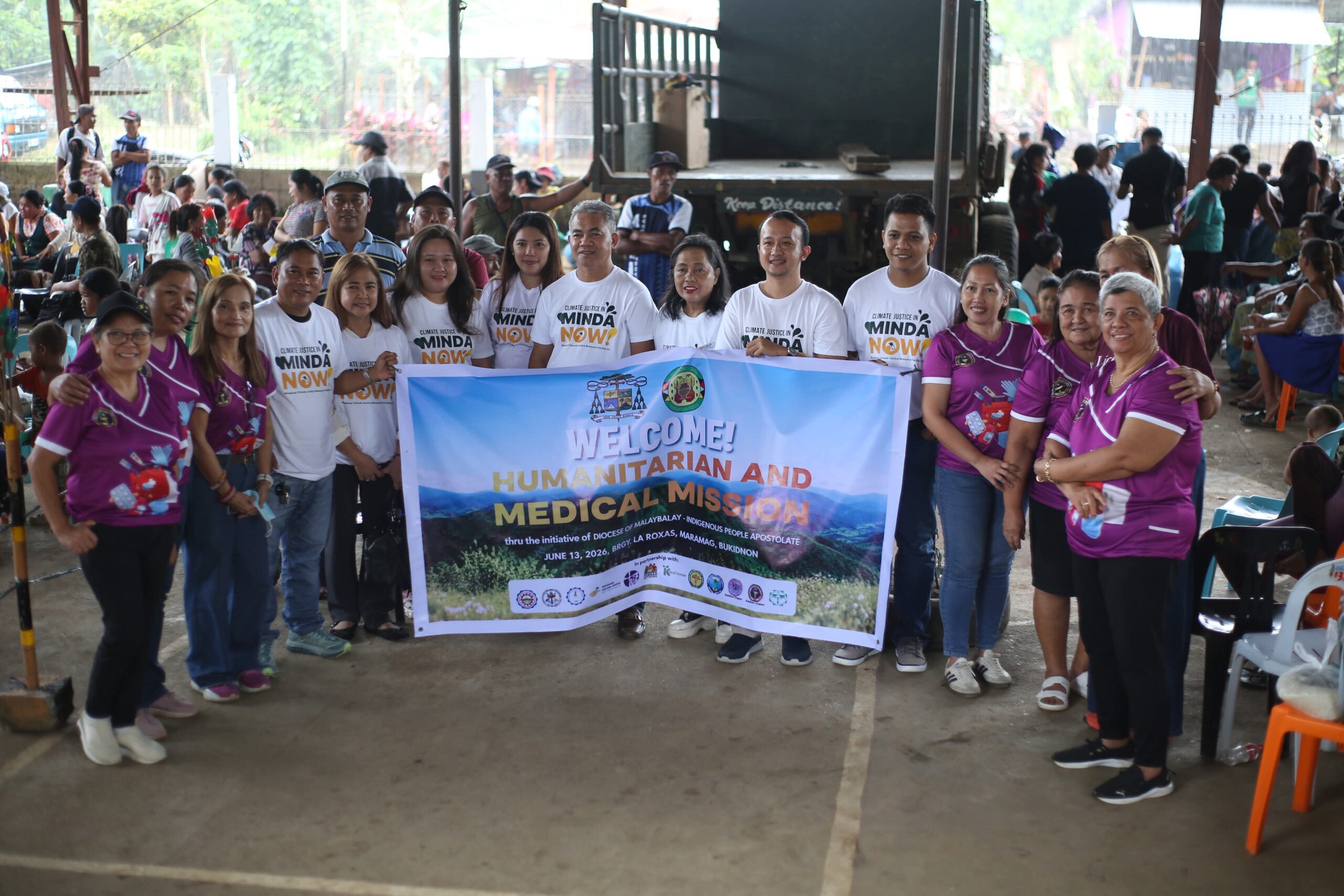
MARAMAG, Bukidnon — More than 1,000 participants, predominantly Lumad community members, farmers, farm workers, women, children, and rural families, gathered in Barangay La Roxas, Maramag, Bukidnon on June 13, 2026 for the Duyog Alang sa Katawhan Humanitarian and Medical Mission. Led by the Diocese of Malaybalay, in partnership with Mindanao Climate Justice (MCJ), the Kinaiyahan Youth Organization, the PANAAD Network, and the Indigenous Peoples Apostolate of the Diocese of Malaybalay (IPA), the mission brought together healthcare professionals, church workers, Indigenous leaders, barangay officials, youth volunteers, partners, and civil society organizations in a broad expression of solidarity and collective action.
Held during Environmental Month, the mission underscored a fundamental reality: the wellbeing of communities and the wellbeing of ecosystems are deeply interconnected. Bukidnon remains one of the country’s major food-producing provinces and serves as an ecological heartland of Mindanao. Its forests, watersheds, rivers, and agricultural lands sustain millions of people across the island. Home to critical watersheds and river systems that support nearly one-third of Mindanao’s population, Bukidnon plays a vital role in food security, water security, and environmental stability. Yet many of the Indigenous Peoples, farmers, and farm workers who help feed Mindanao and protect its natural resources continue to face poverty, food insecurity, land insecurity, limited access to healthcare, and increasing climate-related pressures.
Among those most affected are Lumad communities, including the Manobo and Talaandig peoples, who have long served as stewards of ancestral domains, forests, watersheds, and traditional knowledge systems. Alongside farm workers and small farmers, they continue to confront the combined impacts of economic hardship, environmental degradation, unequal access to services, and climate vulnerability. Bukidnon helps feed Mindanao, yet many of the communities who cultivate the land and care for its ecosystems continue to struggle to meet their basic needs. These realities formed the backdrop of the humanitarian mission and underscored the urgent need for both immediate assistance and sustained accompaniment.
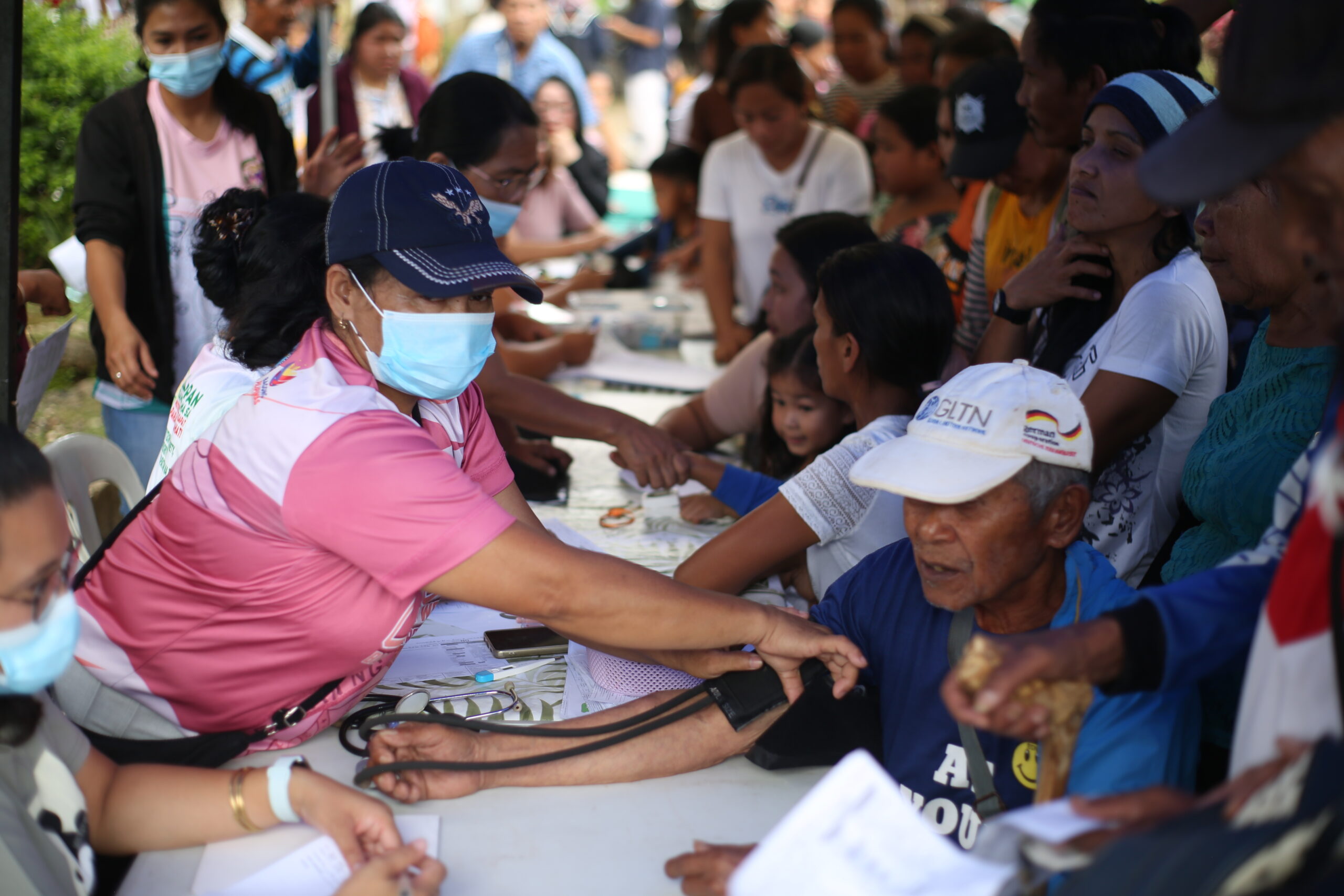
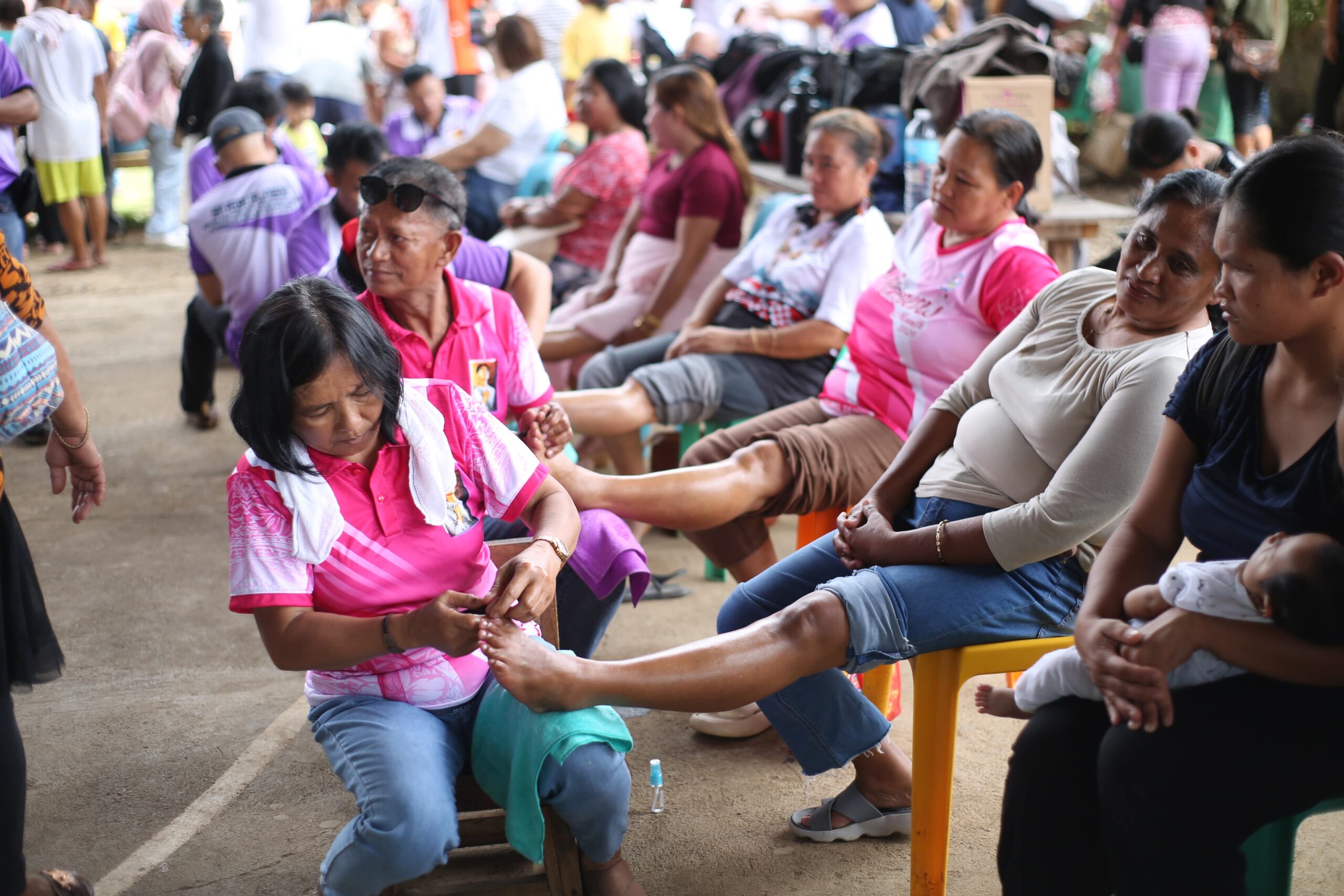
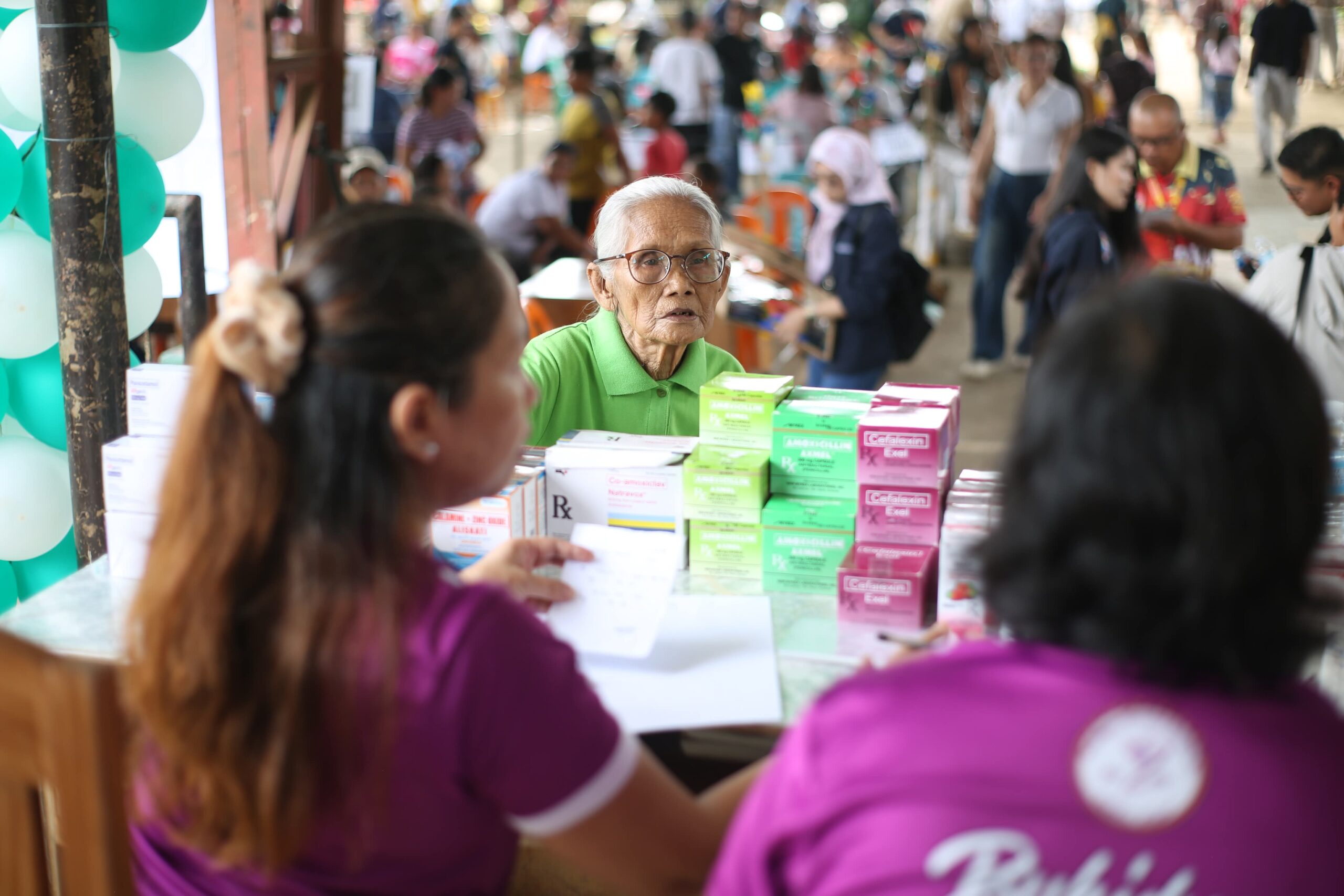
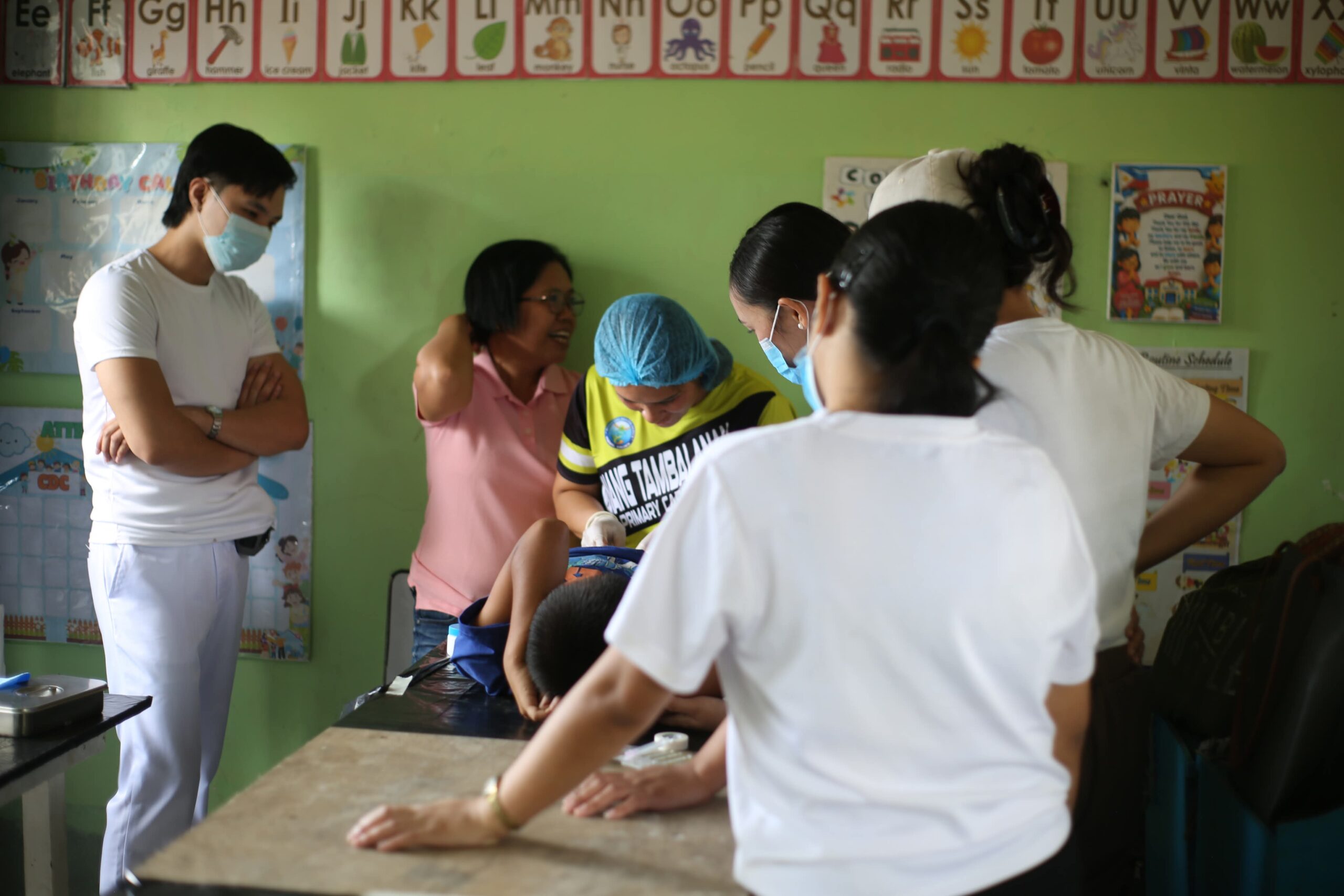
Throughout the day, community members accessed a wide range of services aimed at responding to urgent needs while strengthening community wellbeing and resilience. The mission mobilized 14 volunteer resource persons, including 7 doctors, 1 psychiatrist, and 1 psychologist, who provided medical consultations, health screenings, psychosocial support, wellness services, and health education. Medicines were distributed following consultations, while psychosocial and therapeutic activities created opportunities for healing, reflection, and collective care. These services addressed needs that often remain unmet in geographically isolated and underserved communities.
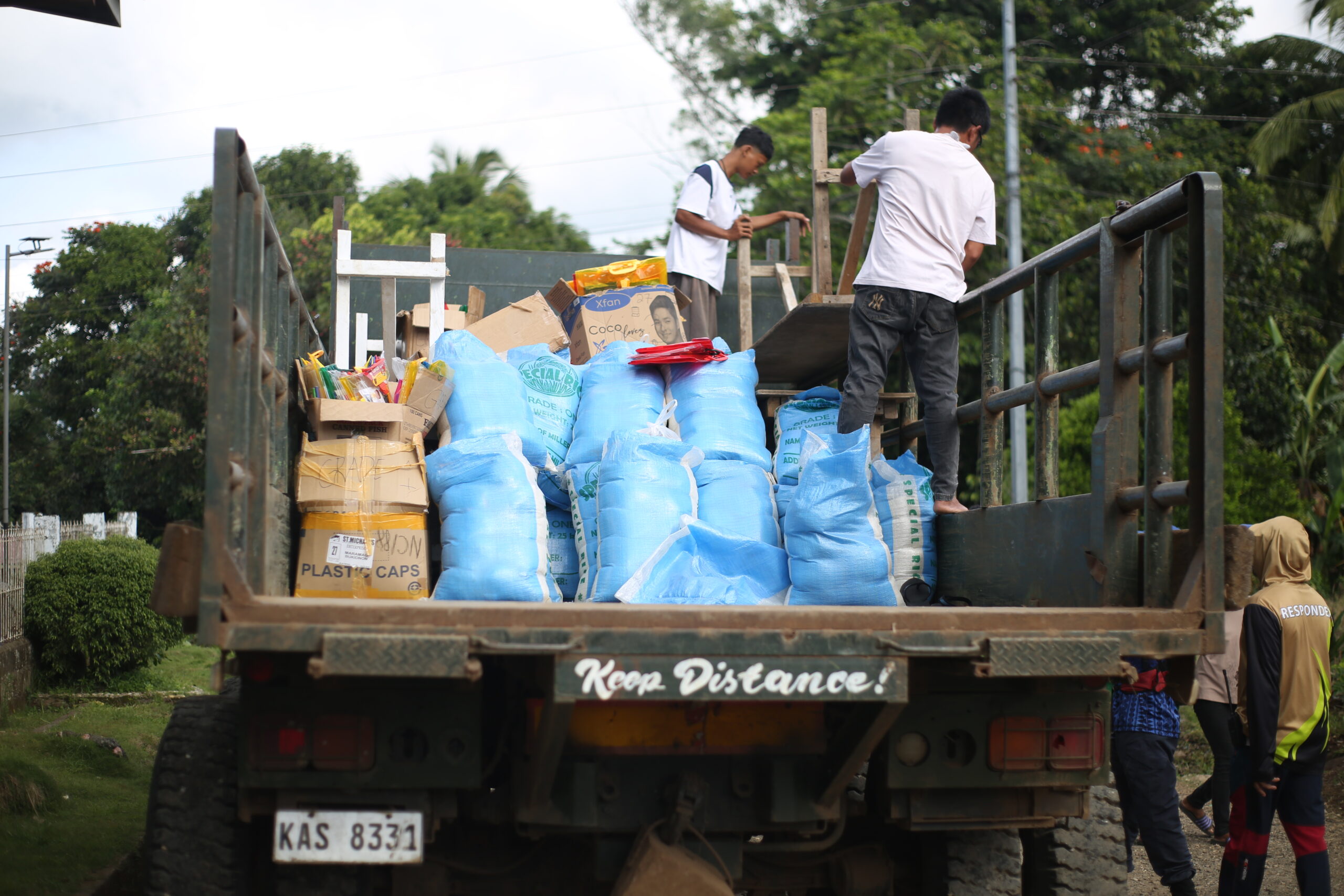
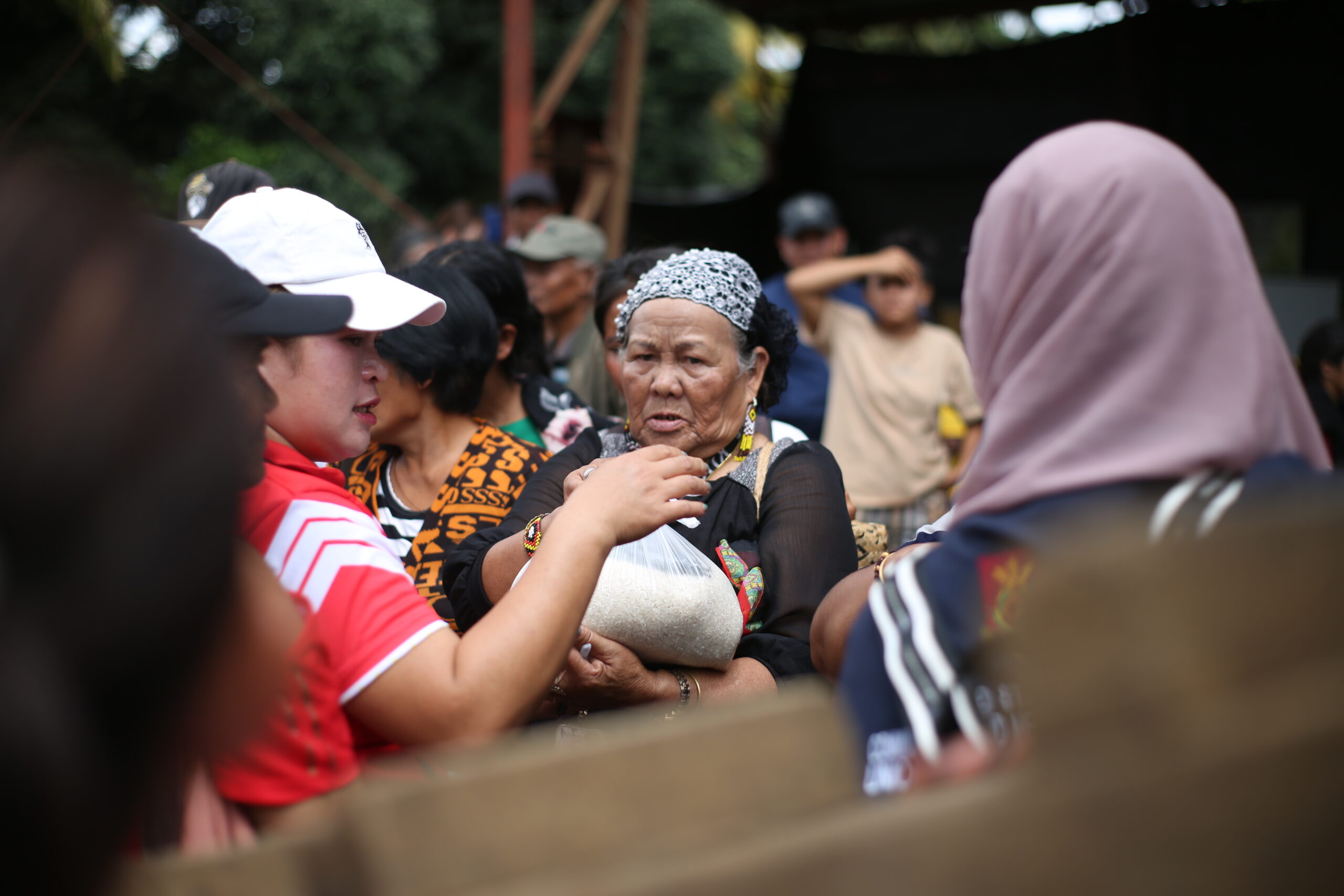
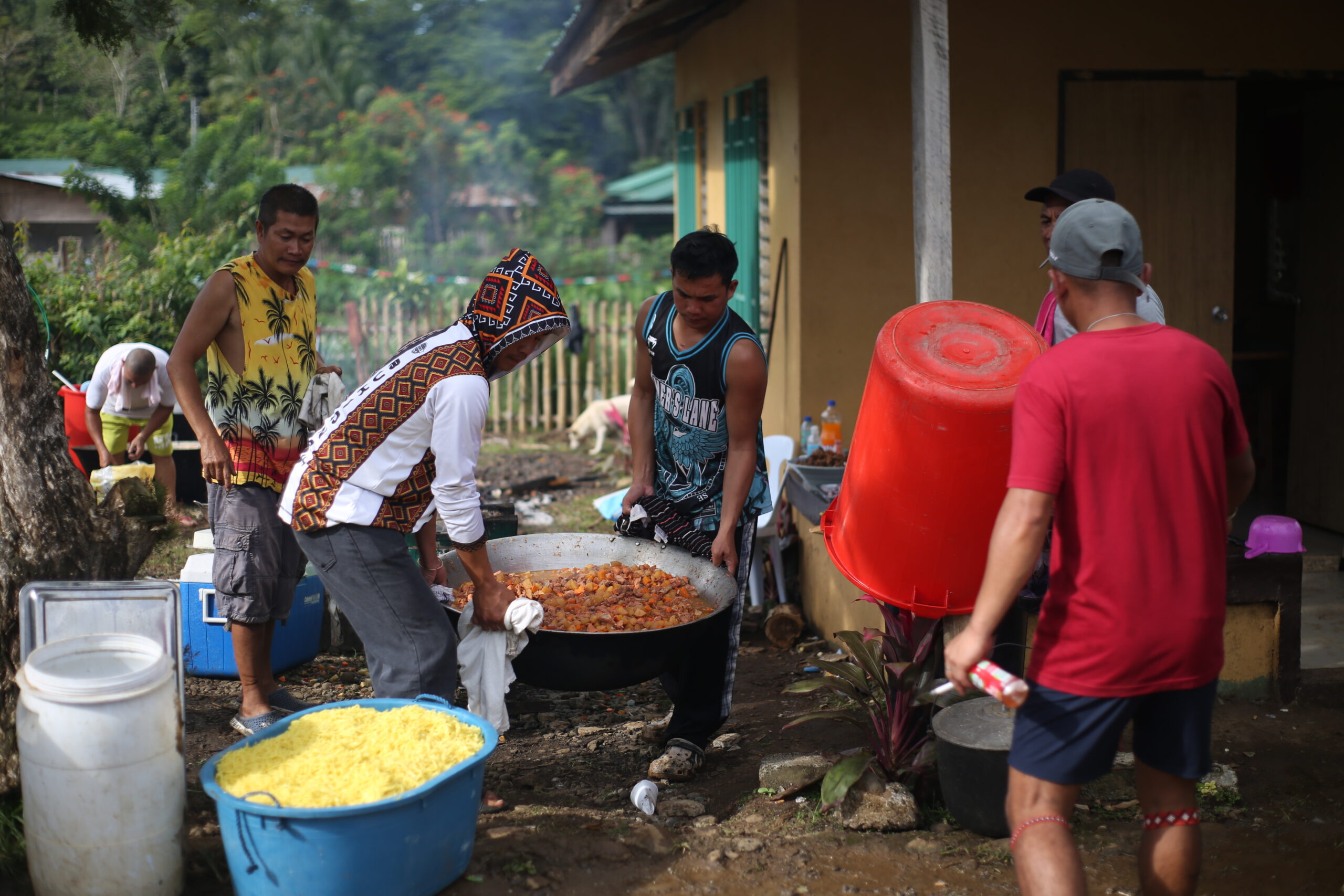
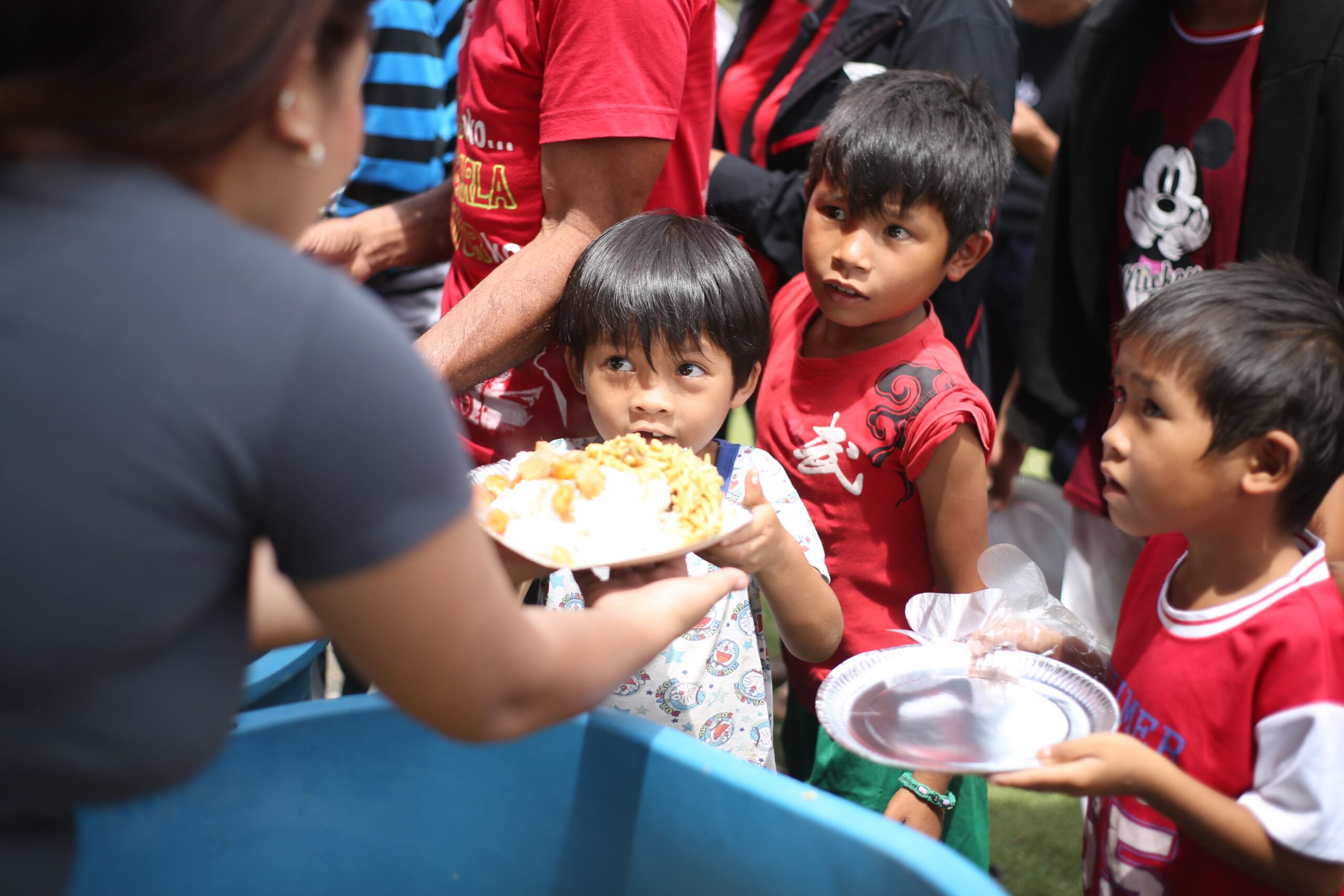
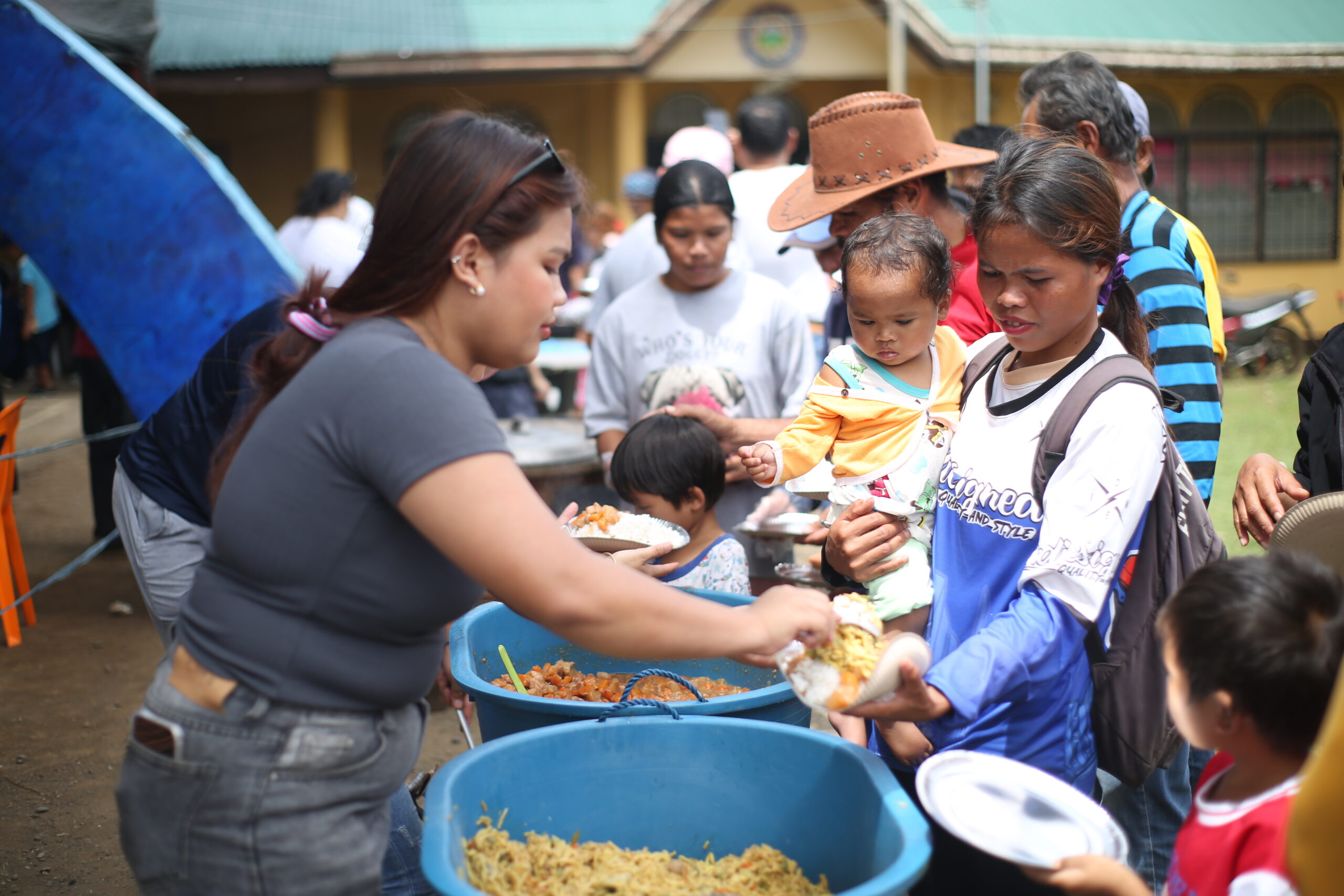
The mission also responded to immediate food security concerns through the distribution of 848 food packs containing rice and dried fish (bulad) to participating families, elders, and vulnerable households. A community kitchen operated throughout the day, providing meals for participants, volunteers, and children. More than a logistical component, the community kitchen became a living expression of bayanihan, where volunteers, residents, church workers, youth, and community leaders worked side by side in preparing and serving food. It reflected the belief that communities become stronger when people care for one another and share responsibility for the common good.
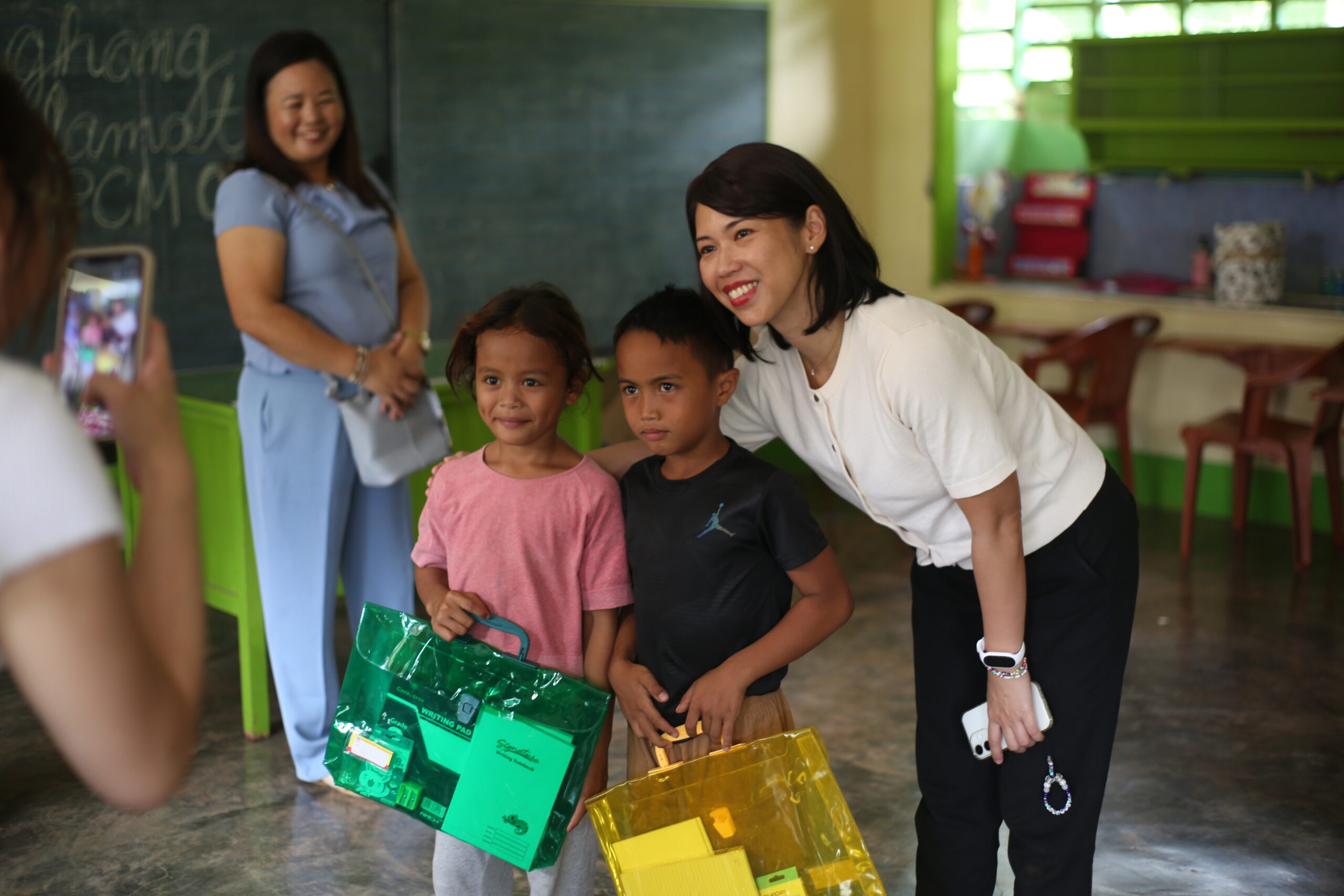
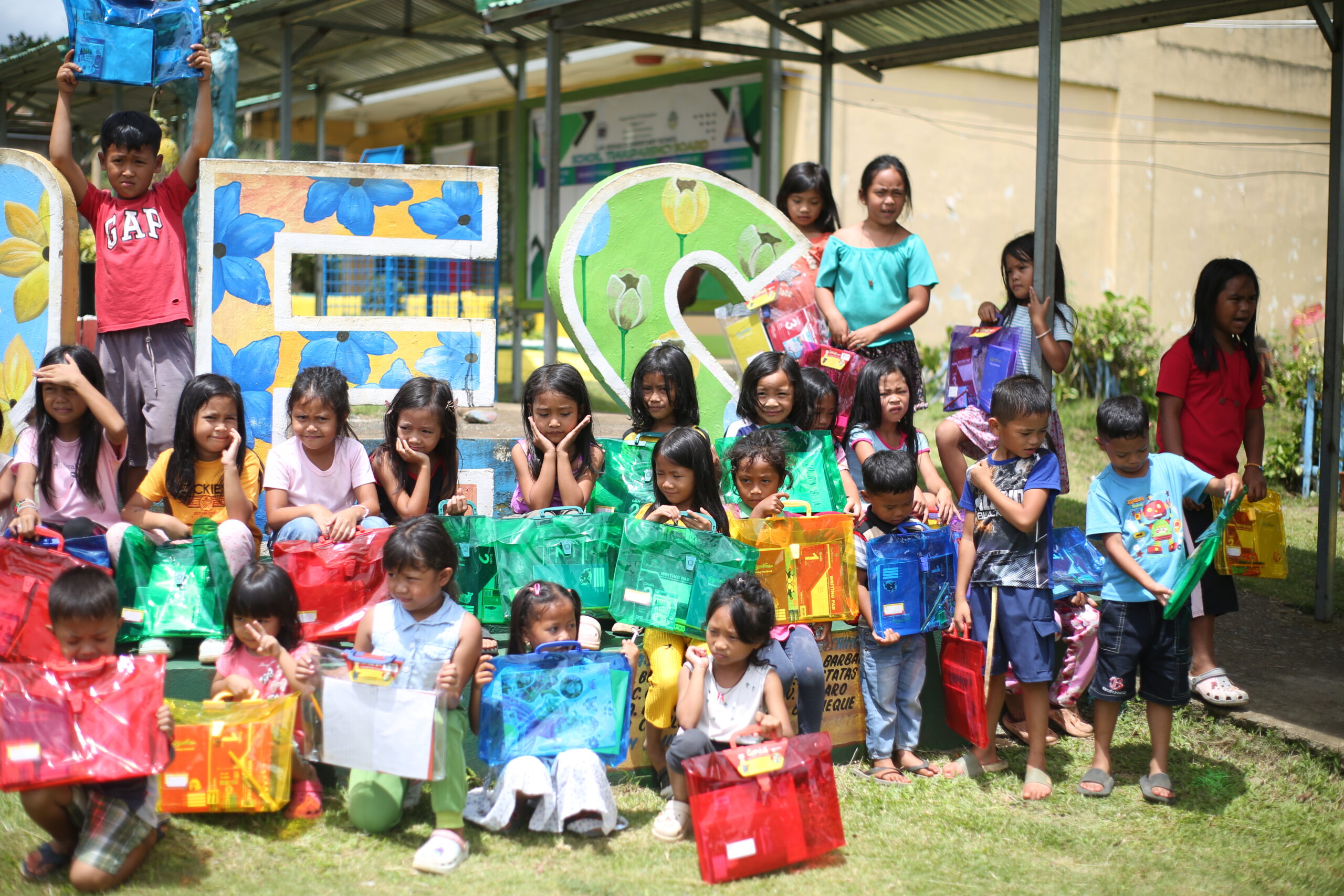
Recognizing the importance of education, particularly for communities facing economic hardship, the mission also implemented the Duyog Kaalam (Accompanying Education) Initiative, which distributed 212 school supply kits to children from Lumad and farming communities in preparation for the opening of classes. For many families, the school supplies represented more than notebooks, pencils, and learning materials—they were expressions of encouragement, hope, and solidarity. Children proudly carried their school kits home as they prepared to begin a new school year, while parents expressed gratitude for support that would help ease the burden of educational expenses. Supporting children’s education is also an investment in the future of communities that continue to protect forests, watersheds, farms, and ancestral domains across Mindanao.
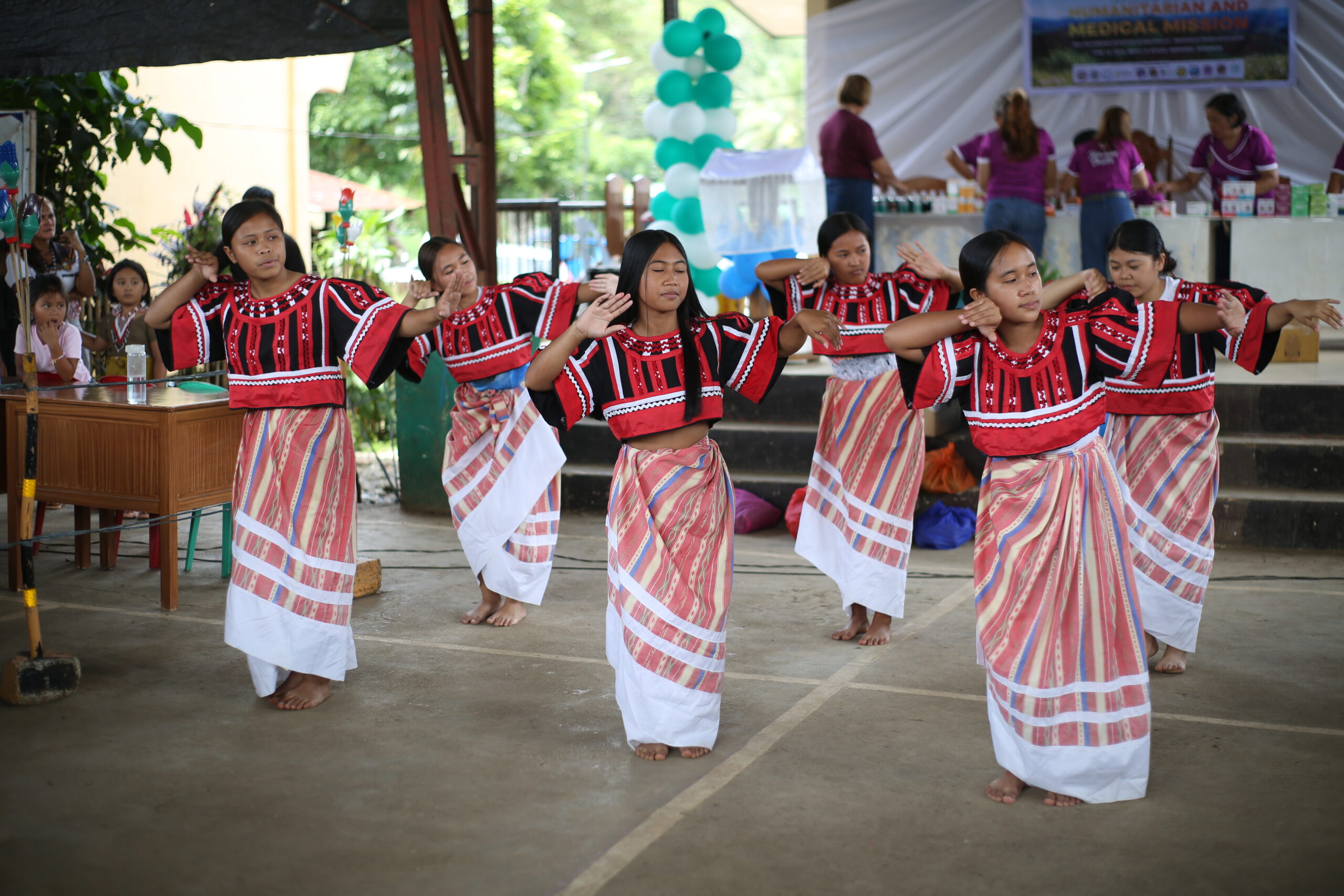
The mission likewise celebrated the strength, culture, and resilience of Indigenous communities. Cultural performances by Lumad youth highlighted the richness of Indigenous heritage and affirmed the continuing role of Indigenous Peoples in protecting ancestral lands, preserving traditional knowledge, and strengthening community identity. These moments served as important reminders that humanitarian action is not only about responding to material needs but also about affirming dignity, culture, memory, and aspirations for future generations.
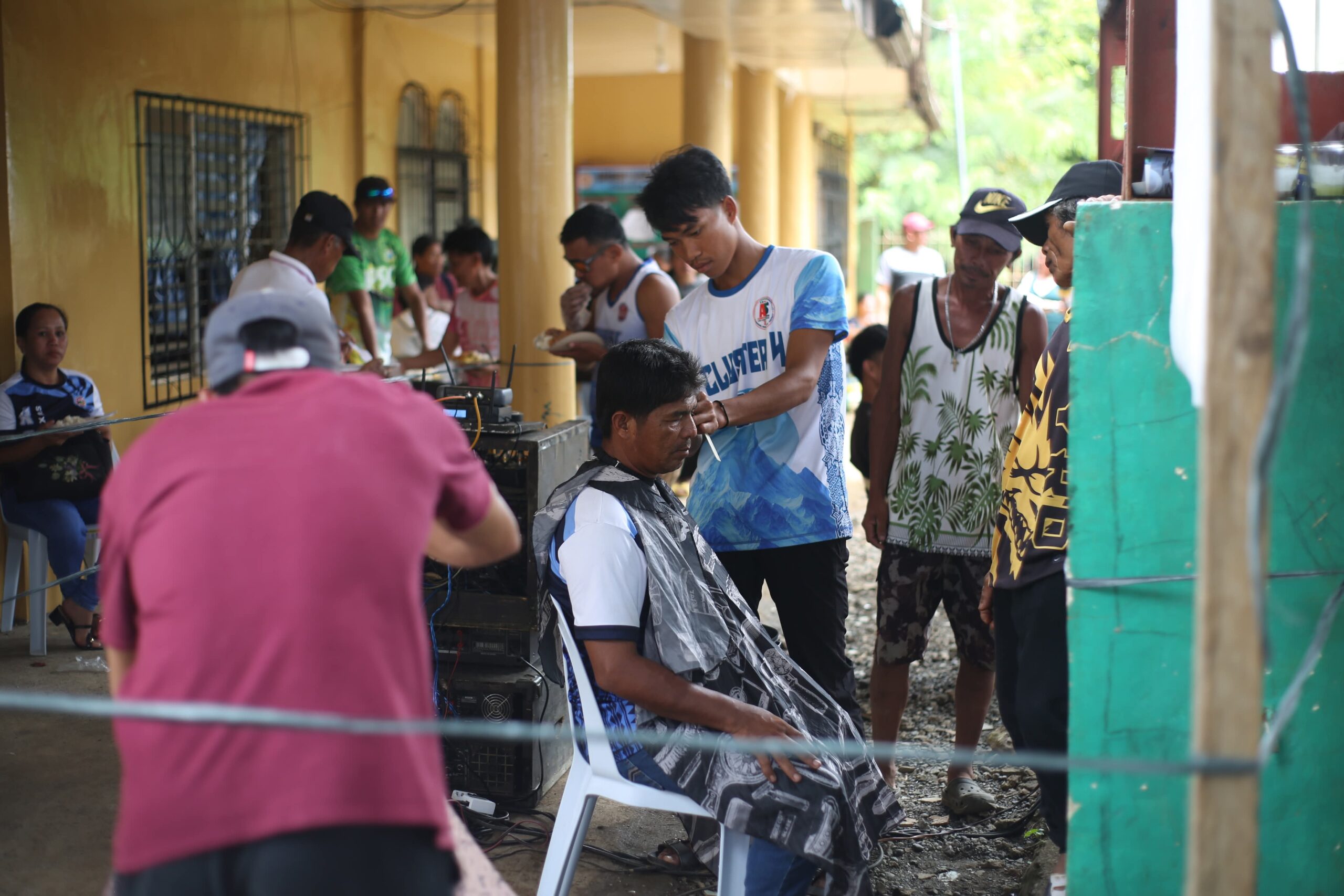
A defining feature of the mission was the active participation of the community itself. Barangay officials played a vital role in mobilizing residents, coordinating local support, and helping ensure the smooth implementation of activities. Community members, Indigenous leaders, volunteers, healthcare workers, church personnel, youth organizations, and partner institutions all contributed their time, labor, and expertise throughout the day. Rather than being passive recipients of assistance, community members actively participated in organizing activities, preparing meals, welcoming participants, sharing their culture, and helping make the mission a success. The mission demonstrated that the most effective humanitarian responses are those built with communities rather than merely delivered to them.
The success of the mission was made possible through the generosity, commitment, and cooperation of many individuals and institutions. The Diocese of Malaybalay provided leadership and pastoral accompaniment, while healthcare professionals, psychosocial practitioners, volunteers, barangay officials, Indigenous leaders, IPAS workers, youth organizations, donors, and community members contributed their time, skills, labor, and resources. The mission also benefited from the support of partners and donors whose contributions helped provide food assistance, medicines, school supplies, and logistical support. Their collective efforts demonstrated the power of solidarity in action and the importance of working together in responding to the needs of communities.
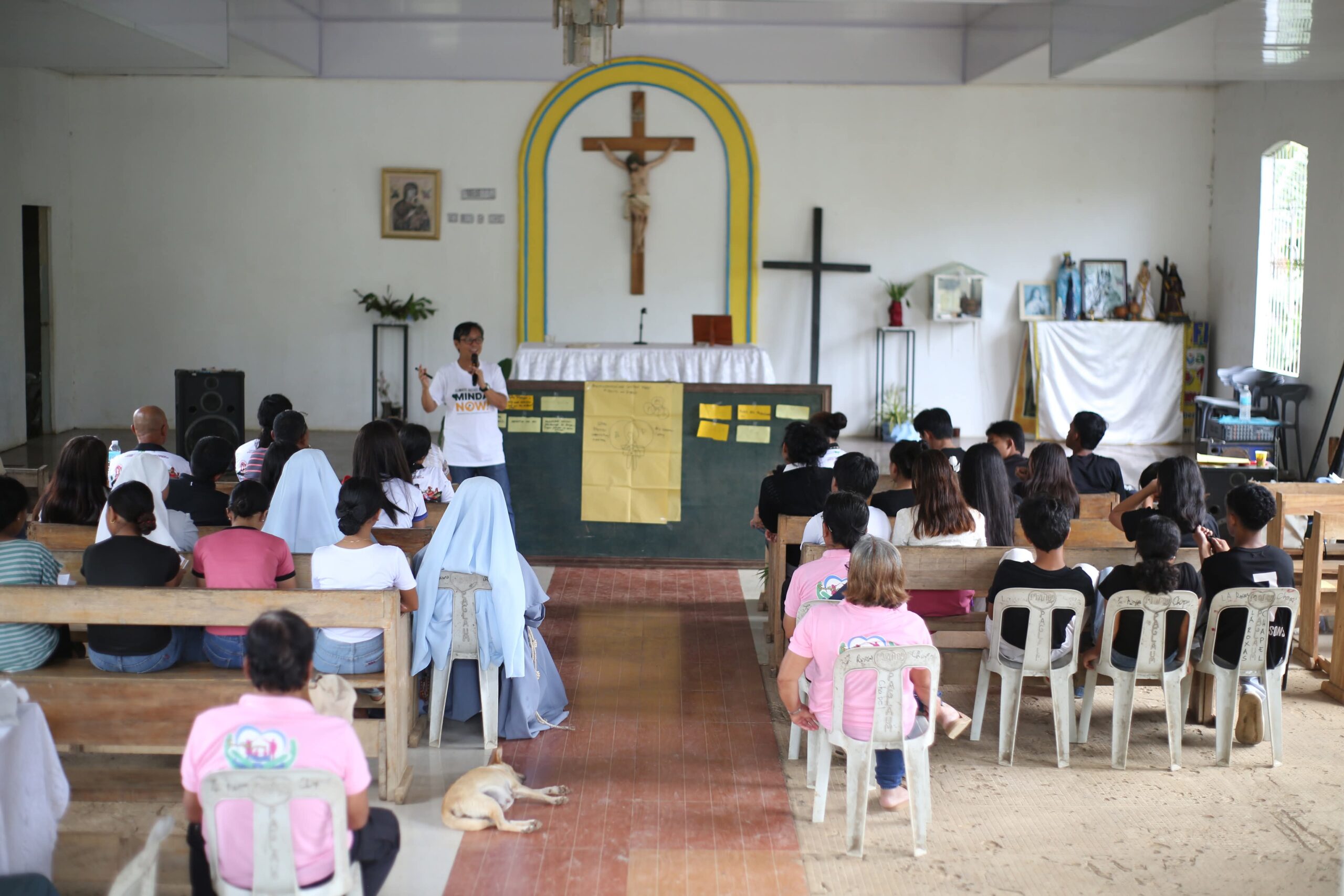
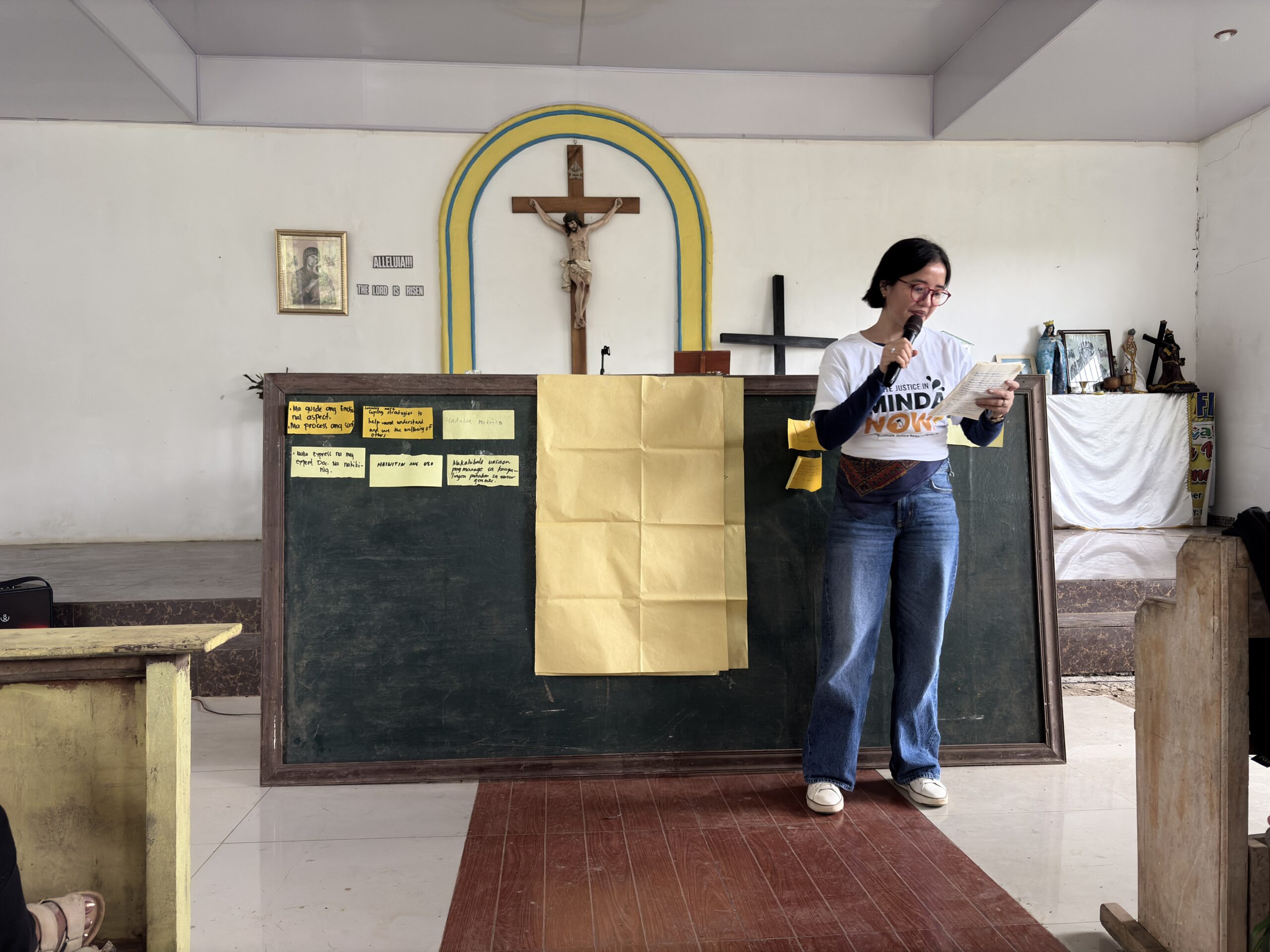
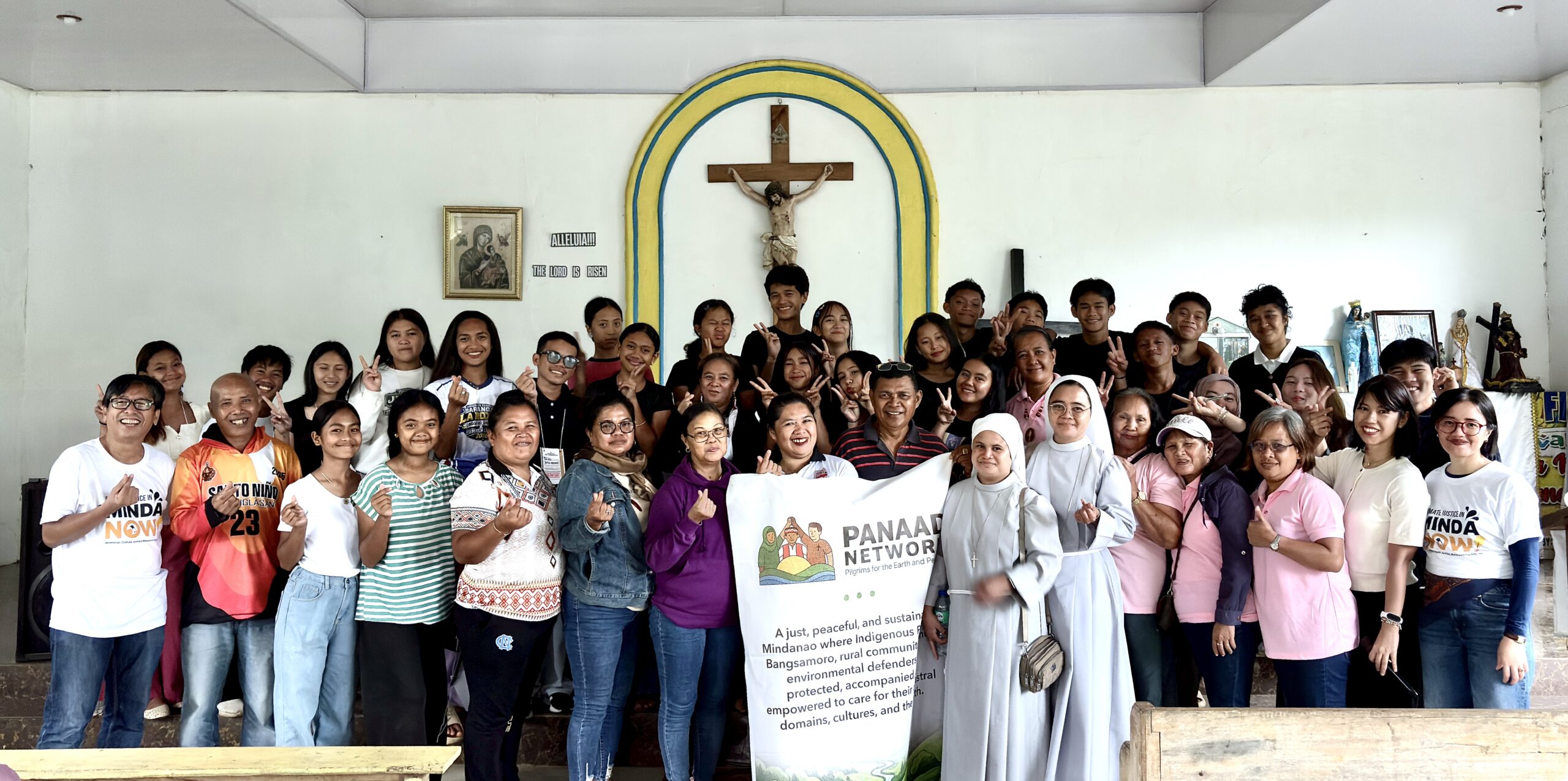
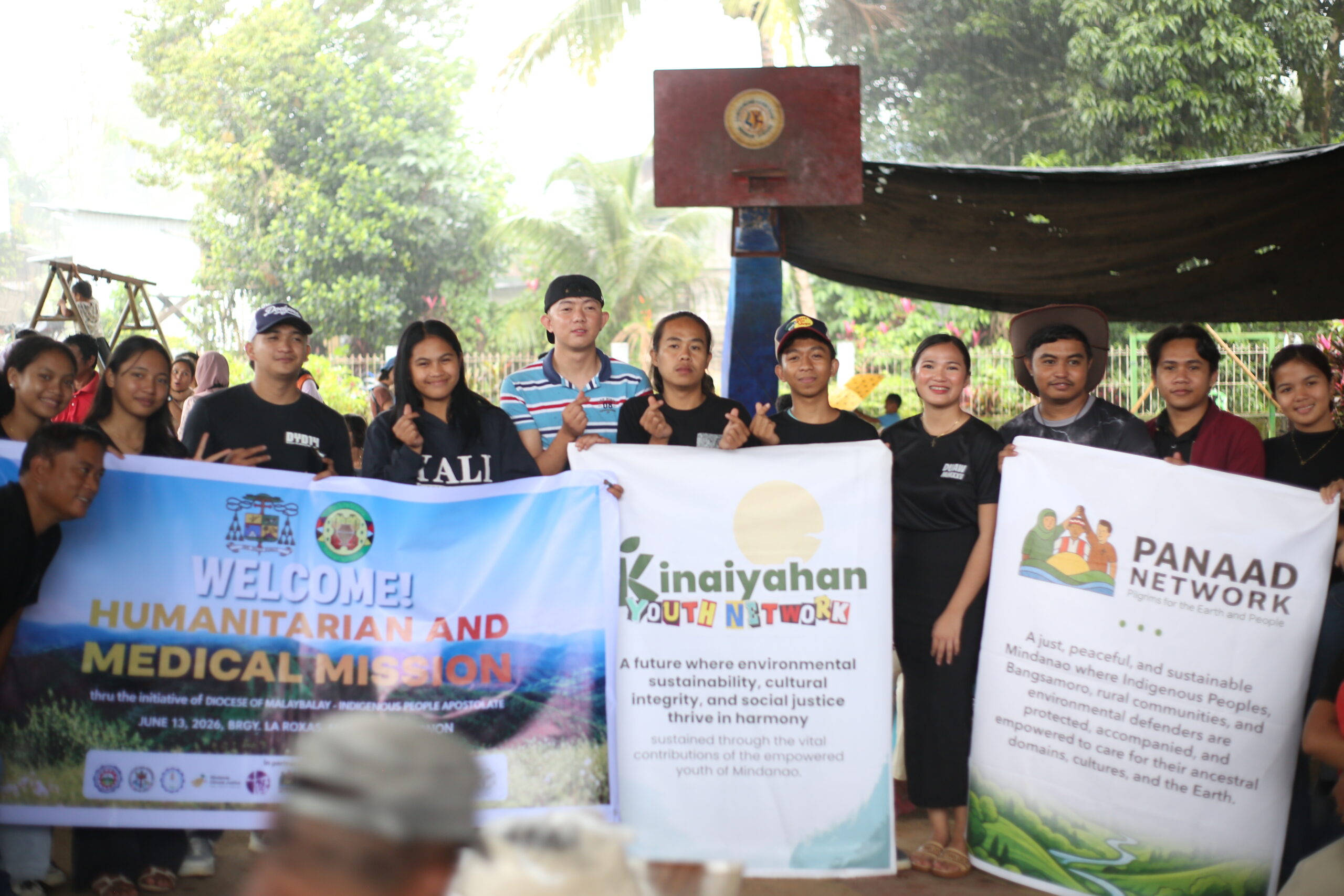
The photographs that follow capture these moments of service, participation, culture, and solidarity. They document not only the assistance provided but also the relationships, cooperation, and collective effort that made the mission possible. Together, they tell the story of a broad community response that brought together diverse sectors in a shared commitment to serve the people.
More than a one-day humanitarian activity, the Duyog Alang sa Katawhan Humanitarian and Medical Mission demonstrated that meaningful responses to poverty, inequality, environmental degradation, and climate vulnerability are strongest when rooted in solidarity, participation, and accompaniment. In Bukidnon, communities, church institutions, healthcare professionals, barangay leaders, Indigenous Peoples, youth, donors, and civil society partners showed that when people come together in service of the common good, hope becomes a collective endeavor and resilience becomes a shared responsibility.

Beyond a One-Day Mission
The Duyog Alang sa Katawhan Humanitarian and Medical Mission demonstrated that the most meaningful responses to poverty, food insecurity, limited access to healthcare, and climate-related challenges are built not only through services and assistance, but through solidarity, participation, and accompaniment. While the mission provided medical care, psychosocial support, food assistance, and educational support, its greatest strength was the people who came together to make it possible.
The Diocese of Malaybalay, together with MCJ, IPAS, the Kinaiyahan Youth Organization, the PANAAD Network, healthcare professionals, volunteers, donors, barangay officials, Indigenous leaders, and community partners, extends its deepest gratitude to everyone who contributed their time, skills, resources, and labor. Equally important was the active participation of the Lumad and farming communities themselves, whose leadership, cooperation, hospitality, and collective effort transformed the mission into a genuine community endeavor. From organizing activities and preparing meals to sharing culture and welcoming participants, community members were not merely recipients of assistance but active partners in building solutions and strengthening collective resilience.
Beyond the numbers—more than 1,000 participants, 848 food packs distributed, 212 school supply kits provided, and healthcare and psychosocial services delivered by 14 volunteer resource persons—the mission revealed the enduring strength of communities that continue to care for one another despite difficult circumstances. It showed the power of a broad coalition of church institutions, Indigenous Peoples, farmers, youth, healthcare workers, local government representatives, civil society organizations, and ordinary citizens working together for the common good.
Held during Environmental Month, the mission also affirmed that caring for people and caring for the land are inseparable. Many of the Lumad and farming communities who participated are among those who continue to protect forests, watersheds, farms, and ancestral domains that sustain life across Mindanao. Supporting their health, education, and wellbeing is therefore also an investment in stronger, more resilient communities and a more sustainable future for all.
The Duyog Alang sa Katawhan Mission may have lasted only a day, but its spirit extends far beyond June 13. It strengthened relationships, deepened partnerships, renewed hope, and affirmed a shared commitment to continue walking alongside communities in their struggles and aspirations. In a time marked by growing social, economic, and environmental challenges, the mission stands as a reminder that when people come together in solidarity, compassion becomes action, hope becomes collective, and resilience becomes a shared responsibility.