Community testimonies during Indigenous Peoples Month highlight gaps in ancestral land protection, meaningful consent, and access to justice.
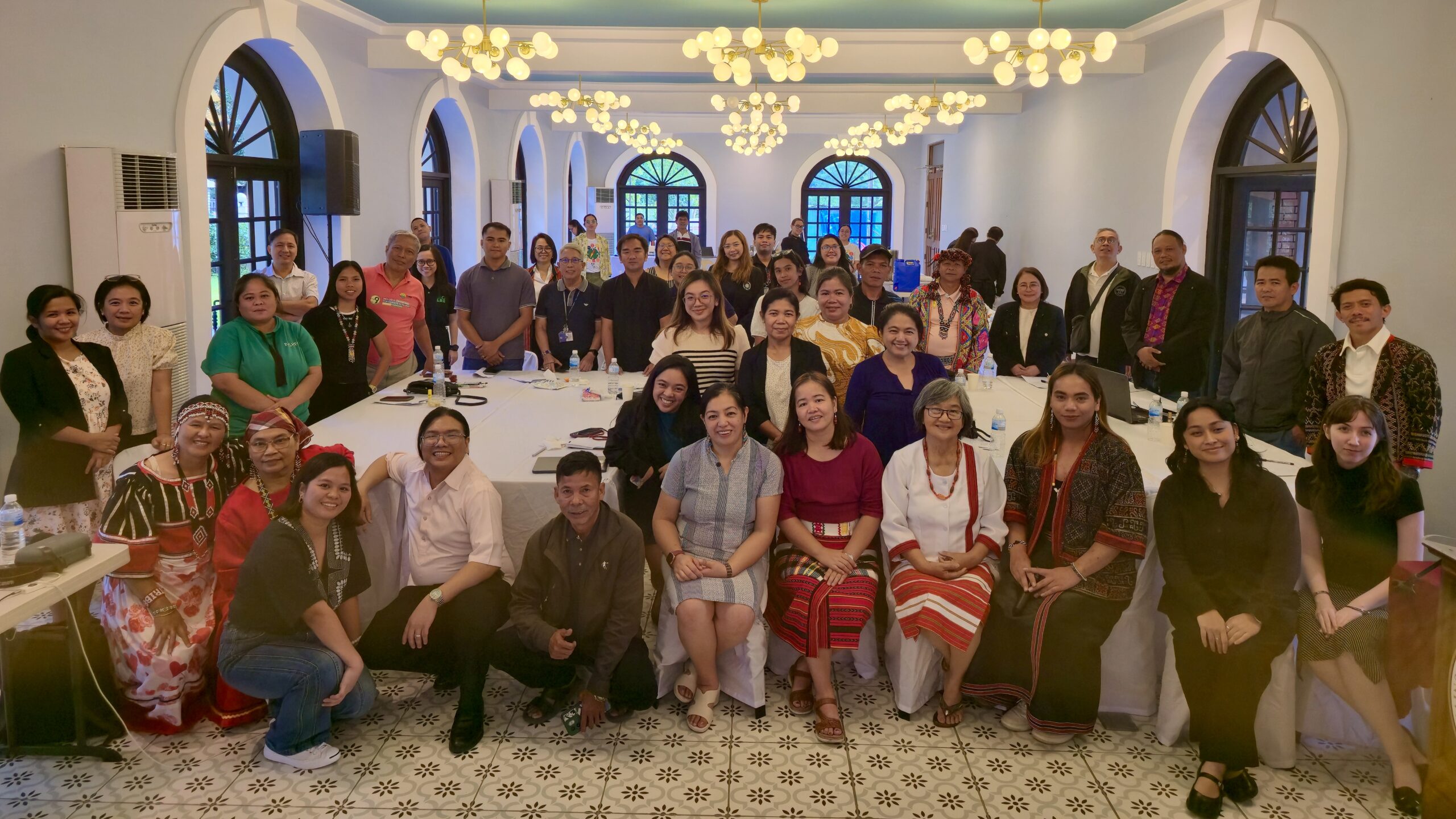
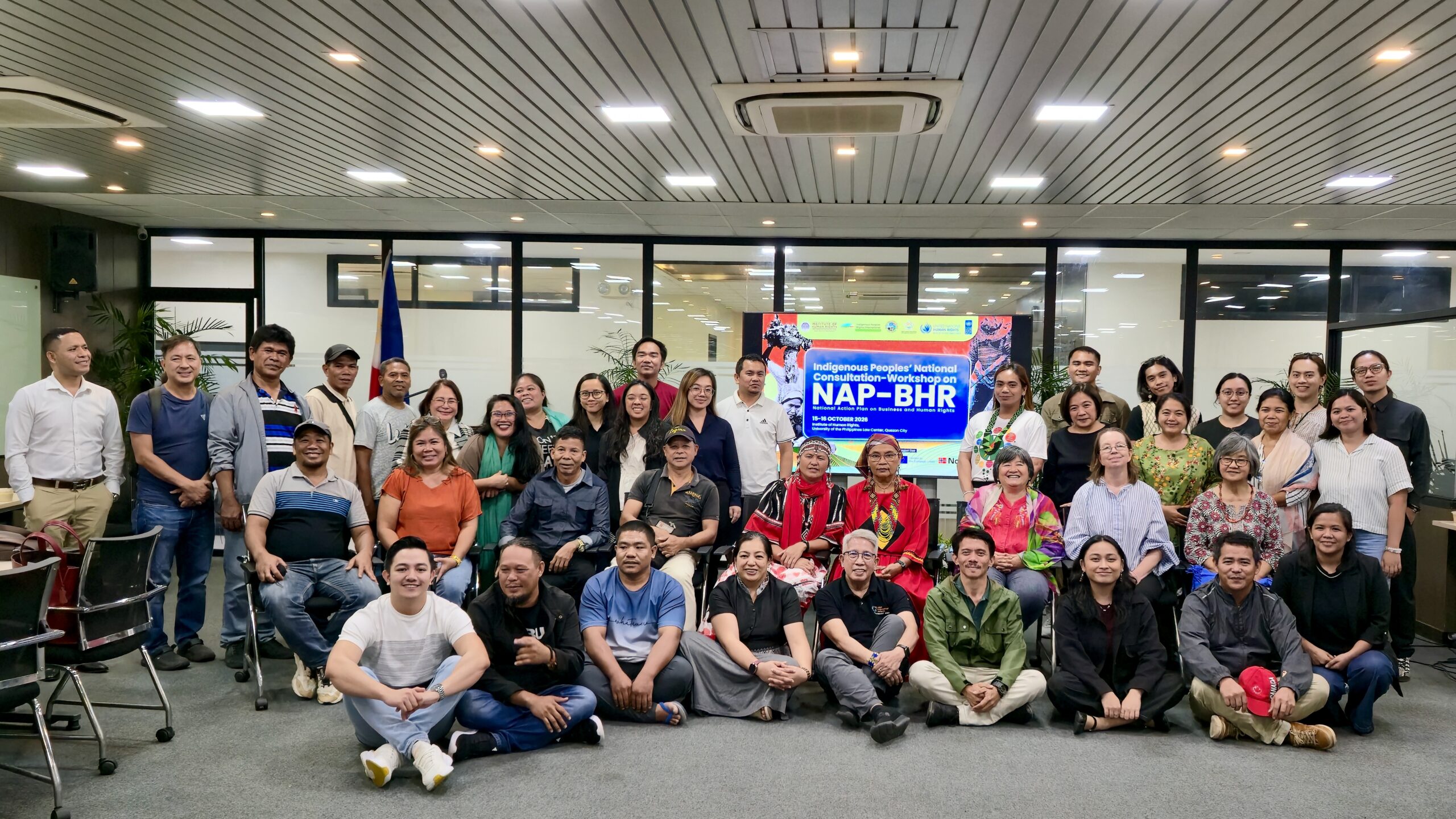
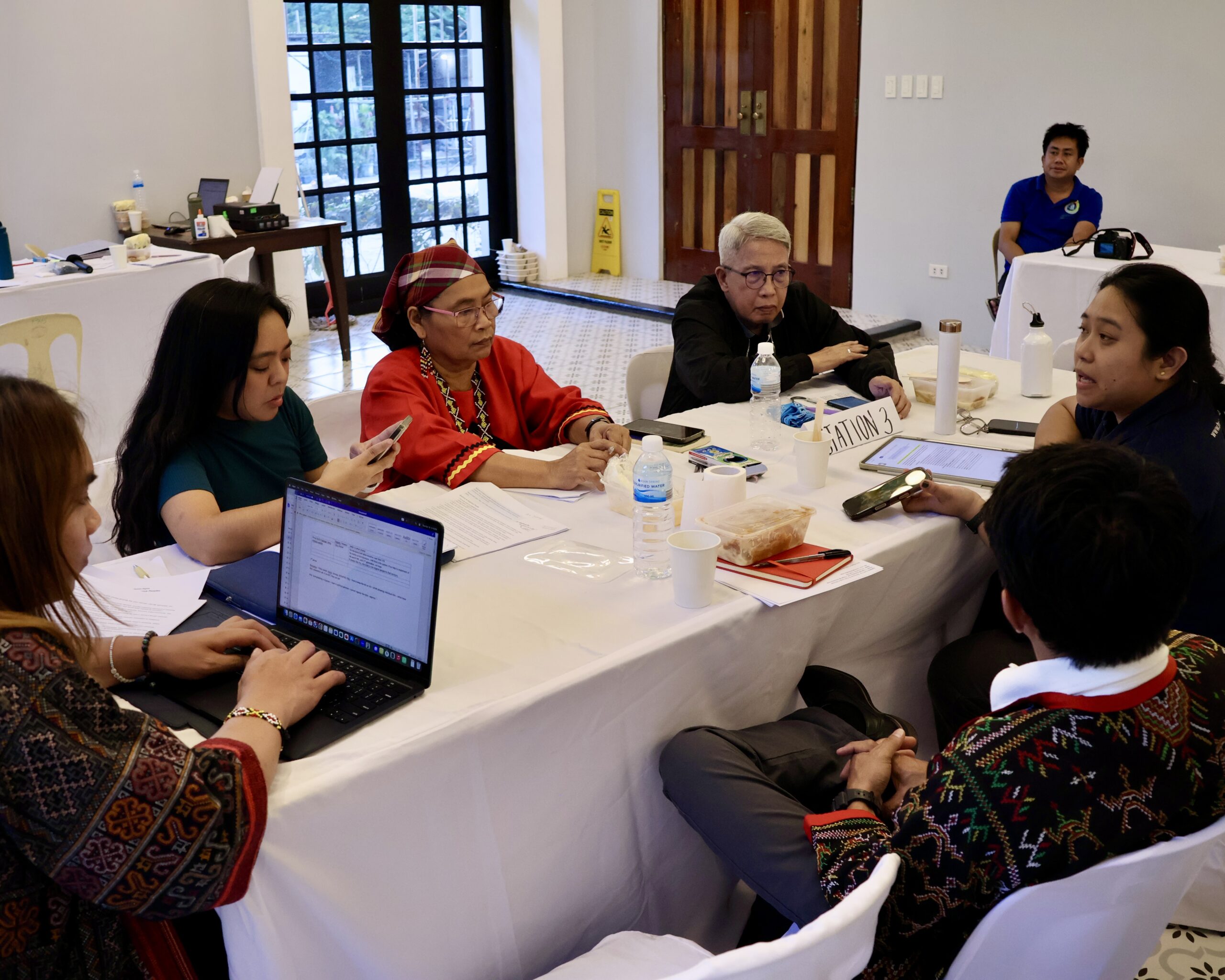
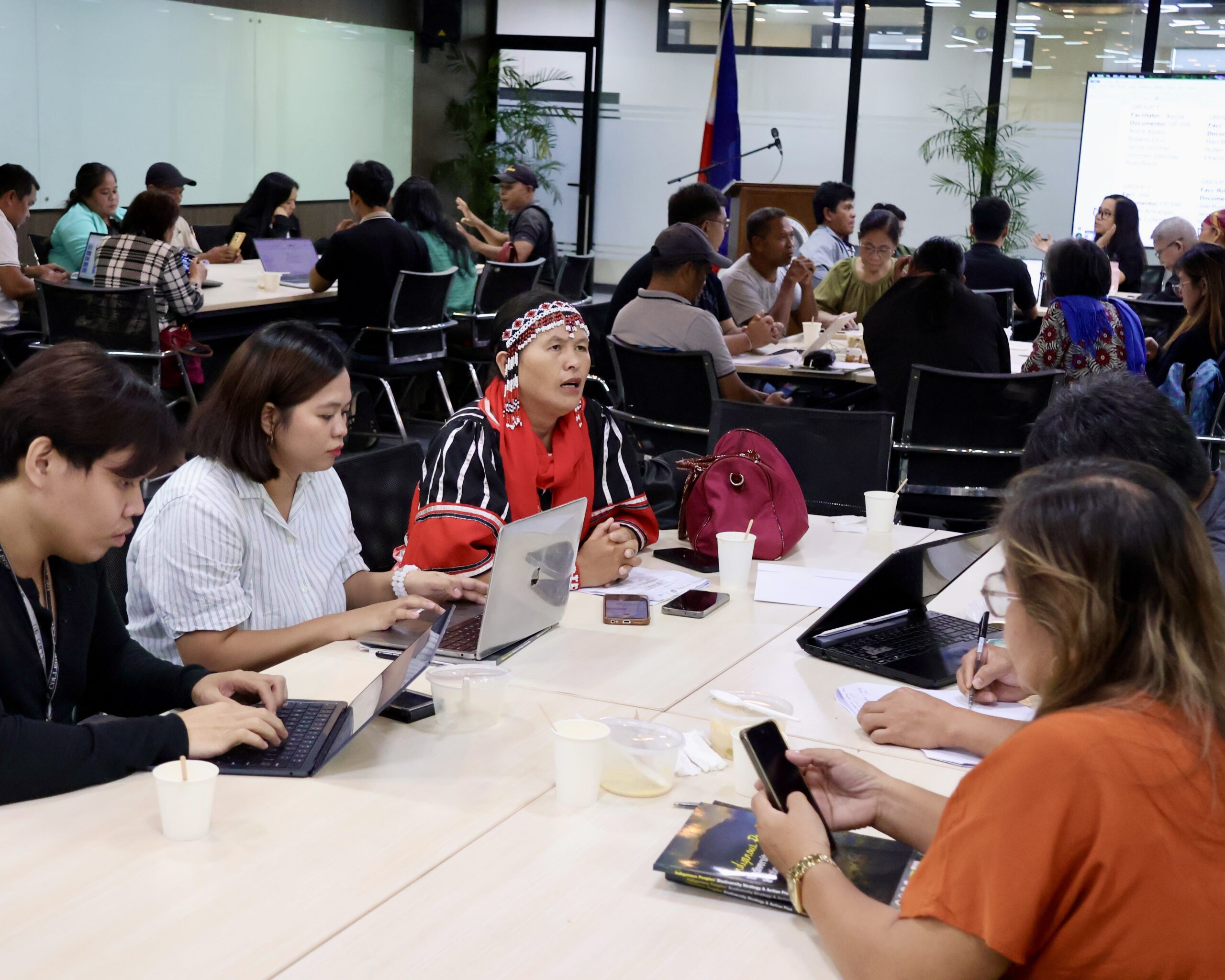
QUEZON CITY, Philippines — Lumad women leaders from Mindanao brought their communities’ concerns over ancestral land protection, displacement, and access to justice to the Indigenous Peoples’ National Consultation-Workshop on the National Action Plan on Business and Human Rights (NAP-BHR), held on October 15–16, 2026, at the University of the Philippines Law Center.
Held during National Indigenous Peoples Month, the consultation gathered Indigenous representatives, civil society organizations, and institutional partners to identify gaps in human rights protections and contribute recommendations to the proposed national action plan.
Four Lumad women from Manobo, Blaan, and Talaandig communities participated as representatives of the Mindanao Climate Justice Resource Facility, Inc. (MCJ).
The gathering was organized by the Office of the United Nations High Commissioner for Human Rights (OHCHR), Indigenous Peoples Rights International (IPRI), Tebtebba Foundation, the UP Institute of Human Rights (UP IHR), and the Right Energy Partnership with Indigenous Peoples (REP).
Ancestral Land Recognition Without Protection
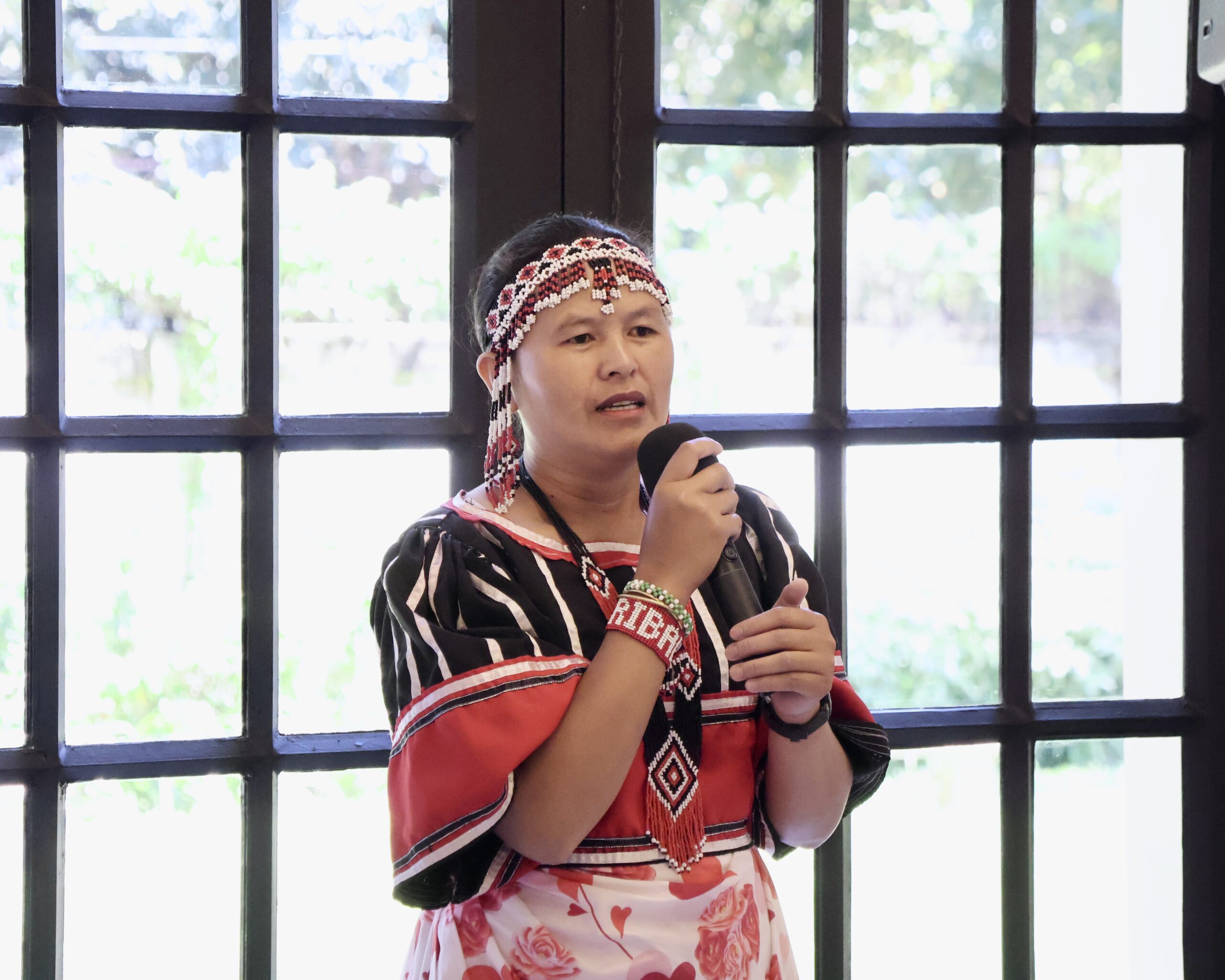
For Bae Rhoda Callupe, a Talaandig participant from Bukidnon, legal recognition of ancestral land has not guaranteed her community’s security.
Callupe shared that her community holds a Certificate of Ancestral Domain Title (CADT) approved in 2003. Despite this recognition, she reported that 72 families were displaced on January 12, 2022, from an area covering 112 hectares.
She described the demolition of homes, destruction of carrot and corn crops, and threats and red-tagging against community members.
According to Callupe, their case has gone through 33 hearings, yet the affected families continue to seek justice. She recounted approaching several government offices without receiving the assistance needed to resolve their situation.
“Ang tanong namin: saan ba talaga kami dapat lumapit upang makamit ang hustisya?” she asked.
(Our question is: Where should we really turn to obtain justice?)
During the workshop, Callupe called for legal assistance and the involvement of the Commission on Human Rights (CHR) in investigating community complaints.
Other participants also raised concerns about mining activities, the implementation of existing legal protections, and respect for Indigenous customary governance.
These discussions highlighted a persistent gap between the legal recognition of Indigenous Peoples’ rights and their enforcement. For communities facing displacement and threats, legal protections offer limited security without timely and accessible remedies.
Genuine Consent and Indigenous Decision-Making
The consultation also examined concerns surrounding Free, Prior, and Informed Consent (FPIC), particularly in relation to development projects affecting ancestral territories.
Discussions emphasized that meaningful consent requires more than signatures or attendance at meetings. Indigenous communities must receive understandable information, have sufficient time for collective deliberation, and be able to make decisions free from coercion, intimidation, or manipulation.
In his welcome remarks, Atty. Raymond “Ice” Baguilat of UP IHR emphasized the importance of Indigenous Peoples’ participation in shaping national policies that affect their rights.
“We must ensure that your voices shape the law rather than the law merely regulating your rights,” Baguilat said.
Tebtebba Executive Director Helen Biangalen-Magata likewise emphasized that Indigenous Peoples must be recognized as rights-holders and decision-makers. She explained that ancestral domains sustain Indigenous identity, spirituality, livelihoods, traditional knowledge, and collective survival.
Their messages reinforced the importance of respecting Indigenous self-determination and ensuring that communities have a meaningful voice in decisions affecting their territories and development priorities.
Strengthening Accountability and Access to Remedies
A central discussion during the consultation focused on how the proposed NAP-BHR could strengthen government and business accountability while improving access to justice for affected communities.
Atty. Reinna Bermudez of the CHR discussed the three pillars of the United Nations Guiding Principles on Business and Human Rights: the State’s duty to protect human rights, businesses’ responsibility to respect them, and access to effective remedies.
In her keynote remarks, Dr. Pichamon Yeophantong, Asia-Pacific member of the UN Working Group on Business and Human Rights, emphasized that the national plan must respond to actual human rights risks and gaps in protection.
She called for sustained consultations, clearly defined institutional responsibilities, and adequate resources for implementation. She also discussed human rights due diligence and mandatory measures that could strengthen business accountability.
Meanwhile, Romic Parmento of the National Commission on Indigenous Peoples (NCIP) Human Rights Division presented proposed priorities in the NAP-BHR zero draft, including FPIC, ancestral domain protection, dispute resolution, benefit-sharing, and coordination among government agencies.
These discussions reflected concerns raised by Indigenous participants about the difficulties of seeking justice.
For affected communities, pursuing complaints can mean years of legal proceedings, repeated travel, considerable expenses, and continued uncertainty over their lands and livelihoods.
Accessible legal assistance, independent investigations, protection against retaliation, and effective remedies are therefore essential to ensuring that human rights commitments lead to meaningful protection.
A Just Energy Transition Must Respect Indigenous Rights
The consultation also explored the implications of mining, critical minerals, and renewable energy development for Indigenous communities.
Atty. Ryan Jay Roset of the Legal Rights and Natural Resources Center emphasized that the energy transition must uphold Indigenous self-determination and territorial governance.
He also discussed community-based renewable energy initiatives and the financing and technical assistance needed to support them.
While renewable energy development is important in addressing climate change, associated projects and mineral extraction can affect ancestral lands, water sources, livelihoods, and cultural practices.
A just energy transition must not come at the expense of Indigenous Peoples’ rights.
Communities must be able to assess proposed projects, determine their development priorities, and raise concerns without intimidation or retaliation.
The discussions reinforced the importance of ensuring that climate and energy policies respect Indigenous rights and support community-led development.
From Consultation to Concrete Action
As the Philippines develops its National Action Plan on Business and Human Rights, the consultation underscored the need to translate policy commitments into effective protection and accessible remedies for Indigenous communities.
Indigenous Peoples must remain involved in shaping, implementing, and monitoring the plan. Government institutions must also clarify how community recommendations will be incorporated, which agencies will respond to complaints, and what assistance will be available to affected families.
For the Lumad women who participated through MCJ, the consultation provided an opportunity to bring community concerns into national policy discussions and highlight the challenges Indigenous Peoples continue to face in defending their ancestral territories.
Their participation reinforced the importance of ensuring that Indigenous women’s perspectives inform decisions affecting their lands, livelihoods, and communities.
Ultimately, the effectiveness of the NAP-BHR will be measured not only by its commitments but by whether communities can access protection and obtain justice.
Callupe’s question—where should communities turn to obtain justice?—remains a challenge to the institutions responsible for protecting Indigenous Peoples’ rights.
The answer must be reflected in timely assistance, accountable institutions, and remedies that communities can genuinely access.